

 Integrated Polishing System
Troubleshooting
Polishing troubleshooting
Practical knowledge base of symptoms, causes, checks and fixes.
Practical diagnostics
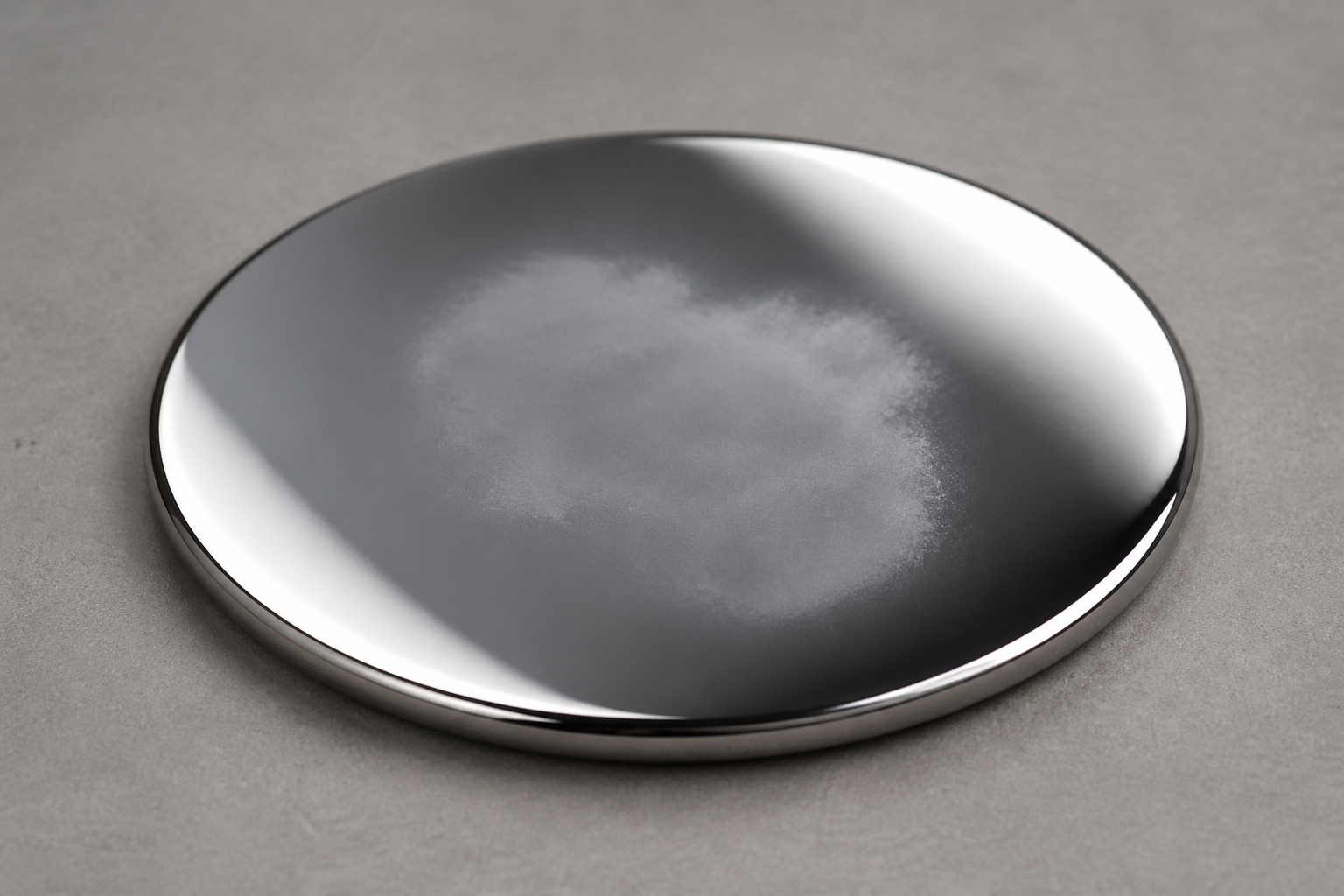
Cloudy surface
Surface looks cloudy after polishing.
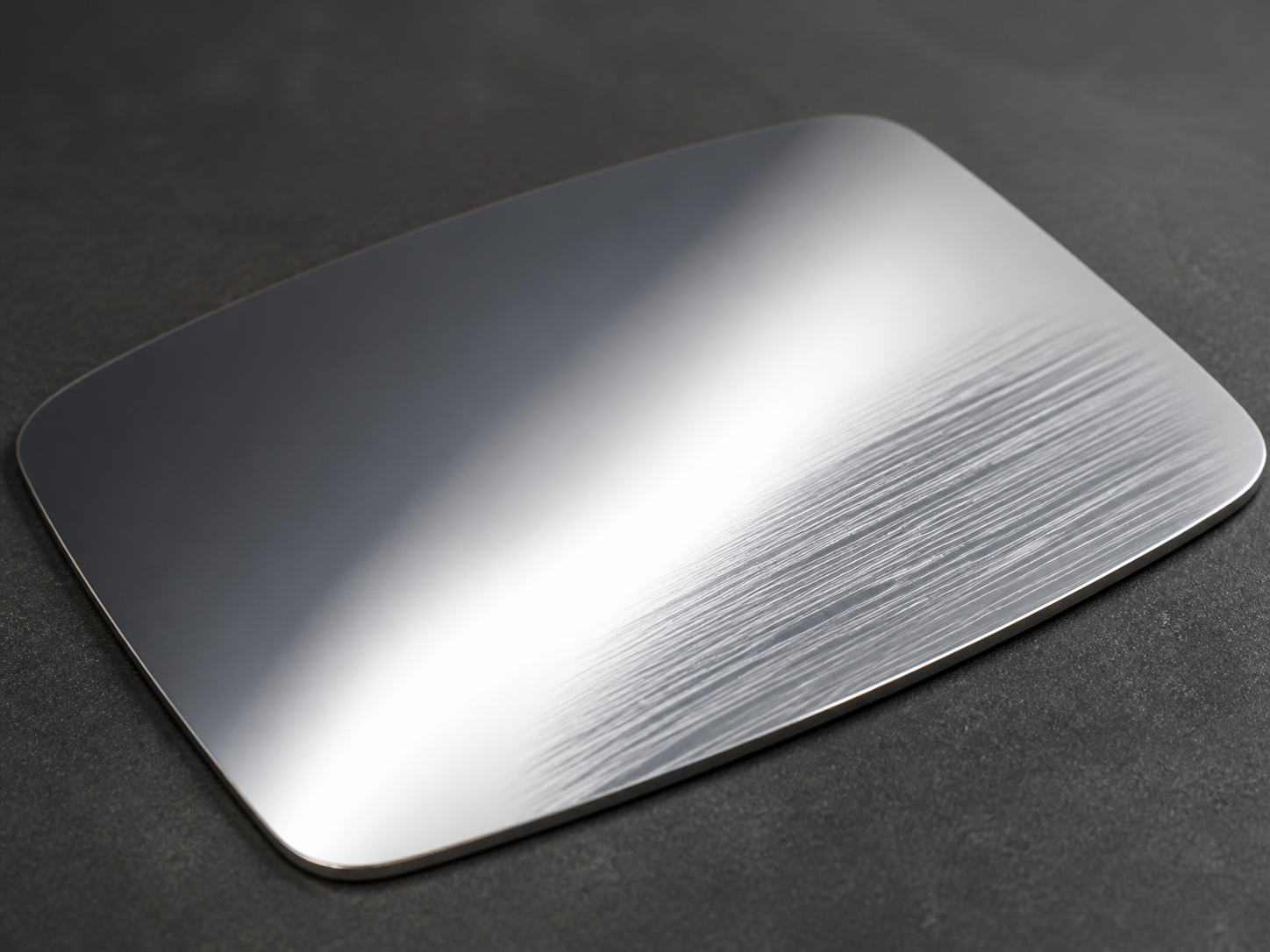
Why do scratches remain after polishing?
Gloss by itself does not mean the surface is ready for finishing. If scratches or preparation marks remain after polishing, check sanding quality, wheel condition, compound amount, cleaning and the choice of first-stage compound before moving to the finishing compound.
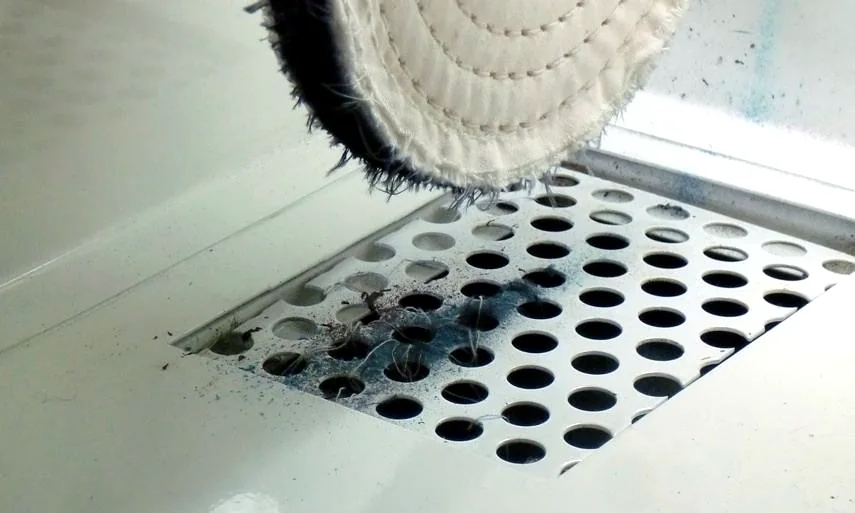
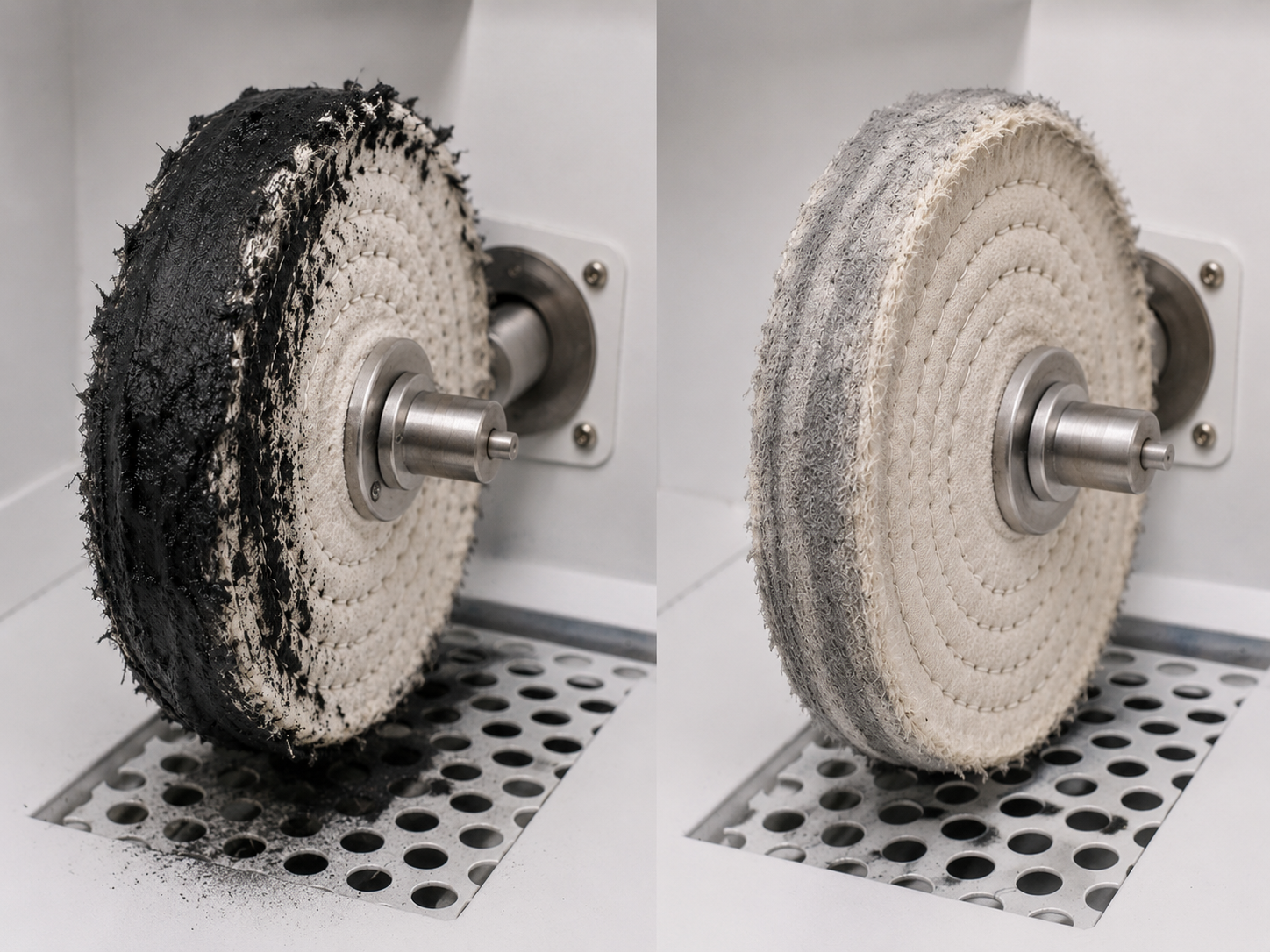
Wheel turns black
Wheel turns black during polishing because excess compound, metal dust and debris accumulate on the working surface.
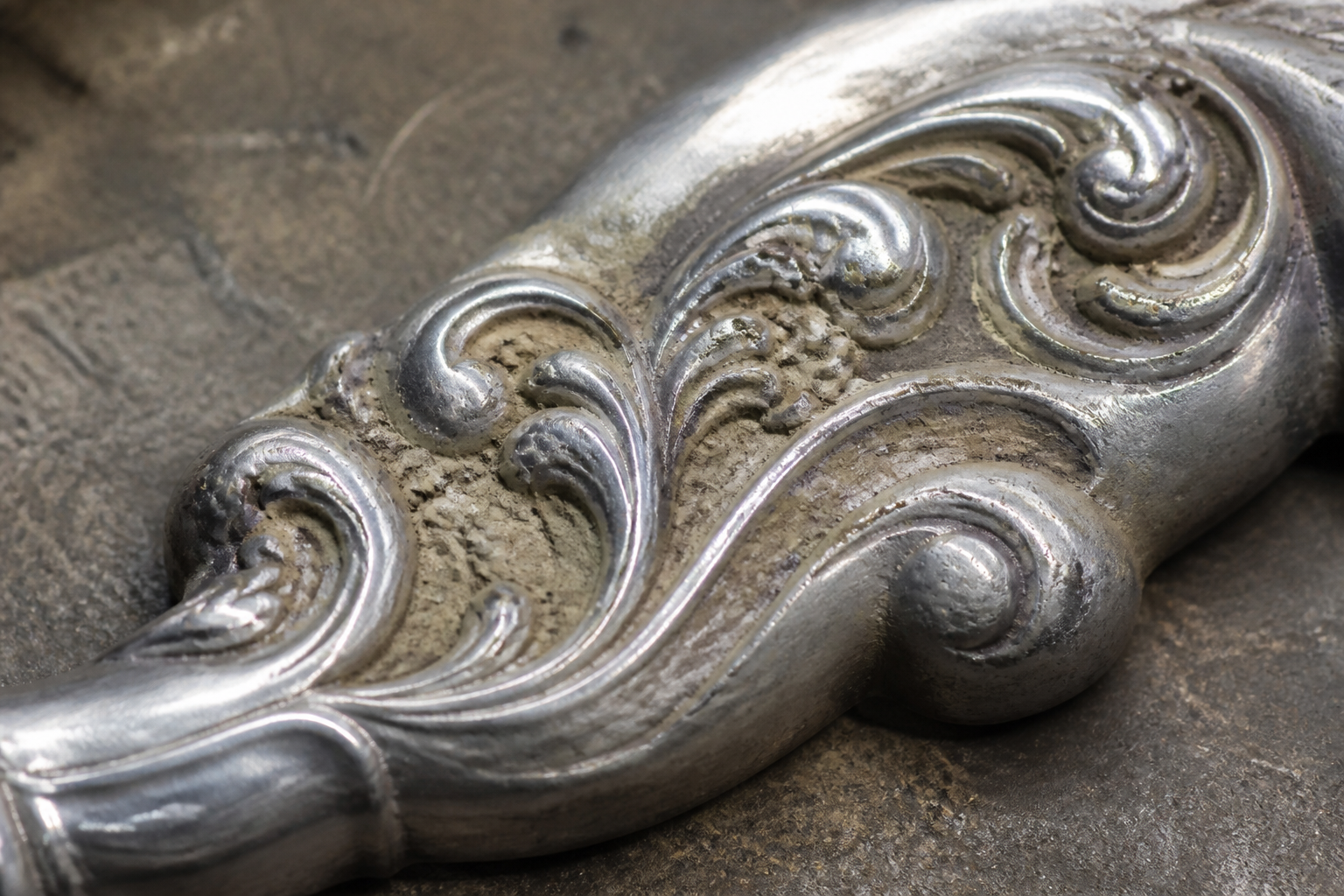
Compound clogs relief
Compound accumulates in recesses and relief.
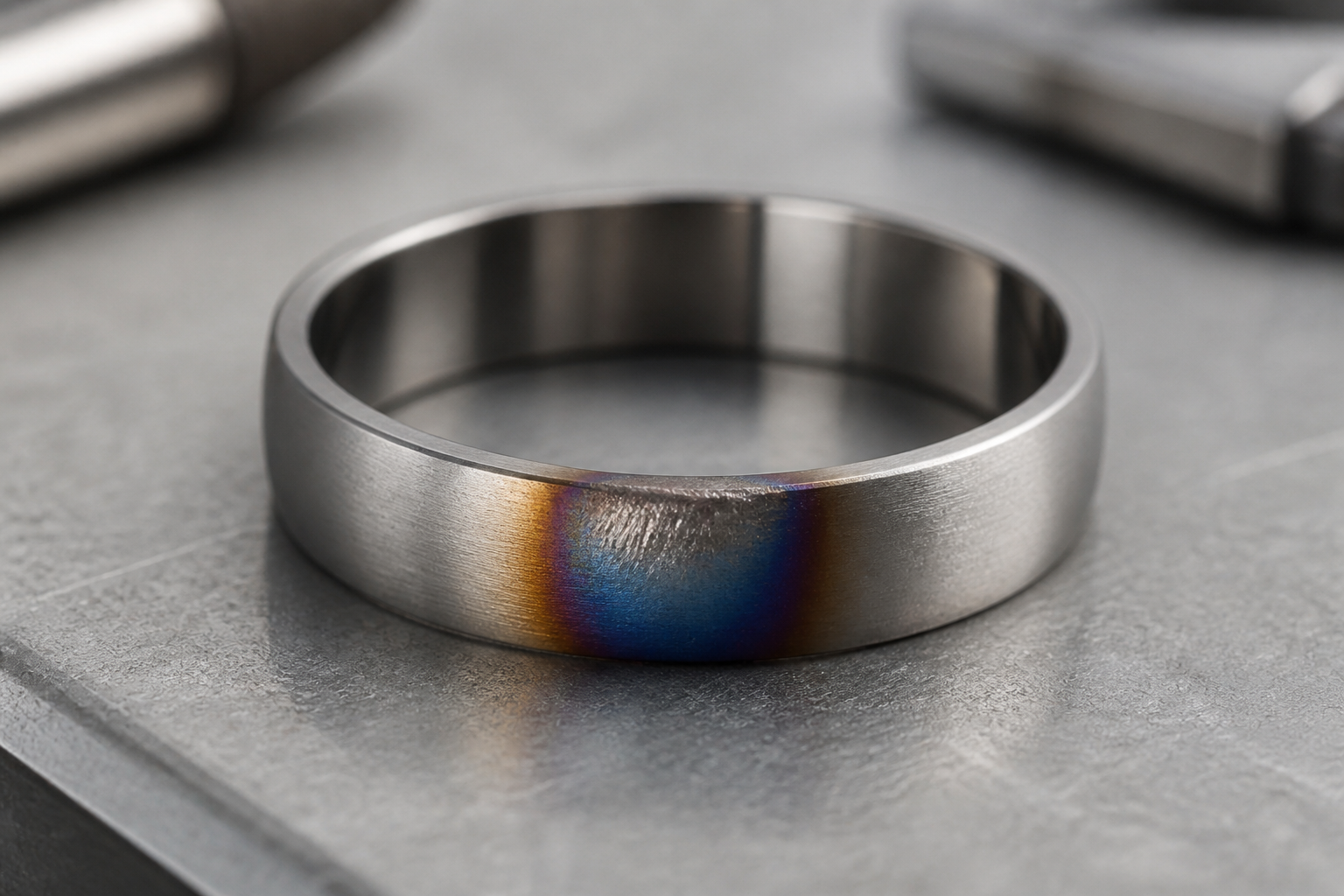
Titanium overheating
Titanium overheats, smears or loses surface quality.
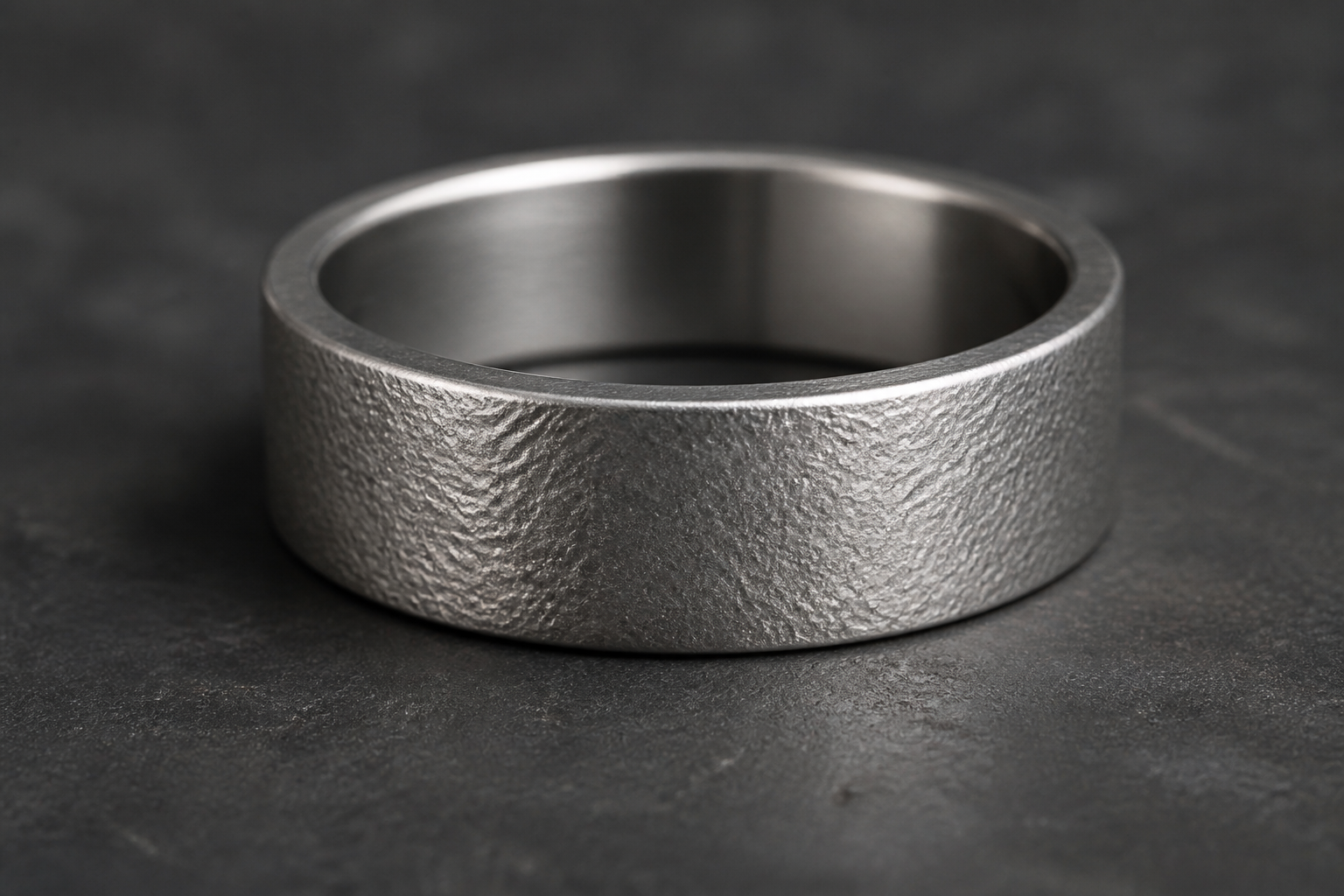
Orange peel on titanium
Titanium develops orange-peel texture.
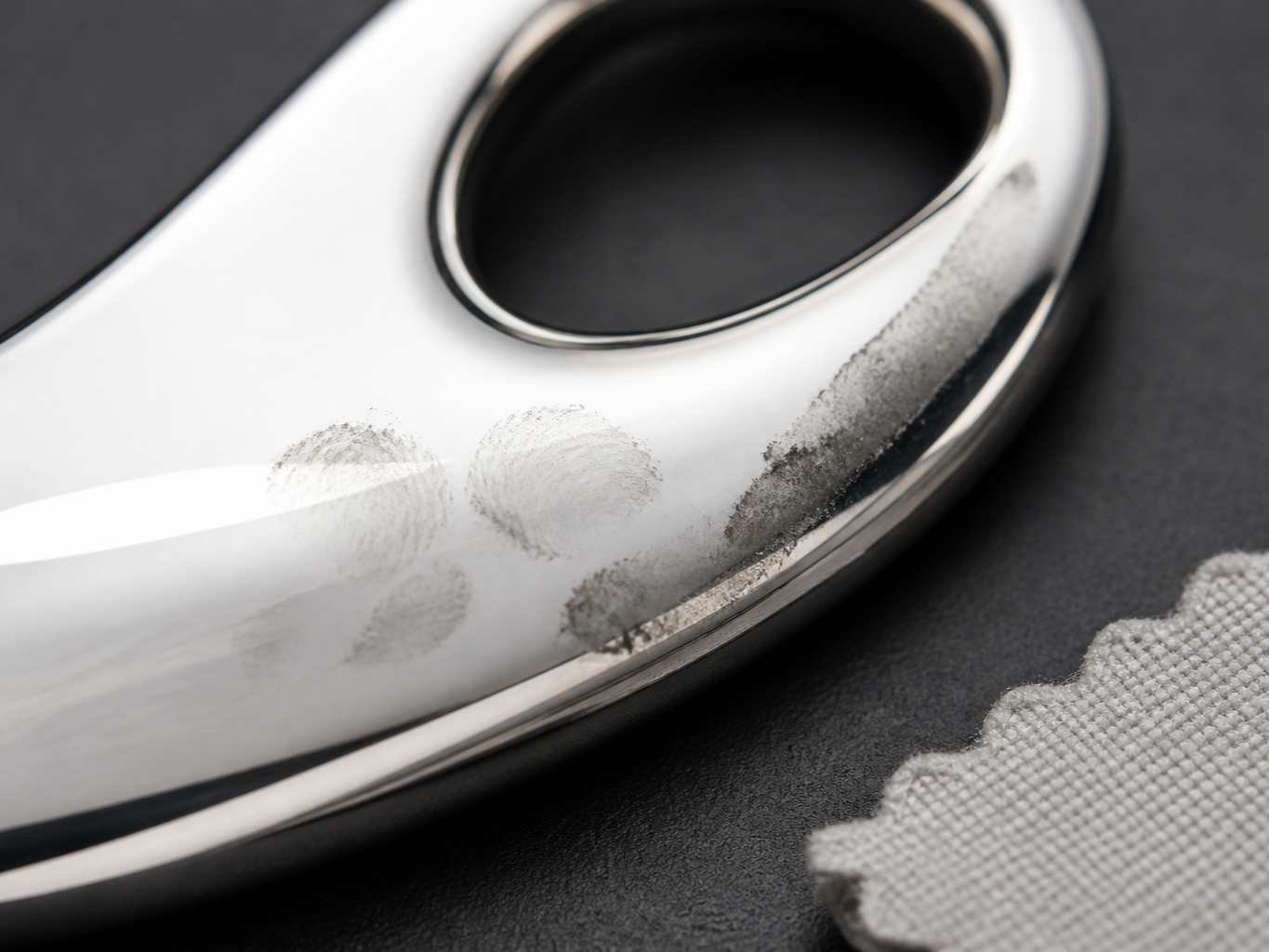
Shiny but dirty surface
Piece is glossy but visually dirty or stained.
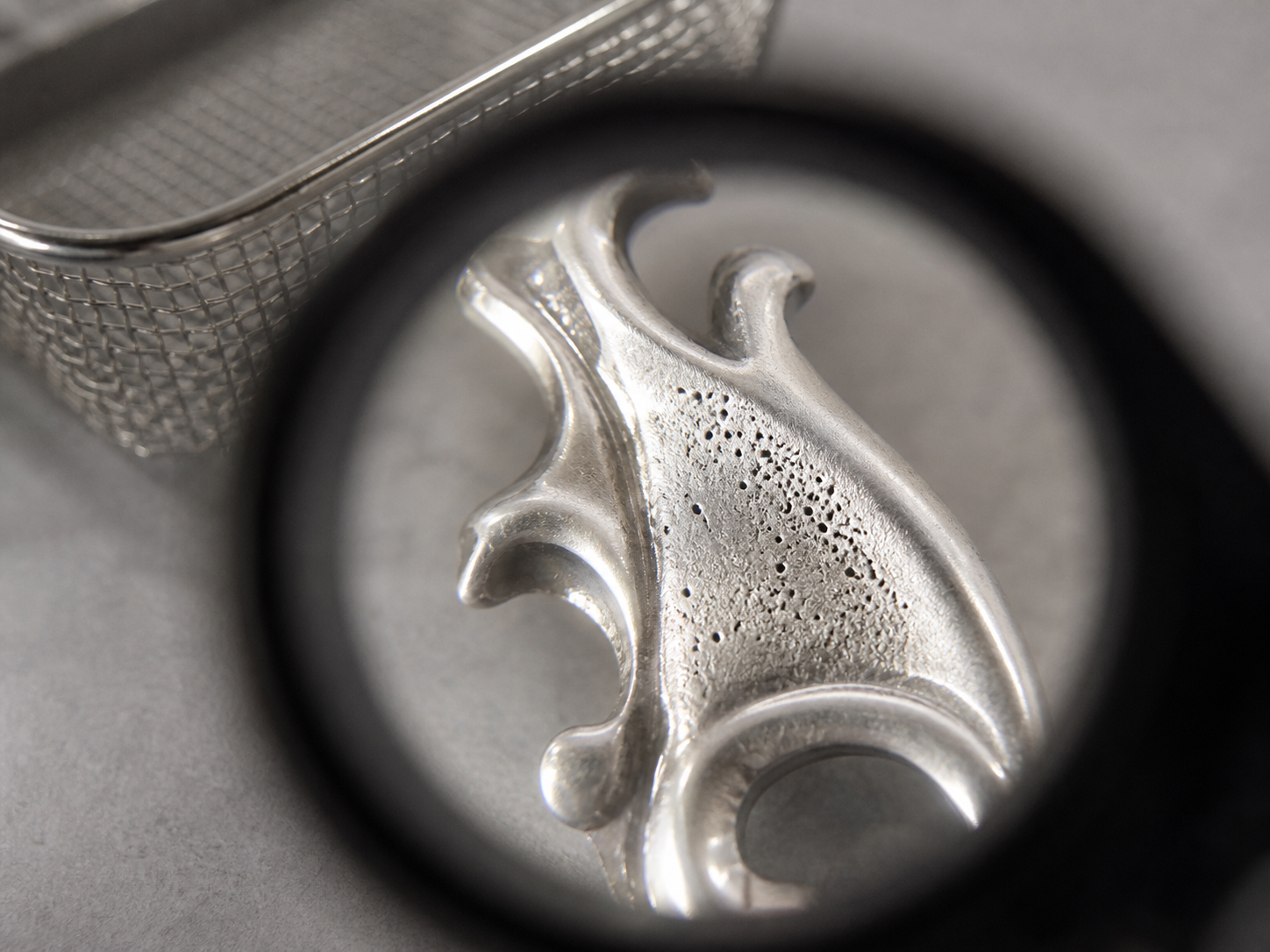
Pores open after ultrasonic cleaning
Porosity becomes visible after ultrasonic cleaning.
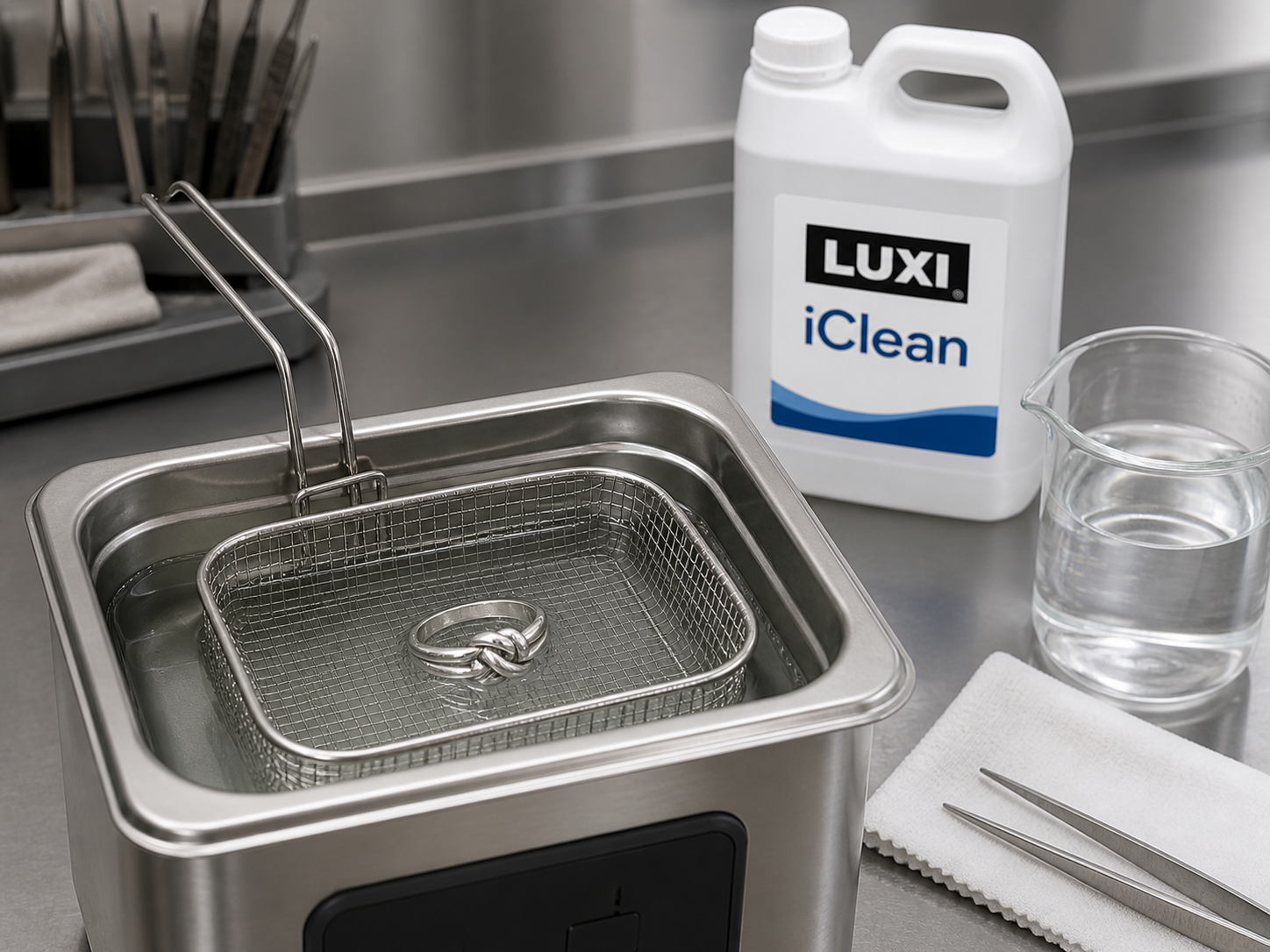
Compound is hard to clean
Compound residue is hard to remove.
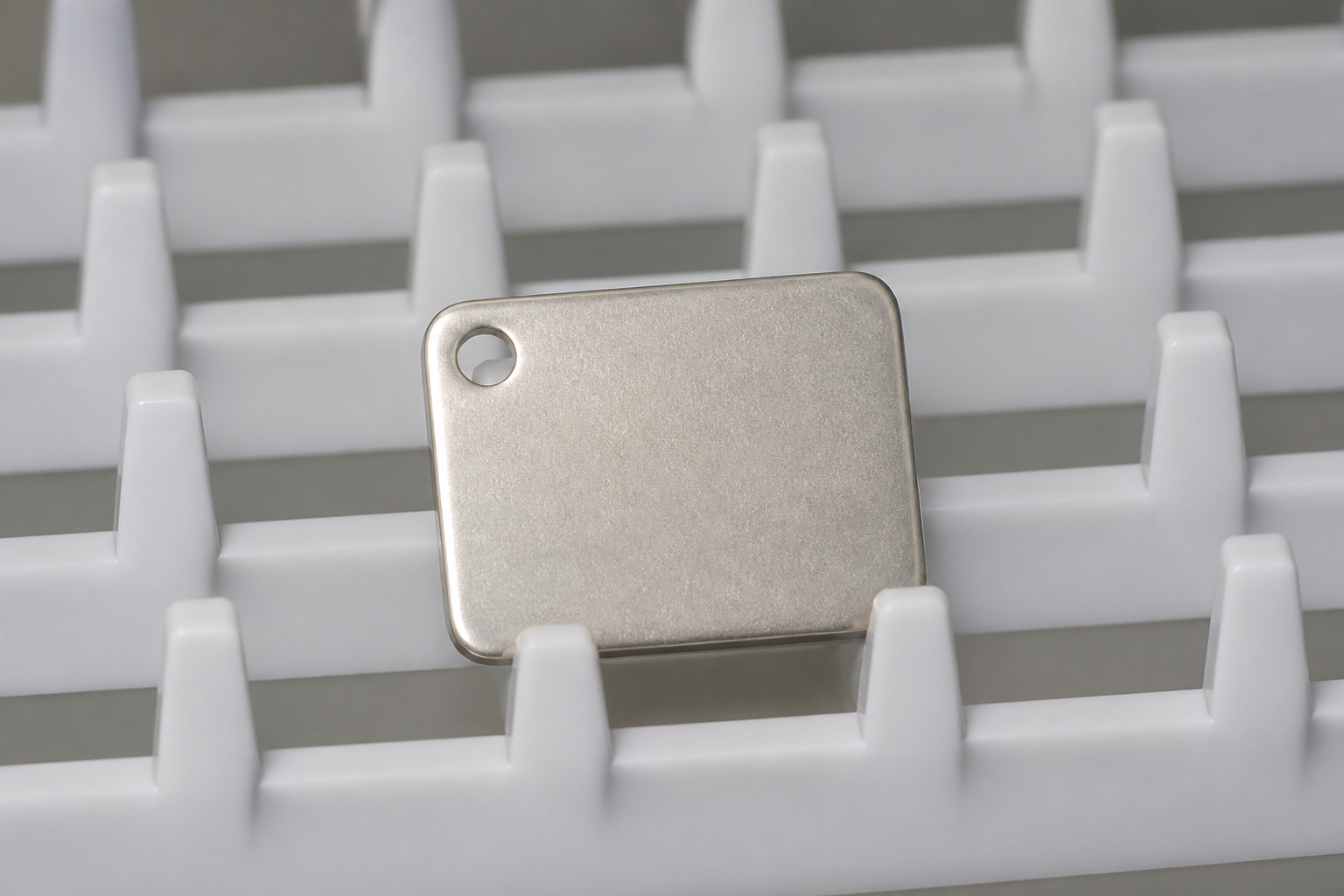
Lustre lost before plating
Final shine degrades during preparation for plating.
Recommended paste does not give the expected result
The recommended paste does not produce the expected result on this piece.
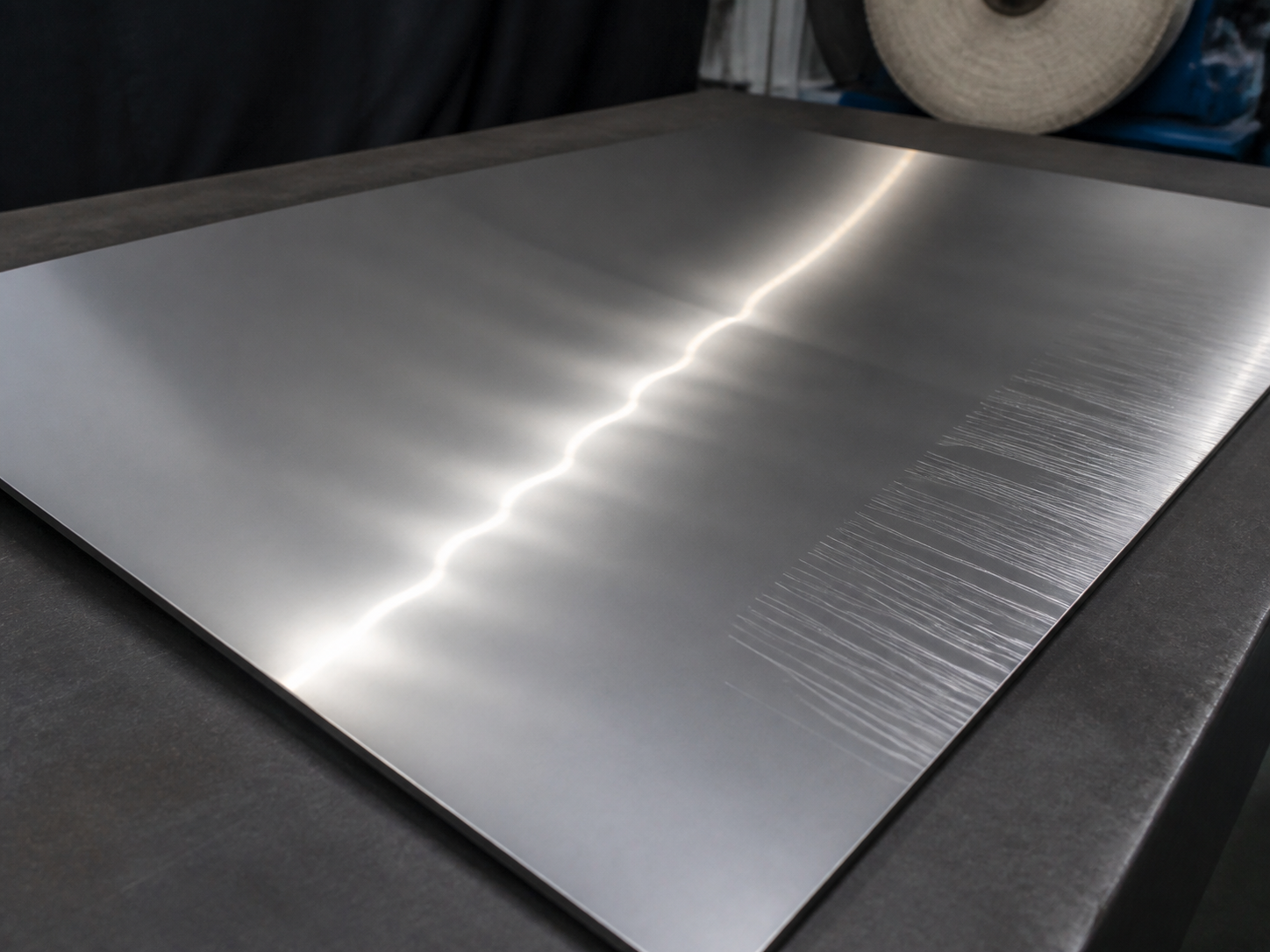
Large flat surfaces remain wavy or scratched
Large flat areas remain wavy, scratched or uneven.
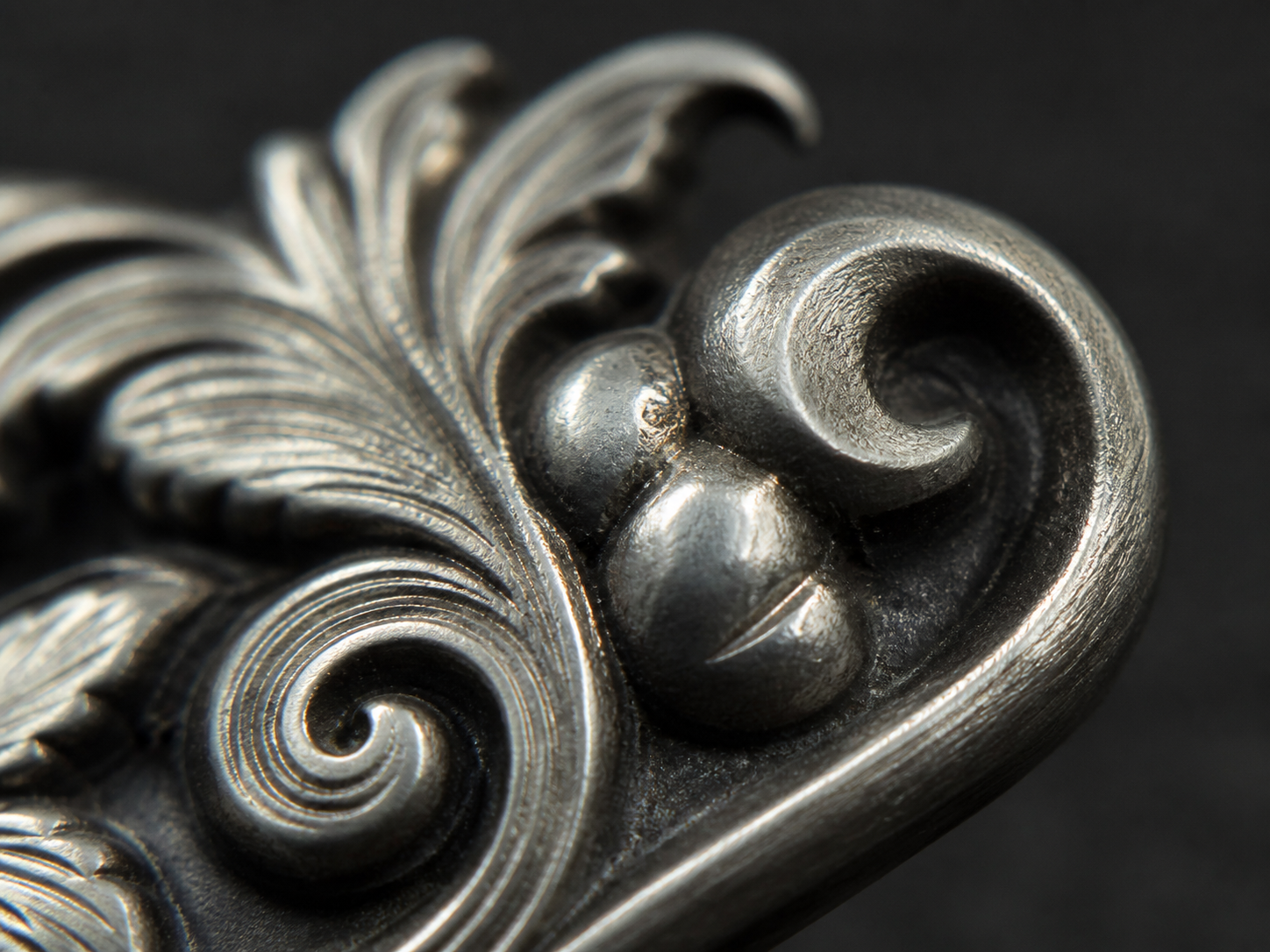
Fine details are over-polished
Fine details or filigree lose shape or sharpness.
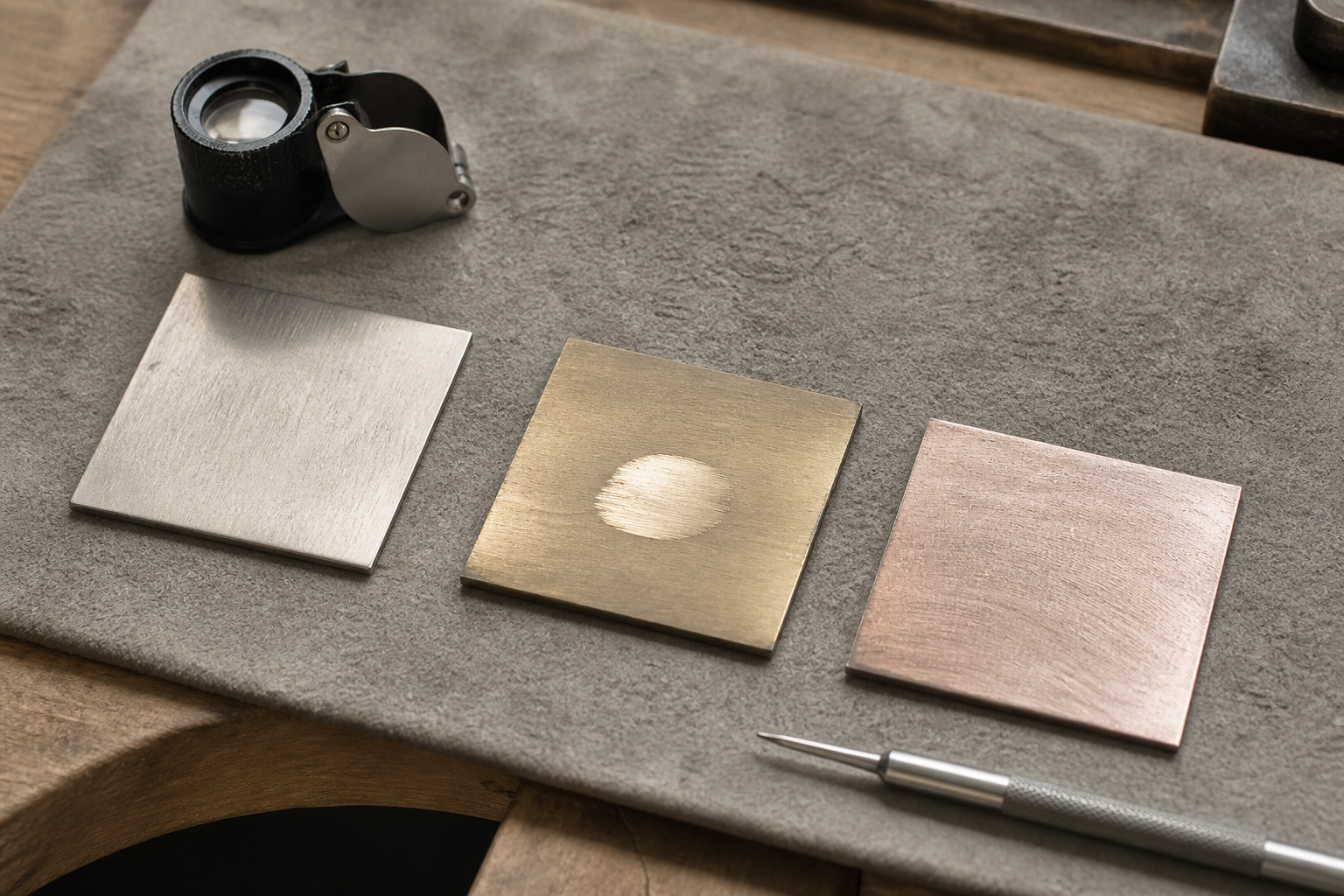
New alloy behaves differently from the recommendation
A new or unusual alloy reacts differently from the base recommendation.
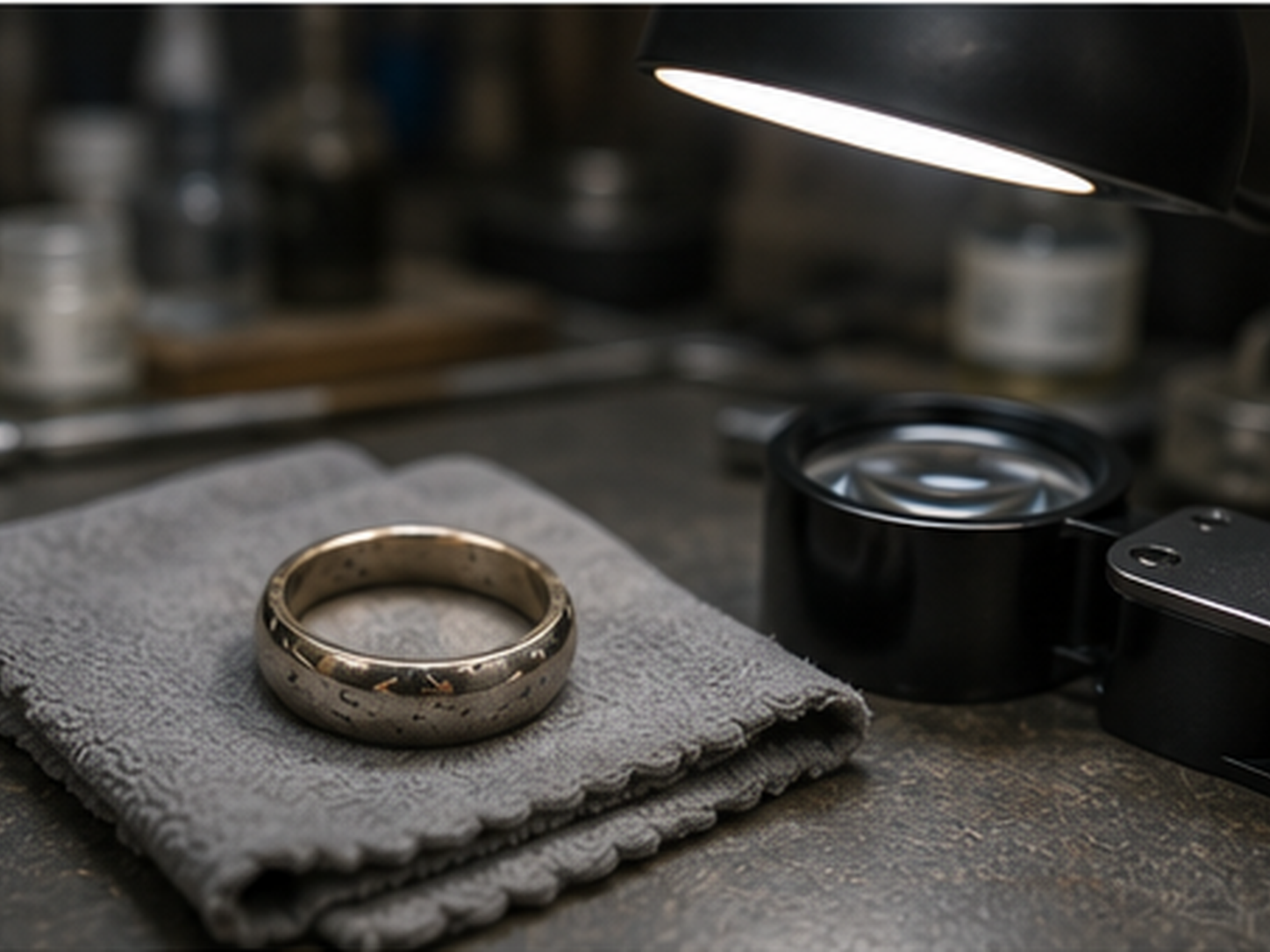
Coating damaged after polishing
A plated, decorative or protective coating shows visible damage after polishing.
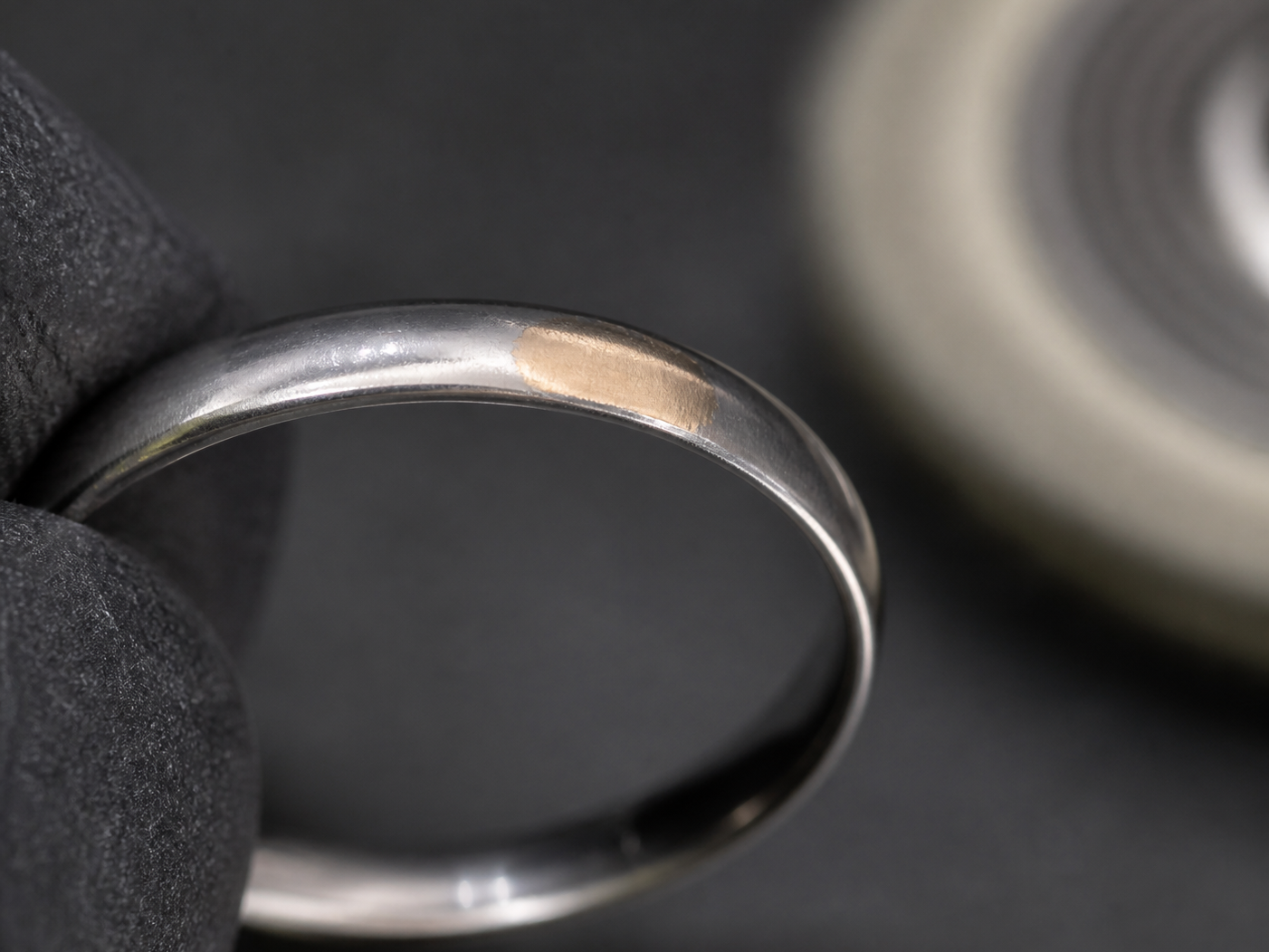
Plating was damaged during polishing
Plating or another surface layer was locally damaged, partially removed, or worn through during polishing.
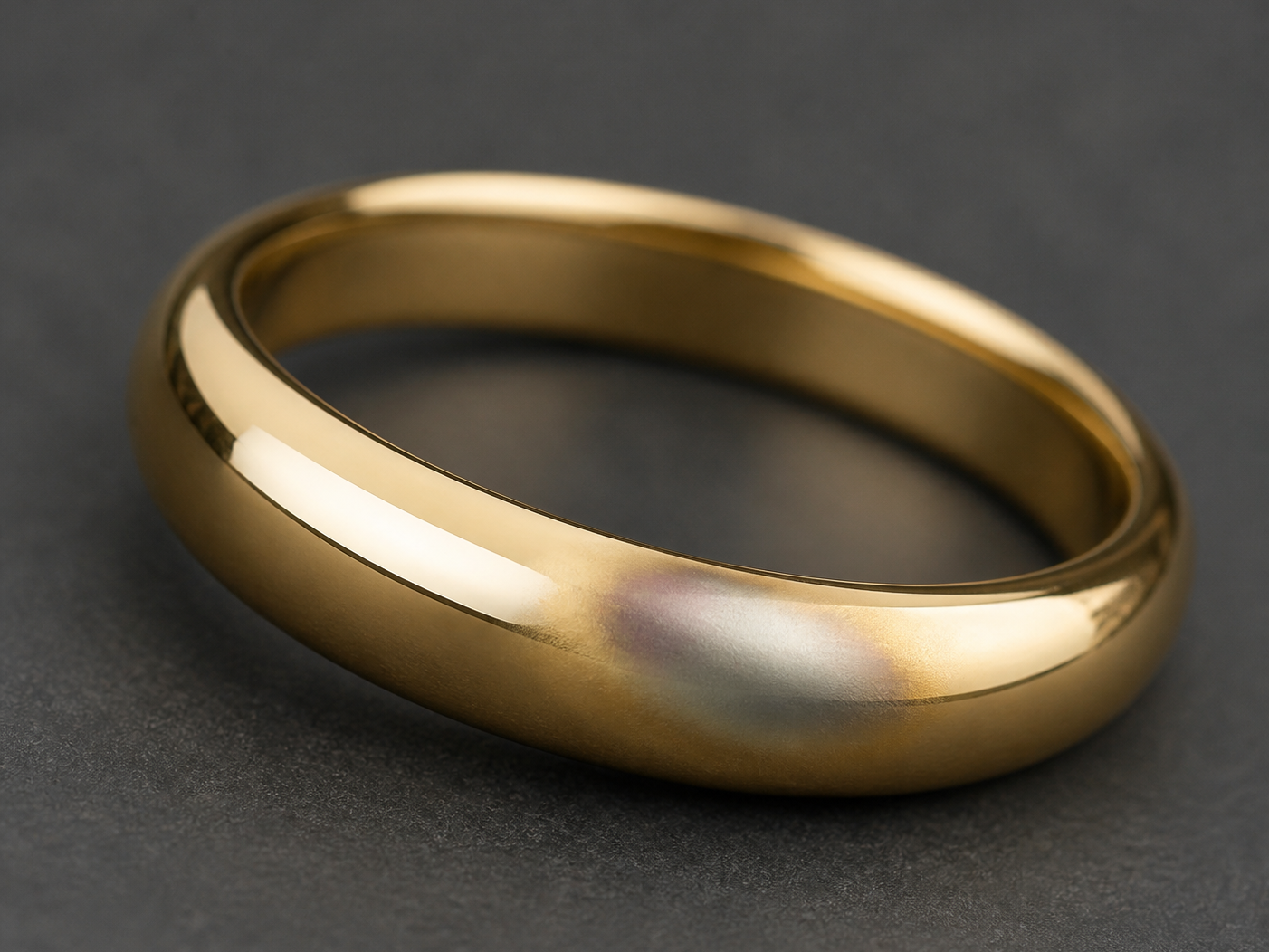
Plated surface changed color or gloss
A coated surface changes color, gloss, uniformity or apparent thickness after polishing.
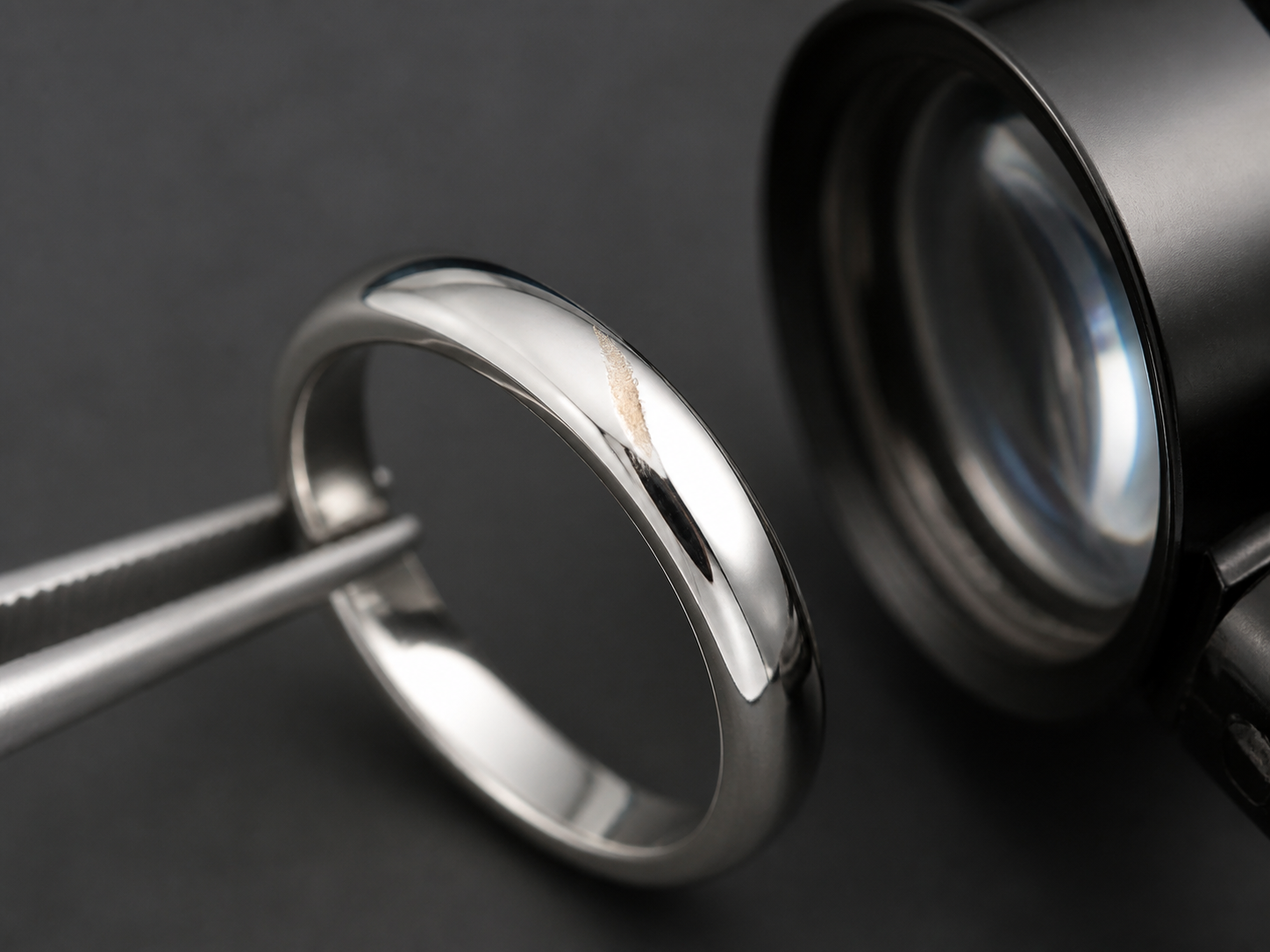
White gold rhodium/platinum-group plating risk
White gold may have rhodium or platinum-group plating; polishing can expose a warmer base colour.
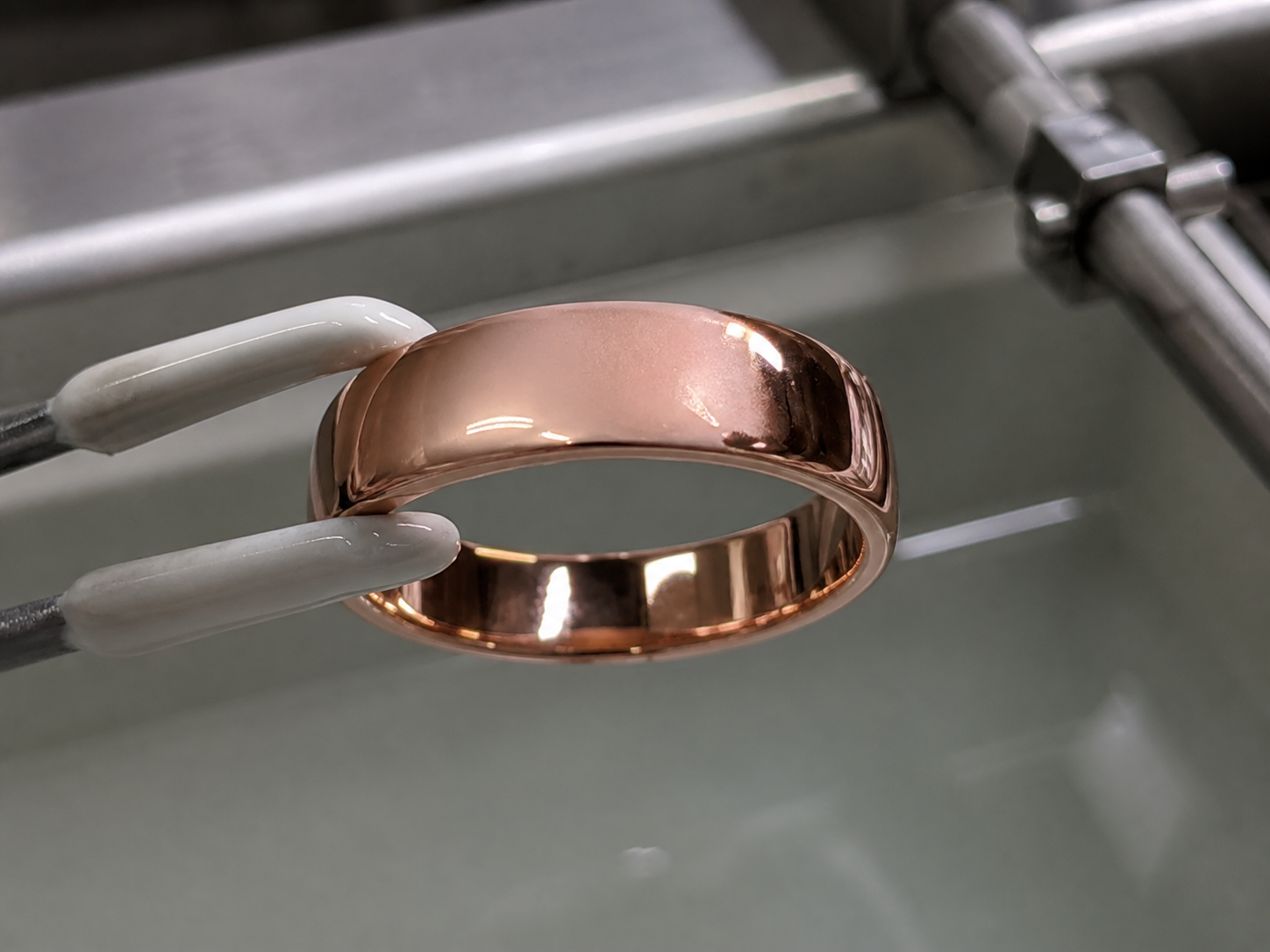
Rose-gold plating became matte after bath
Thin decorative rose-gold plating can react poorly to cleaning or previous surface condition and may lose gloss.
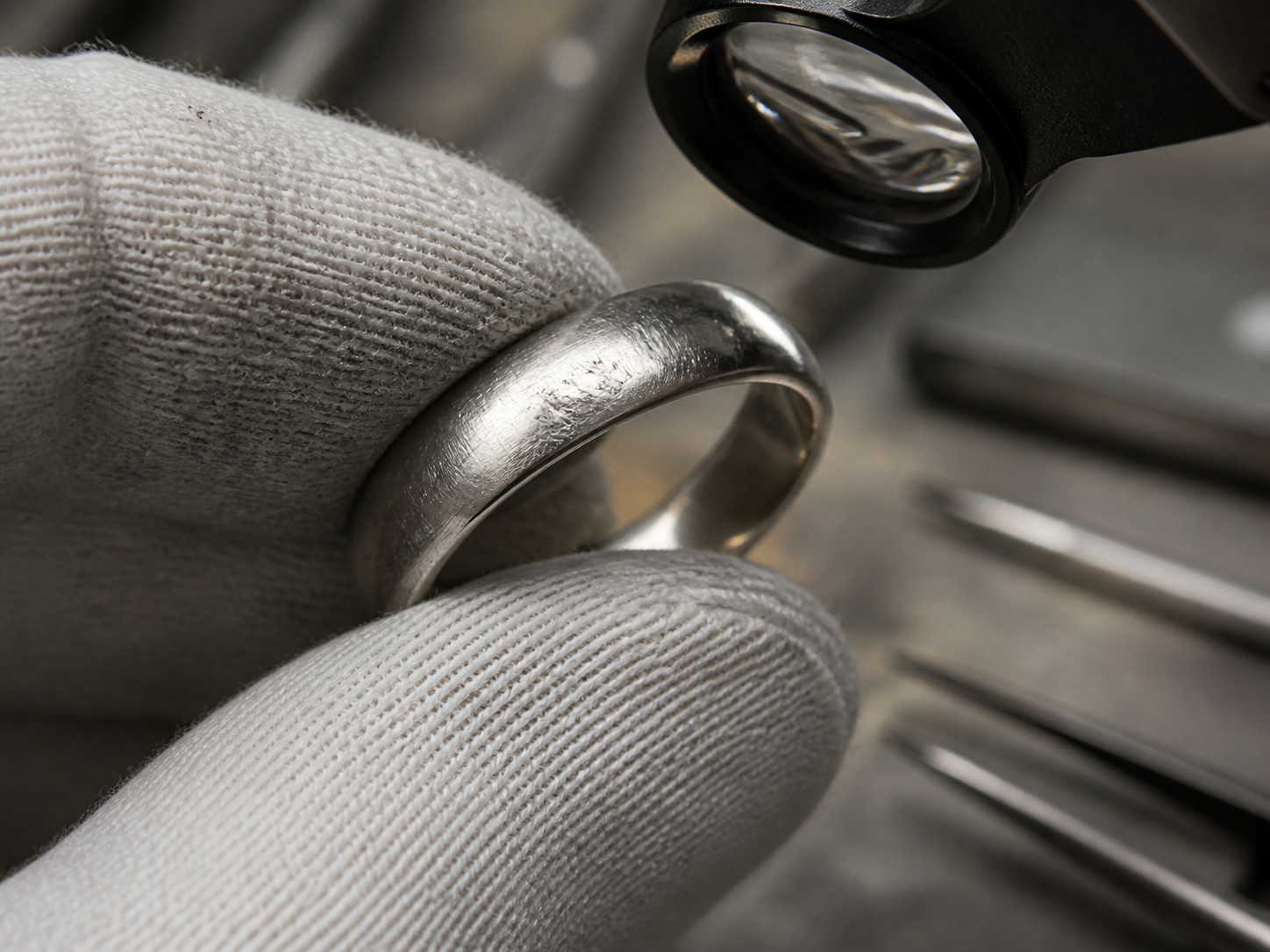
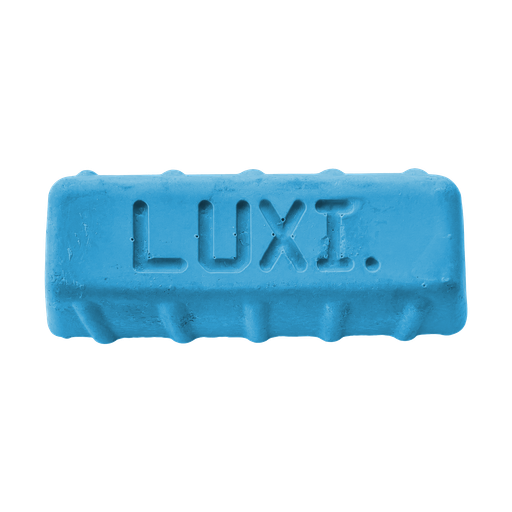
Light LUXI Blue refresh result is insufficient
A light LUXI Blue refresh is suitable only for minor wear marks; deeper scratches may need a full staged process.
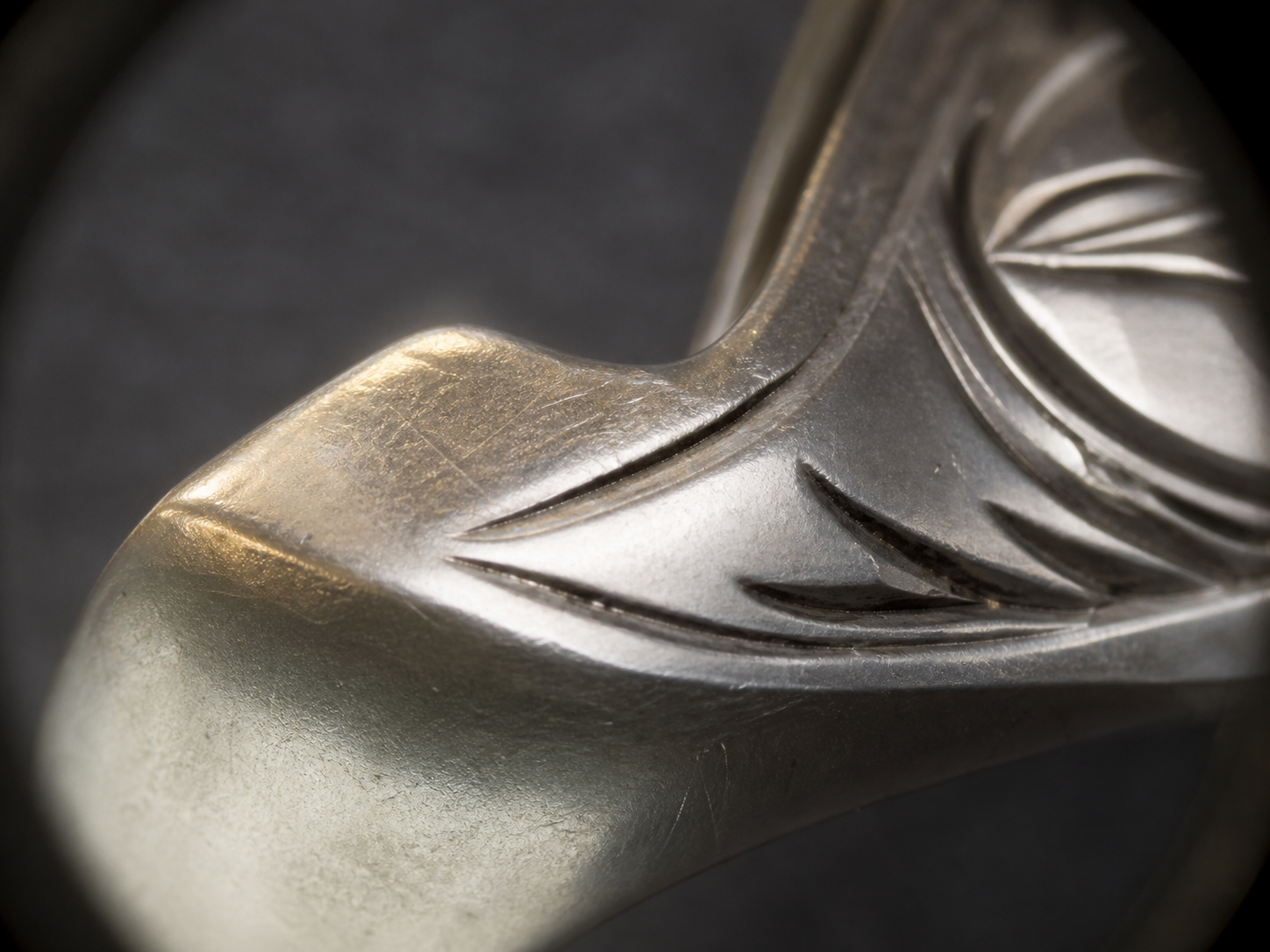
Refreshed jewellery was over-polished
Aggressive refresh polishing can soften fine design details, remove too much metal, or damage a coating if it extends beyond the worn area.
Too much compound slows polishing
More compound does not mean better polishing. In the LUXI working process, an overloaded wheel loses controlled contact, suppresses the effect of forming a smooth metal surface layer, replaces it with abrasive action and can slow surface formation. First clean the wheel completely, then add compound with a single touch.
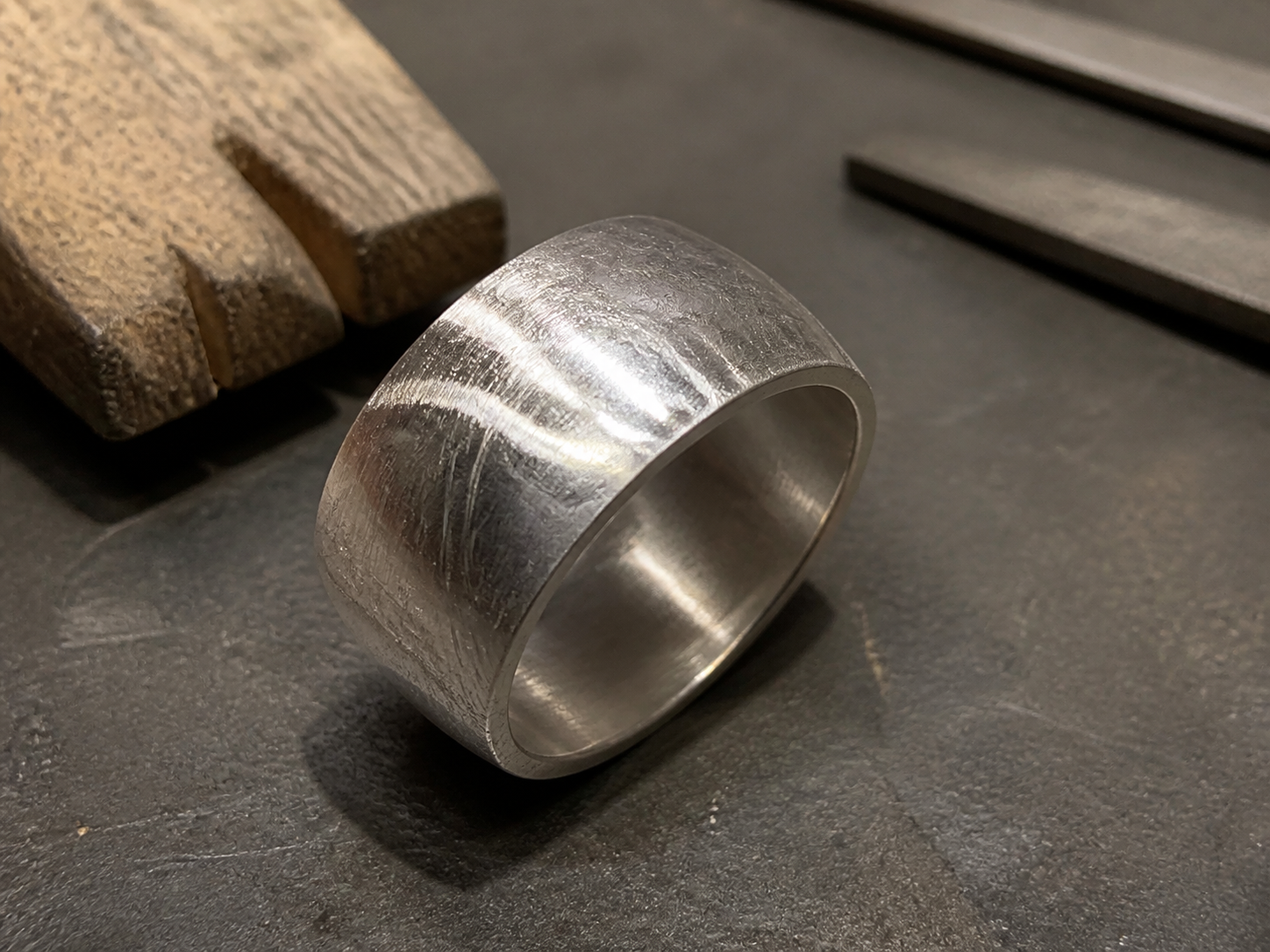
Polishing started too early
A shiny but uneven surface often means major defects were not removed before polishing.
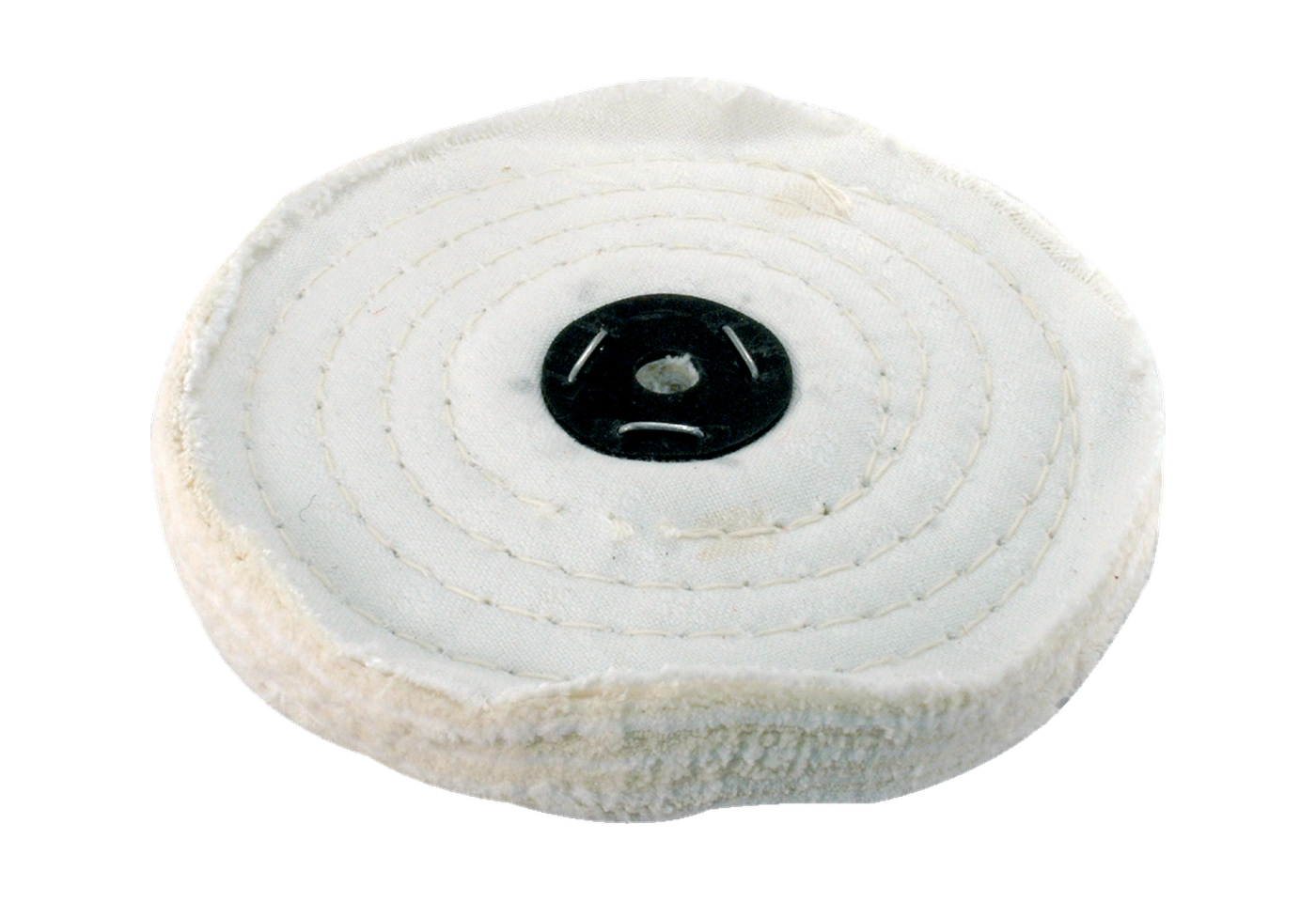
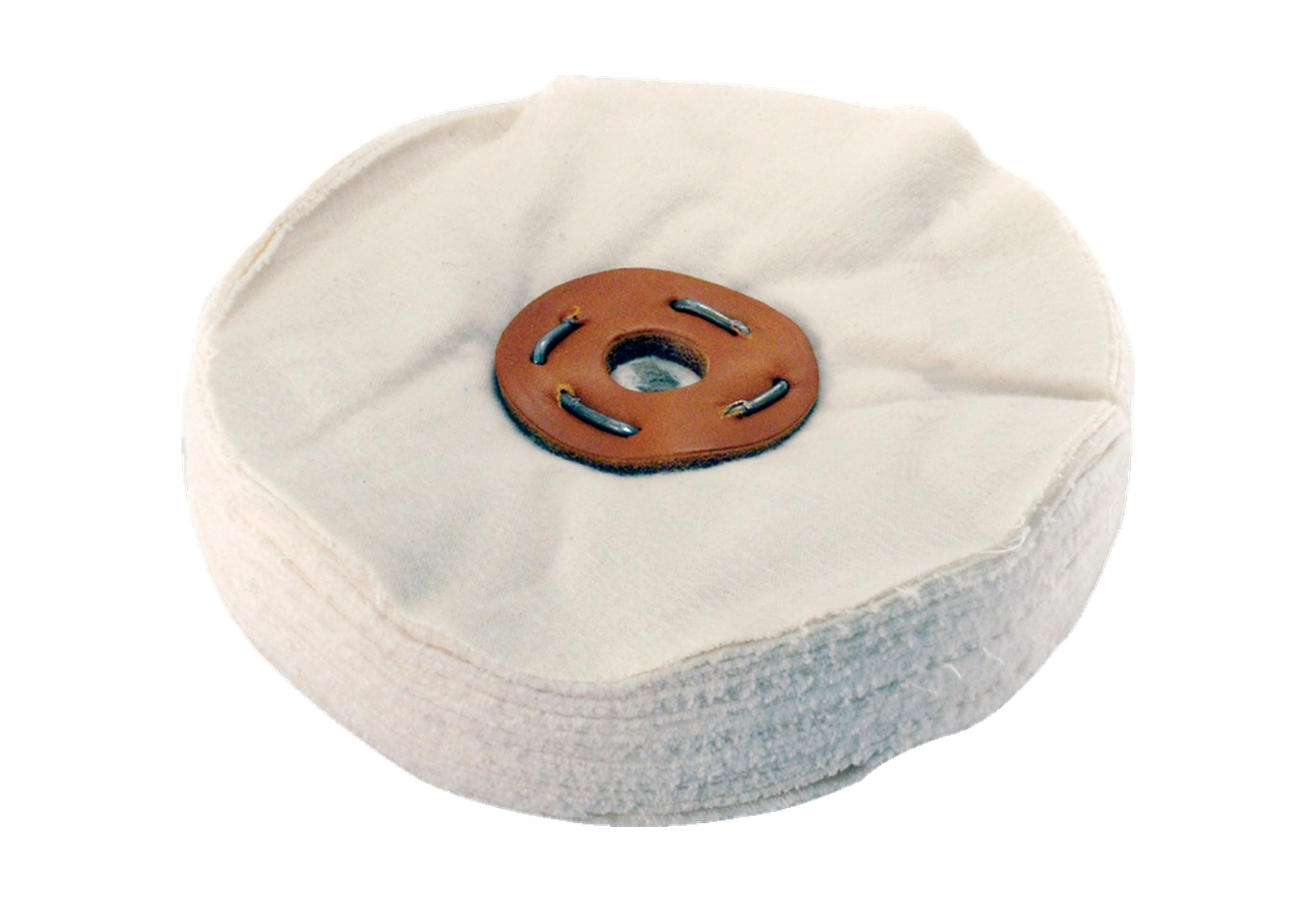
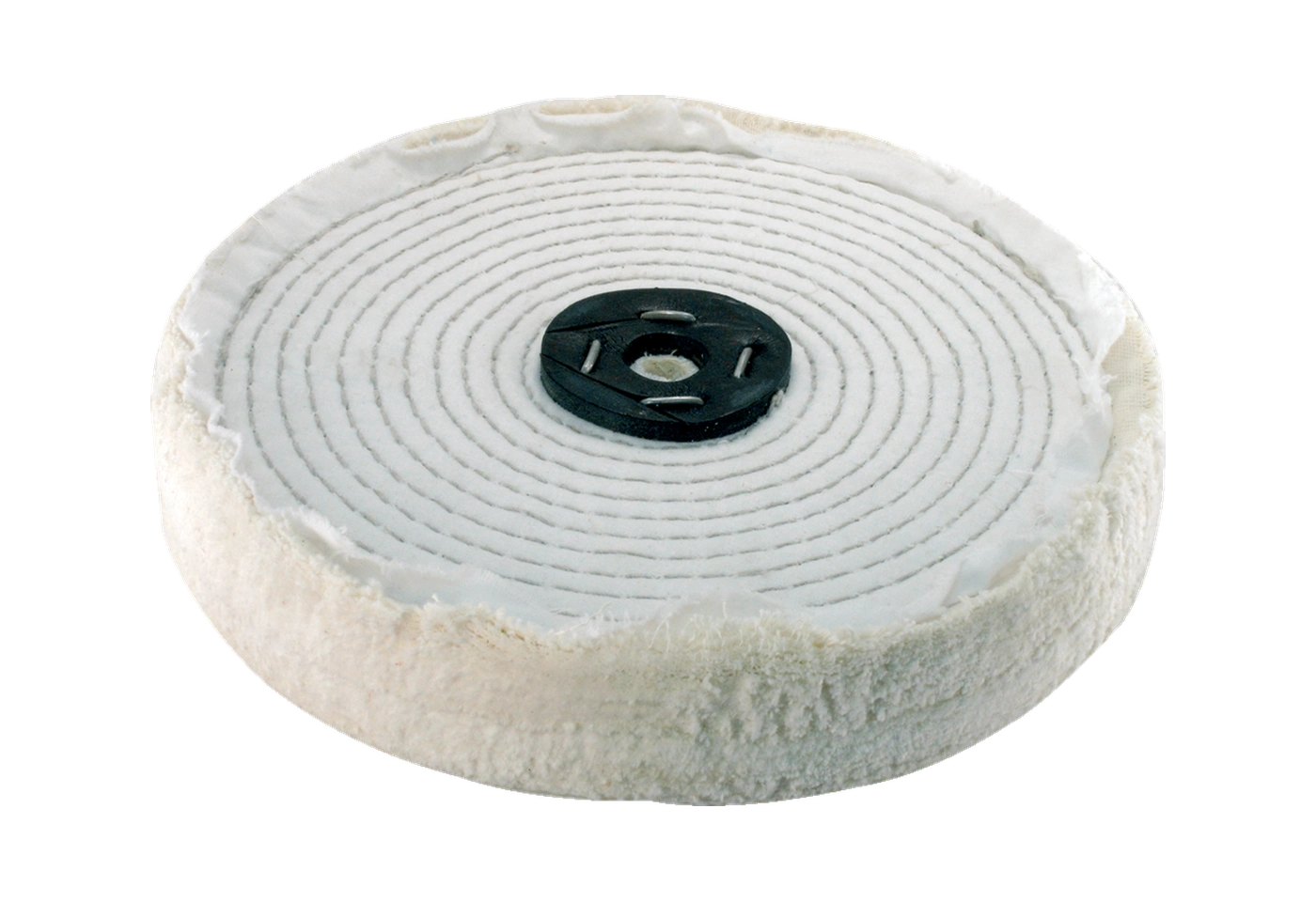
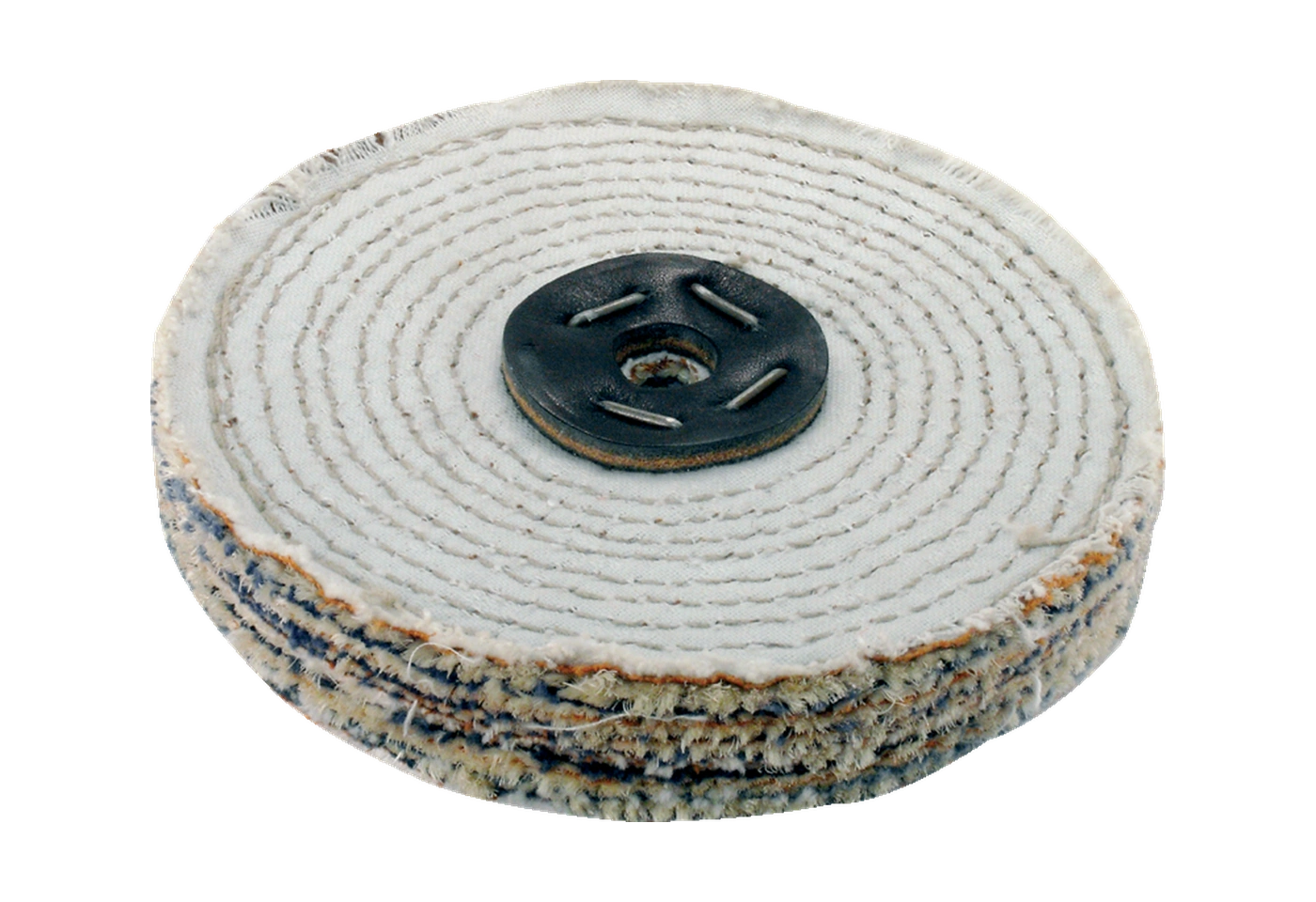
Wrong wheel for LUXI
Incorrect or contaminated wheel choice can cause heat, poor control and uneven gloss.
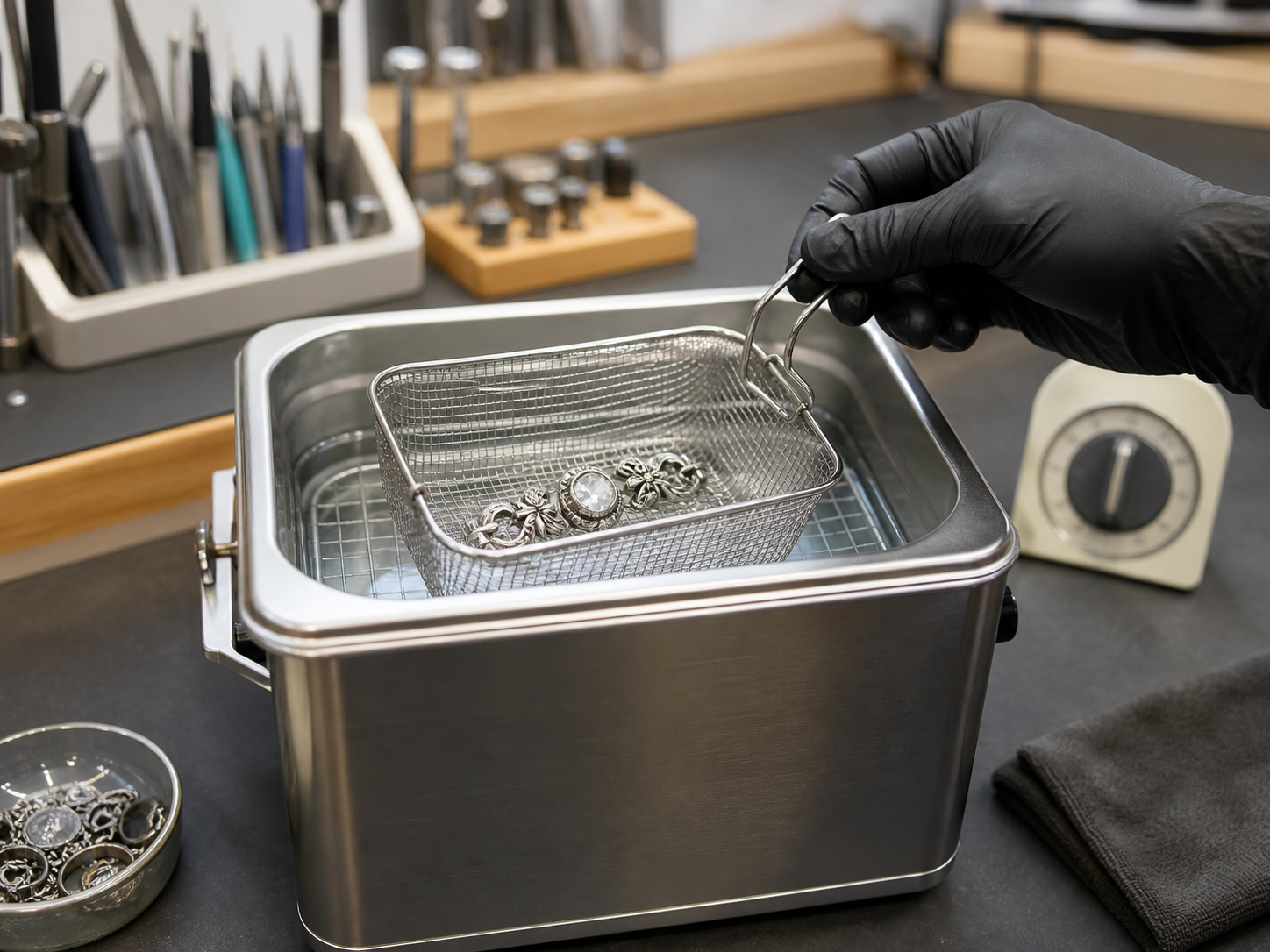
Ultrasonic cleaning too long
Excessive ultrasonic exposure can affect delicate, coated or fragile surfaces.
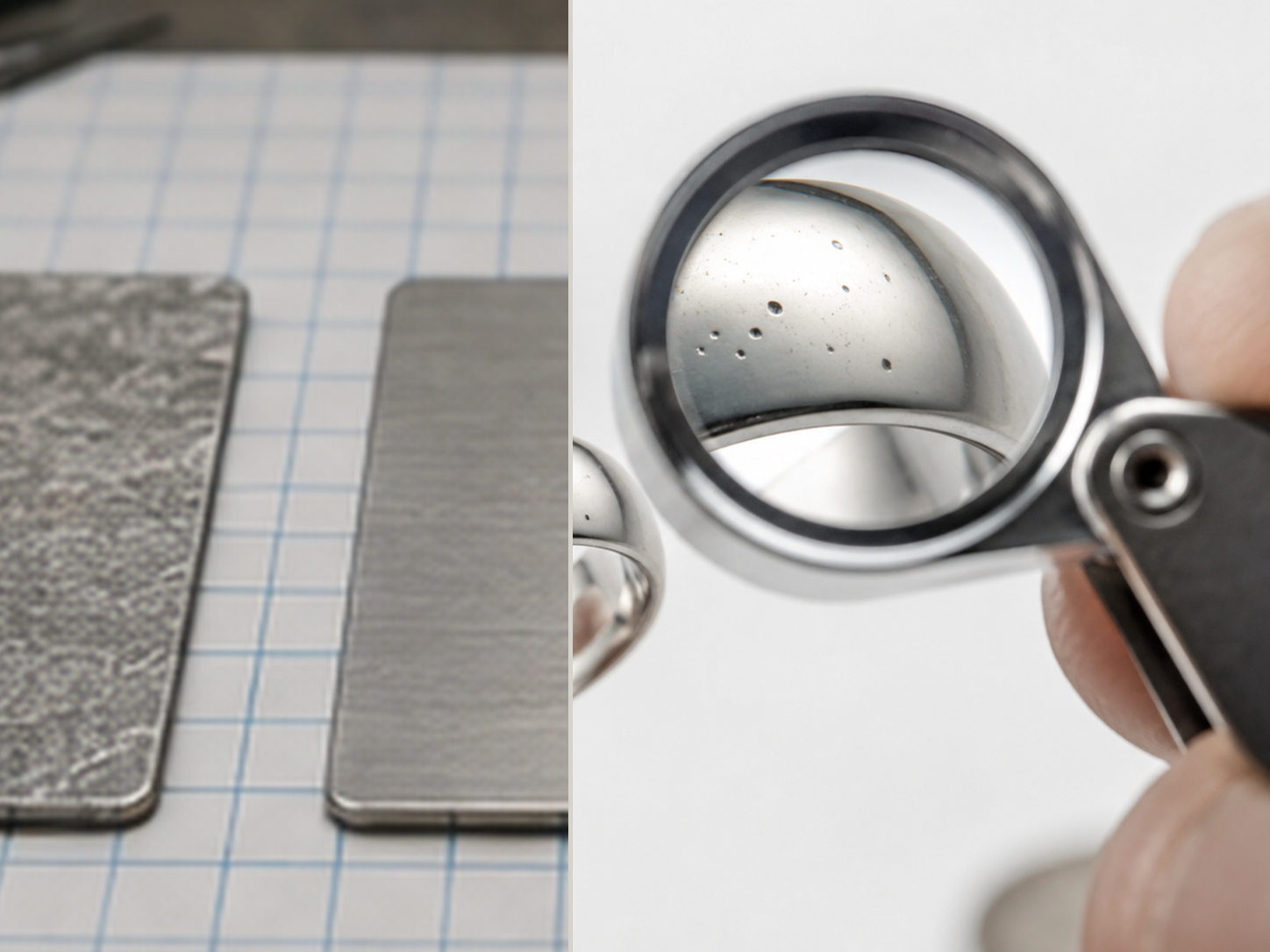
Grinding scratches hide true defects
Abrasive noise can mask pores, cavities and deep defects before polishing.
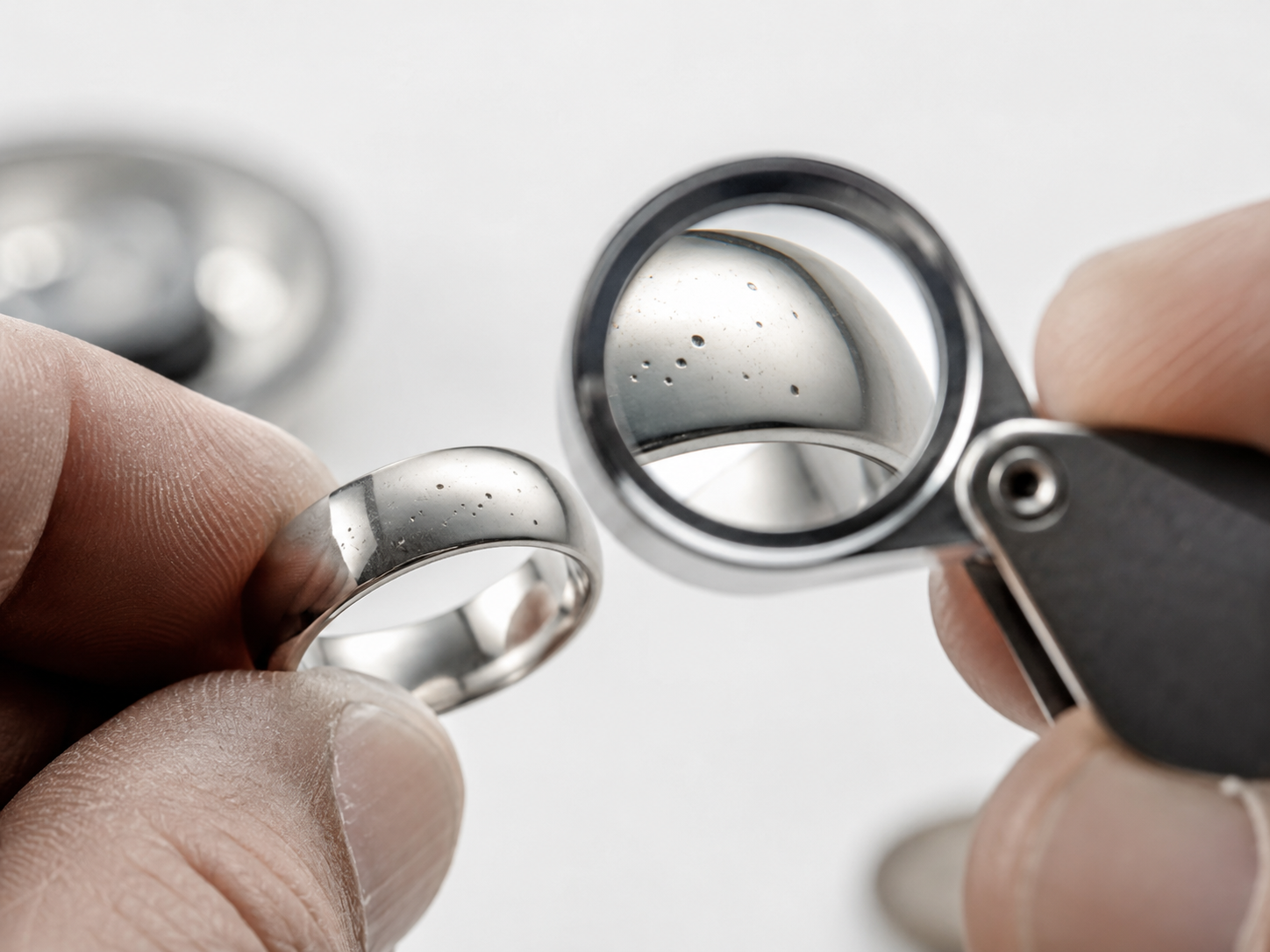
Defects remain after first-stage polishing
Remaining defects may be deeper than polishing can realistically close or soften.
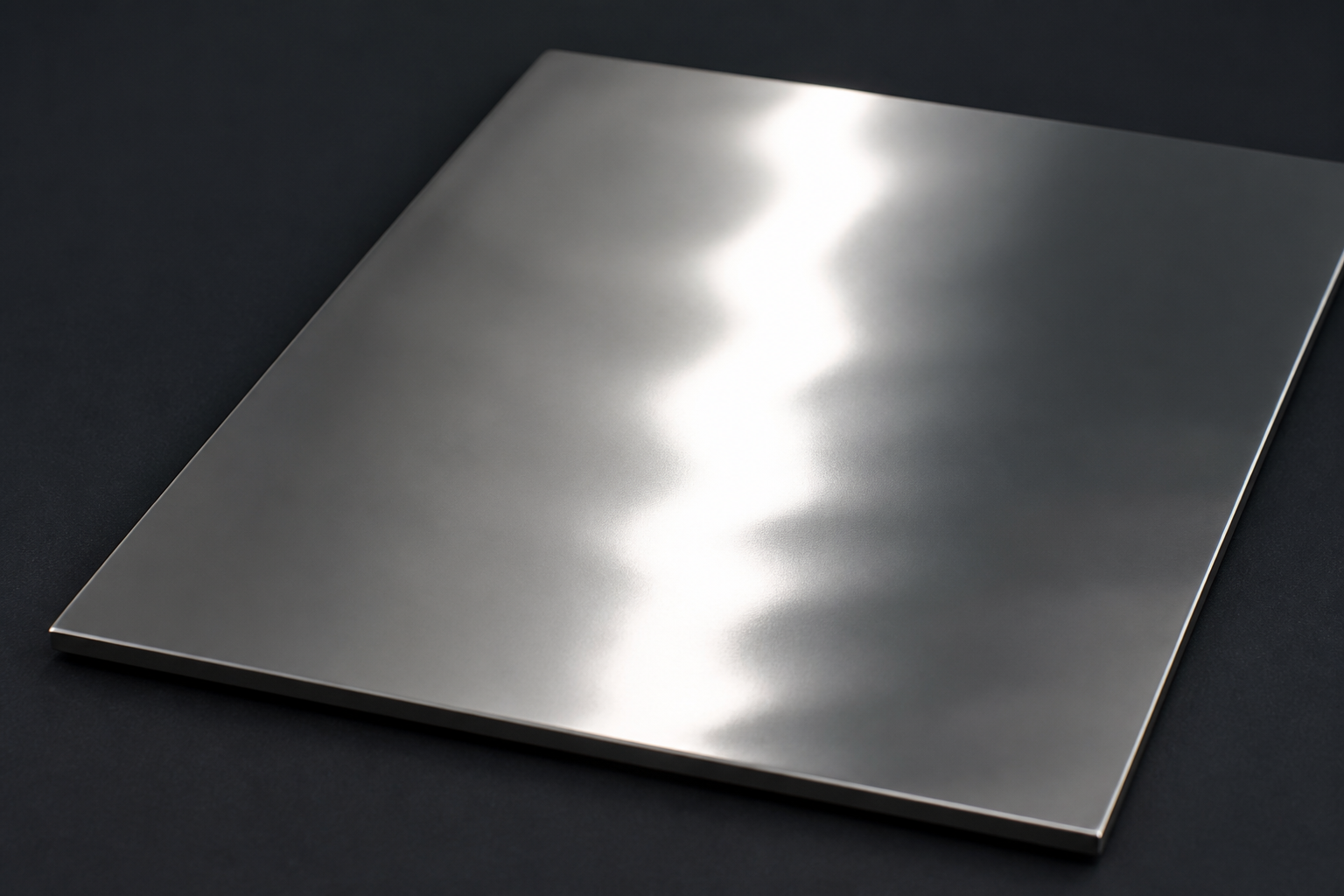
Surface bright but not optically smooth
The first-stage surface layer may need soft final smoothing with LUXI Super Fine White or LUXI Orange.
Too much compound on the wheel
Too much compound on the wheel reduces process control and can slow polishing rather than improve it.
Compound builds up in relief
Compound builds up in relief or recesses when the wheel is overloaded or contact is not controlled.
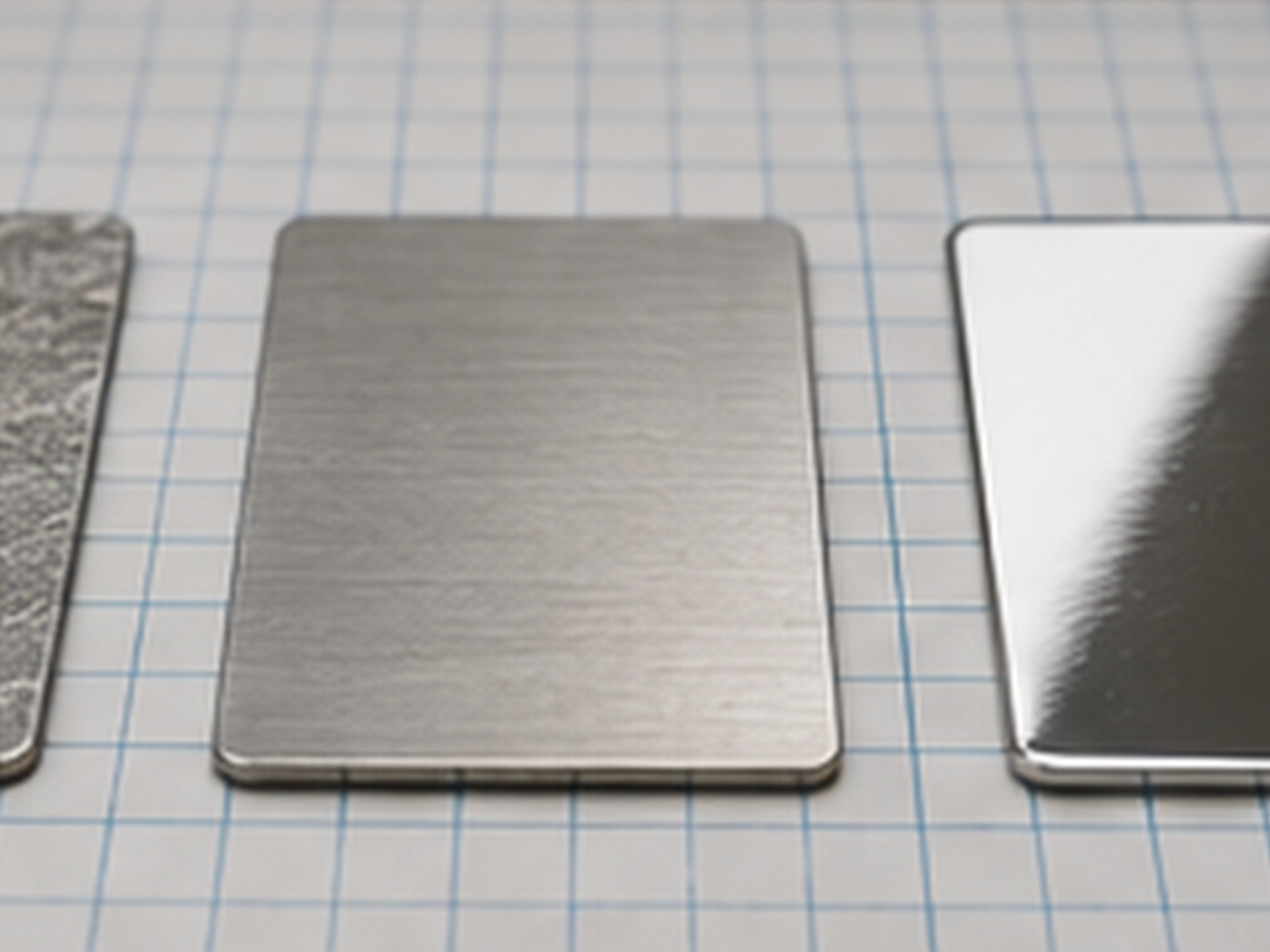
Dull surface after polishing
Surface remains dull after polishing when the wheel, compound load or previous stage is not under control.
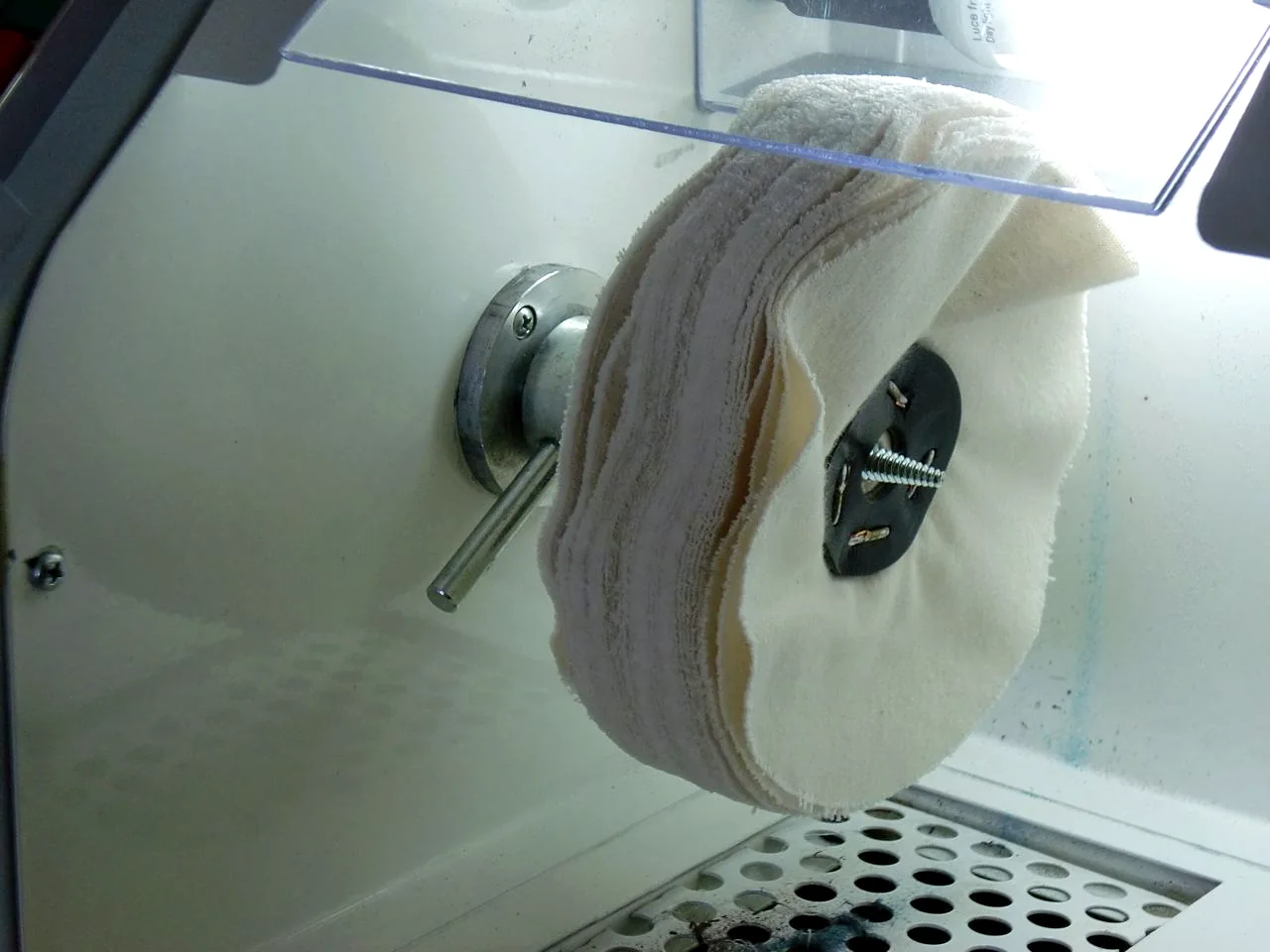
Wheel is too soft for the defect
Scratches do not disappear when the selected wheel is too soft for the required cut-down or first-stage work.
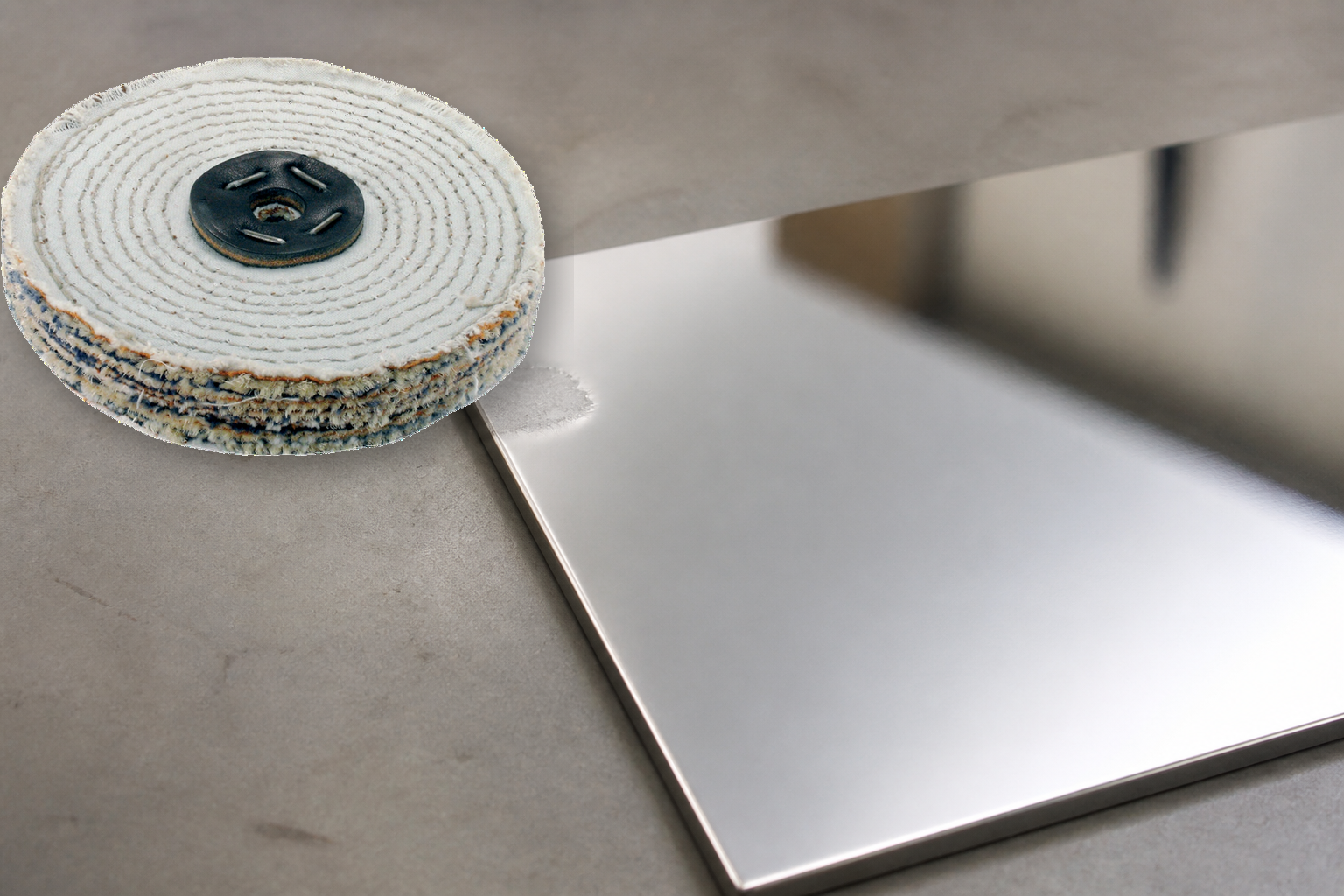
Sisal used too late or too aggressively
Surface becomes too rough or overcut when sisal is used as a late-stage or final polishing wheel.
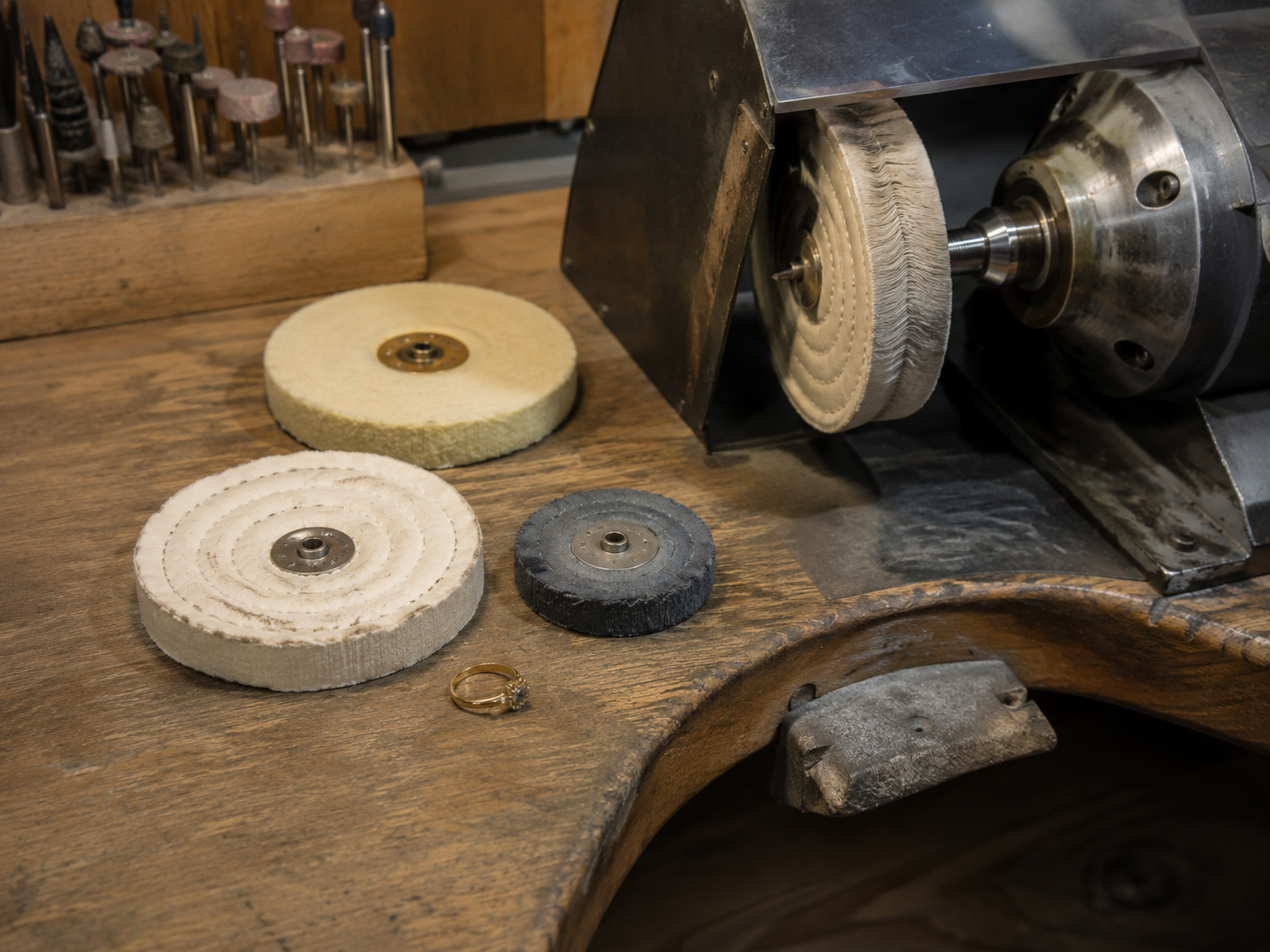
Setup is insufficient for meaningful process testing
Not enough compounds, suitable wheels or speed information are available to test a LUXI route reliably.
Only fixed rpm and limited wheels are available
When rpm and wheel choice cannot be changed, tune the route through compound aggressiveness and working technique.
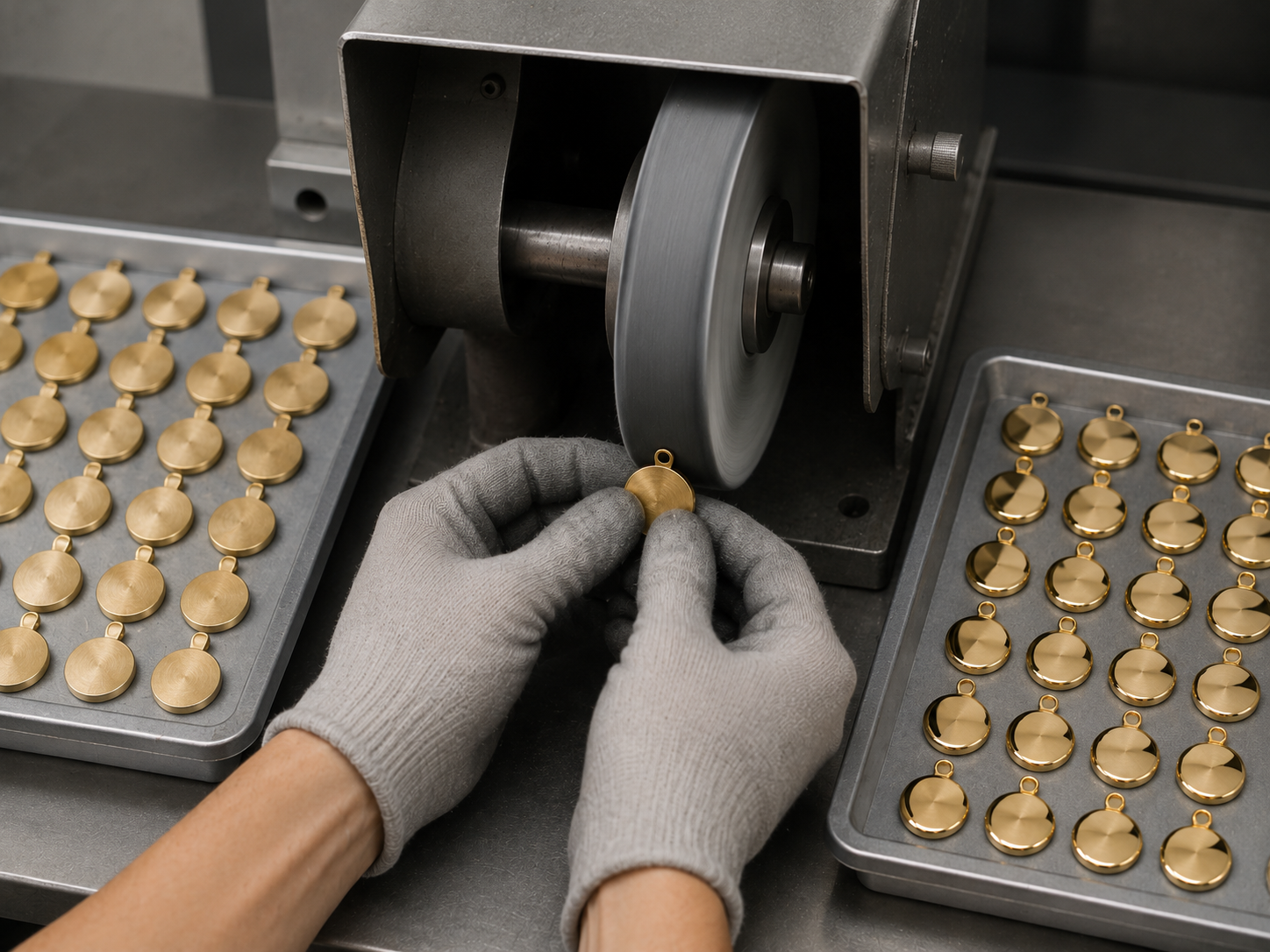
Scratches remain on flat surfaces
Large contact area can reduce pressure per unit area and make the base first-stage route too mild.
Flat surface stays dull after first-stage polishing
The first-stage route may be too mild for the contact area.
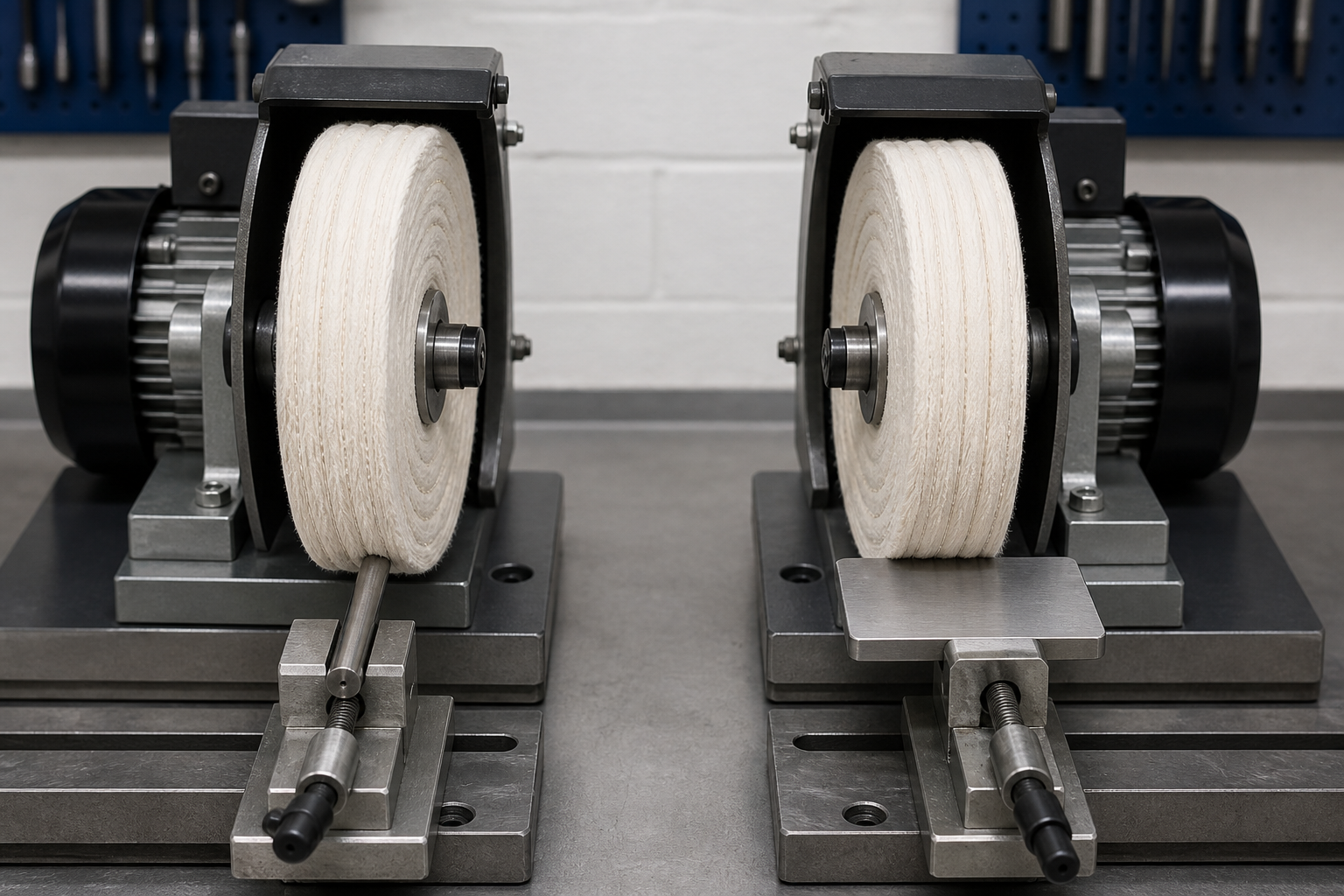
Increasing pressure does not improve the result
On large surfaces, extra hand pressure may increase heat without enough cutting efficiency.

Inside of ring remains dull
A small inside tool may create lower surface speed and lower temperature than the outside wheel route.
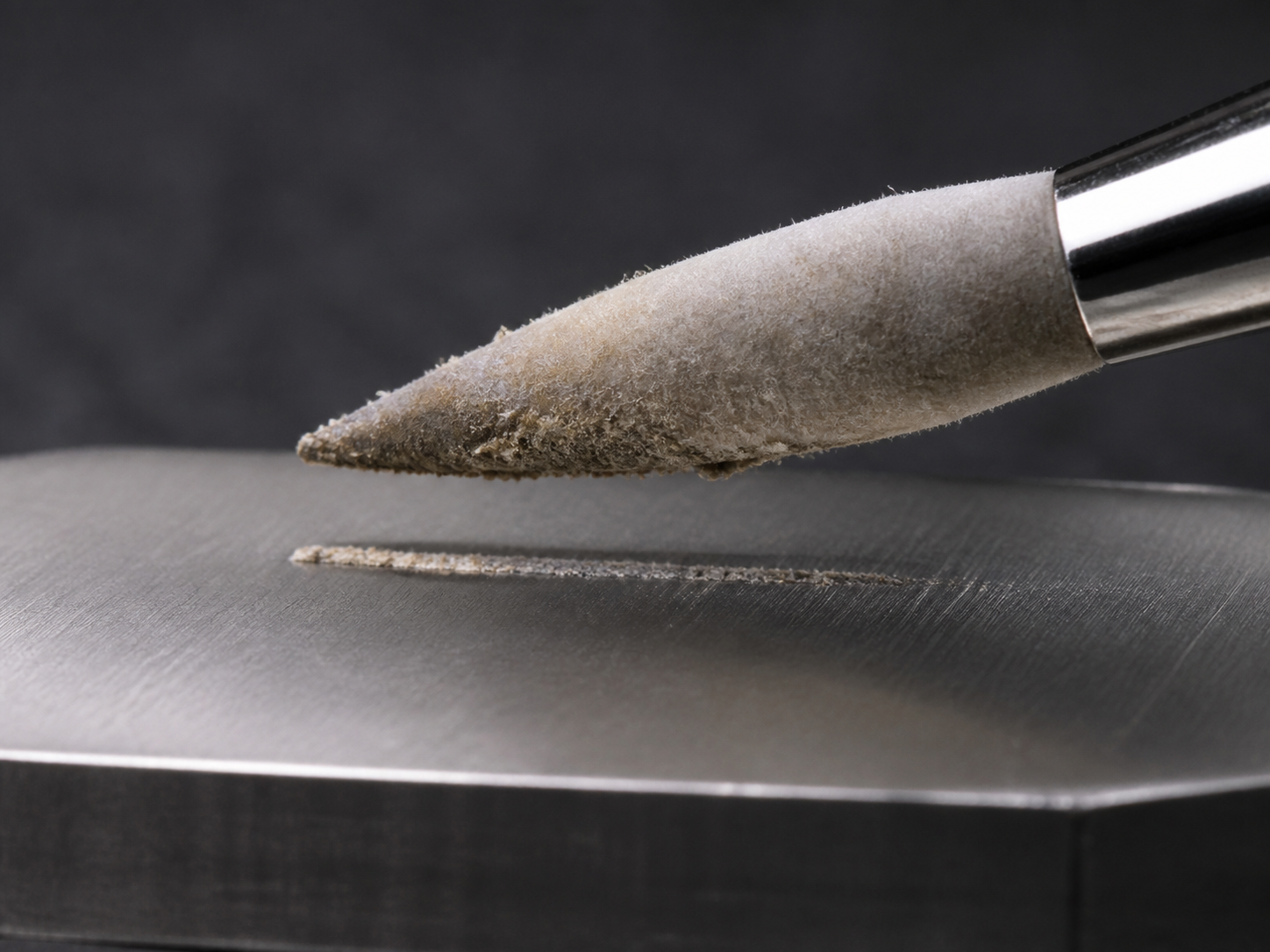
Compound feels dry on a small tool
Low surface speed and low temperature may prevent the compound binder from becoming mobile enough.
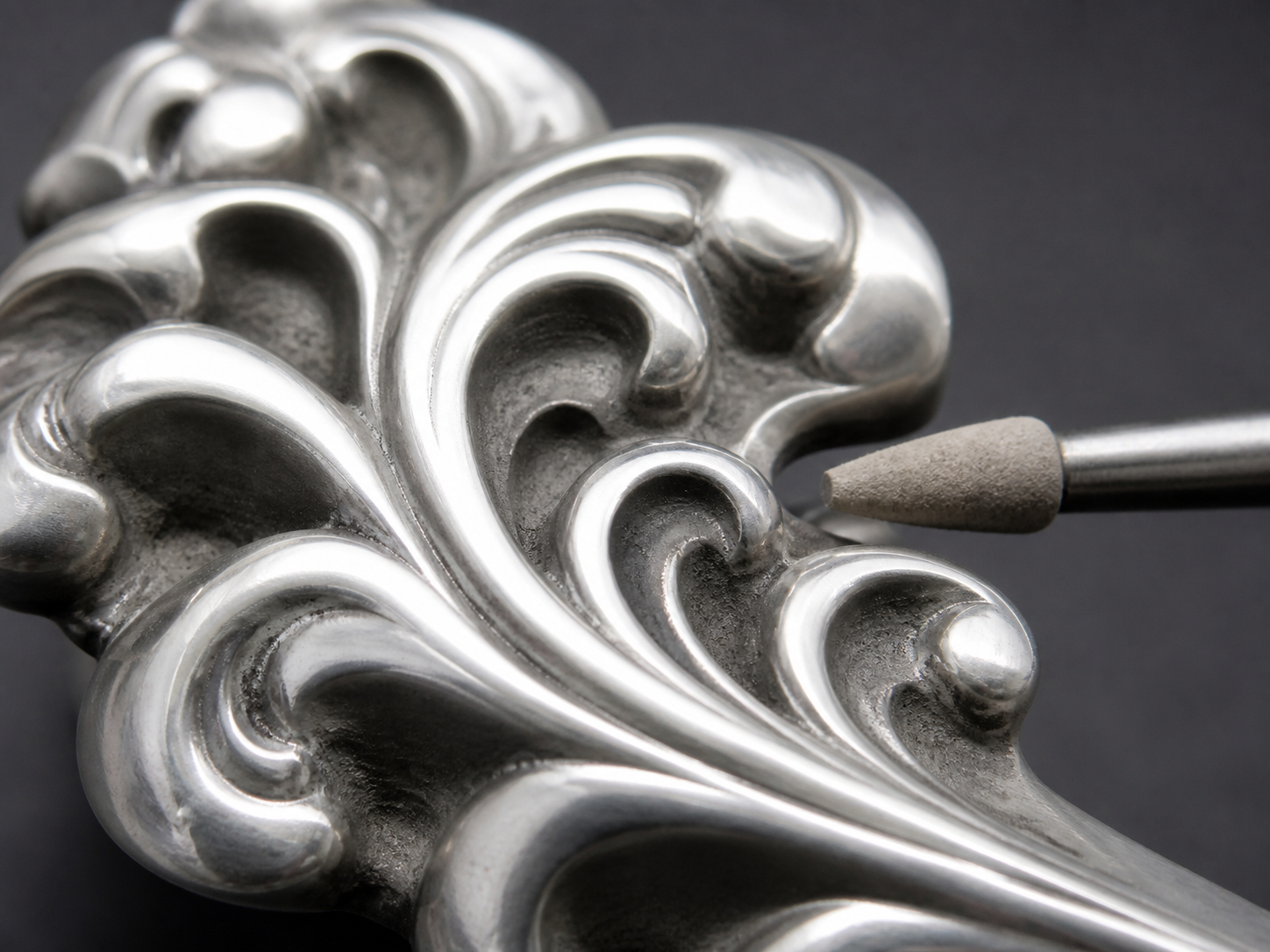
Relief remains dull after small-tool polishing
Small-tool contact can be cooler and weaker, so a standard polishing paste may not wet the carrier or transfer abrasive effectively.
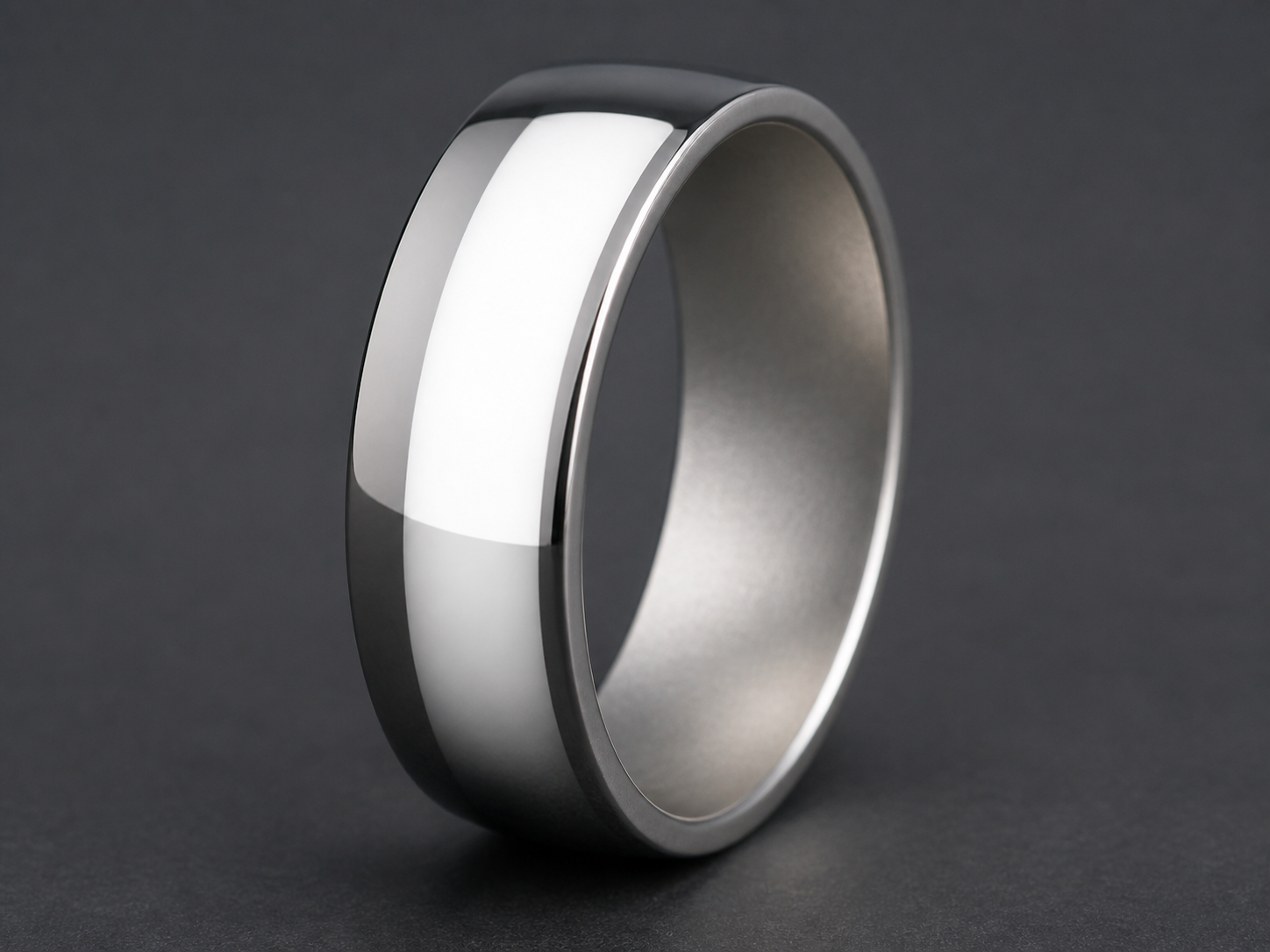
Outer surface shines, inner surface does not
Different tool diameter and surface speed can create different working temperatures on the same item.
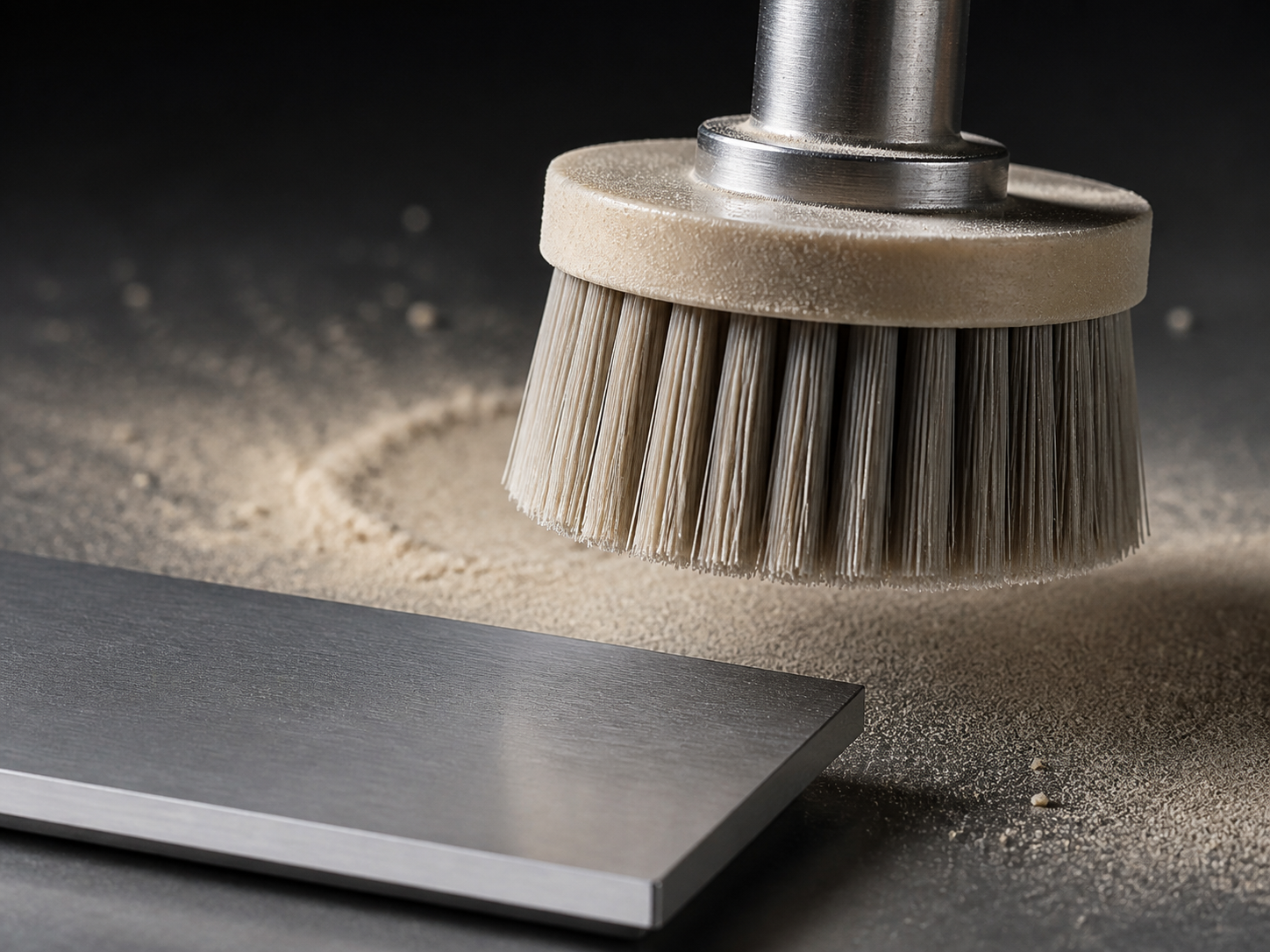
Brush does not hold compound
The brush reaches the recess but does not carry enough active compound into the contact zone.
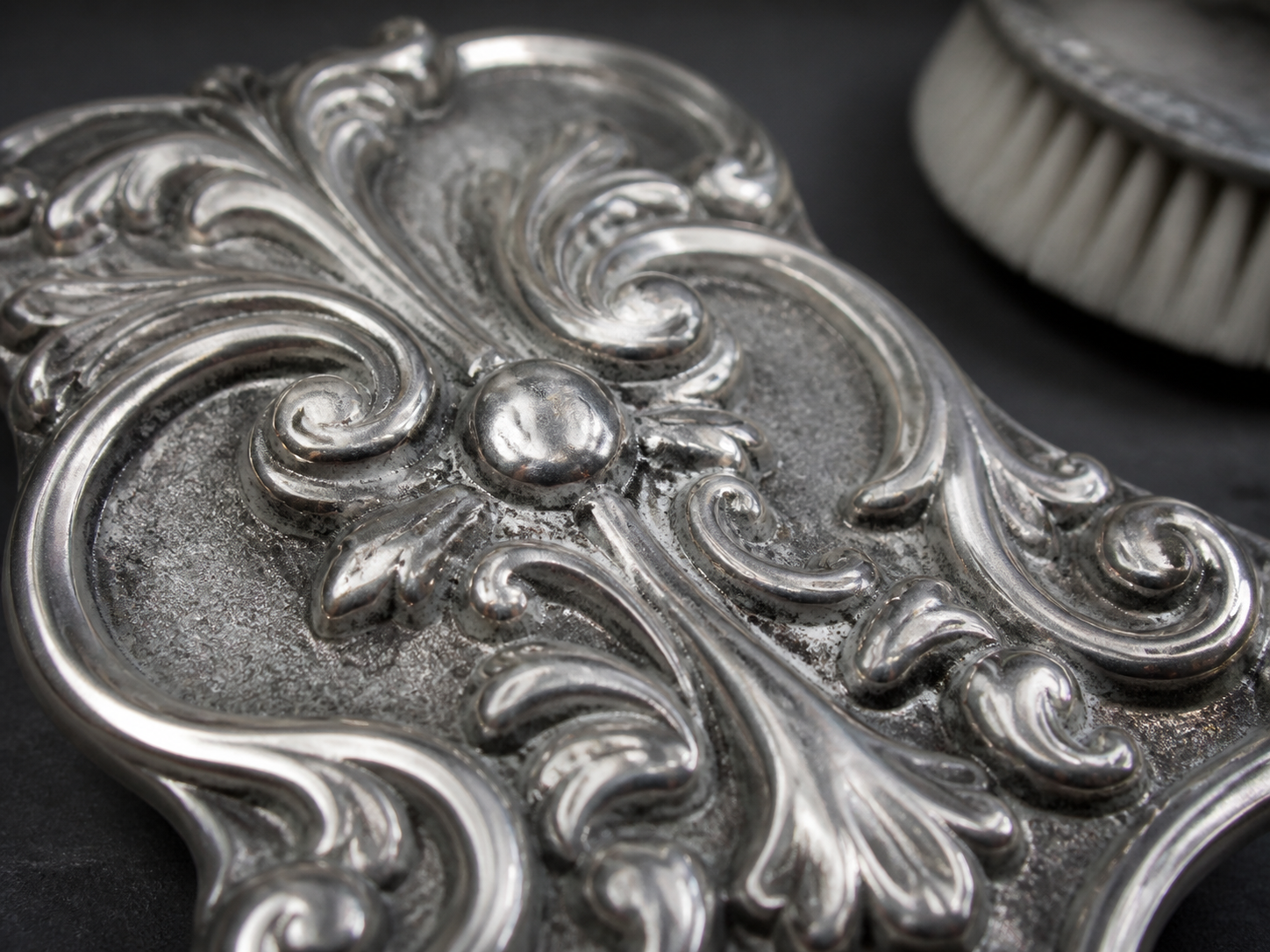
Relief remains dull after brush polishing
The brush reaches the area, but the contact remains too cool, weak or overloaded to create brightness.
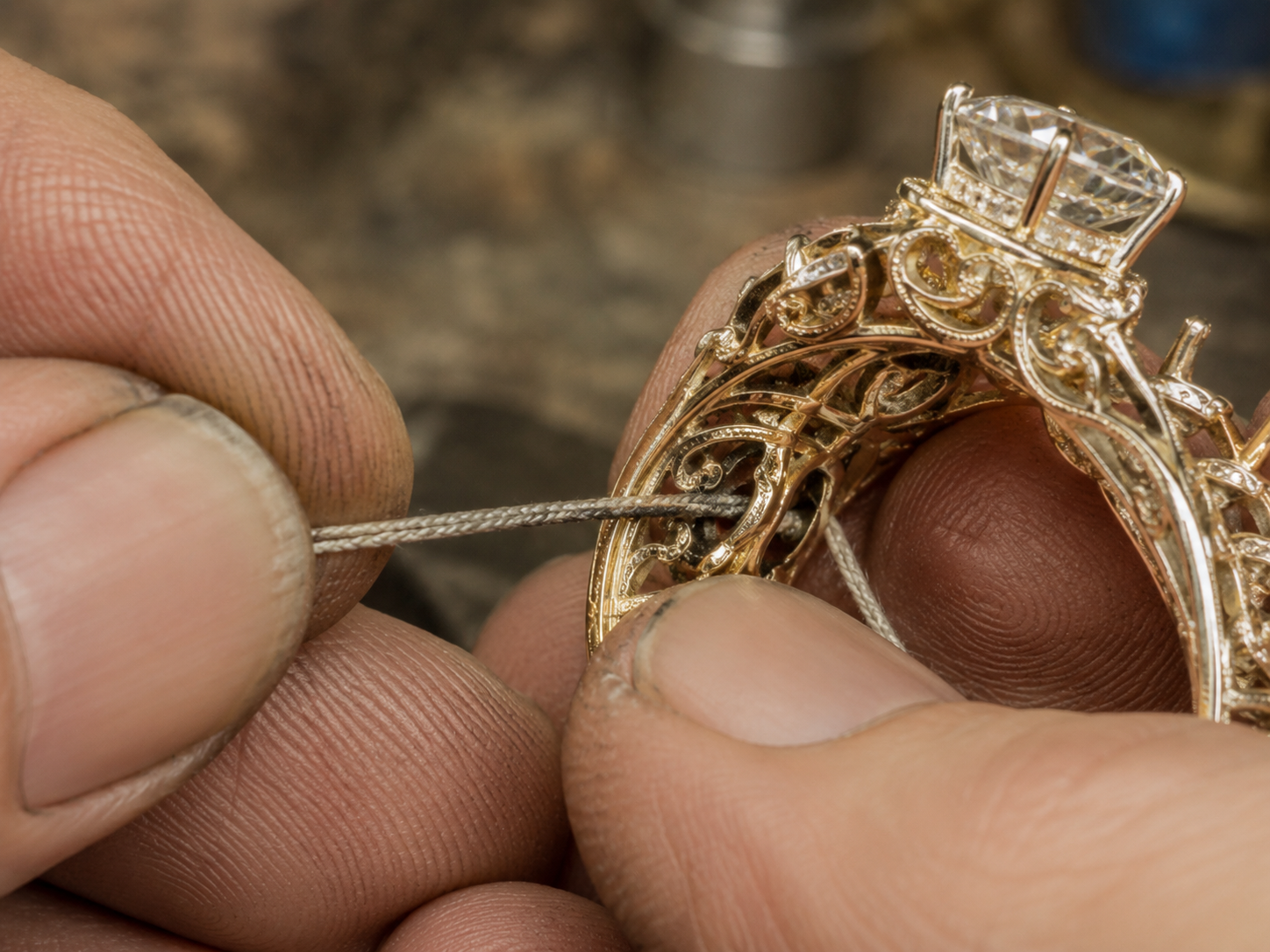
Thread polishing is too slow
Cotton thread or cord gives access, but progress is slow because the contact is very cool and lightly loaded.
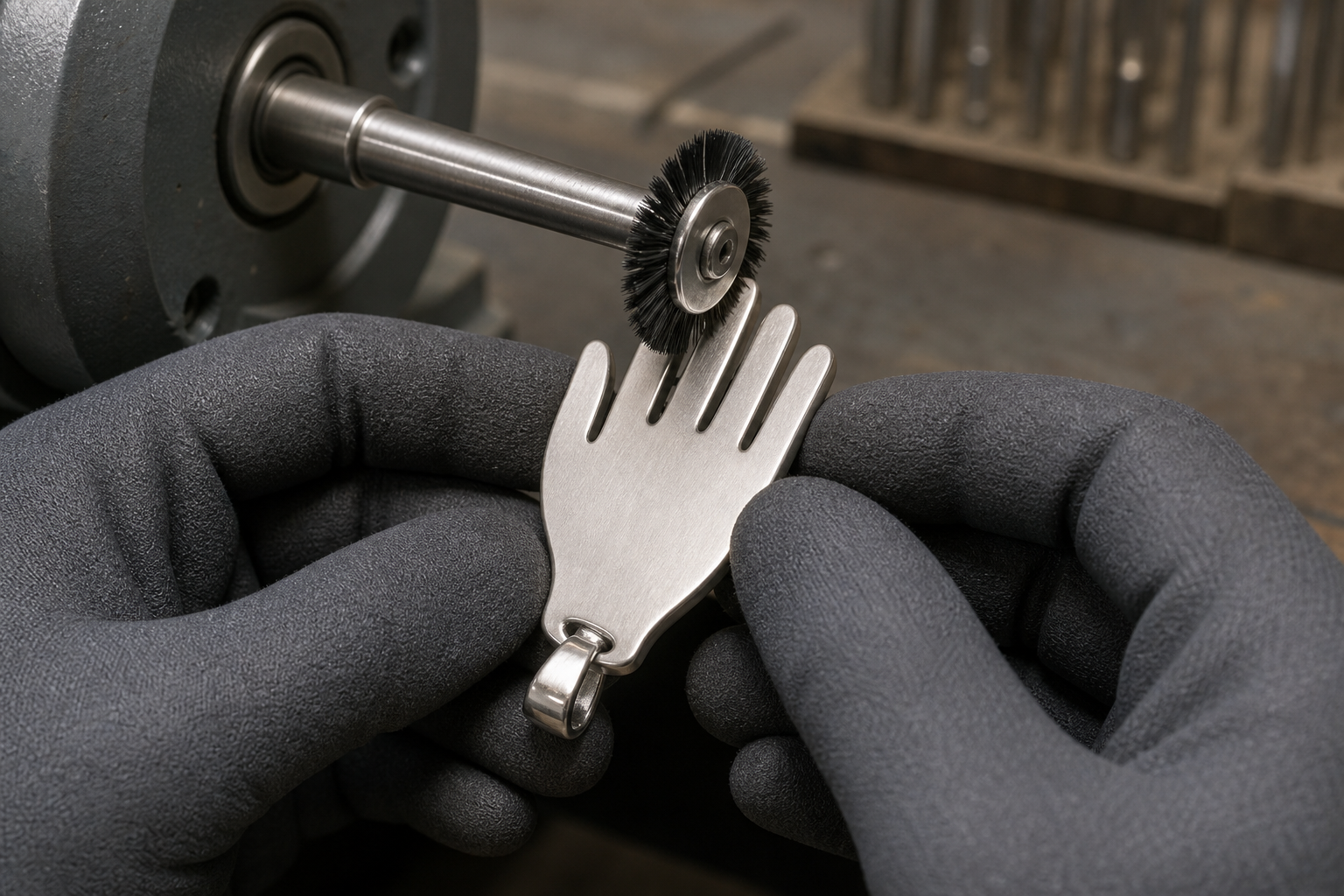
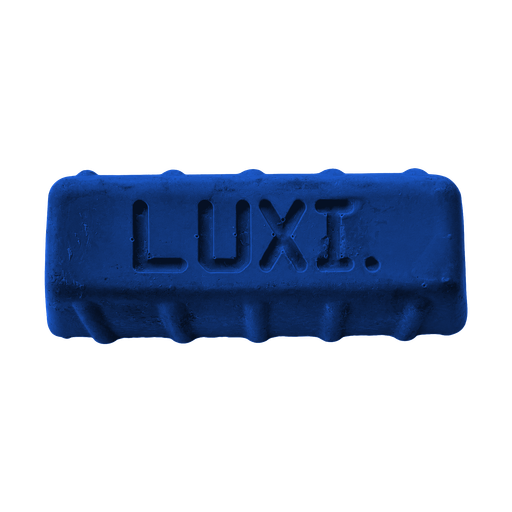
Pores remain in recesses
A recessed area remains porous or rough after normal brush polishing and may need local aggressive smoothing.
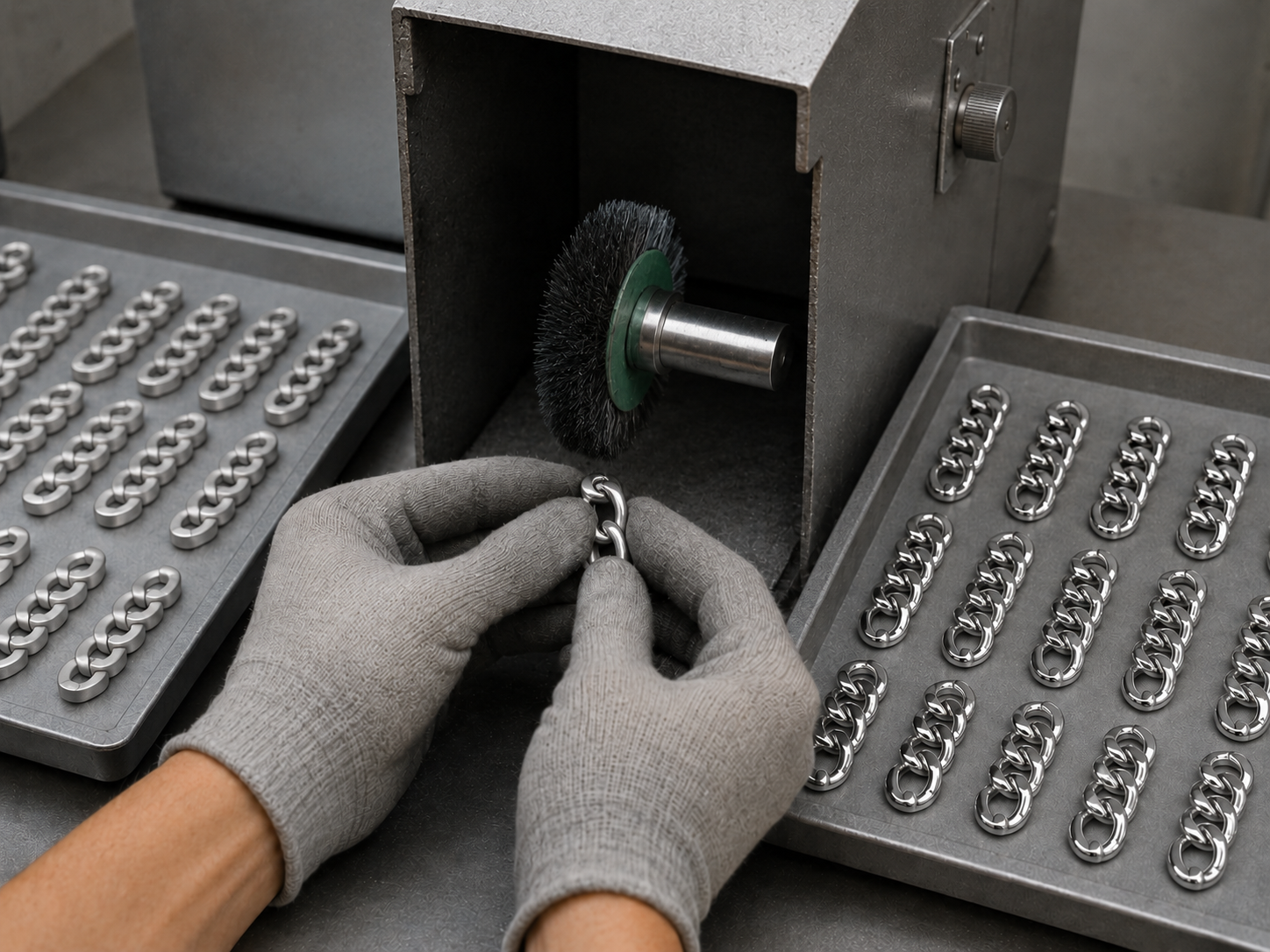
Recesses are still dull before plating
Dull recessed areas should be checked before plating, PVD or decorative coating because later correction may be risky.
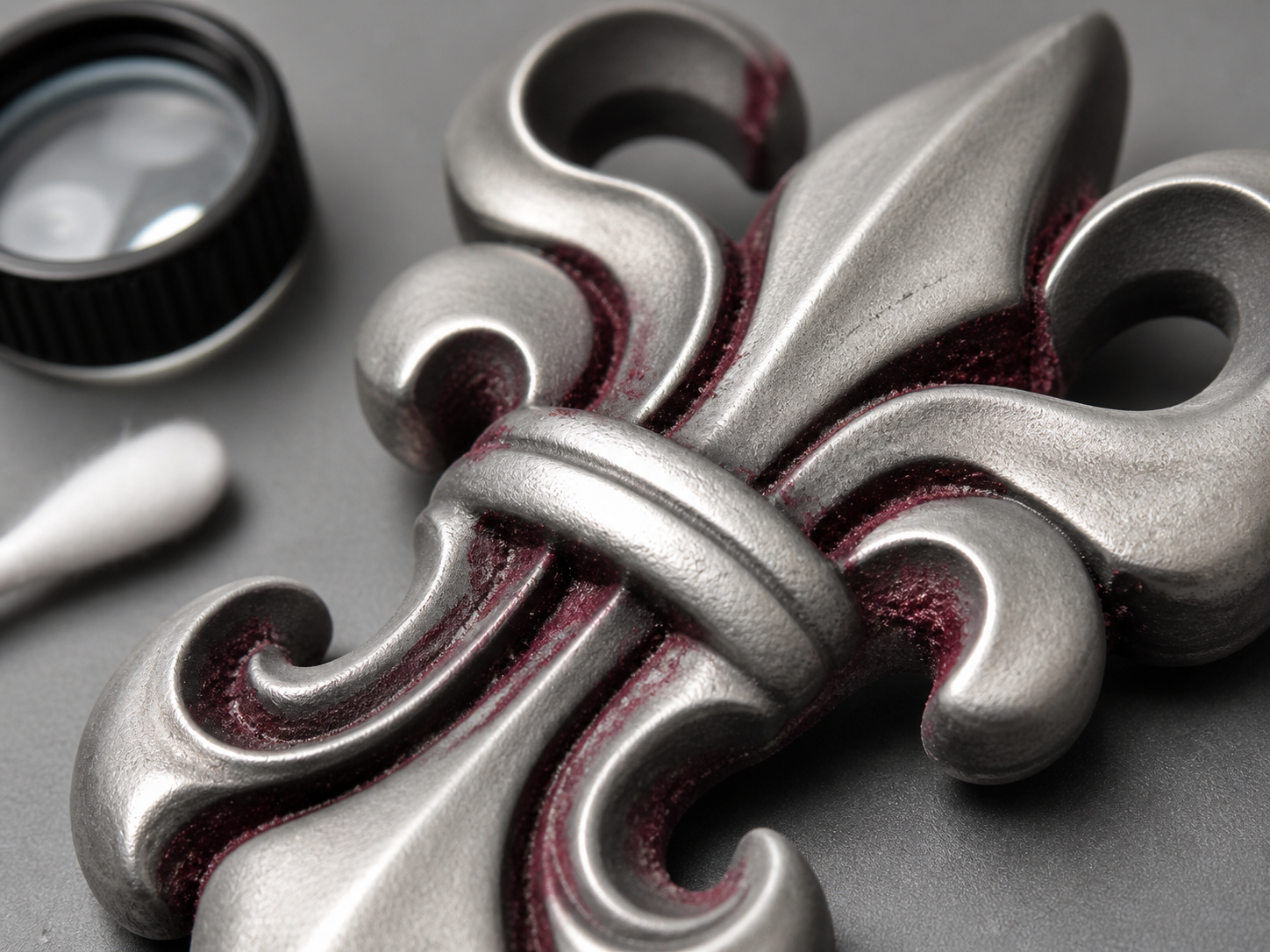
Contamination after red rouge polishing remains in recesses
After polishing with a traditional red rouge paste, dark hard-to-remove contamination may remain in recesses, pores, or between fine details.
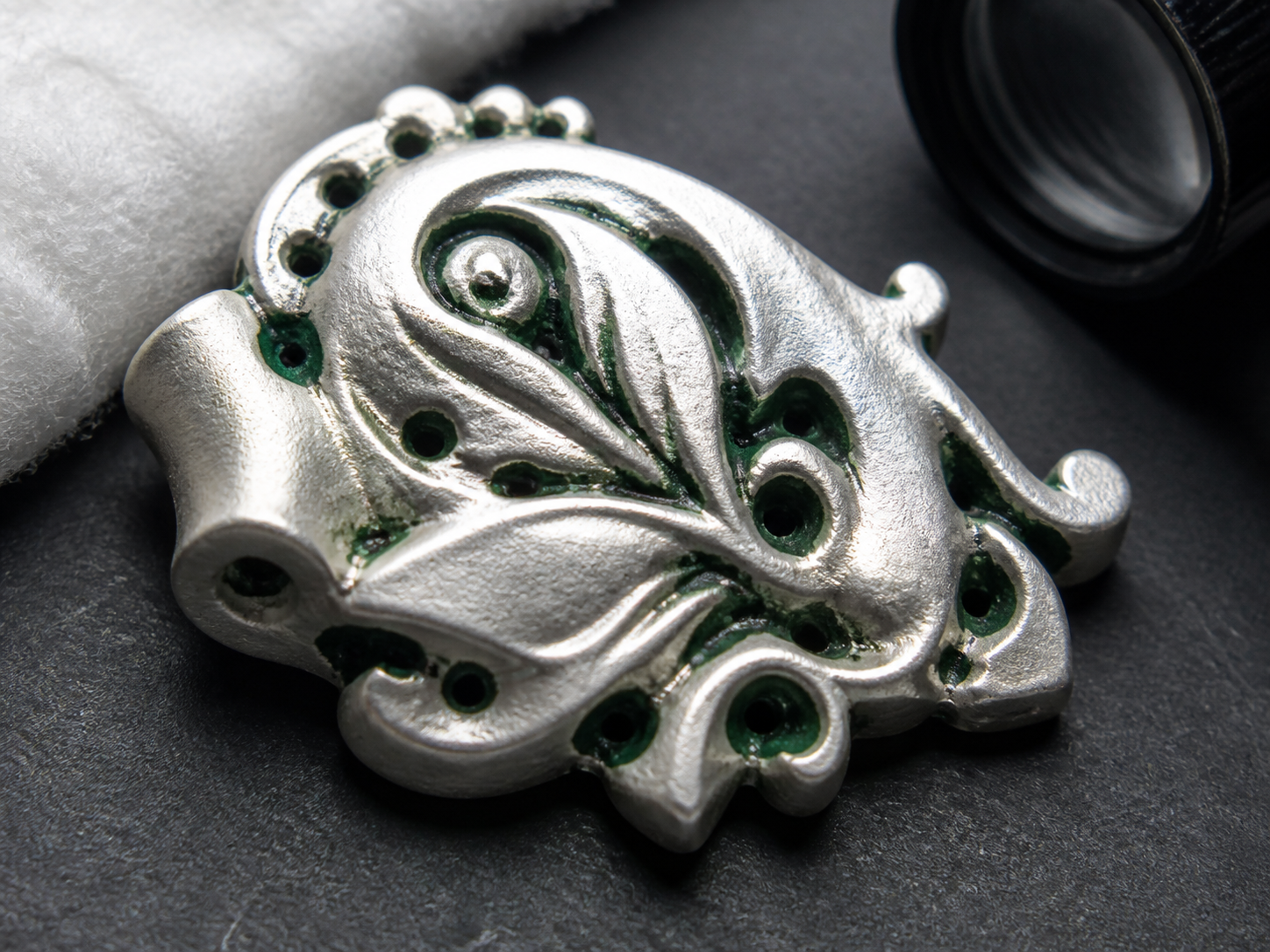
Contamination after green chromium-oxide polishing remains in recesses
After polishing with a traditional green chromium-oxide paste, dark hard-to-remove contamination may remain in recesses, pores, threads, or textured surfaces.
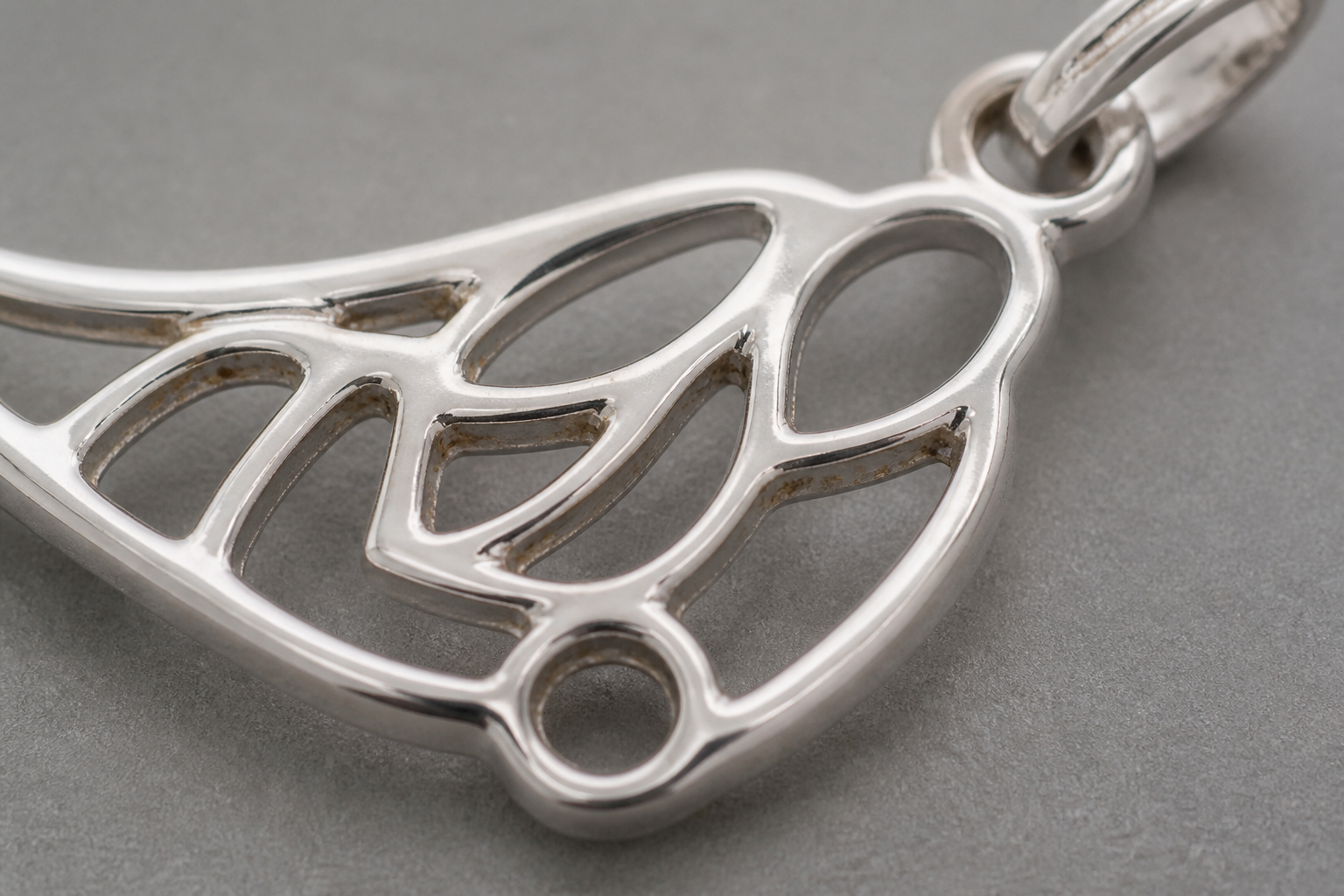
Brown spots after polishing or plating
Brown spots or local discoloration appear after polishing, cleaning, plating or later production steps.
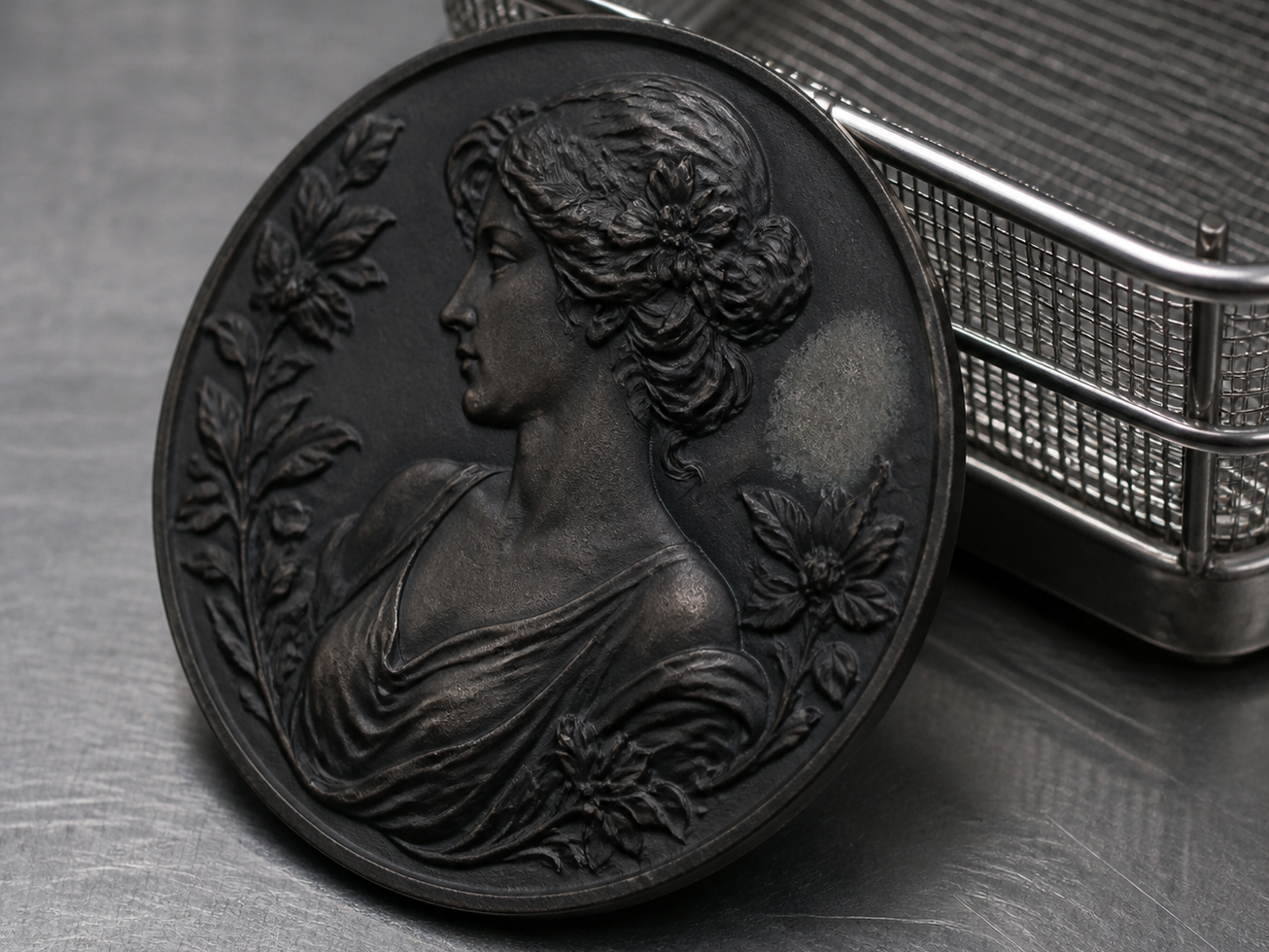
Aggressive ultrasonic cleaning damages the surface
A surface, coating or delicate detail changes because cleaning was used too aggressively.
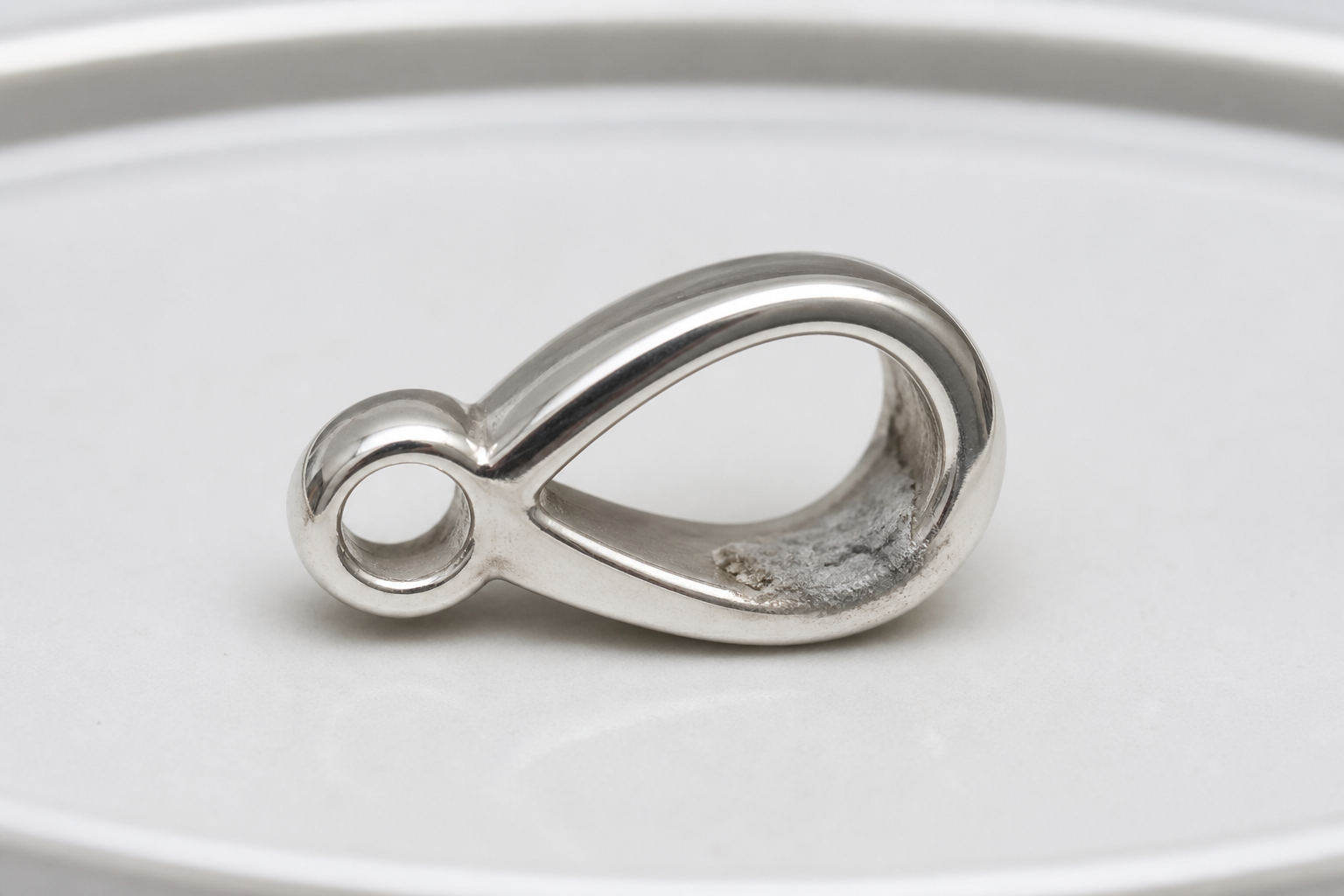
Compound residue before coating
Polishing residue remains before plating, PVD, lacquer or decorative coating.
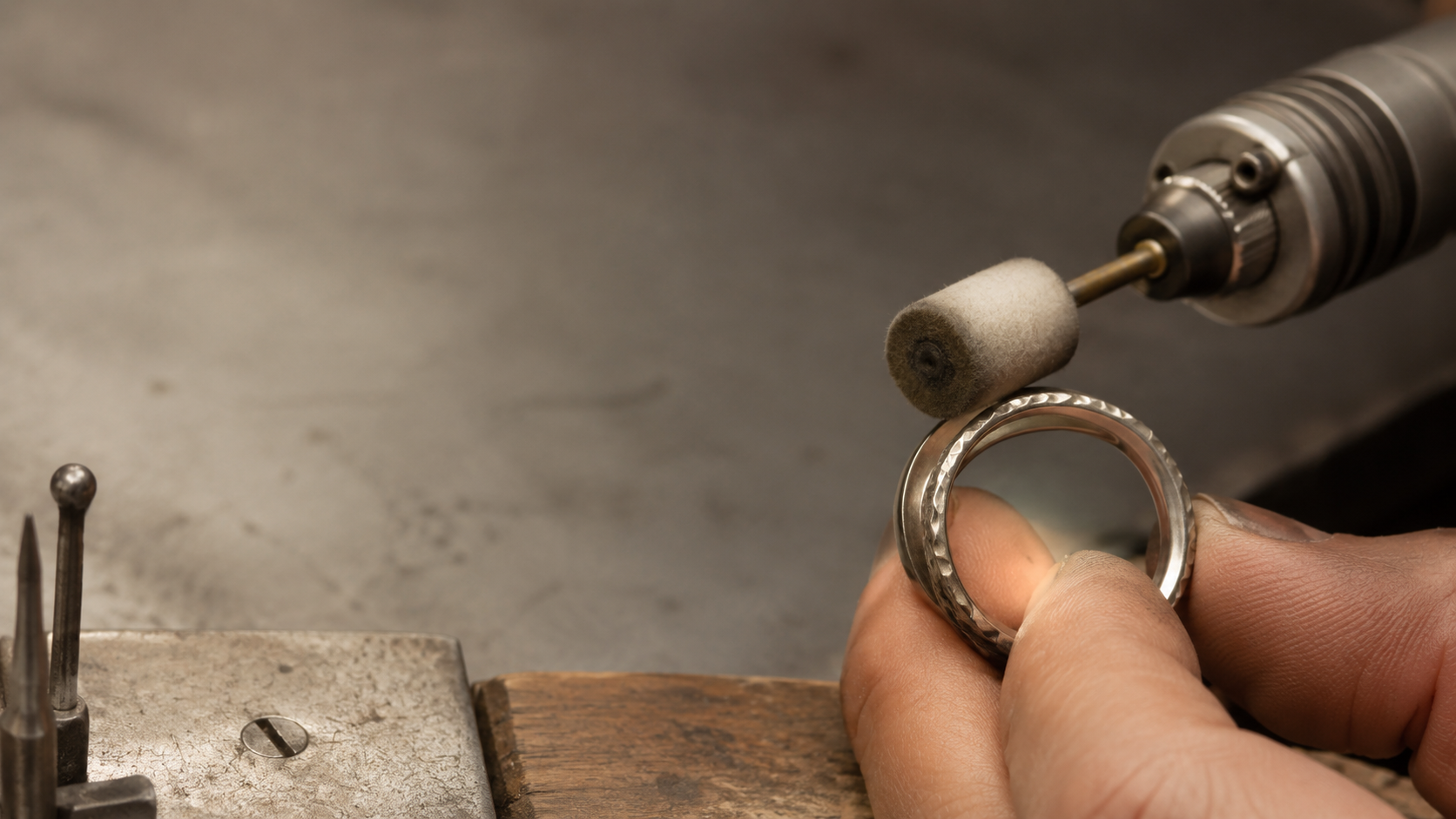
LUXI Green is too mild on a small tool
If LUXI Green acts too slowly on a small tool, check preparation, carrier and contact before changing the process; the separate LUXI Purple routes are carrier-dependent, not a stronger next stage.
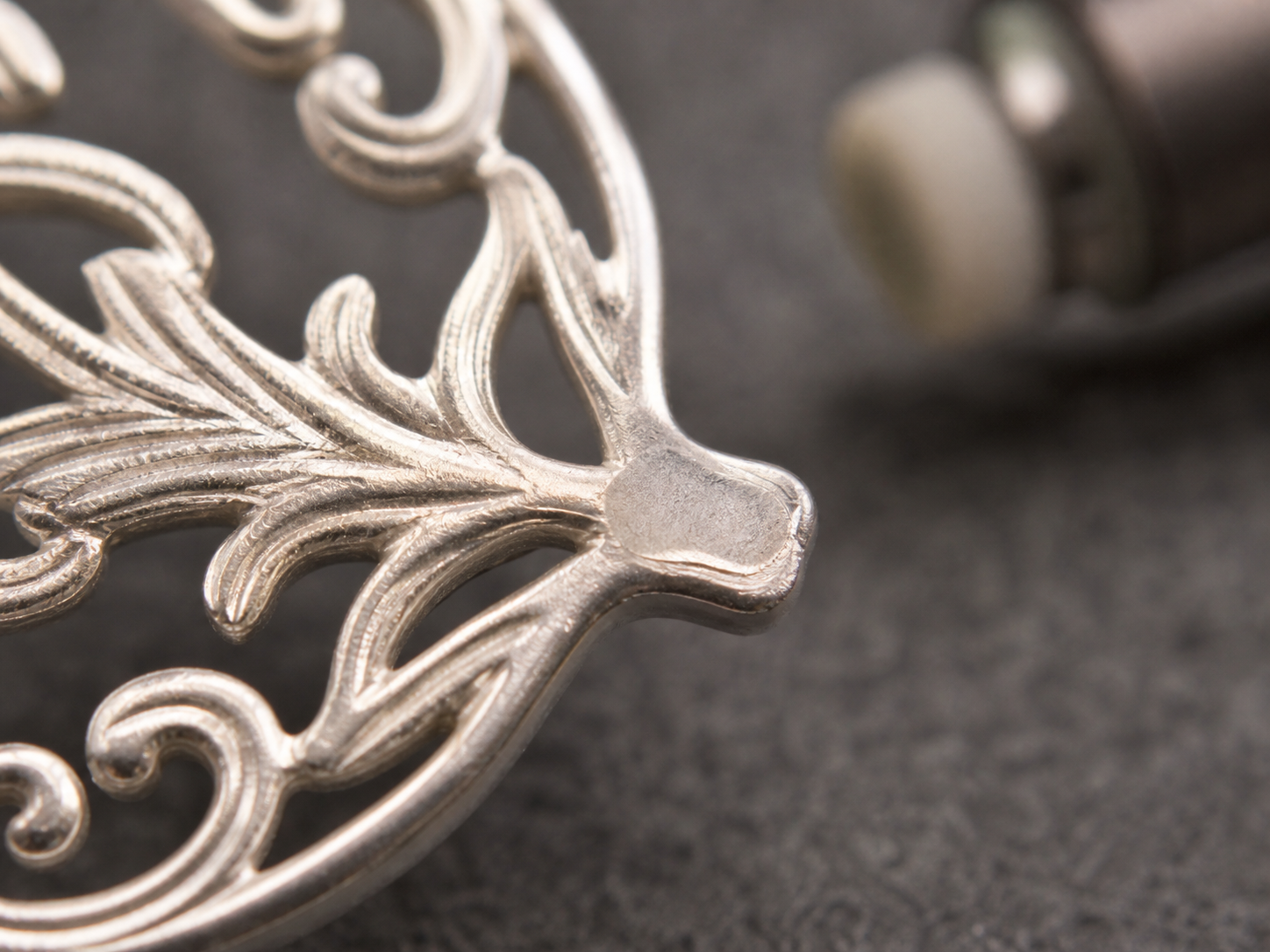
LUXI Purple is too aggressive for a delicate surface
Excessive action during LUXI Purple brush or thread work requires checking carrier, contact and surface suitability, not treating LUXI Green and LUXI Purple as interchangeable weaker and stronger stages.
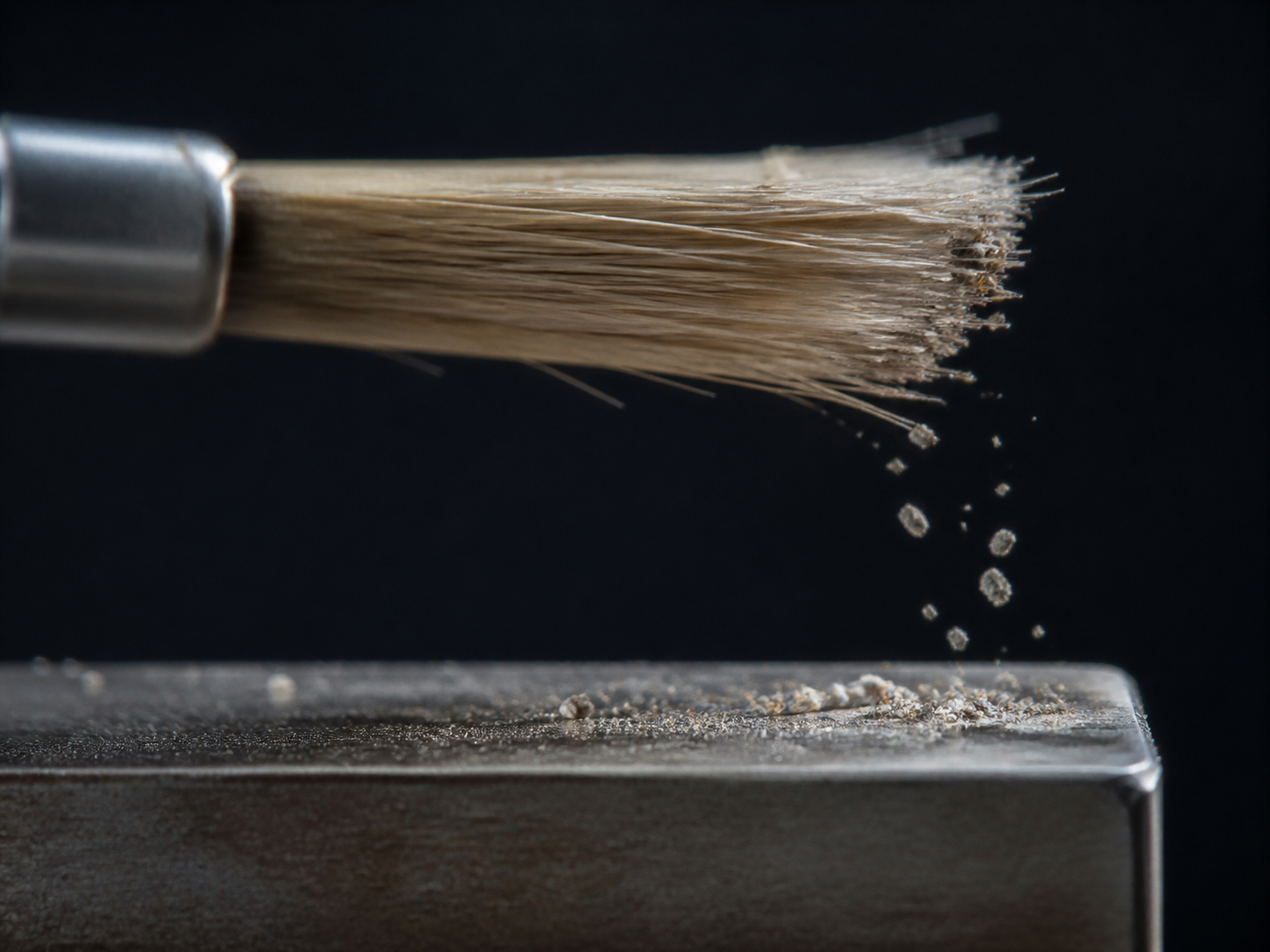
Compound falls off the brush
The compound does not stay on bristles or fibres long enough to polish effectively.
Small tools do not generate enough working heat
Small diameter and low surface speed can reduce heat generation and compound mobility.
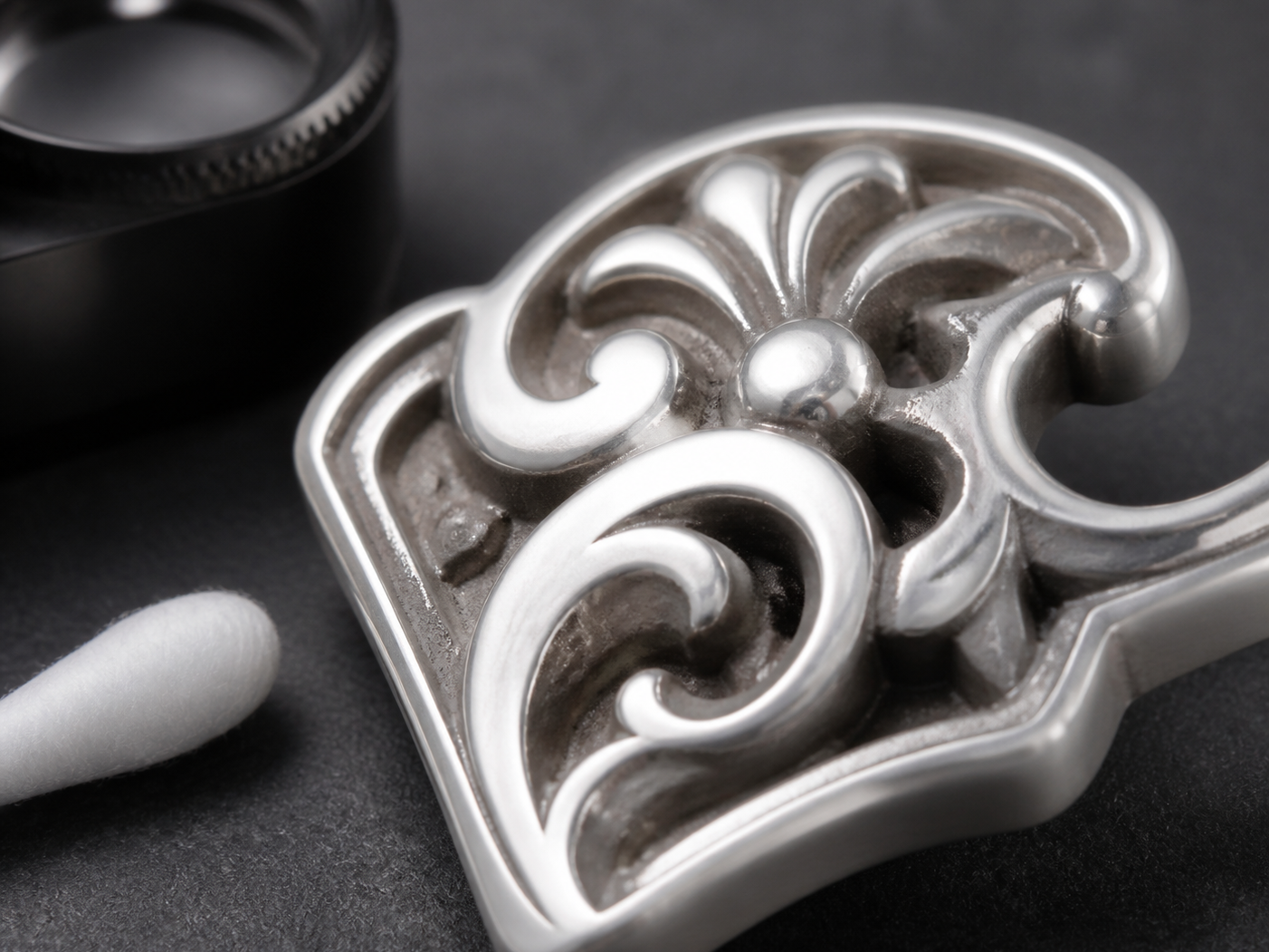
Residue remains after LUXI Purple in recesses
LUXI Purple can remain in complex geometry if overapplied because it has higher useful adhesion.
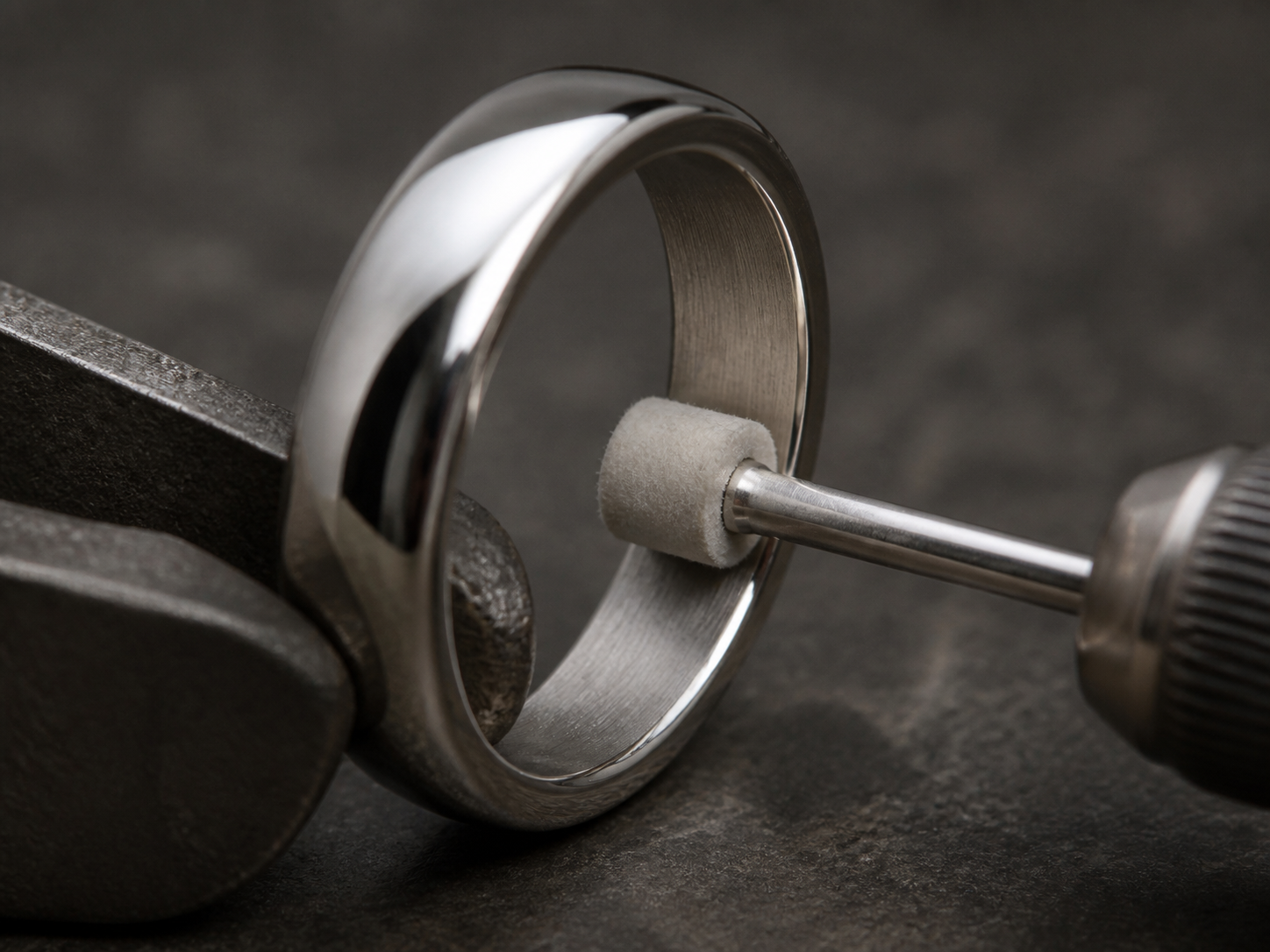
Inside of ring does not shine with standard polishing paste
Small felt or cotton tools may have lower surface speed, softer contact and lower working temperature than a 6 inch wheel.
Small felt tools may not generate enough heat for standard polishing paste
An 8 mm felt tool at 15000 rpm has much lower surface speed than a 6 inch wheel at 2500 rpm.
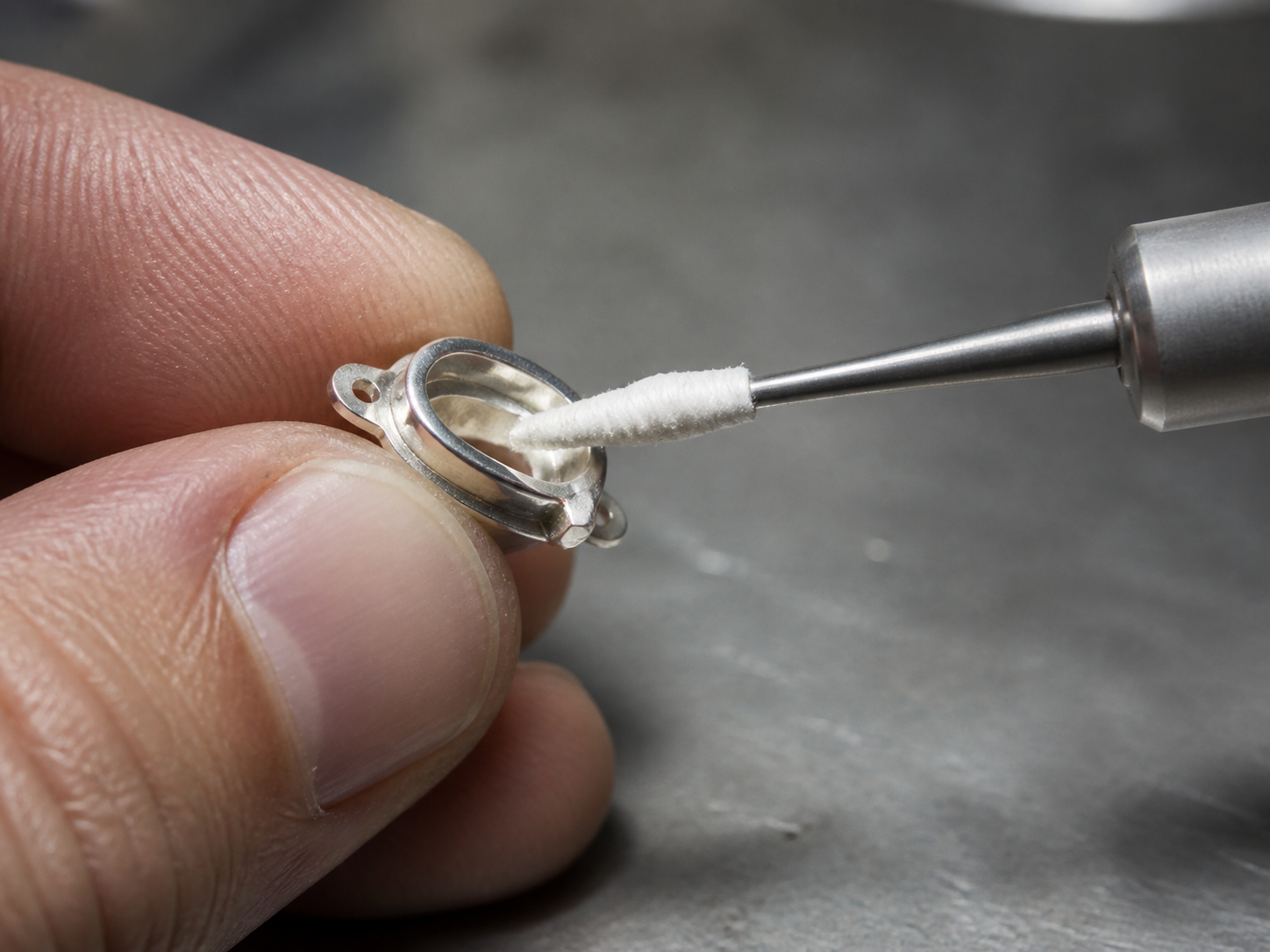
Cotton wrap polishing needs a low-temperature compound
Even at relatively high surface speed, soft cotton support and lower side pressure can create a gentler, cooler process.
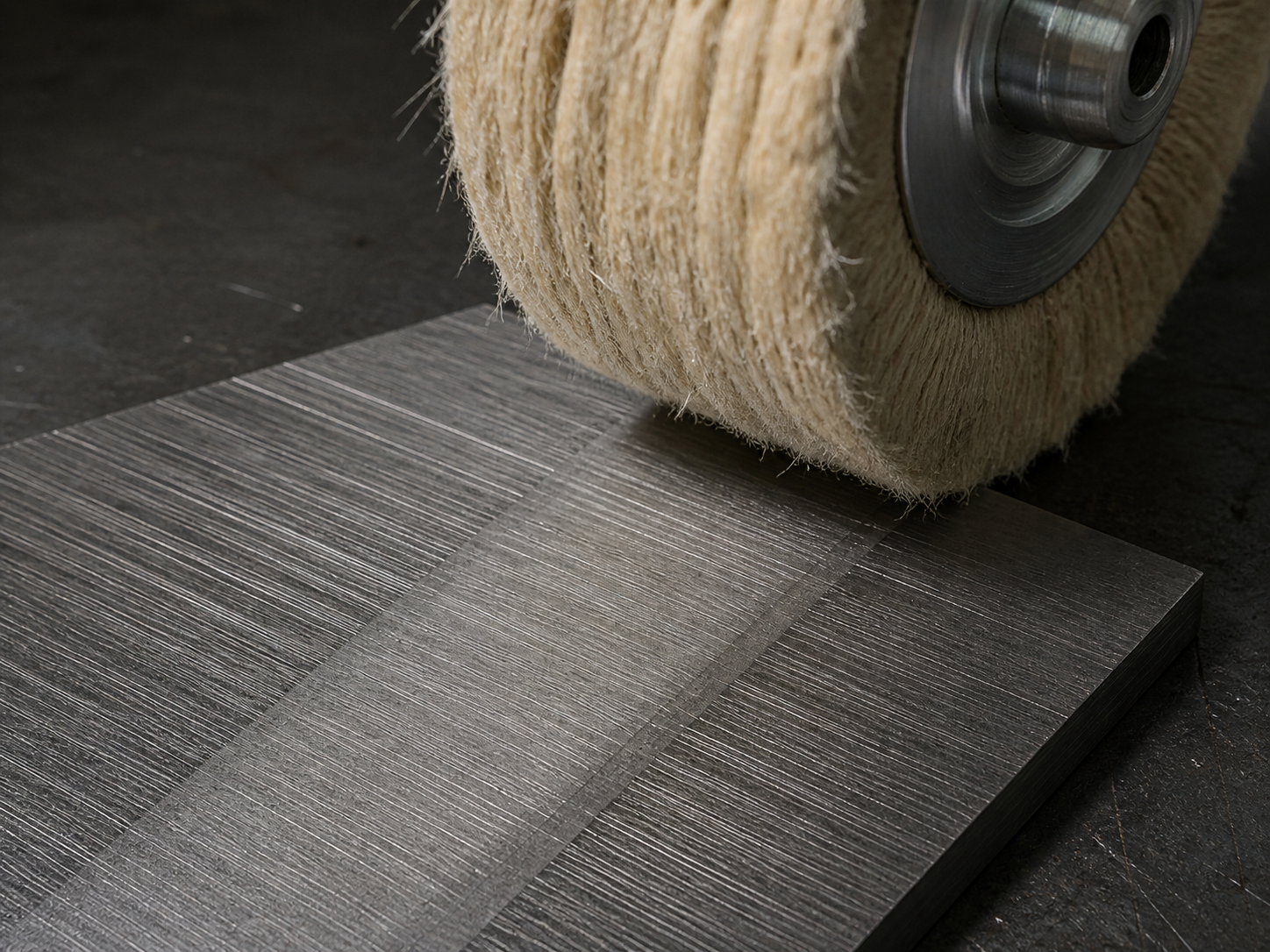
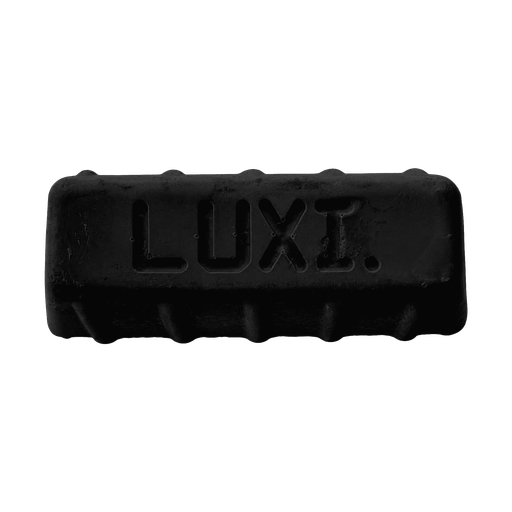
LUXI Black + Sisal does not remove sanding marks
If LUXI Black + Sisal cannot remove sanding marks, the sanding preparation may be insufficient or an extreme readiness check may be needed.
LUXI Asian Blue + Sisal still cannot smooth the surface
If the strongest LUXI pair cannot create a smoother matte surface, return to sanding instead of continuing polishing.
Titanium develops orange peel during polishing
Orange peel on titanium is often connected to overheating, continuous contact or uncontrolled surface-layer behaviour.
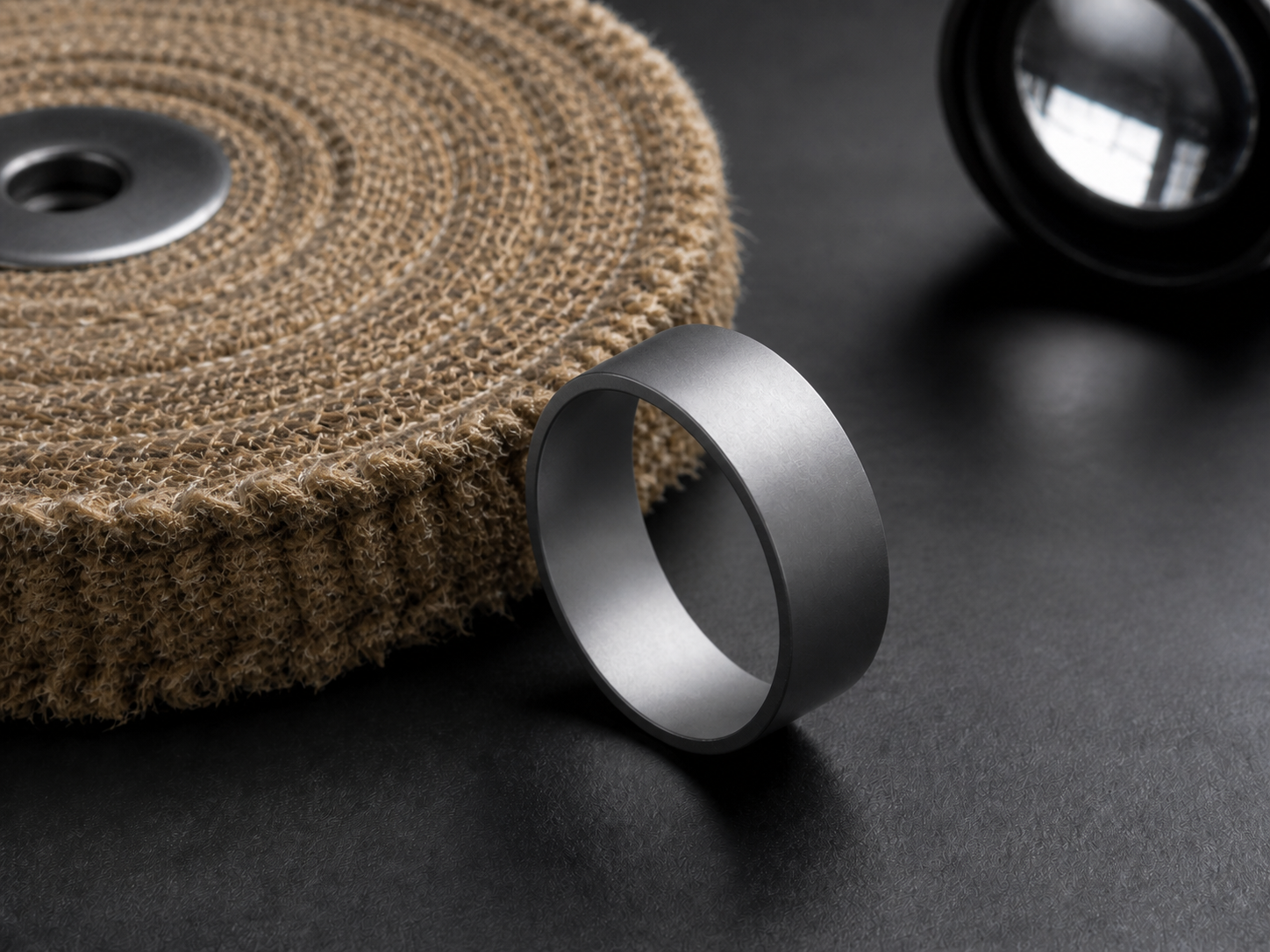
Hard second-group surface remains matte after LUXI Black + Sisal
A hard second-group surface may need more controlled cut-down until the first stable shine appears, or sanding readiness may need review.
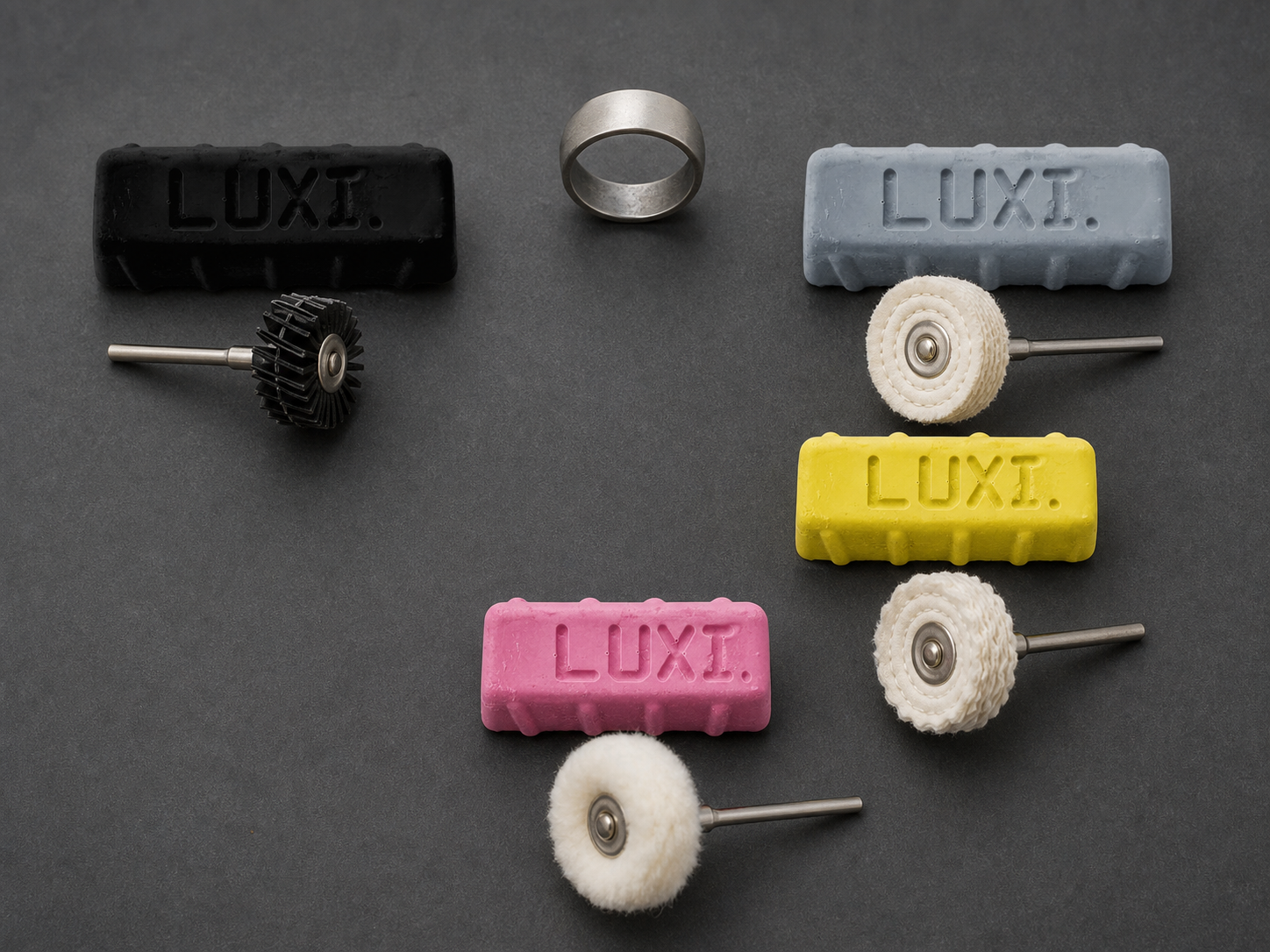
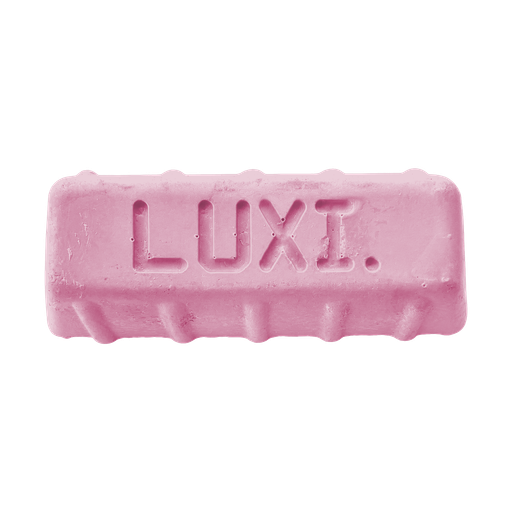
LUXI Pink does not produce mirror finish on second-group materials
If LUXI Pink does not produce a mirror finish, the previous stage usually has not prepared the surface sufficiently.
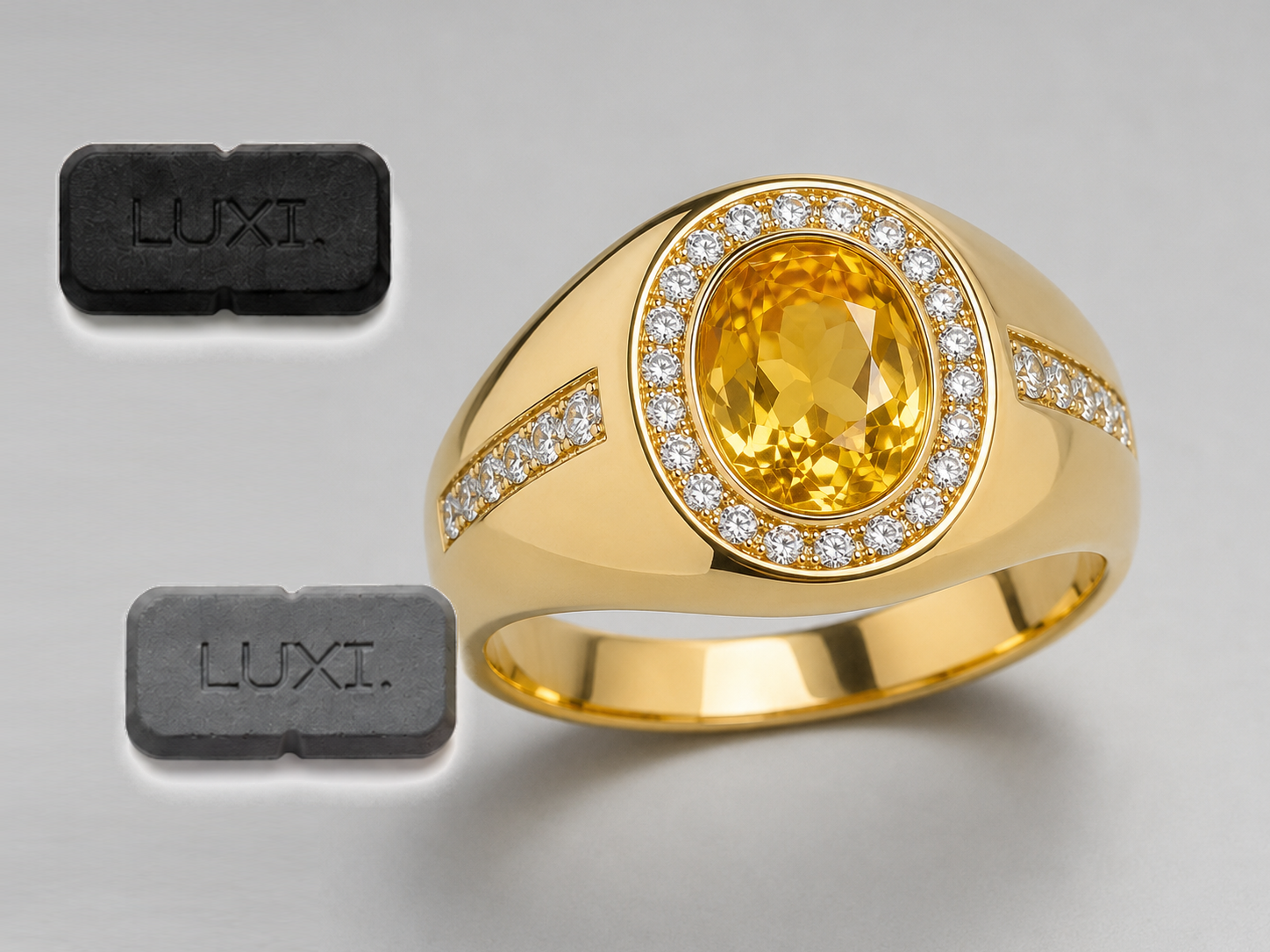
LUXI Black is too aggressive for gold
When LUXI Yellow is insufficient but LUXI Black removes too much metal, use LUXI Gray as the intermediate escalation route.
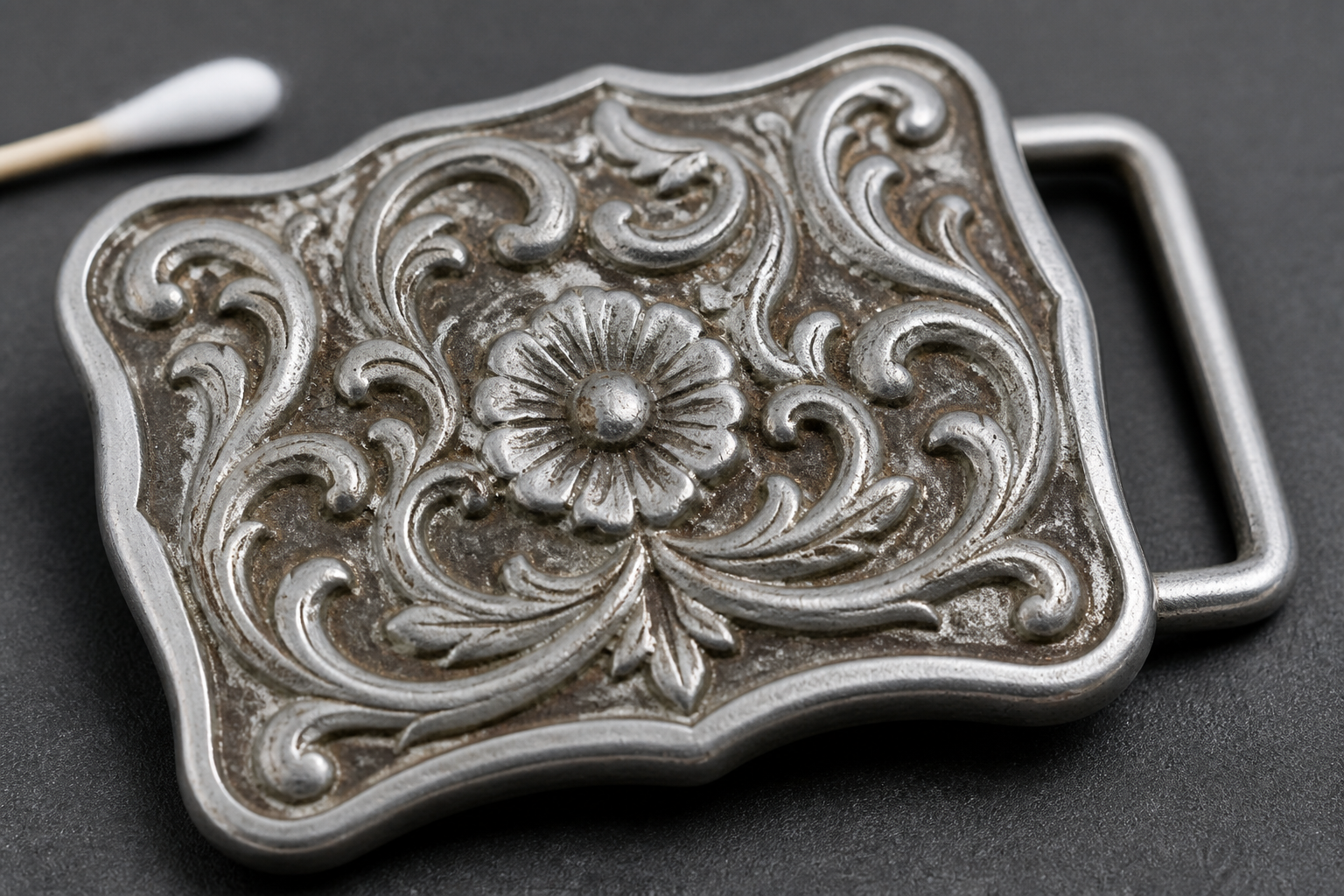
Tripoli paste residue is difficult to remove
For zinc and tin alloys, LUXI Brown can replace the traditional Tripoli first stage and leave a cleaner surface before LUXI Pink.
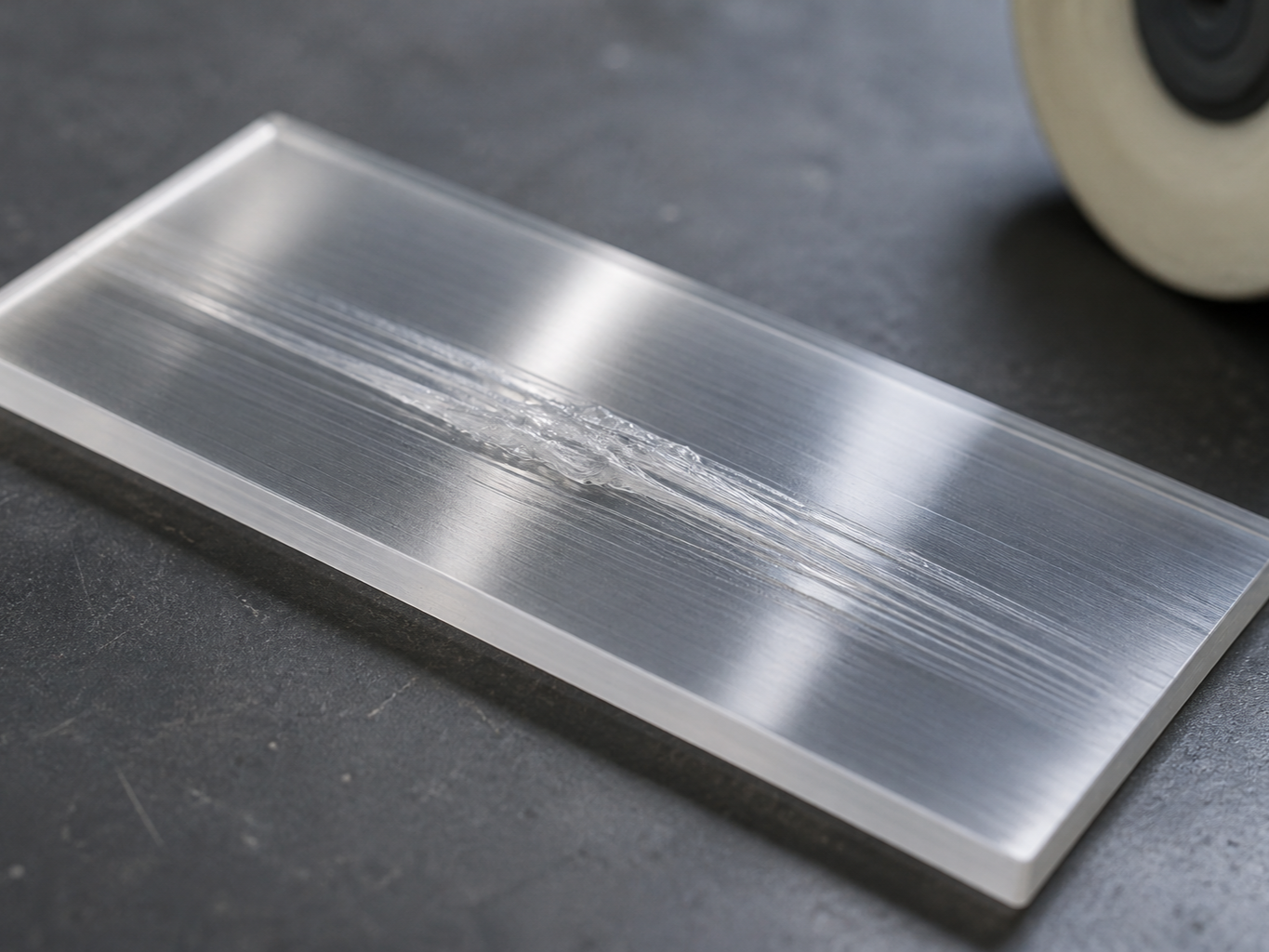
Polymer smears during polishing
Smearing usually means the polymer has overheated or contact pressure/time is too high.
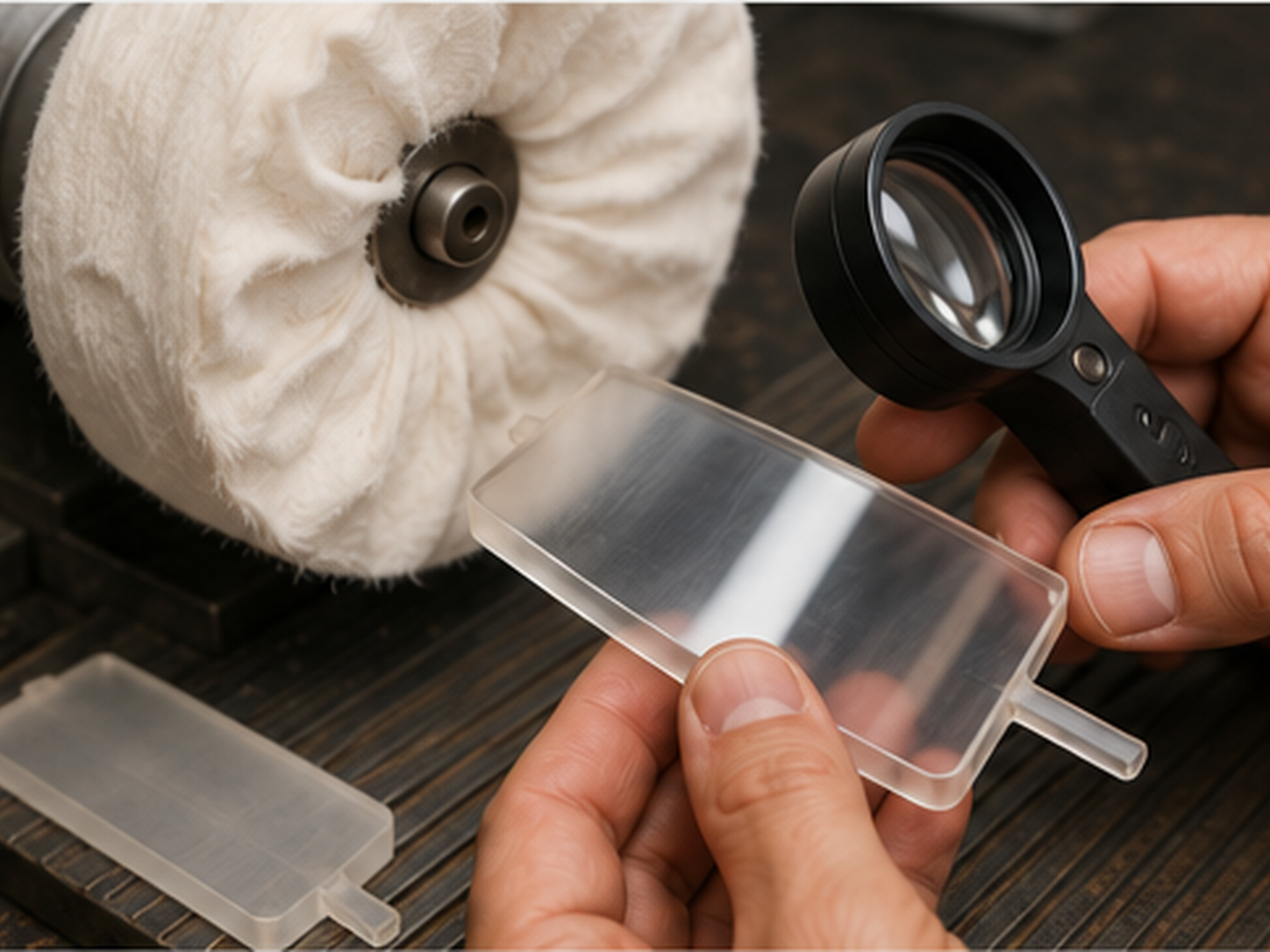
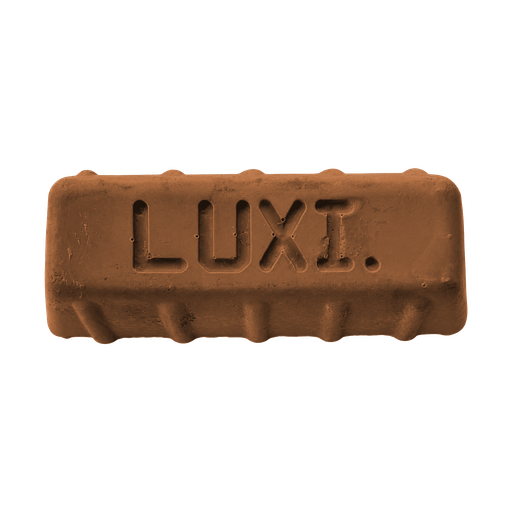
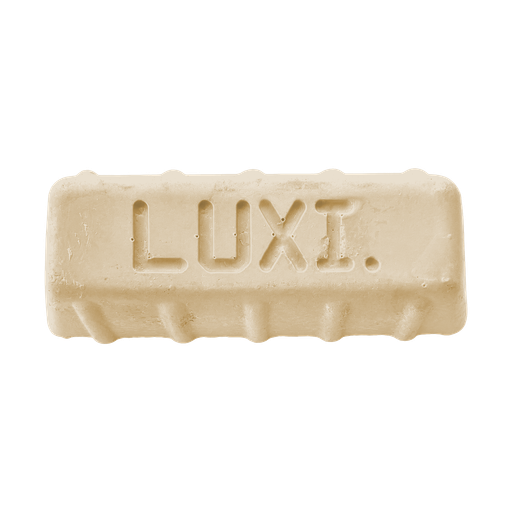
Gloss does not appear on polymer
The LUXI Brown stage or wet sanding preparation may be incomplete, or LUXI Beige may have been started too early.
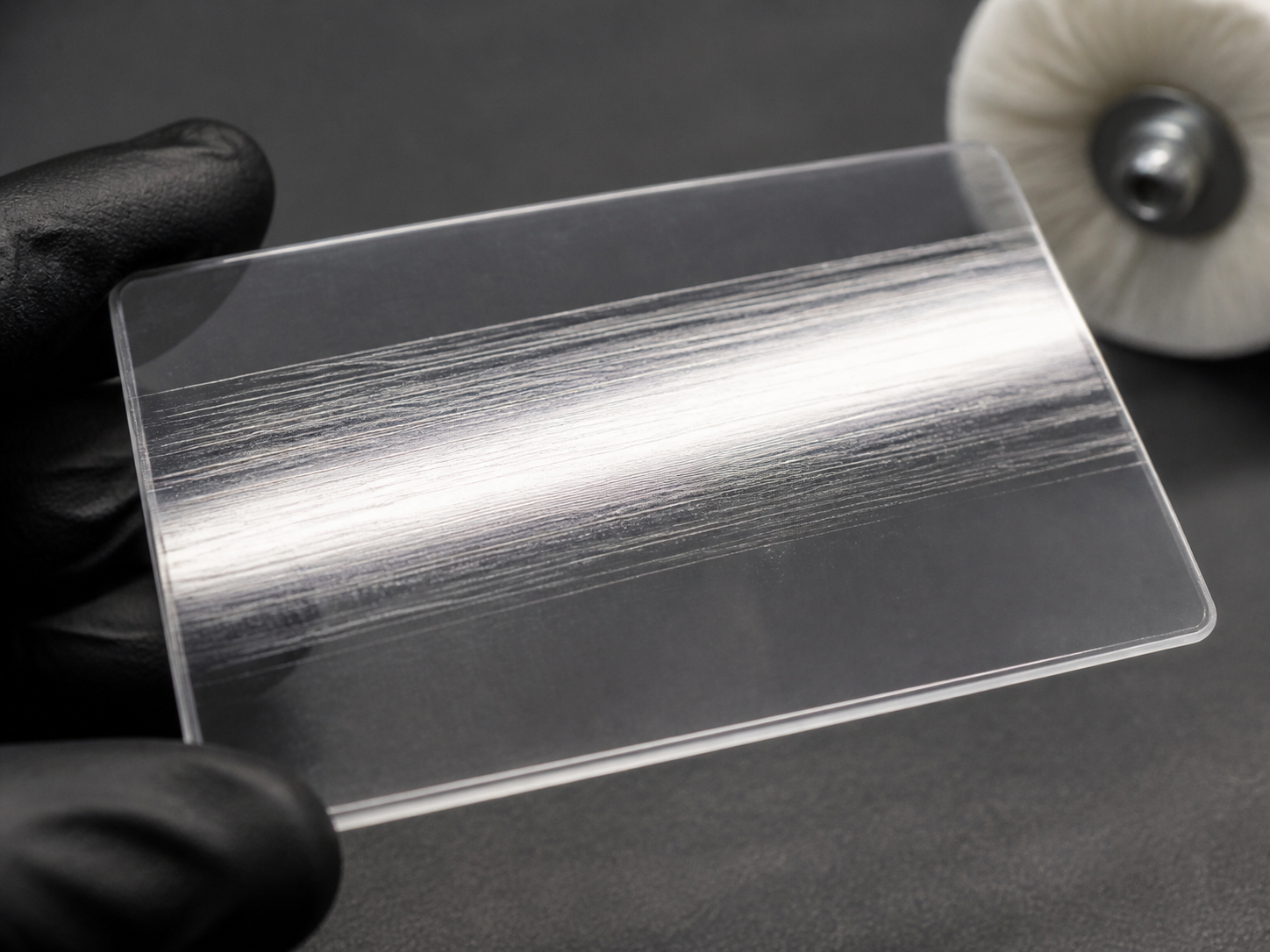
Scratches remain after LUXI Beige
Visible scratches after LUXI Beige usually mean the final step started too early: the surface was not sufficiently wet-sanded, or the LUXI Brown stage was not completed.
Polycarbonate remains hazy
Haze on polycarbonate can come from overheating, remaining scratches or the wrong finishing sequence.
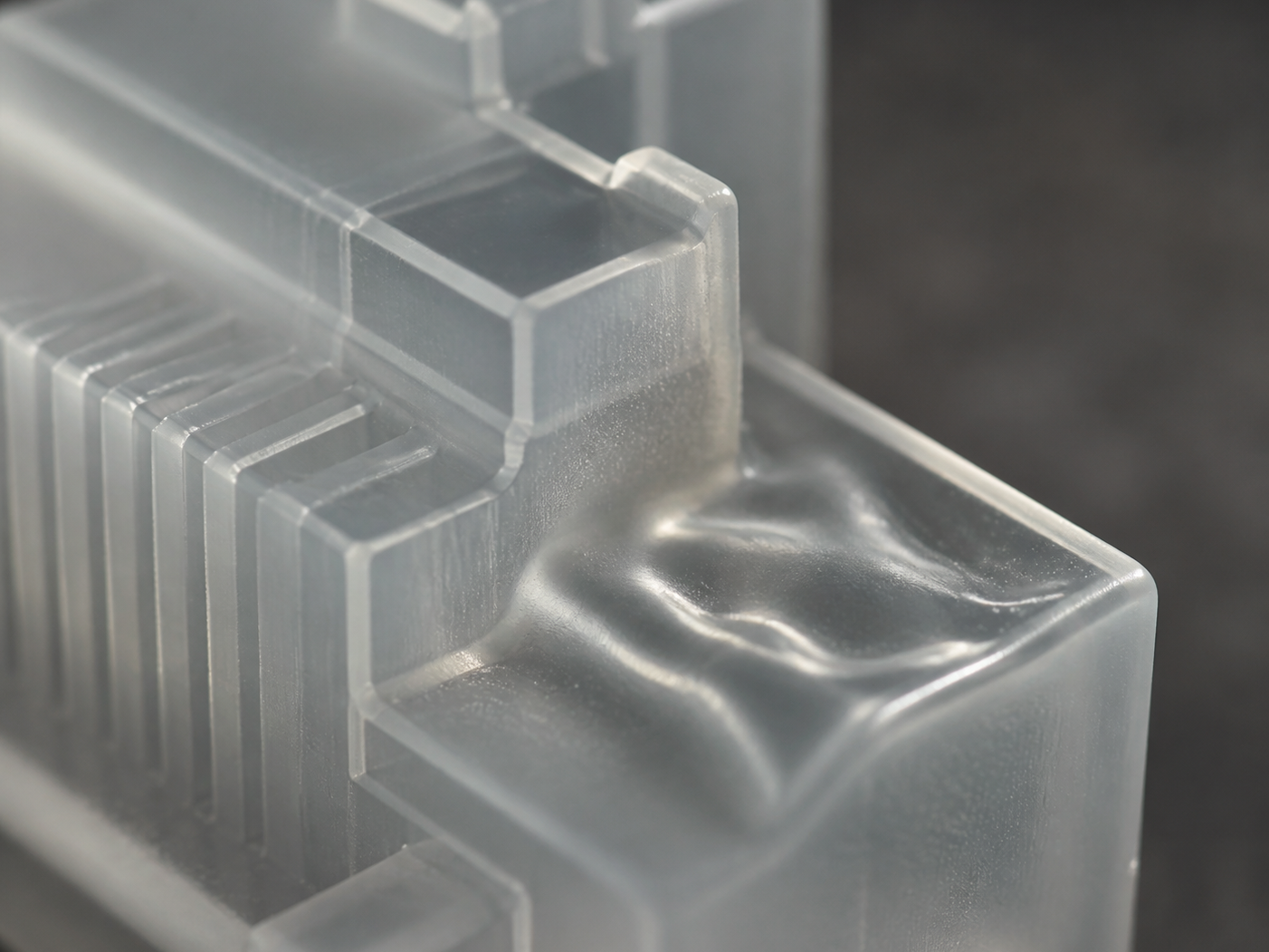
UV resin prototype overheats
UV resin prototypes may have low heat resistance and need very short low-speed contacts.
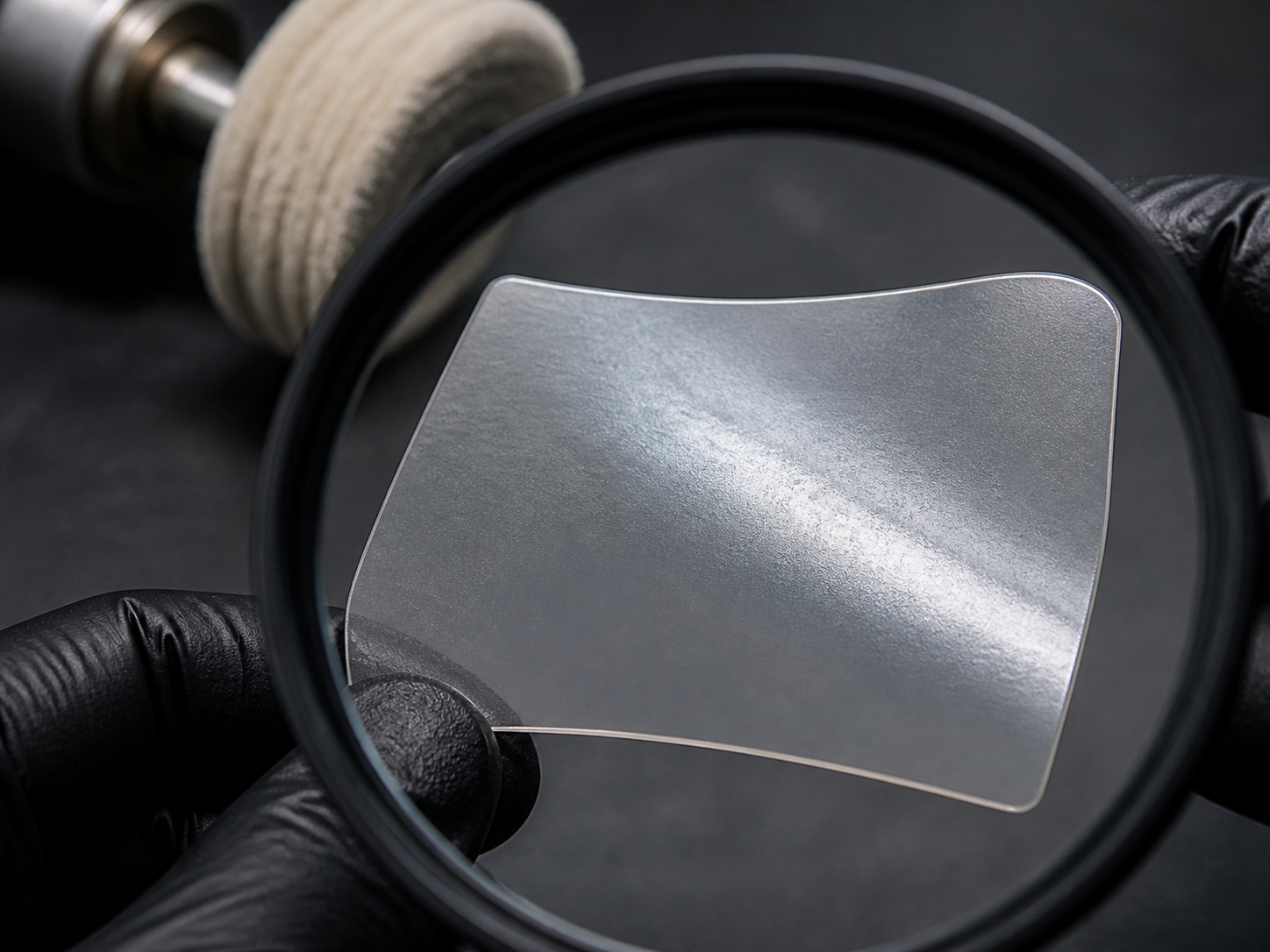
Polyurethane does not polish well
Hard polyurethane may not fit the standard LUXI Brown -> LUXI Beige polymer route and requires separate testing.