
 Integrated Polishing System
 Practical knowledge base
Technology notes explain LUXI as a system: compound formulation, tool choice, sequence, washing and operator technique work together. Compound colour alone is not a universal process.
Open process treeTechnology
Our procedures describe the path we recommend as a safe and efficient starting point. Actual polishing may need controlled adjustment because two pieces made from the same nominal material can differ in alloy, surface condition, size, geometry and heat behavior.

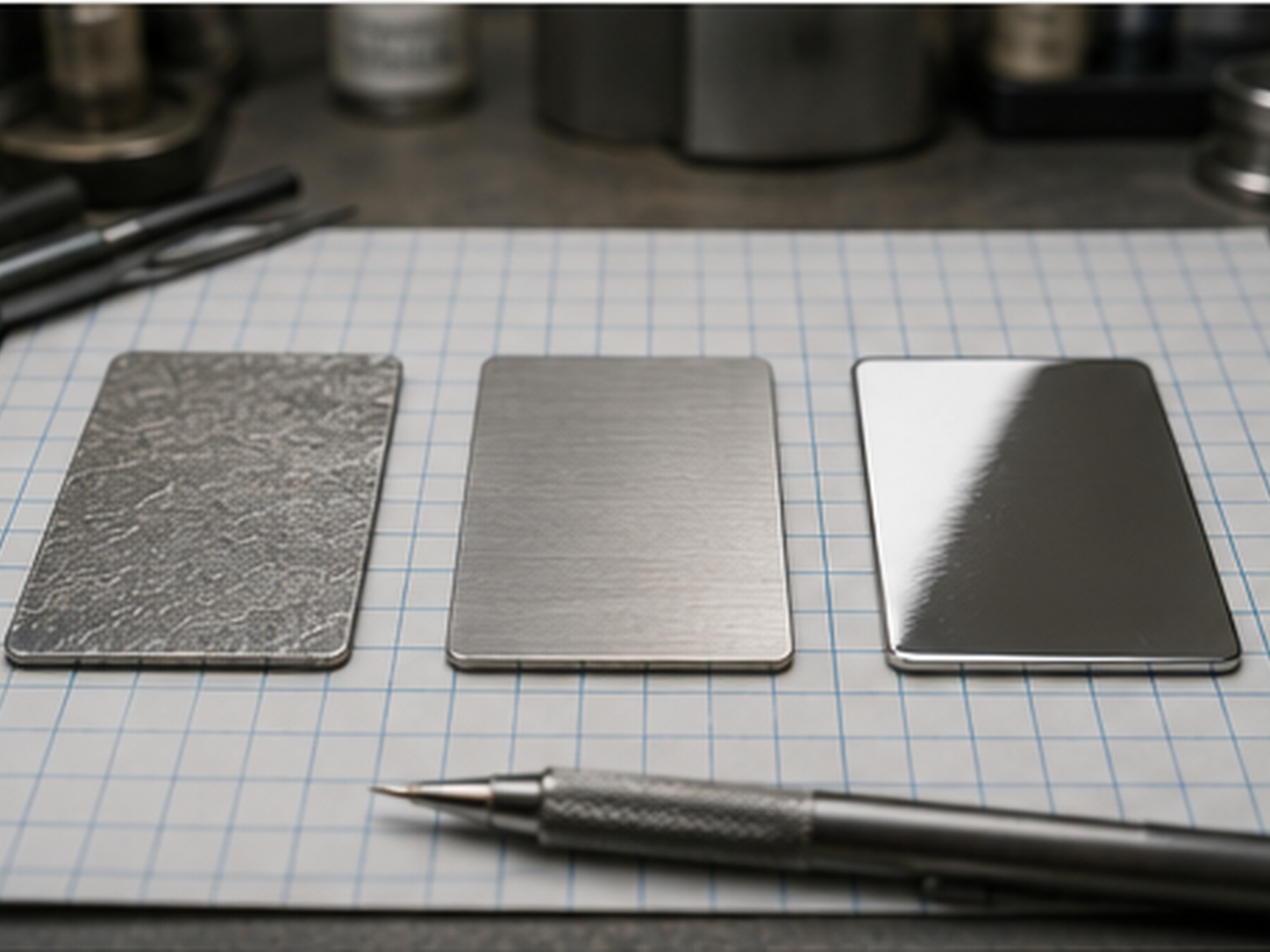
Scientific foundation for the site: why surface quality depends not only on abrasive grade but also on surface-layer formation.
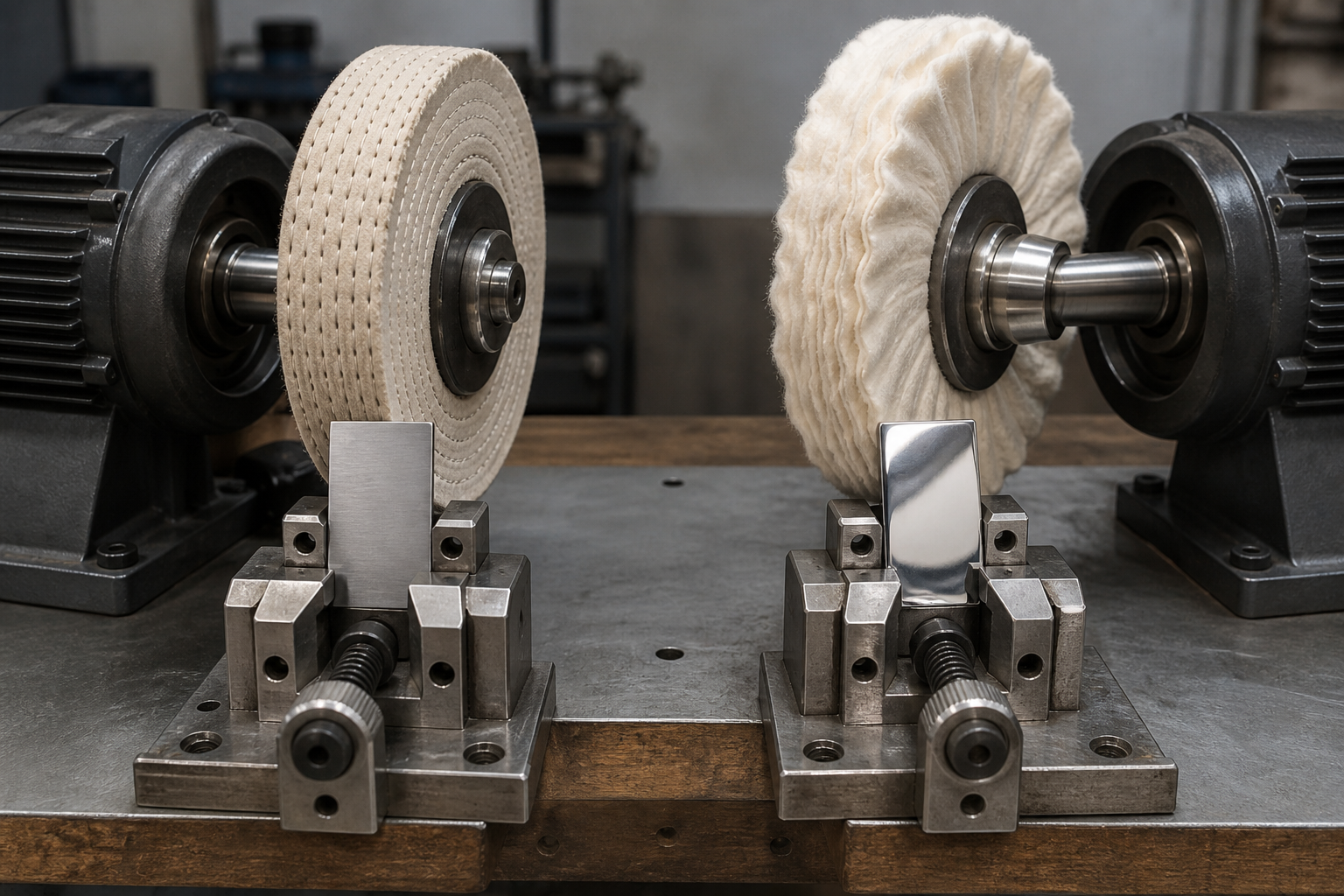
In the LUXI system, the first polishing stage and the finishing stage solve different tasks. They must not be interchanged, and a finishing compound must not be expected to do the work of the first polishing stage.
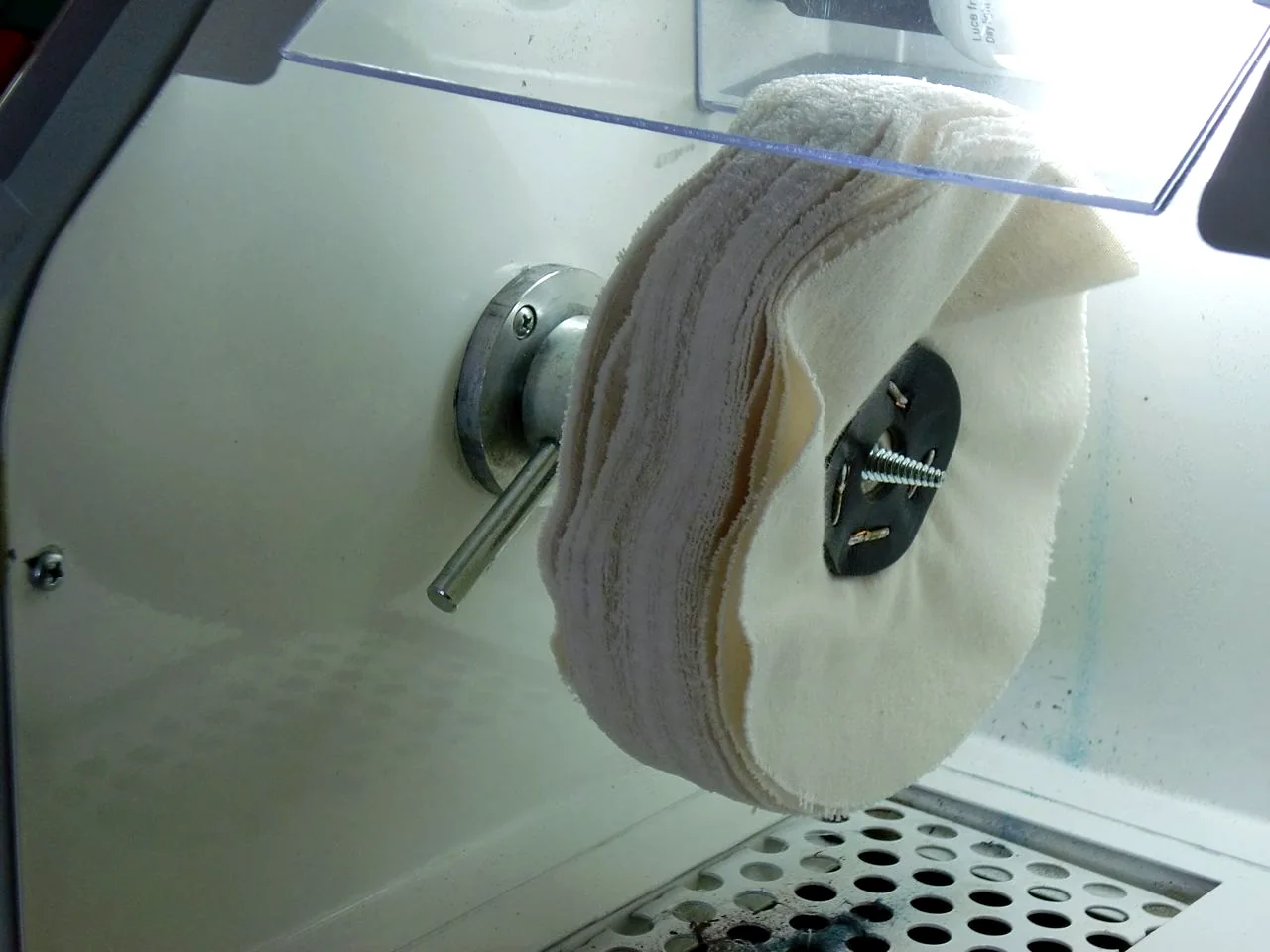
One of the main ideas of the LUXI system is that the polishing wheel must remain the working body of the process. LUXI compound is applied in a very small amount: it activates the contact zone and helps the wheel work with the metal surface, but it must not become a thick working layer between the wheel and the item.
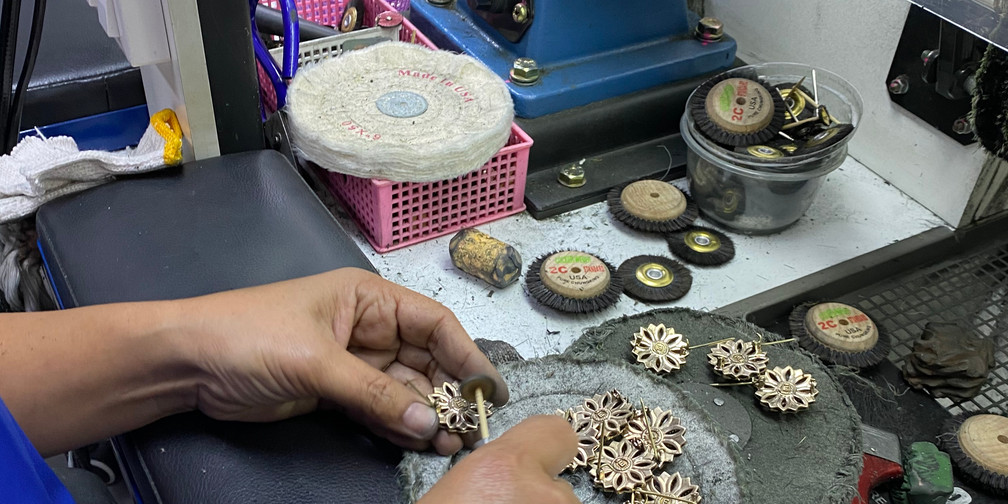
LUXI is not simply a set of polishing compounds in different colours. It is a complete way of working with a metal surface: preparation, wheel selection, minimal application of original LUXI compound, the first polishing stage, finishing, washing and checking the result.
How an item enters the LUXI responsibility zone after abrasive preparation: defect inspection, diagnostic polish, material grouping, first-group materials routing and final polish selection.
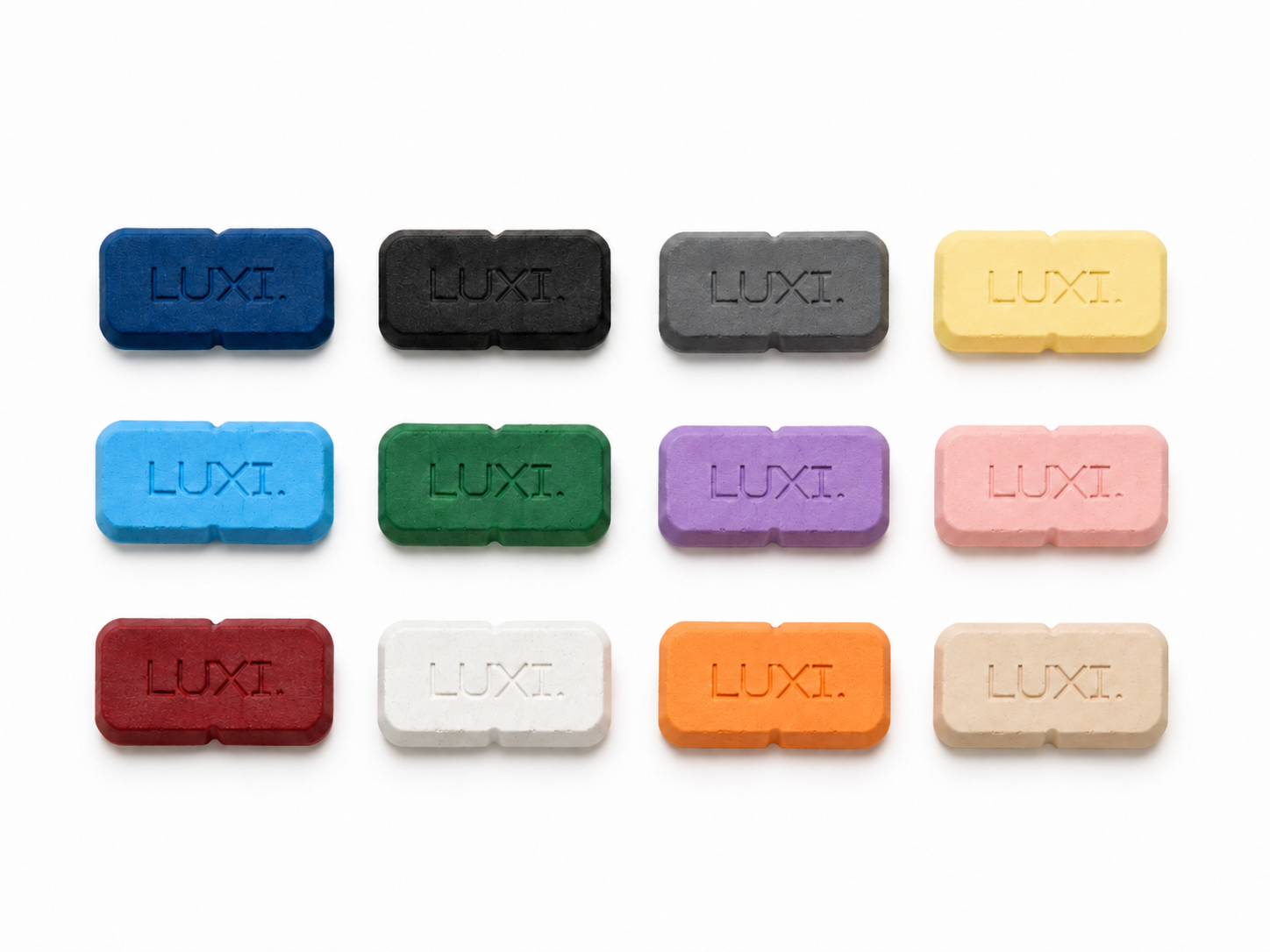
How LUXI groups materials by polishing behaviour: first-group materials, second-group materials, polymers, coatings, and special cases.
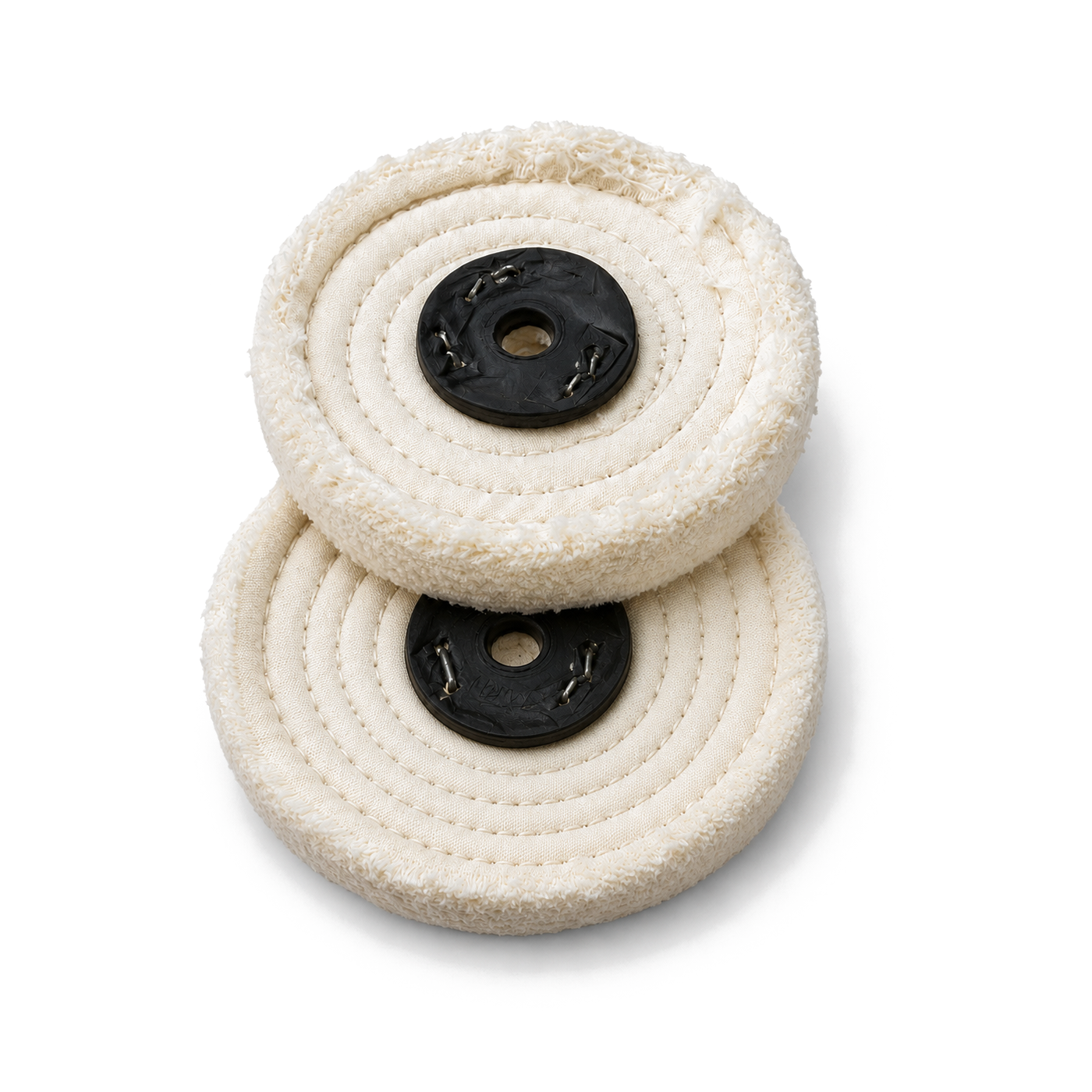
In the LUXI system, the wheel is the working body of the process, not just a carrier for compound. Compound is applied minimally and helps activate the contact zone, but the mechanical action, pressure, shear and heat are transmitted by the wheel.
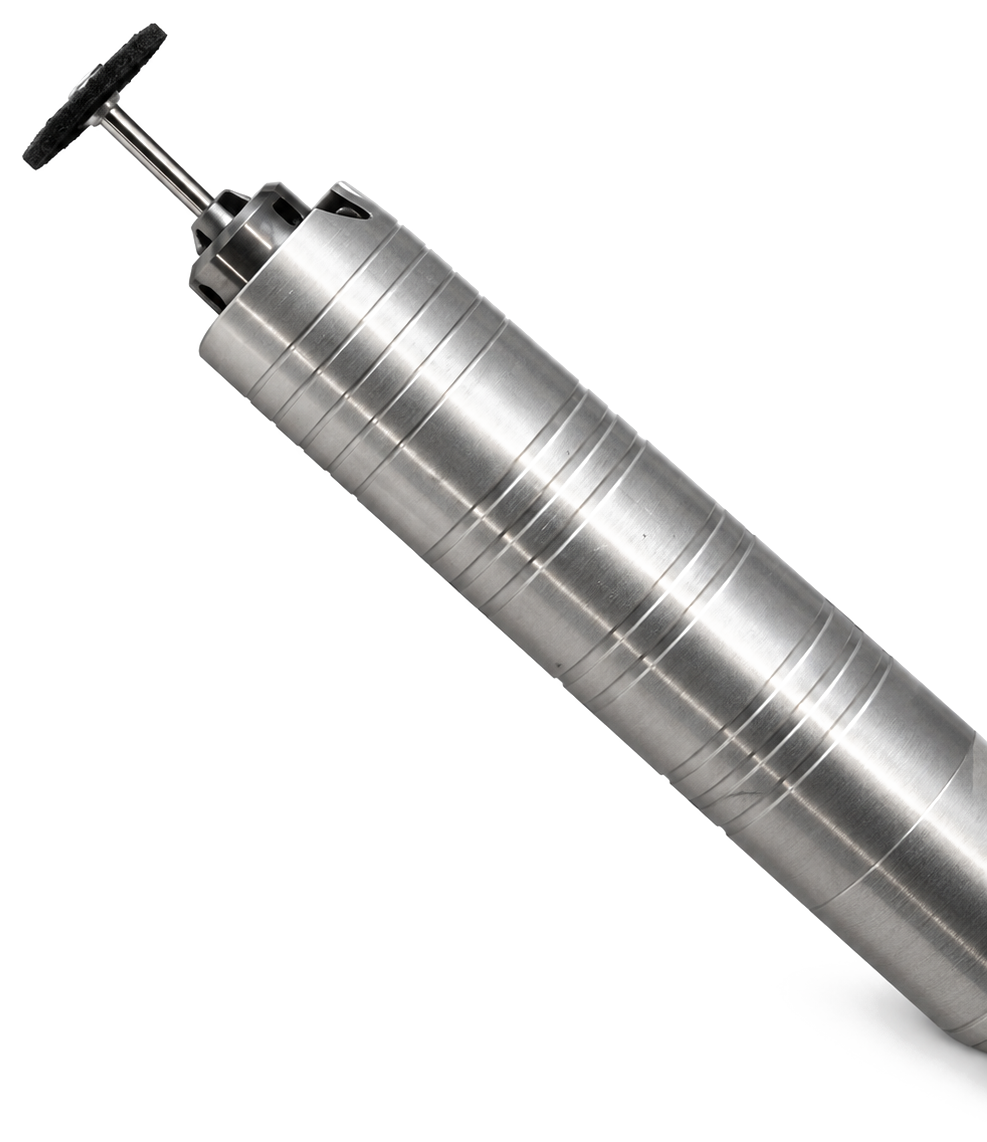
How brushes, cotton thread and small rotary tools change compound behaviour in reliefs, recesses and other low-temperature contact zones.
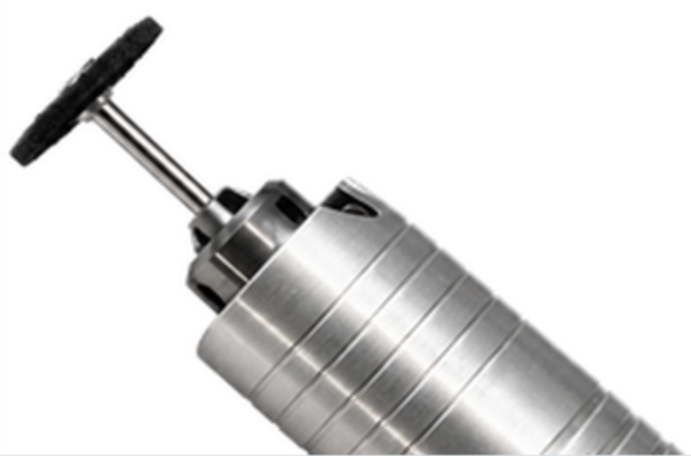
Wheel rpm by itself does not explain how actively polishing works. The same revolutions per minute can produce completely different behaviour on an 8 mm small attachment, a 102 mm wheel, a standard 152 mm wheel or a large 203 mm wheel.
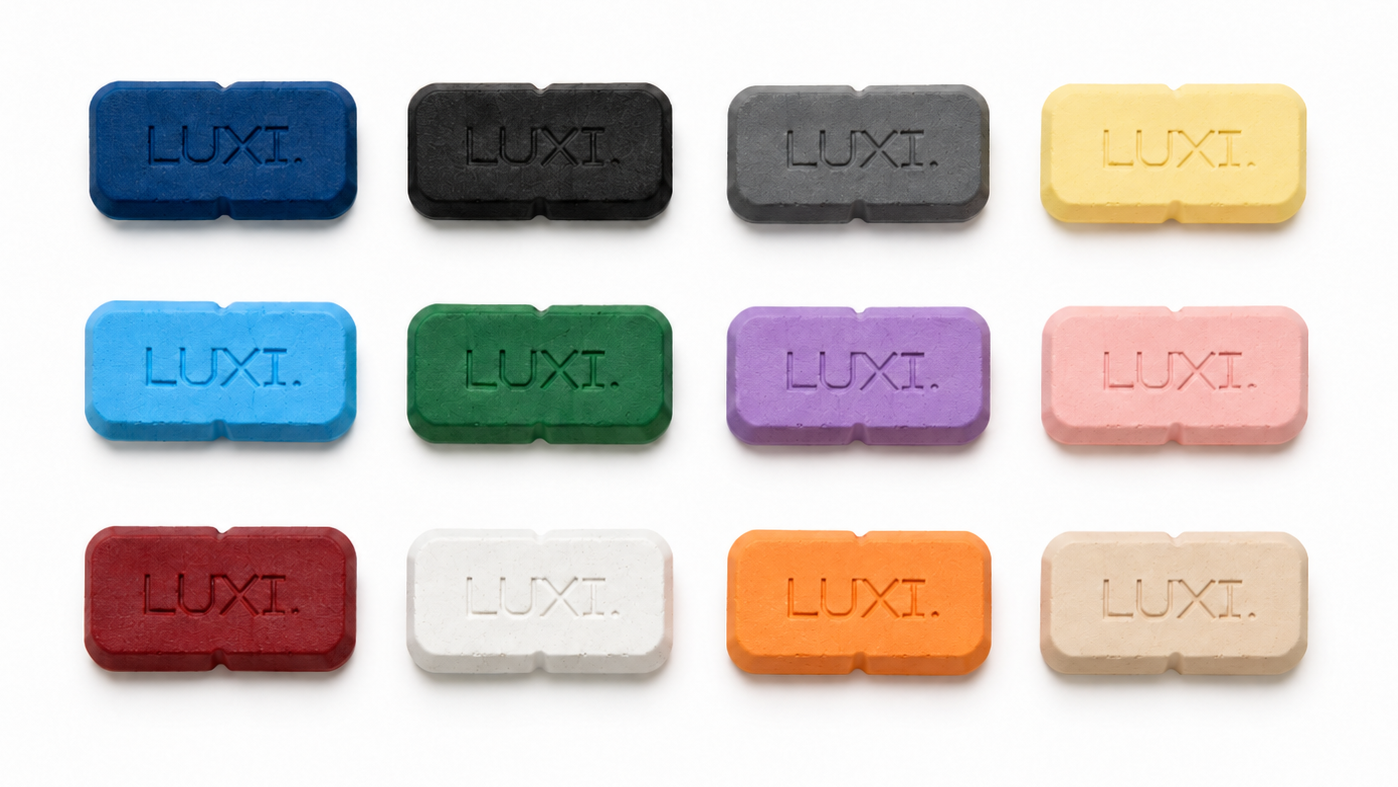
How to check the real tools, wheels, speed control and compound range available before adapting a LUXI polishing route.
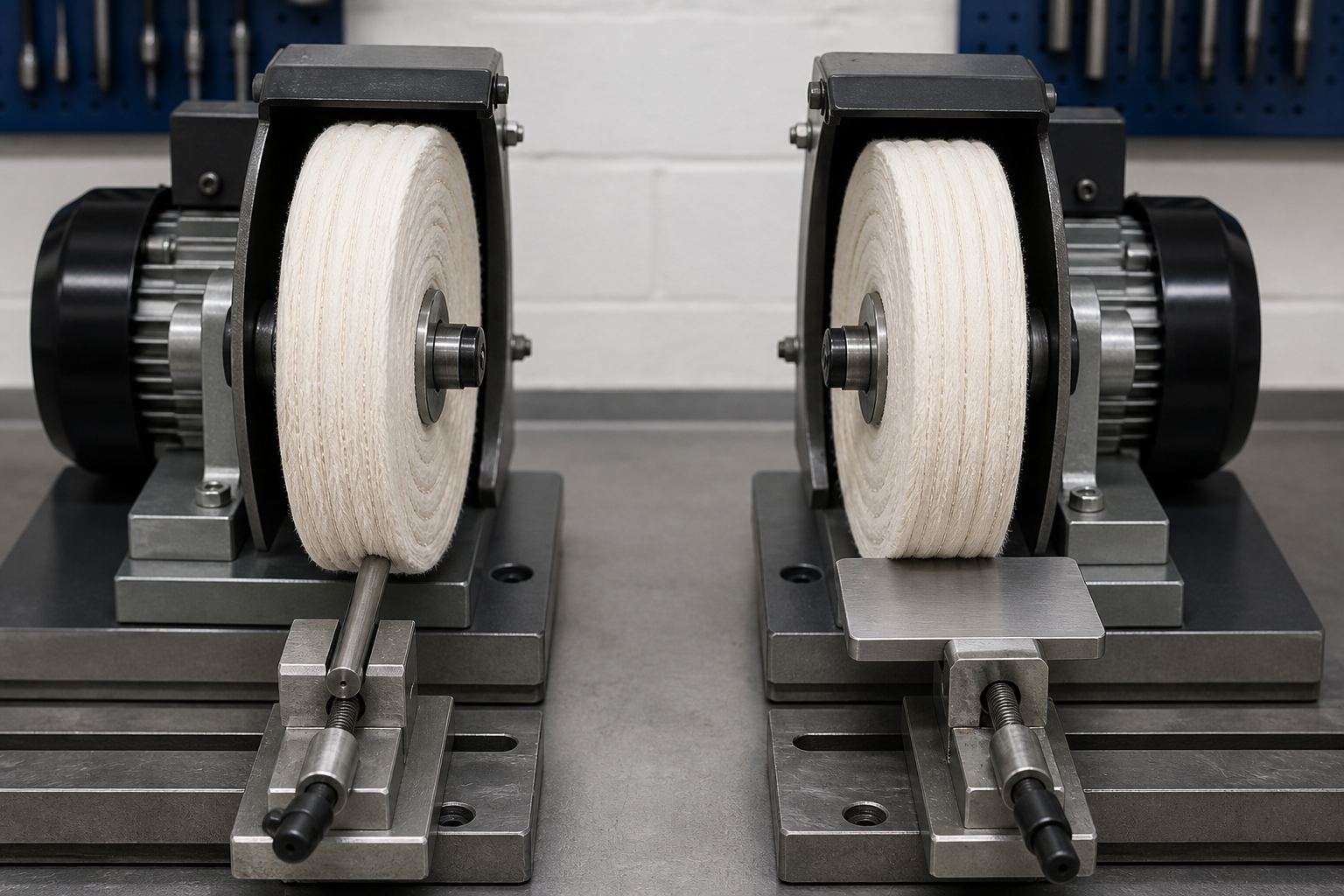
Large planar surfaces polish differently from small areas of a ring, relief or edge. This is not only a question of material, and not only a question of compound selection. The main reason is the contact area between the item and the polishing wheel.
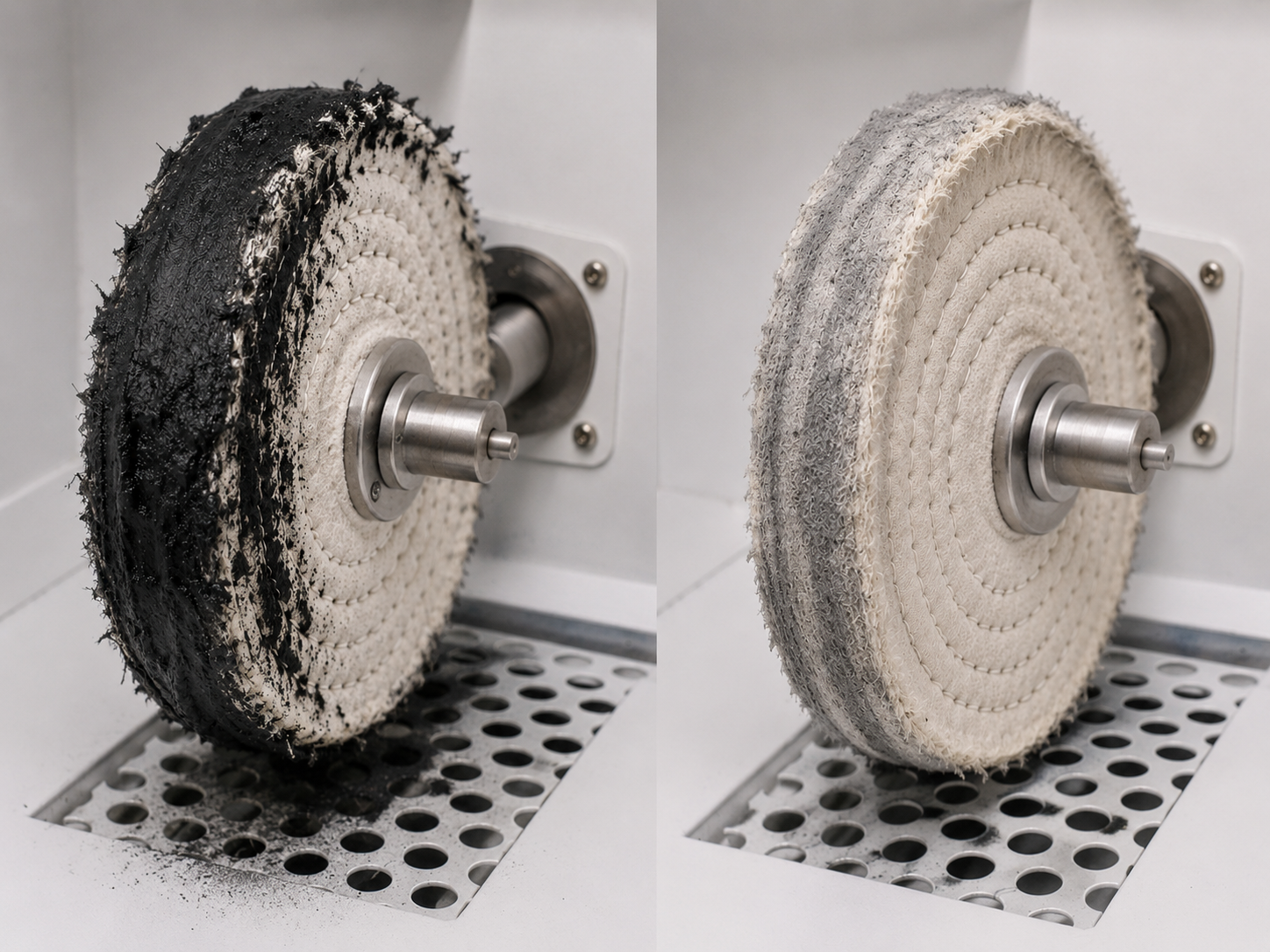
In the LUXI system, polishing quality is not defined only by how quickly lustre appears. It also matters what remains on the surface after polishing: a thin, stable surface layer, or a mixture of old compound, removed metal and contamination that then has to be removed for a long time.
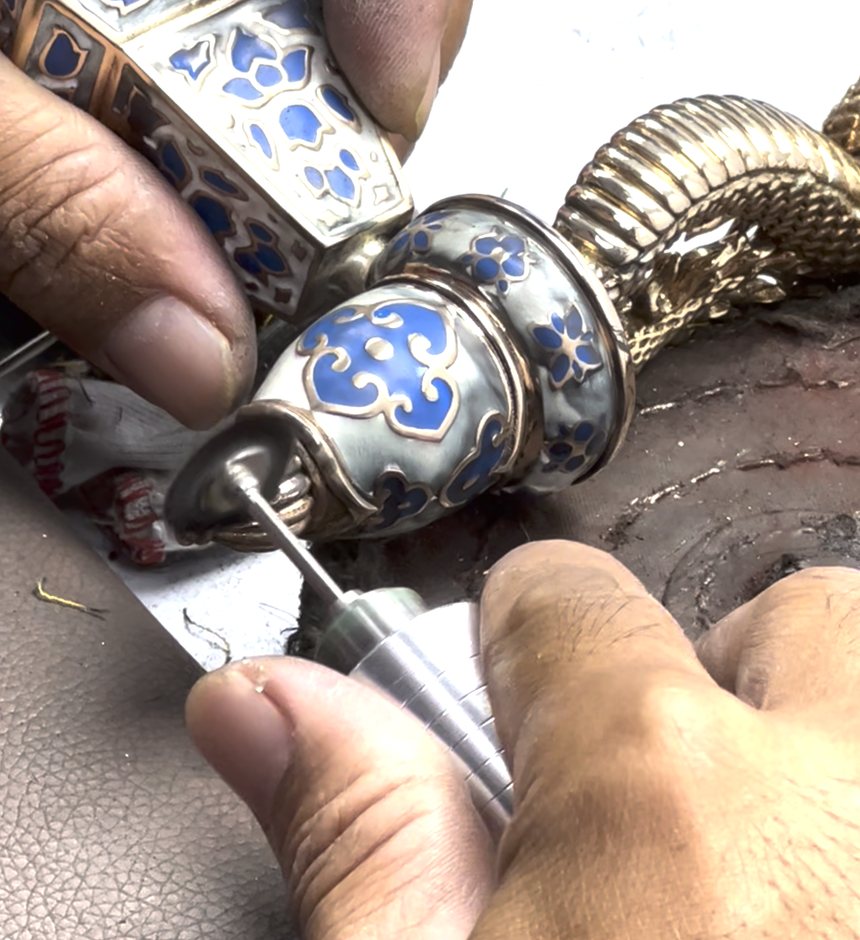
In the LUXI system, not every polishing process happens under the same conditions. A large polishing wheel, felt attachment, cotton wrap, brush, thread or cord create different contact zones.
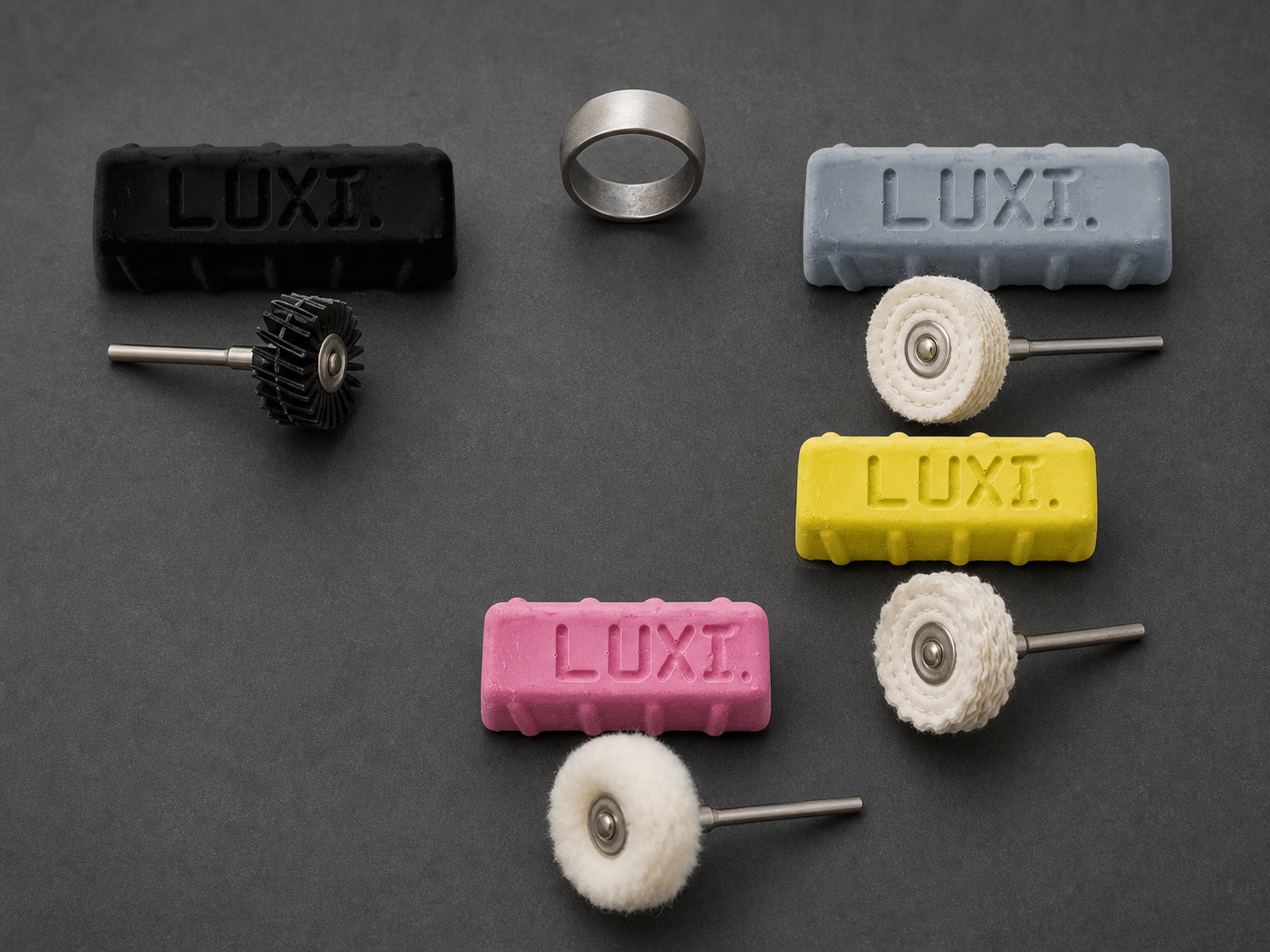
Controlled LUXI routes for hard, reactive and difficult materials where heat, pressure, wheel choice and preparation level matter more than hardness alone.
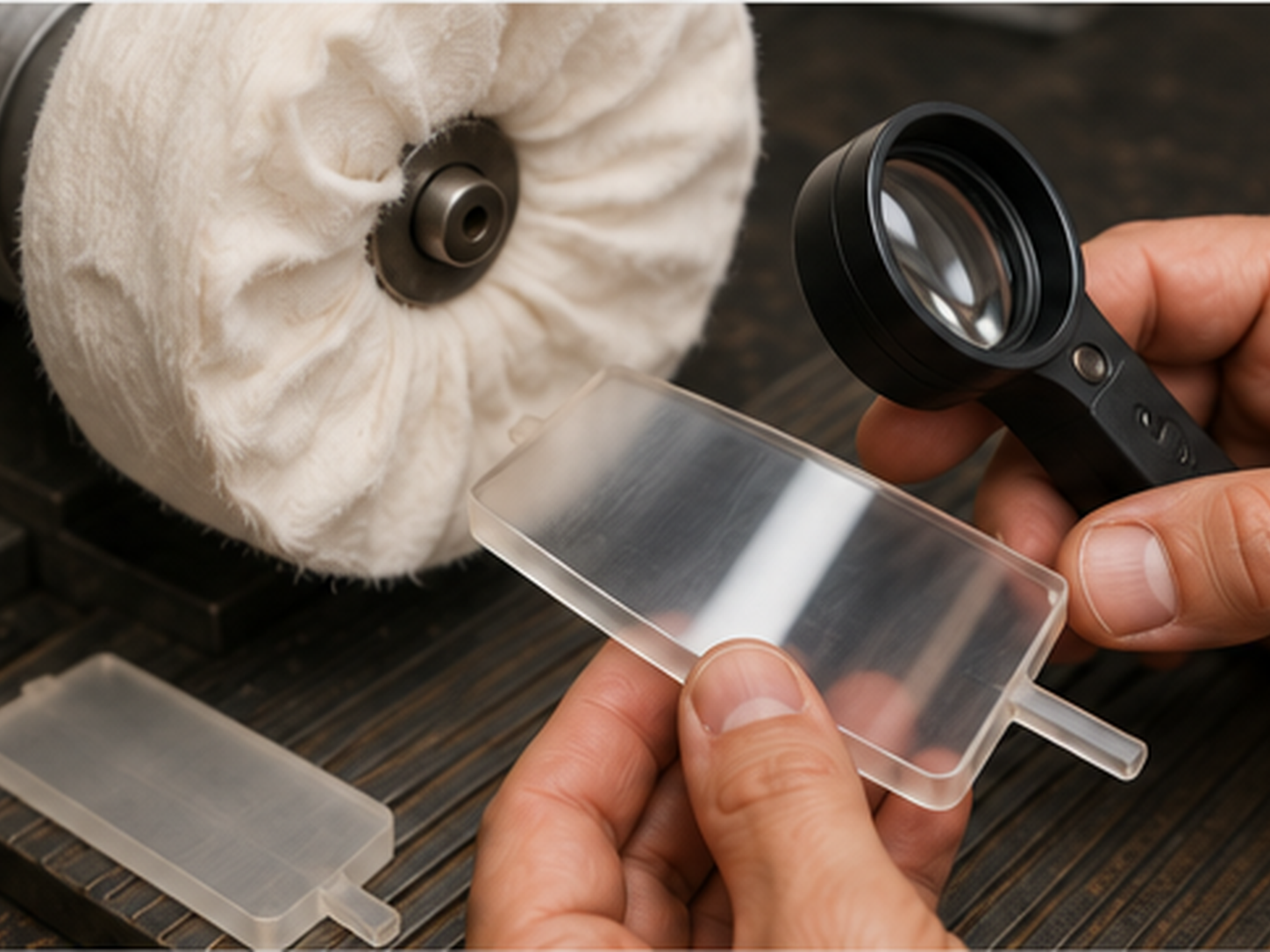
Low-speed polishing route for epoxy, acrylic, polycarbonate, polyester and UV-resin materials using LUXI Brown and LUXI Beige.
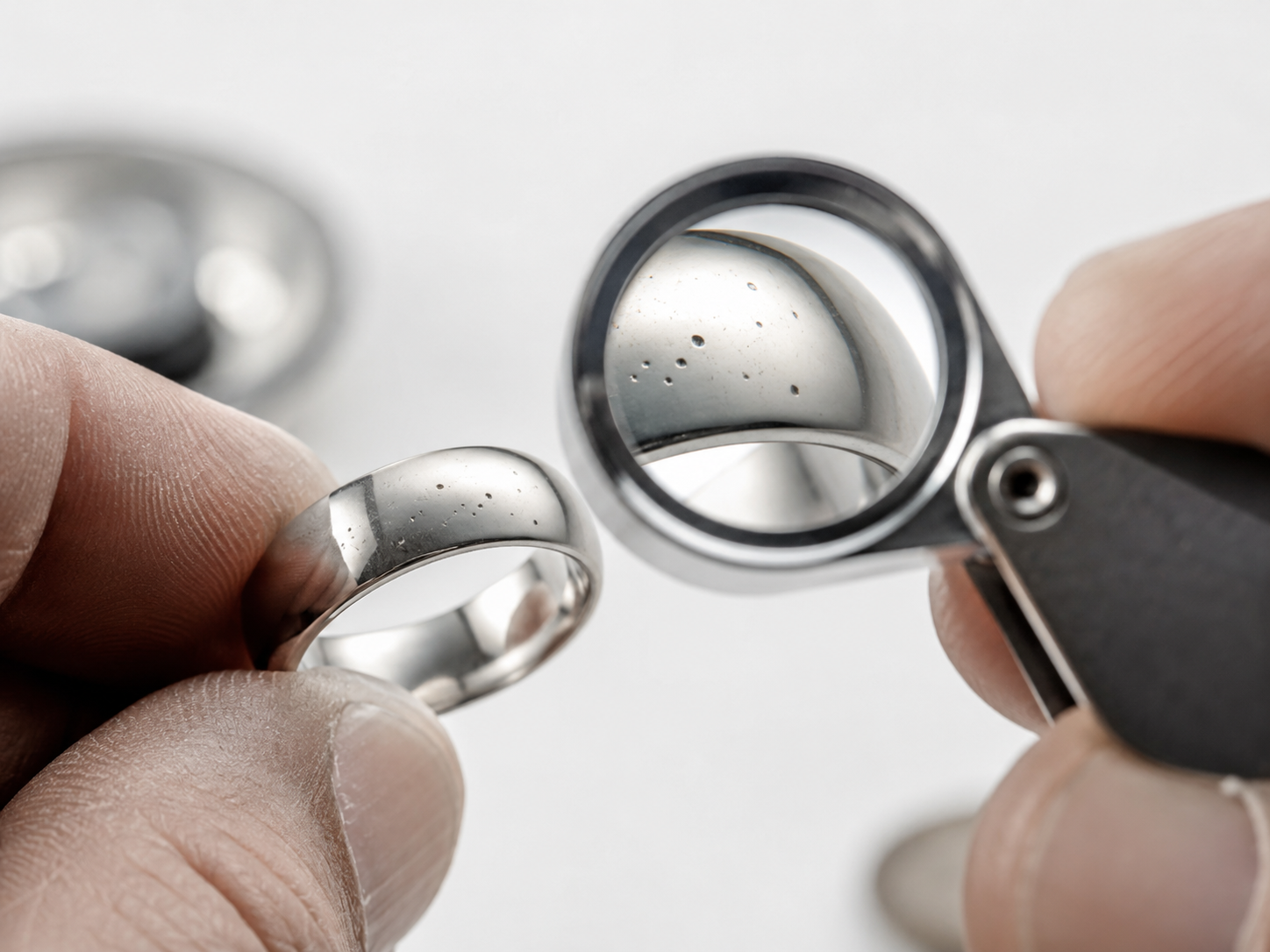
LUXI forms the surface instead of simply cutting metal away. After proper preparation, it helps create a dense Beilby surface layer that can close micro-defects within the LUXI working range while preserving the mass, geometry and relief of the piece.
Technology notes explain LUXI as a system: compound formulation, tool choice, sequence, washing and operator technique work together. Compound colour alone is not a universal process.
Open process tree