
 Integrated Polishing System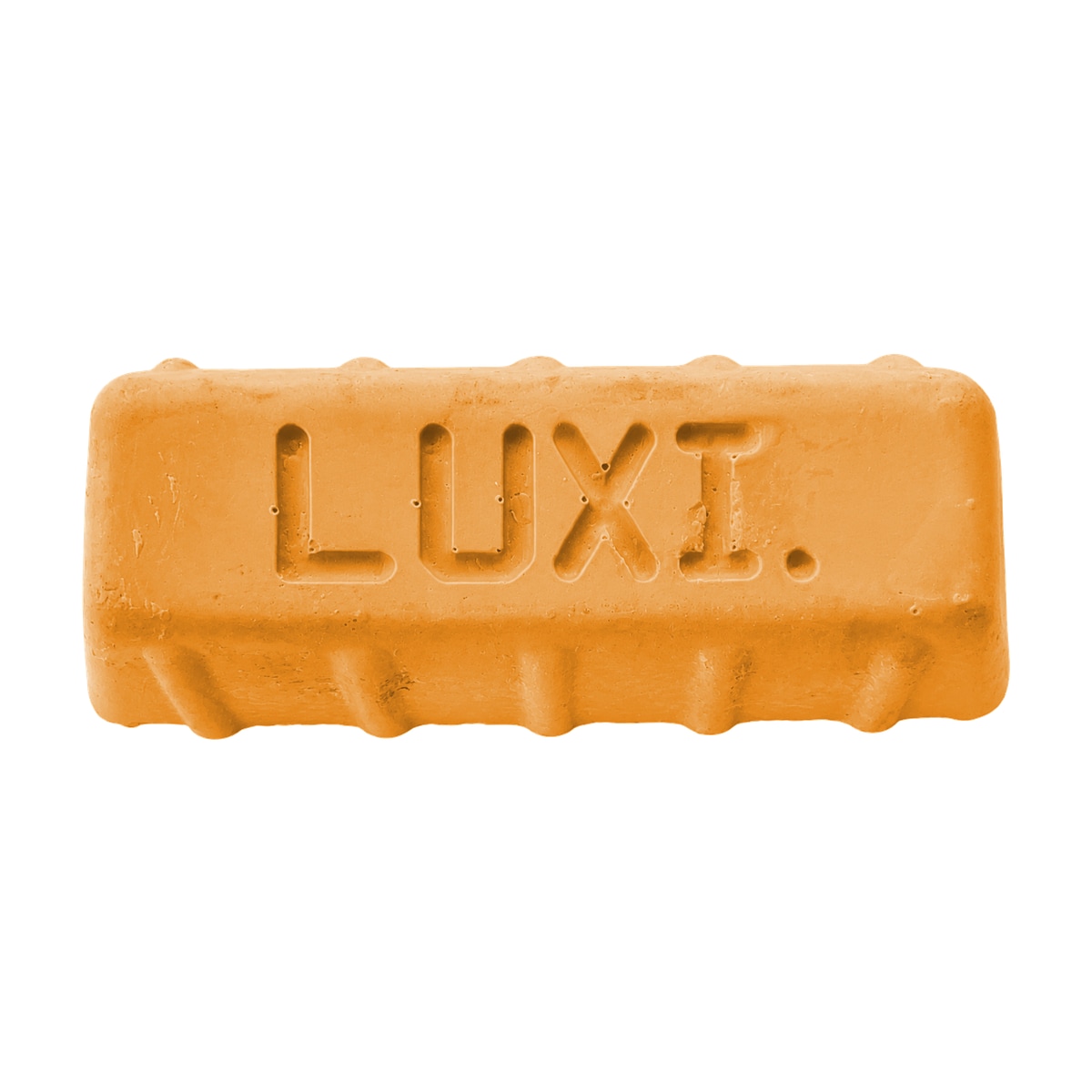
Application context
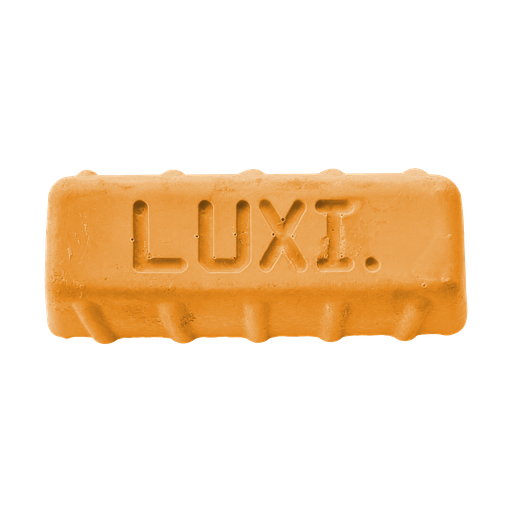
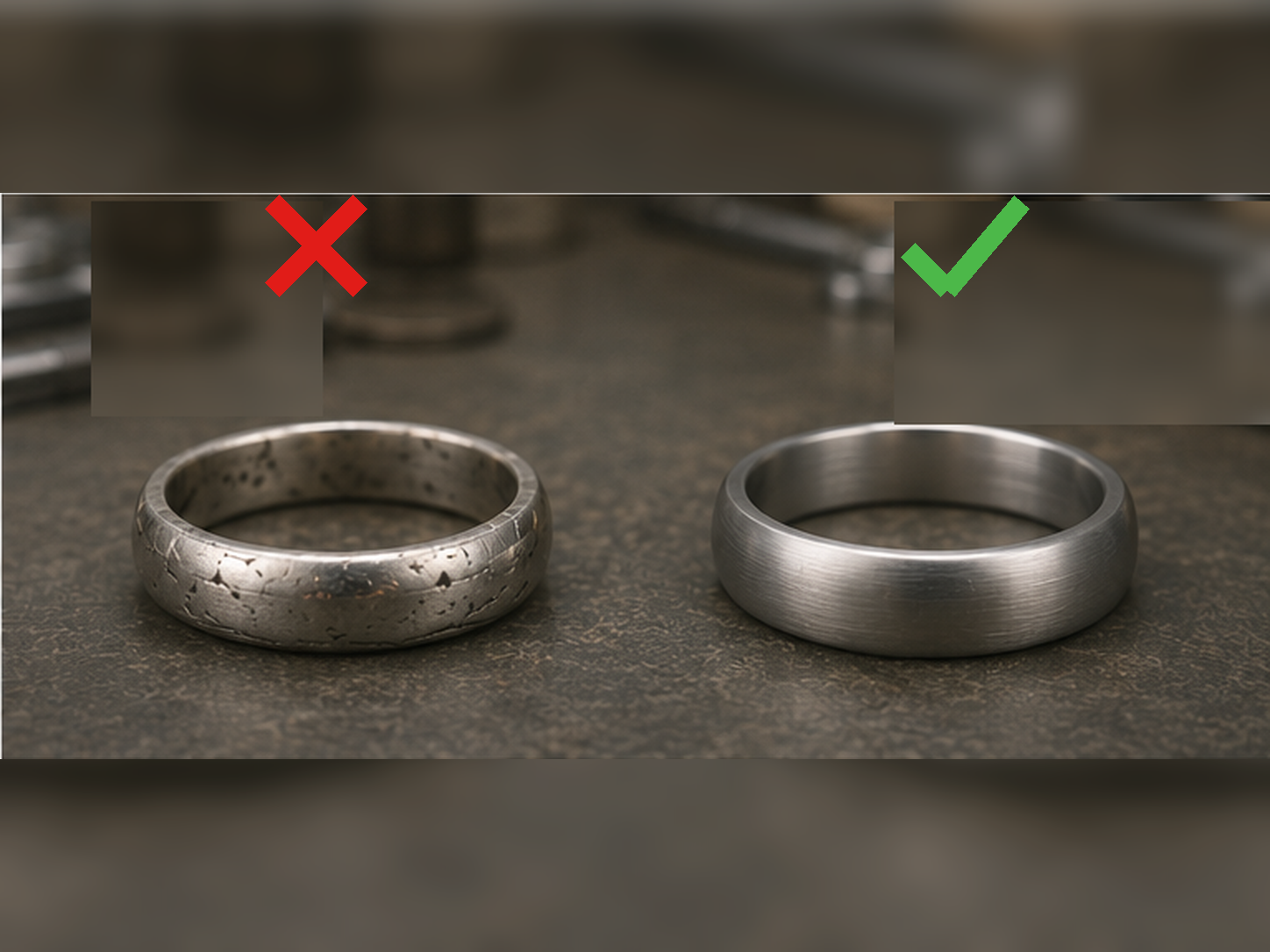
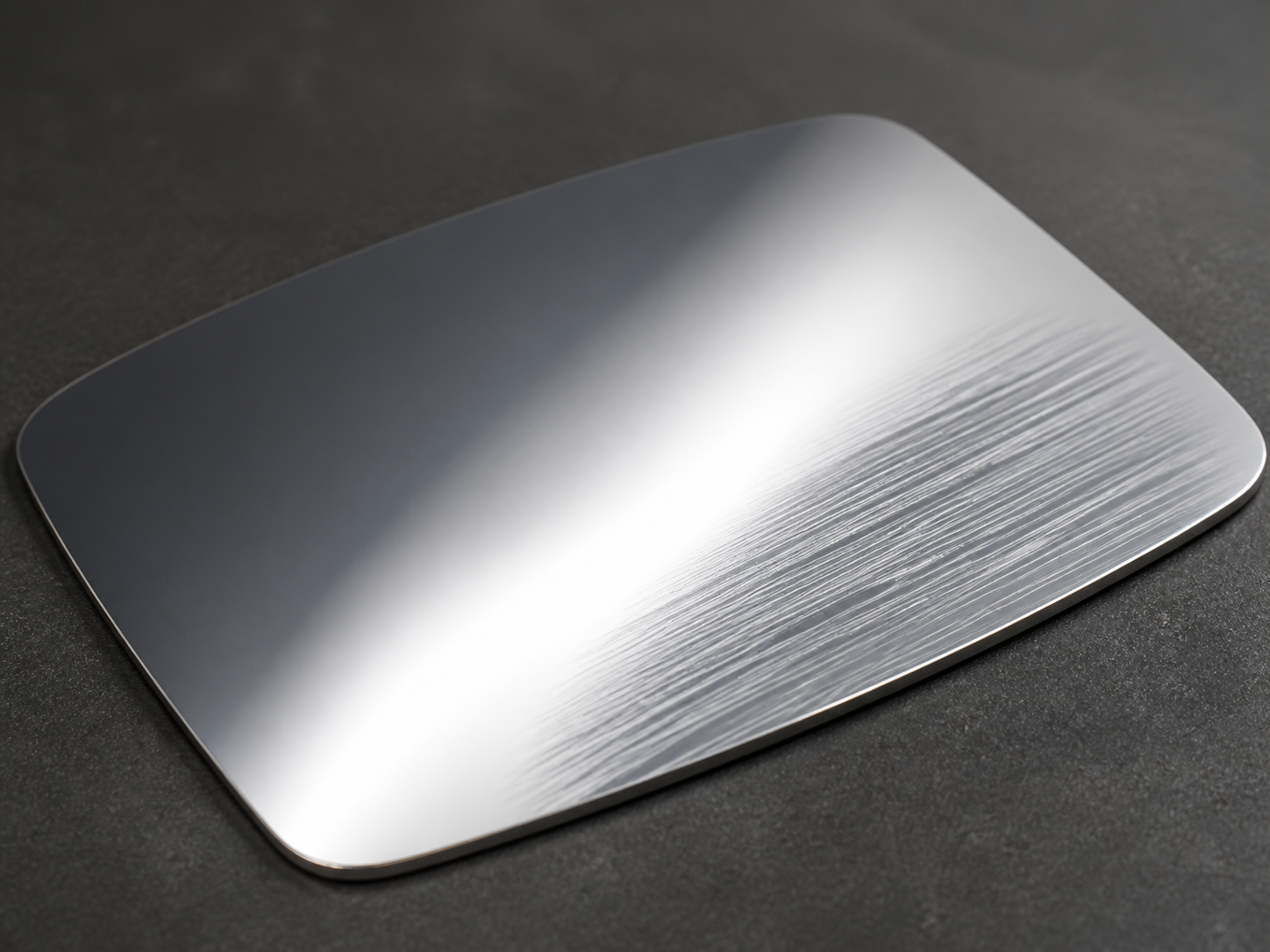
Use LUXI Orange only after abrasive preparation and the first polishing stage have been fully completed. All visible marks from the last abrasive must have been removed and the surface must already be even and formed. No scratches, previous-stage lines, pronounced dullness, waves, or areas of unfinished geometry should remain. LUXI Orange further smooths and stabilizes the already formed near-surface layer, but it does not replace preparation or a first-stage compound.
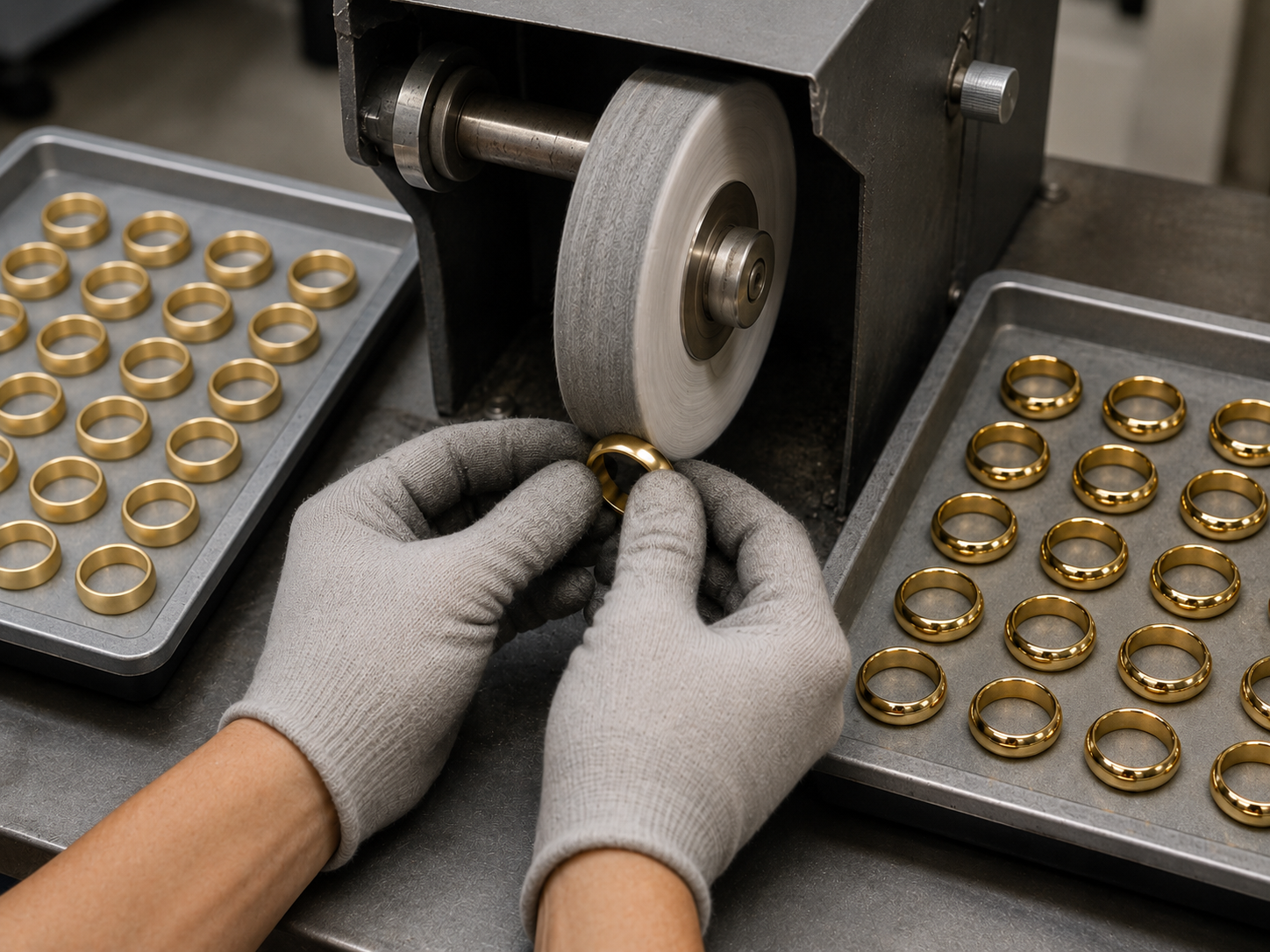
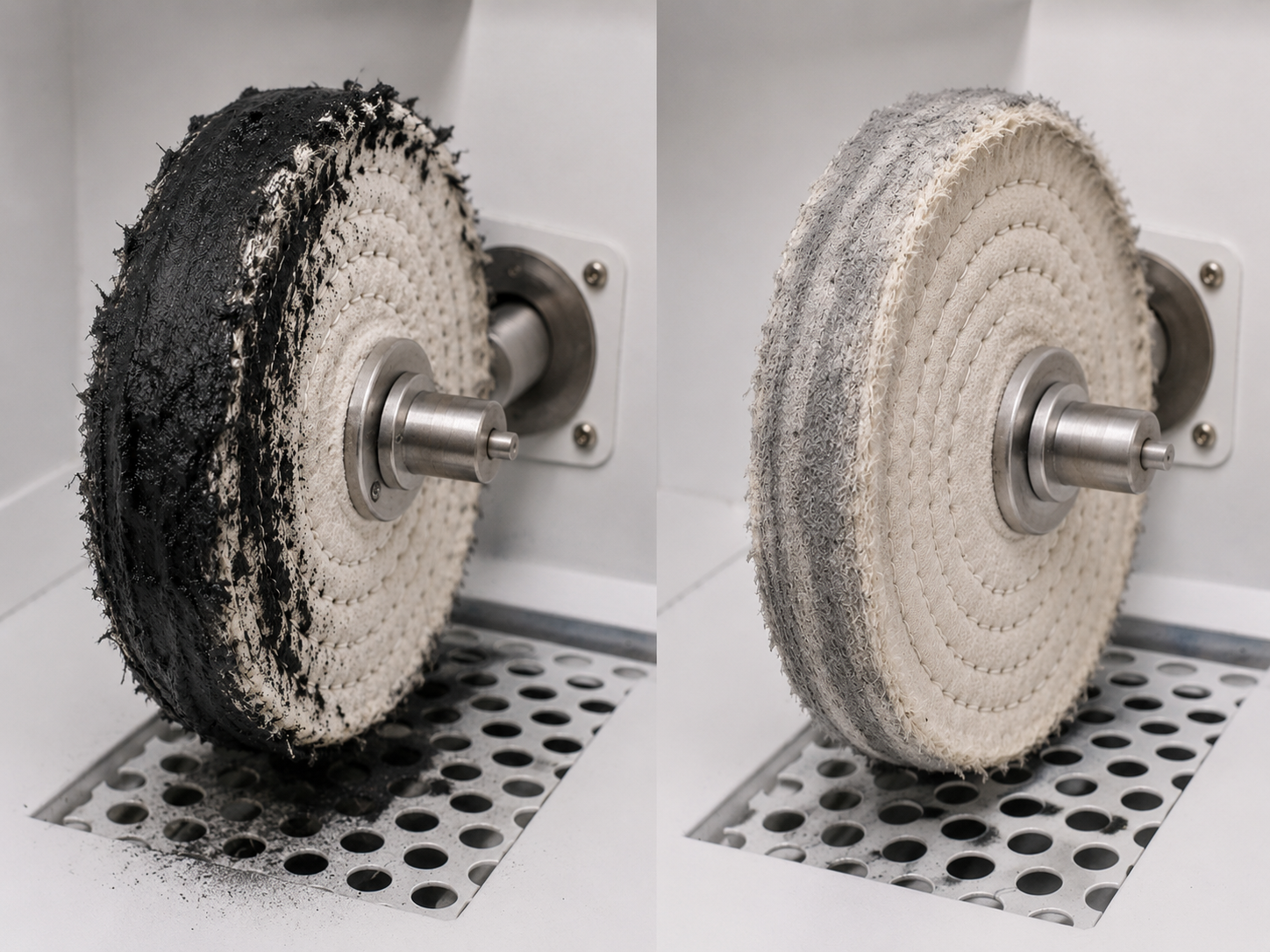
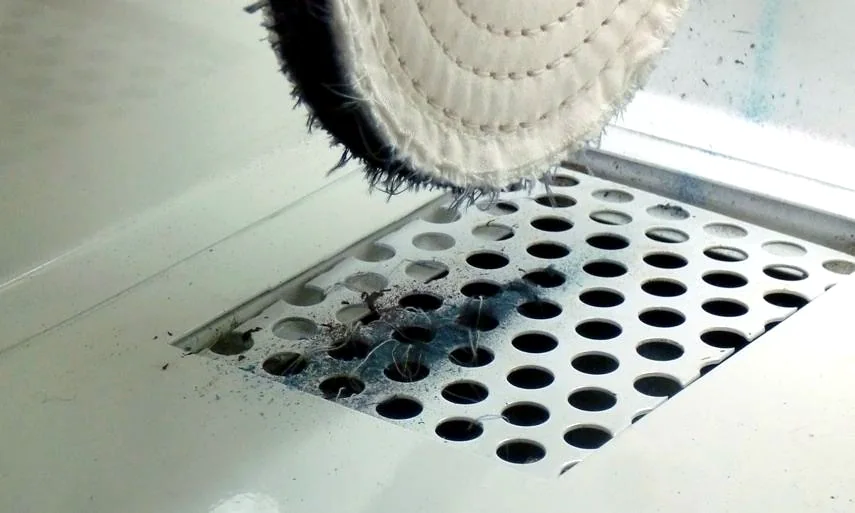
The main working tools are a clean unstitched flannel wheel and a clean unstitched muslin wheel. The softer flannel wheel provides the gentlest contact and the highest final lustre. Use muslin when a slightly more active finishing contact is required. For a wheel approximately 150 mm in diameter, the working starting range is 2500–3000 rpm. Stitched wheels, sisal, and felt tools are not part of the public LUXI Orange recommendation.
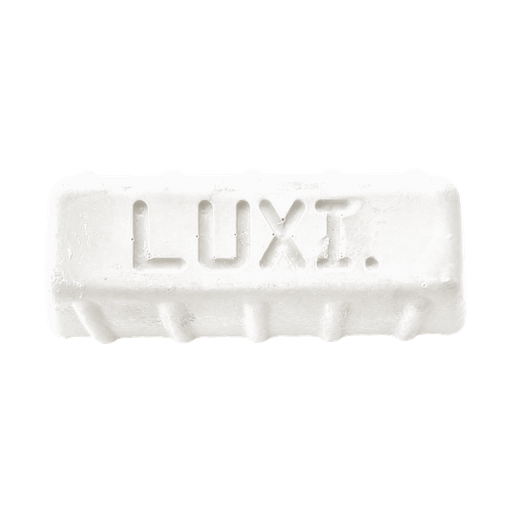
Apply LUXI Orange minimally. A thick compound layer must not form between the wheel and the item: the wheel performs the direct work on the surface, while excess compound weakens contact, makes the result harder to inspect, and increases contamination before coating. Use light pressure, short smooth passes, and regular directed-light inspection. Clean the working face of the wheel before it becomes dark, greasy, or overloaded. The relationship between minimal application, wheel cleanliness, washing, and surface stability is explained in “Compound chemistry and clean-polishing logic.”
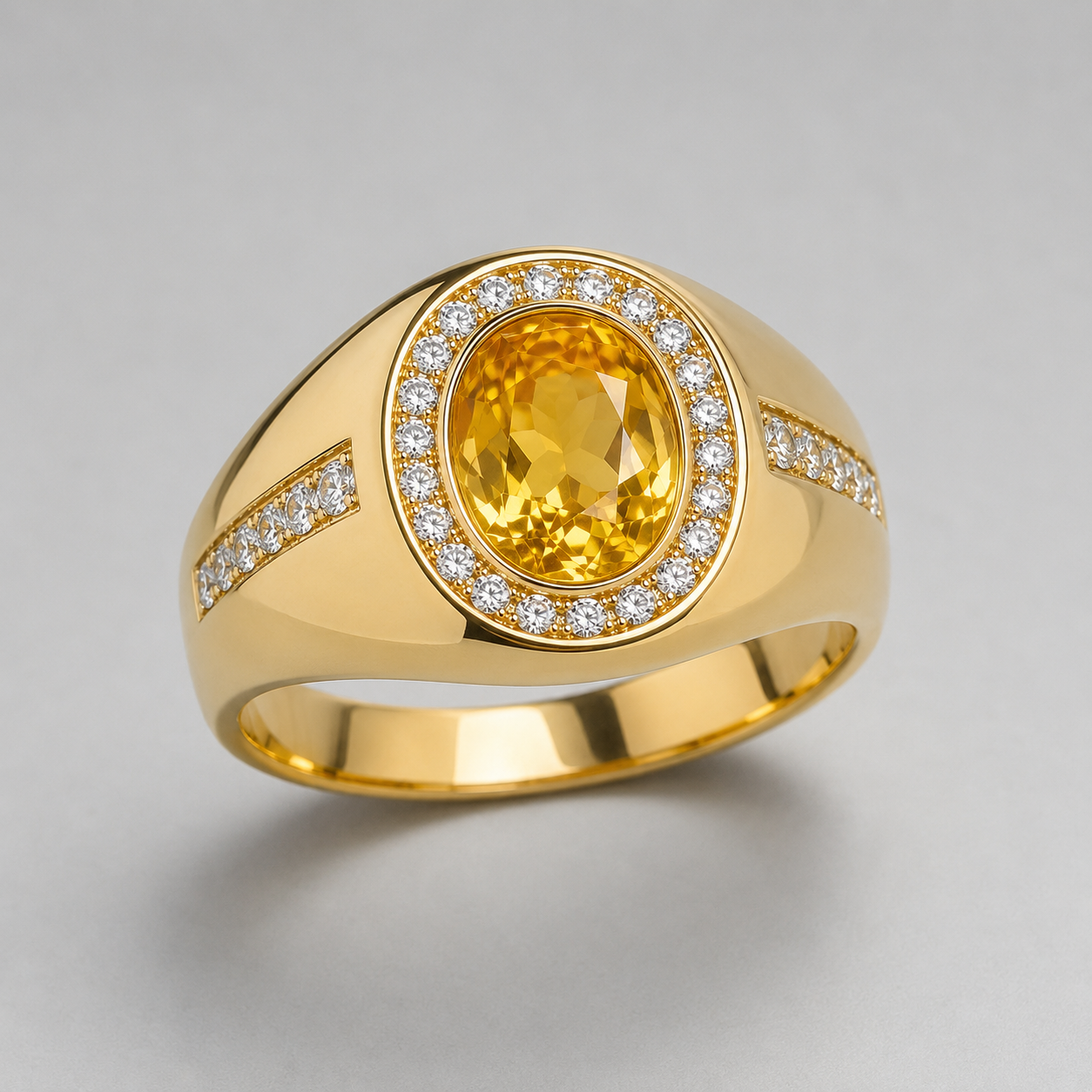
On gold and most gold alloys, choose LUXI Orange when an exceptionally high final lustre, strict visual inspection, or preparation before rhodium plating, gold plating, PVD, or another coating is required. LUXI Orange is an independent finishing choice and does not form a mandatory sequence with LUXI Super Fine White or LUXI Red. The detailed process is given in “Final lustre for gold.”
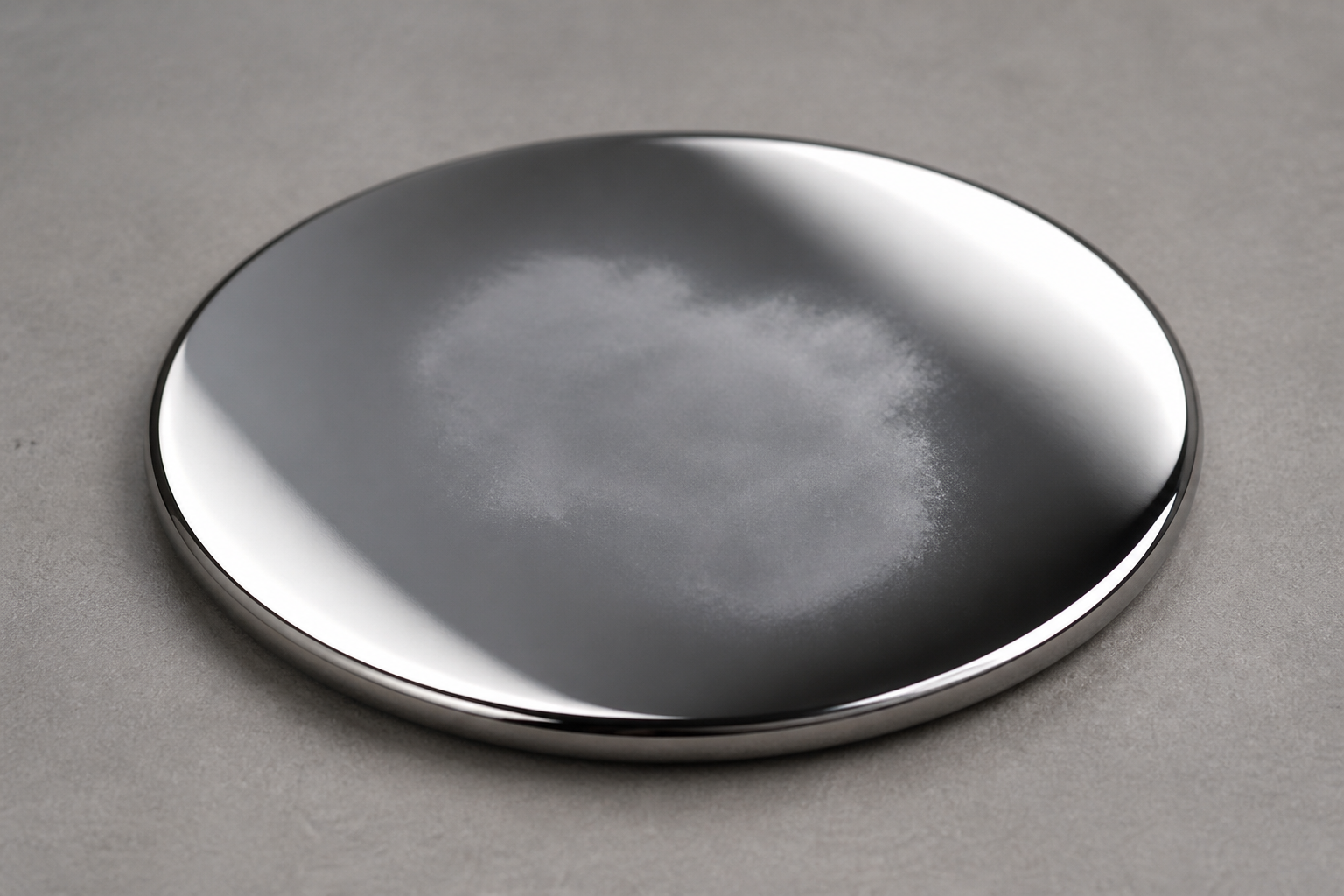
On silver alloys, use LUXI Orange after the first stage has been fully completed when surface quality before coating and stability after washing are especially important. Silver can be sensitive to ultrasonic washing that is too long, too hot, or too aggressive: a milky haze, preparation marks, or unstable areas may appear afterwards. Assess the result not only immediately after polishing but also after all compound has been removed. The detailed process is given in “Final lustre for silver.”
On brass, bronze, and other copper alloys, LUXI Orange completes polishing after a first-stage compound selected for the hardness of the alloy, the contact area, and the condition of the surface. Use it when an exceptionally high lustre or preparation before a decorative, protective, electroplated, or PVD coating is required. LUXI Orange must not remove marks left by an incomplete first stage or compensate for the wrong wheel.
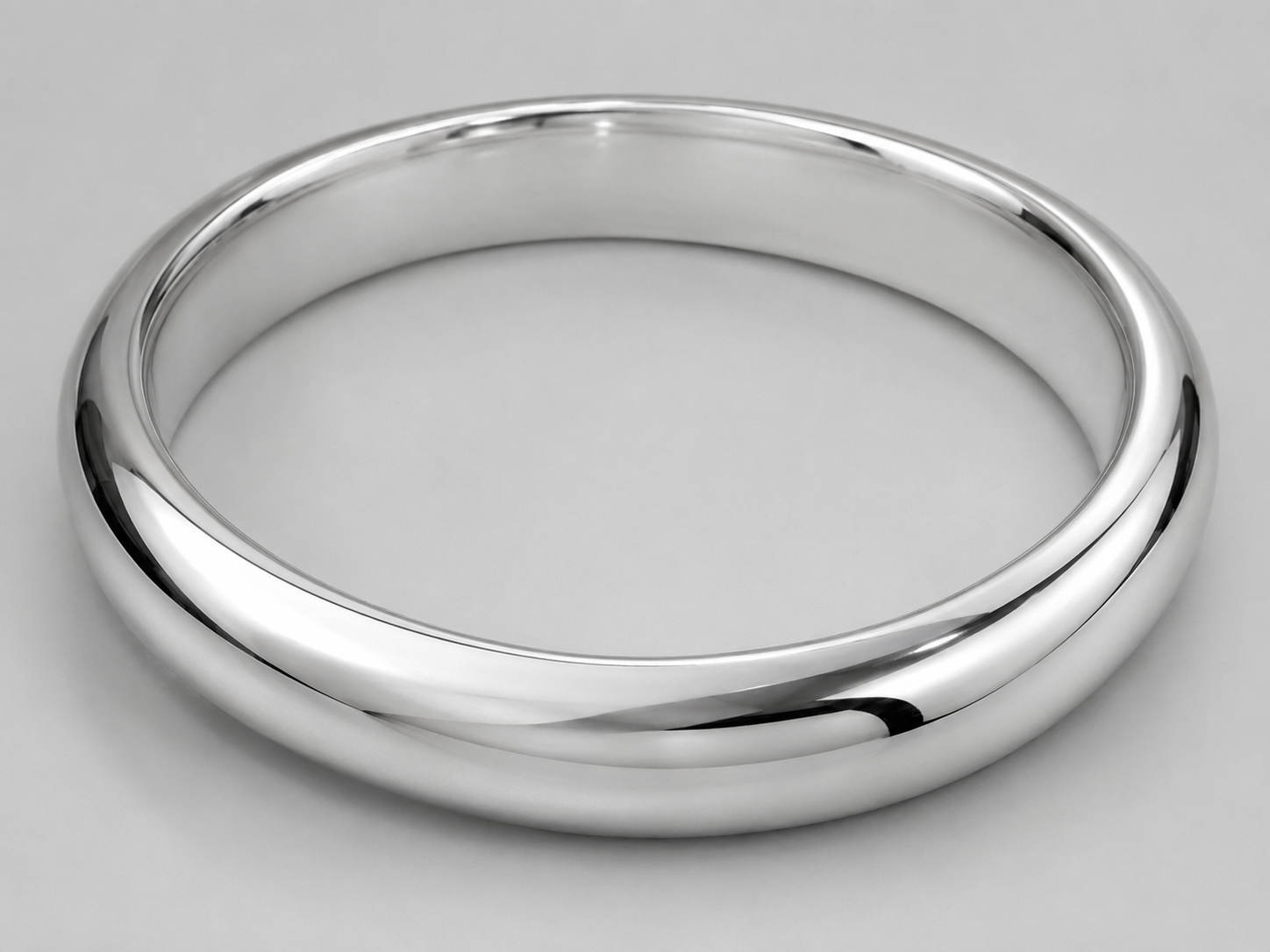
Polishing is complete when the surface has a high, even lustre and a uniform reflection and the result remains stable after all compound has been removed. If the surface remains cloudy after short passes, scratches are visible, or the lustre deteriorates after washing, check abrasive preparation, completion of the first stage, wheel type and cleanliness, the amount of LUXI Orange, pressure, and the cleaning method. Additional LUXI Orange must not be used instead of correcting the previous stage.
LUXI Super Fine White, LUXI Red, and LUXI Orange perform different finishing tasks and do not form a mandatory sequence. LUXI Super Fine White is the standard finish for a high, even lustre. Choose LUXI Red when black-trace inspection of micropores and small irregularities is useful. Choose LUXI Orange for an exceptionally high lustre, stricter final inspection, and preparation before operations sensitive to compound residue.
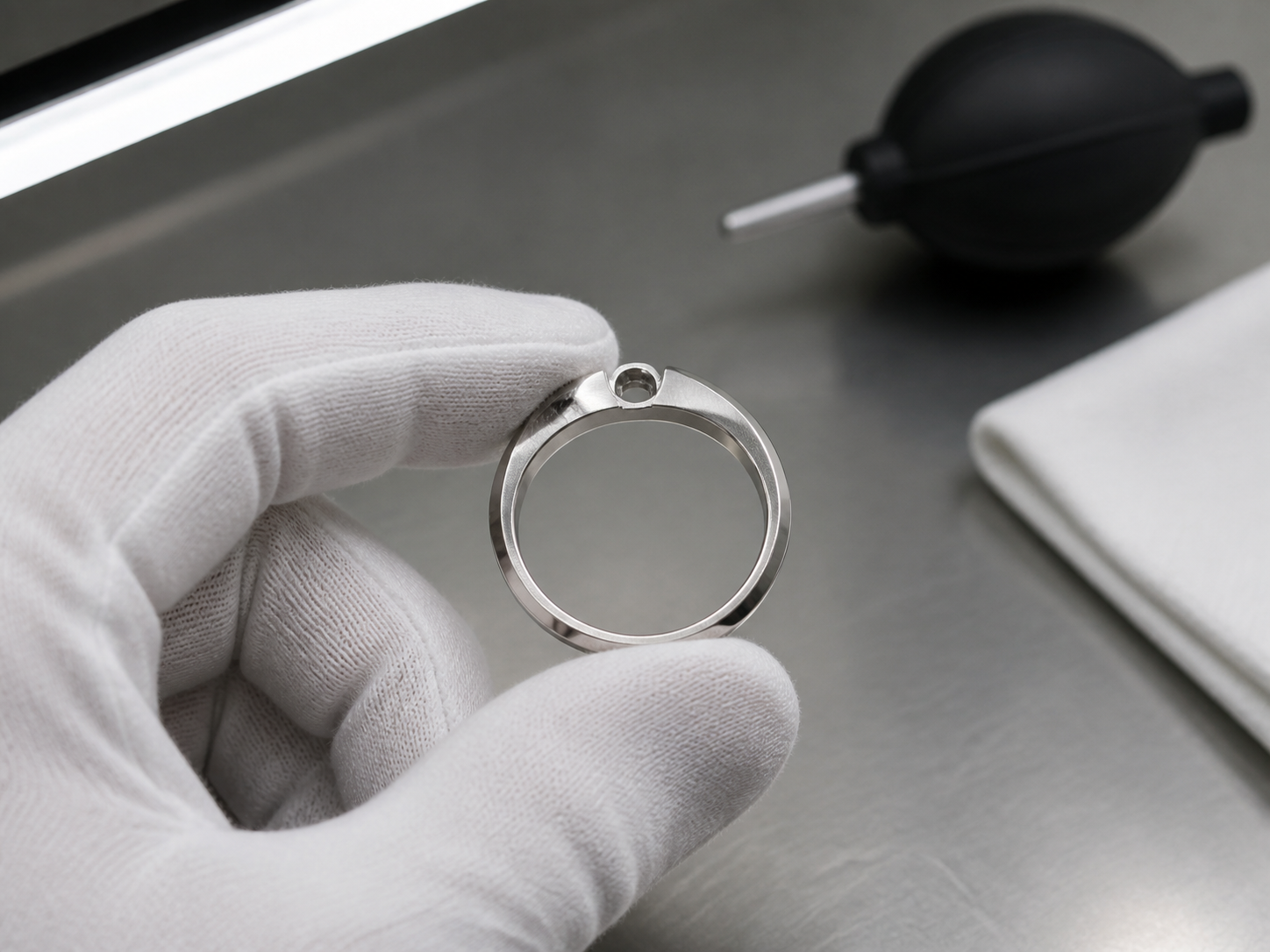
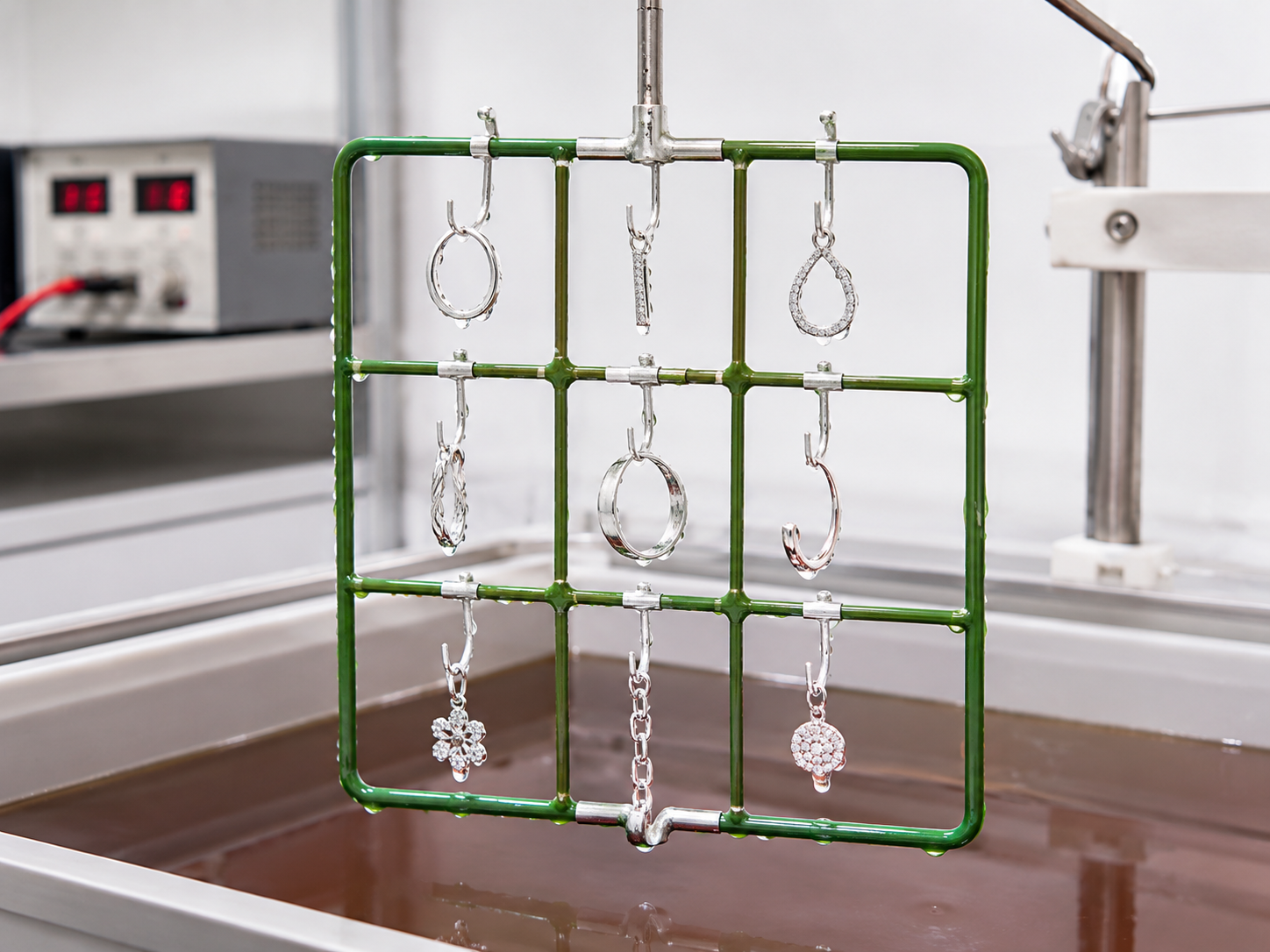
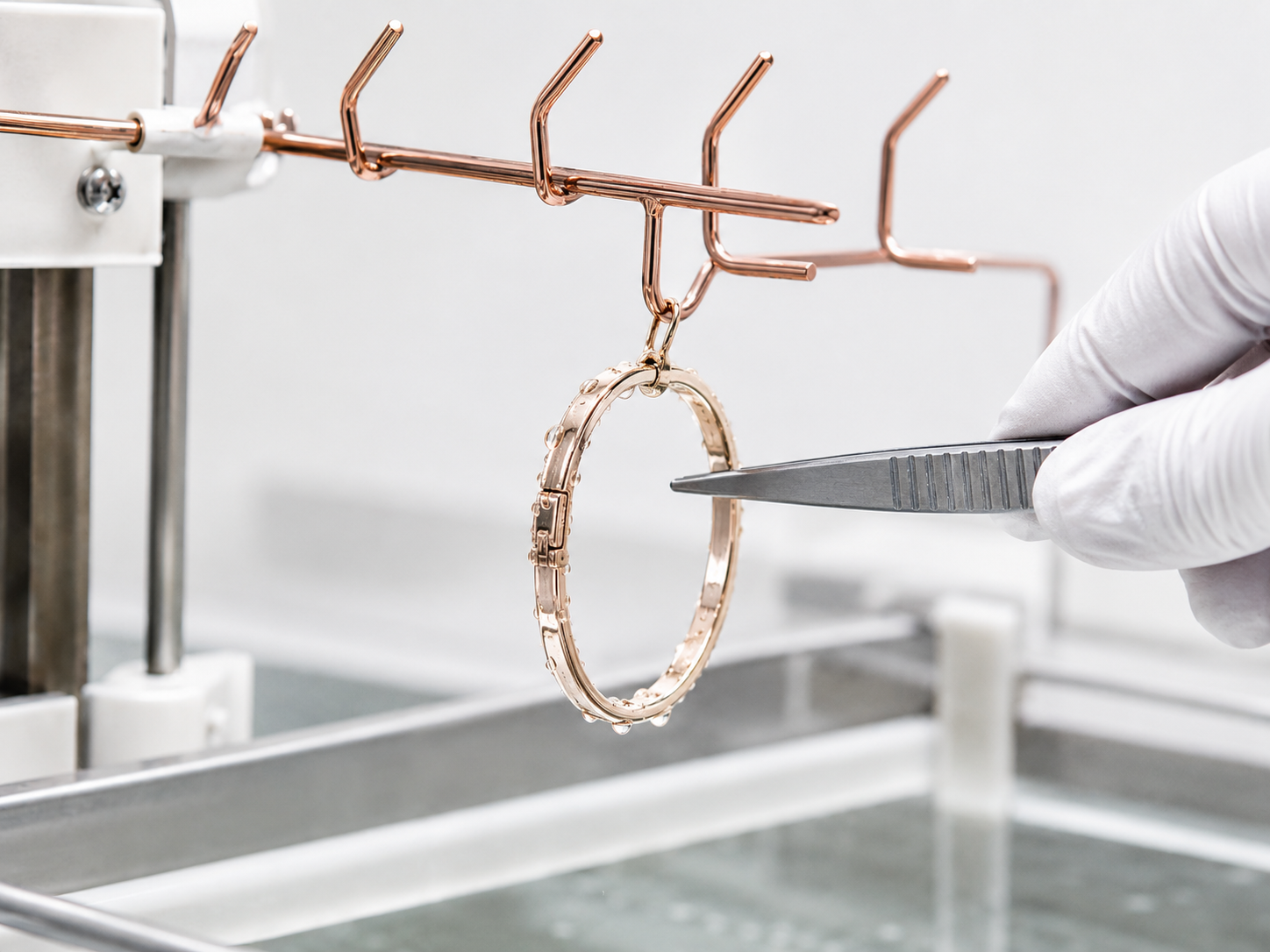
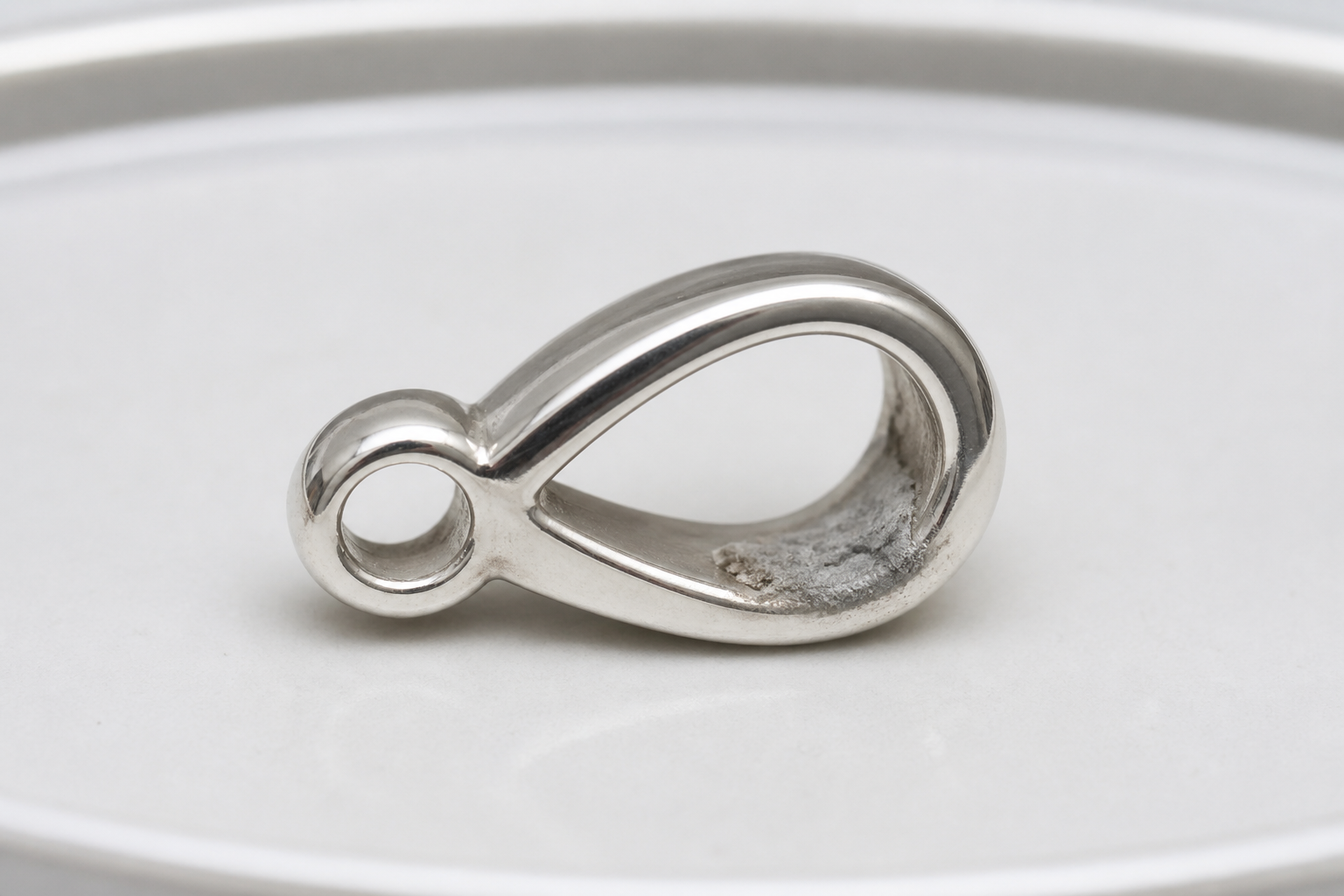
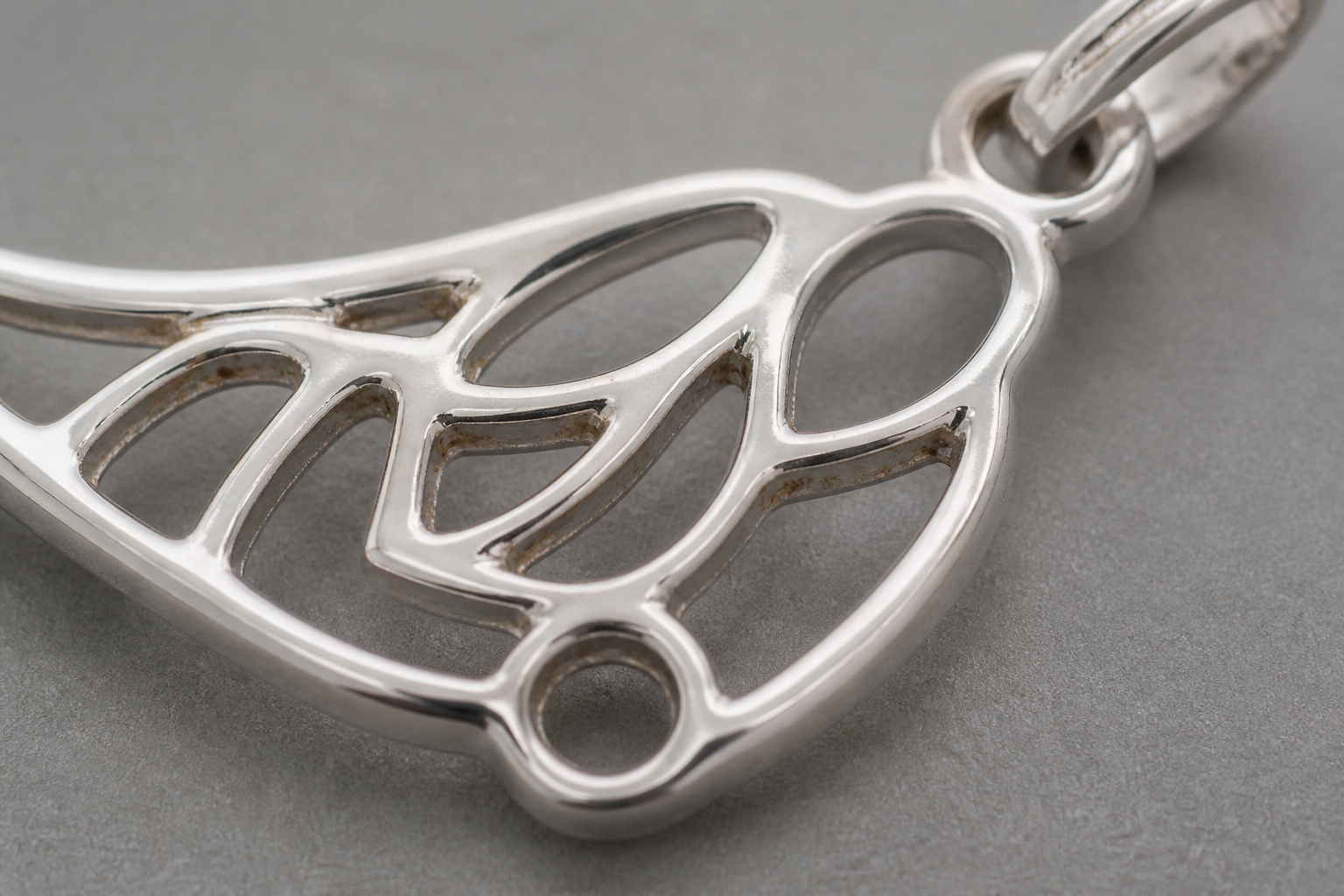
After LUXI Orange, clean the item completely and inspect it under directed light. Before electroplating, PVD, or another coating, no compound, removed metal, greasy film, wheel contamination, cloudy areas, or marks revealed by washing may remain. Pay particular attention to micropores, relief, settings, inside corners, undercuts, spaces between elements, and areas around stones. Practical continuations include “Clean finishing before electroplating or PVD,” “Preparation before electroplating and coatings,” and “Washing after LUXI polishing.”
What do material groups mean?