 Integrated Polishing System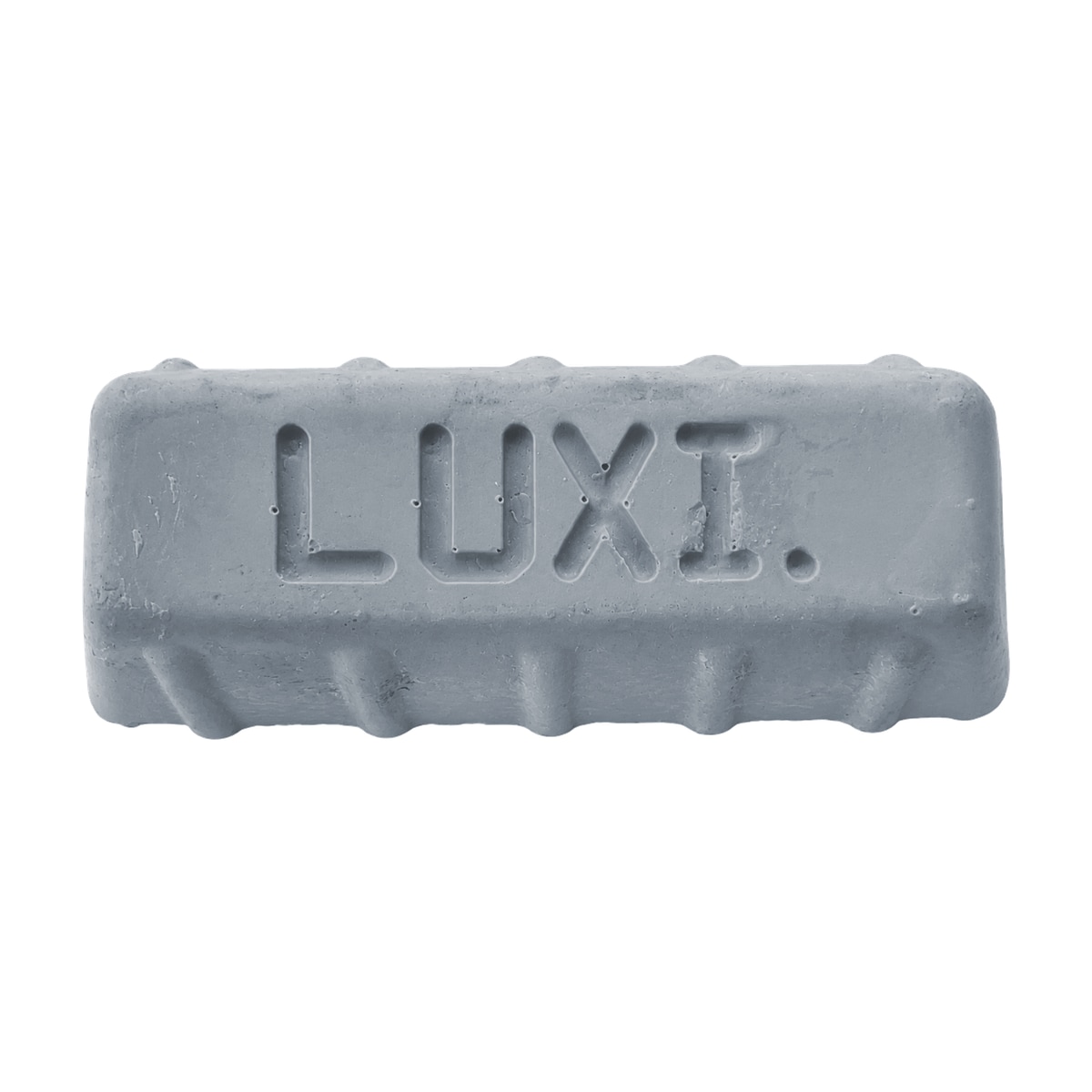
Application context
Before using LUXI Gray, complete the item’s geometry, necessary repair, and all abrasive preparation. P400 is the general minimum starting point, but preparation to P600 or finer is preferred according to the material, surface condition, item shape, and required result. Deep scratches, unfinished shape corrections, cracks, or open cavities that a first-stage compound cannot remove without loss of geometry must not remain.
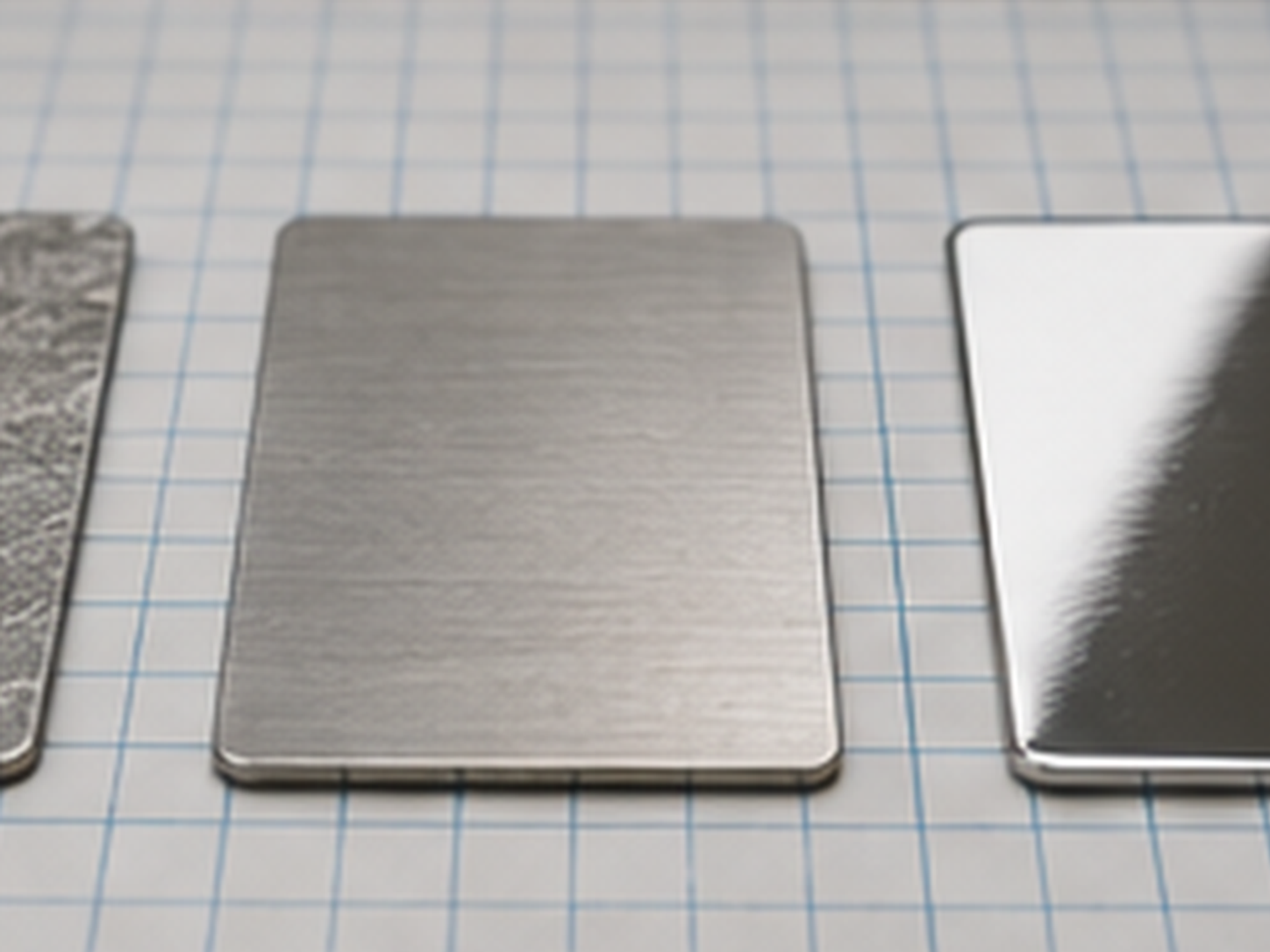
Stainless steel normally requires finer abrasive preparation. P1000–P1200 may be a starting point, and P1500 or finer may be required for large smooth flat surfaces. These values do not replace visual inspection: the whole surface must be prepared evenly without isolated marks from a coarser abrasive.
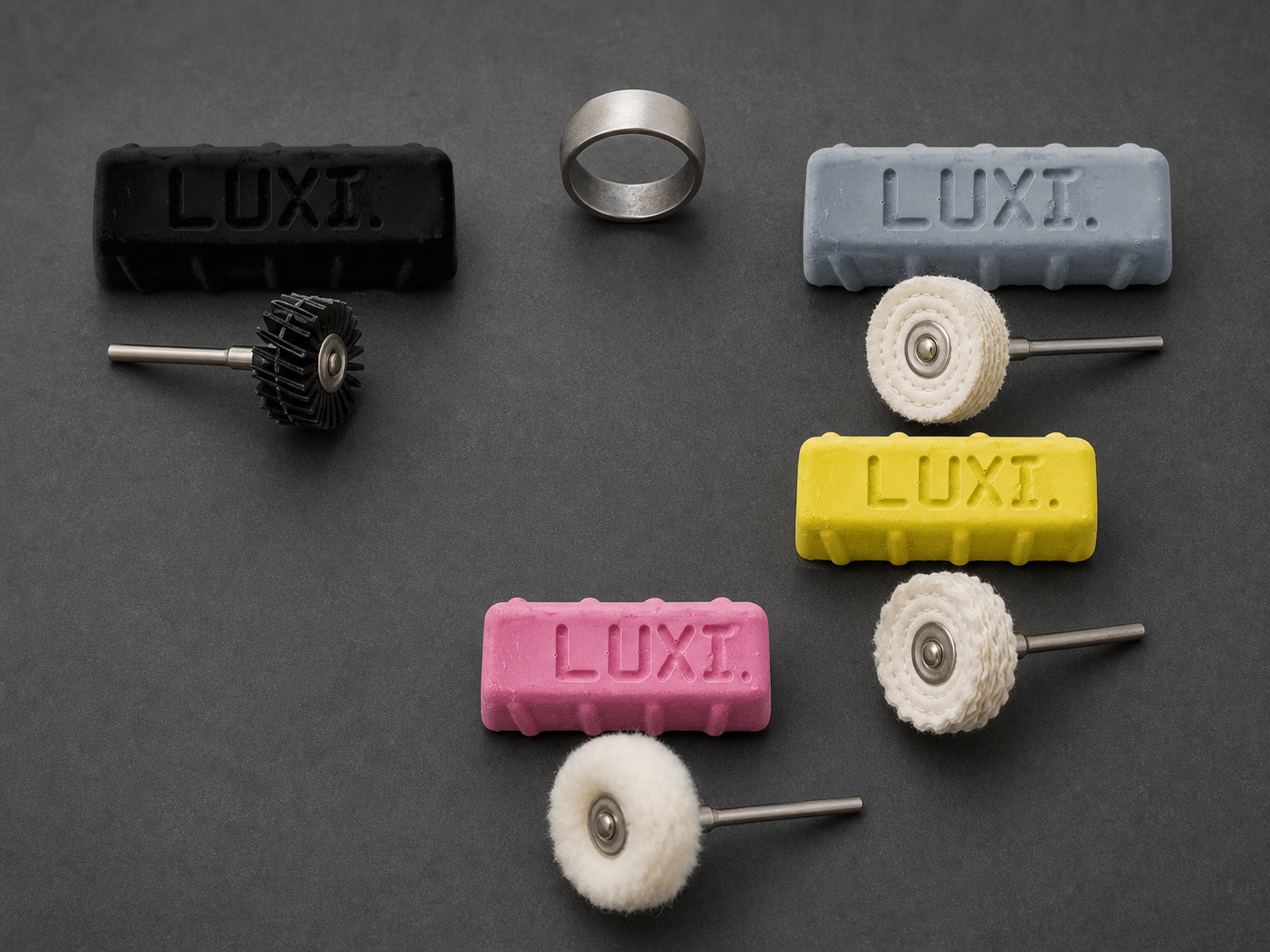
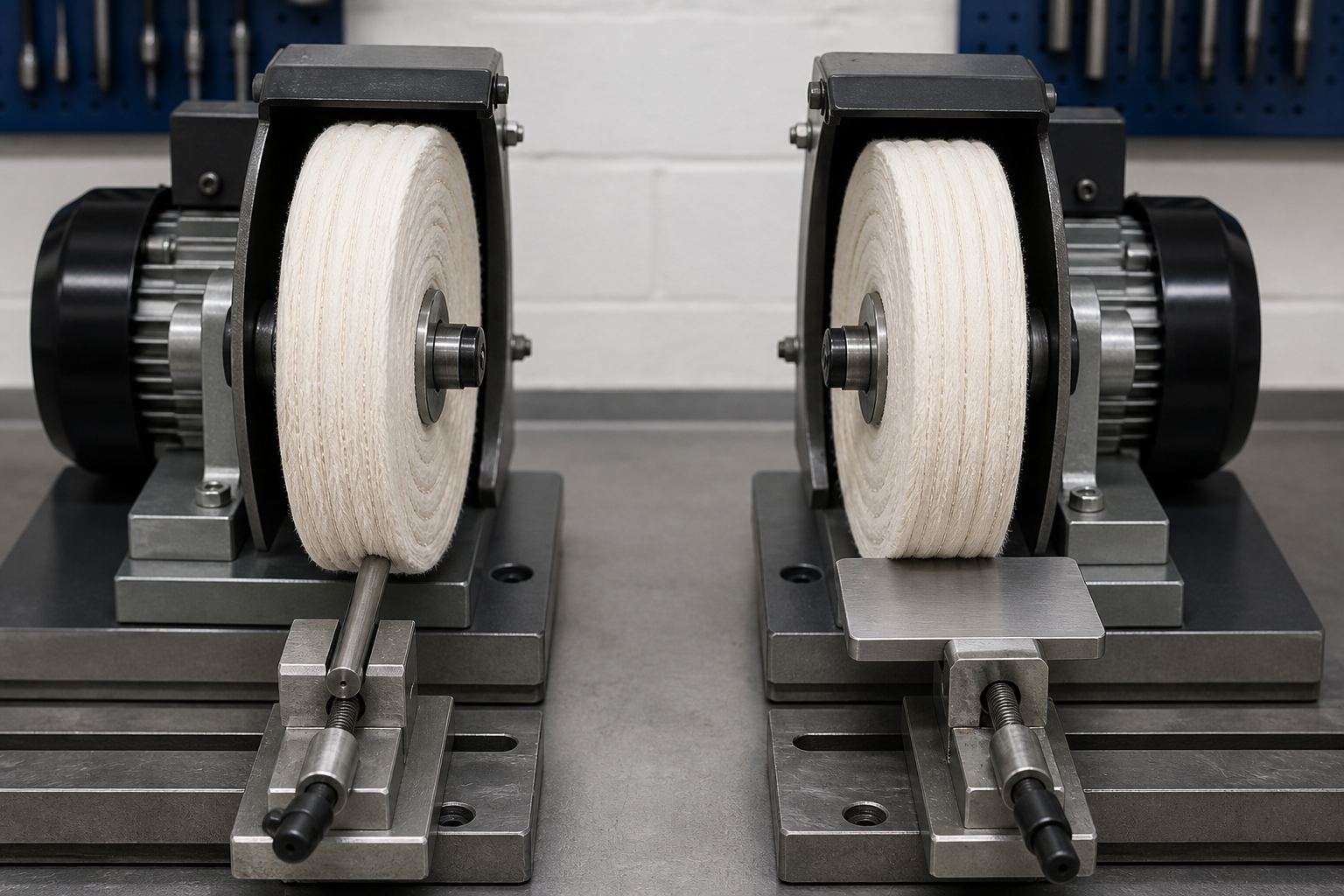
A sisal wheel provides the most active LUXI Gray action and is used on hard material when an ordinary stitched cotton wheel is too soft. Sisal creates a harder contact and requires especially short passes to avoid losing edges, relief, or flat geometry.
An ordinary stitched cotton wheel is the main option for a strong first stage with softer contact than sisal. It is suitable when removal is required but mass, edges, and relief must also be preserved.
A treated stitched cotton wheel creates a firmer contact and stronger action than an ordinary stitched cotton wheel. Choose it when the ordinary stitched wheel is not active enough but sisal would remove more material than required. The confirmed data do not establish a specific cotton-fabric family for LUXI Gray, so Calico, muslin, or another fabric family must not be inserted without a separate owner decision.
For a standard wheel approximately 150 mm in diameter, the working starting range is 2500–3000 rpm. For a tool of another diameter, select the operating conditions according to linear surface speed and actual contact area. Insufficient action must not be compensated for with excessive pressure, prolonged continuous contact, or excess LUXI Gray.
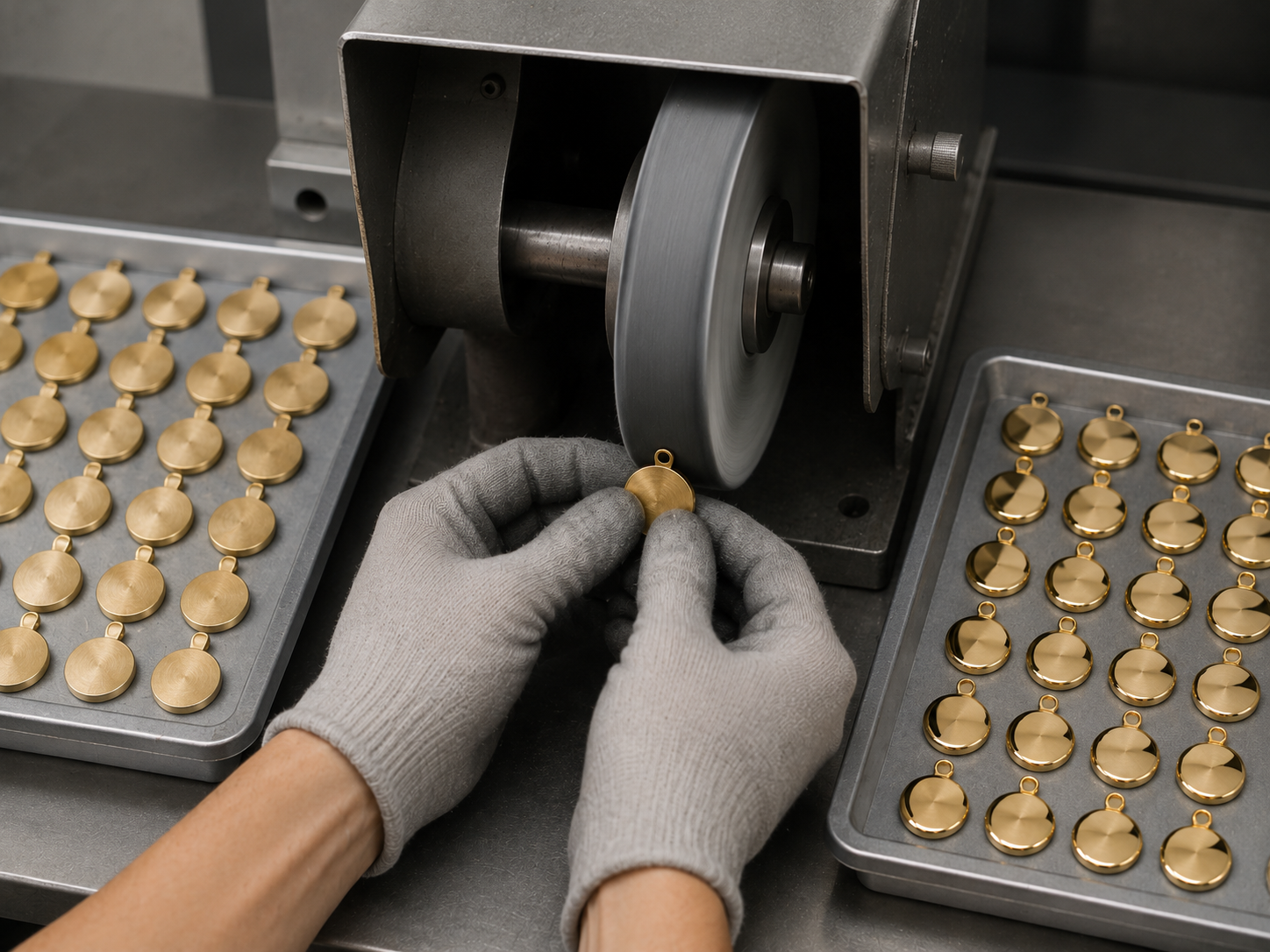
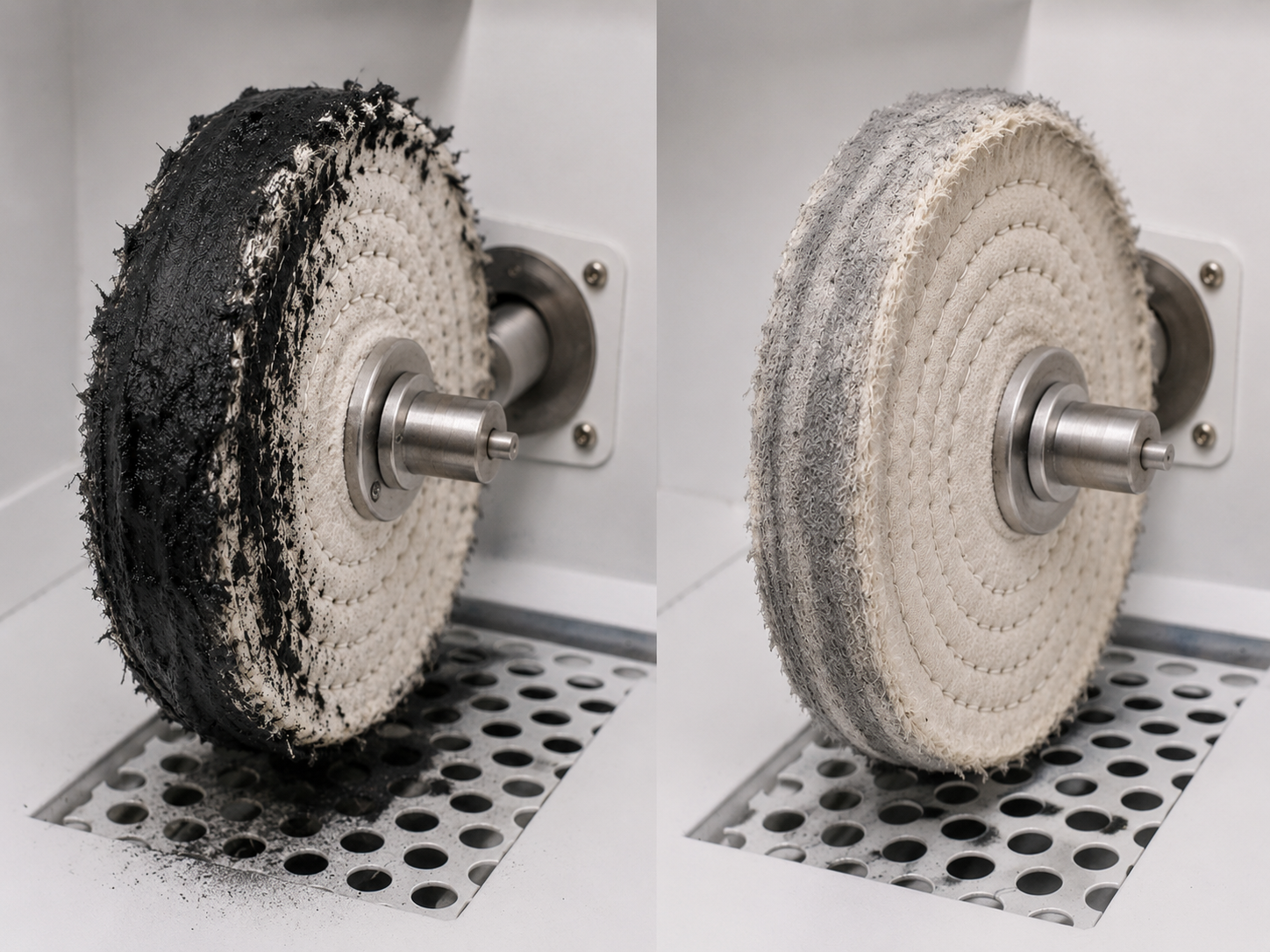
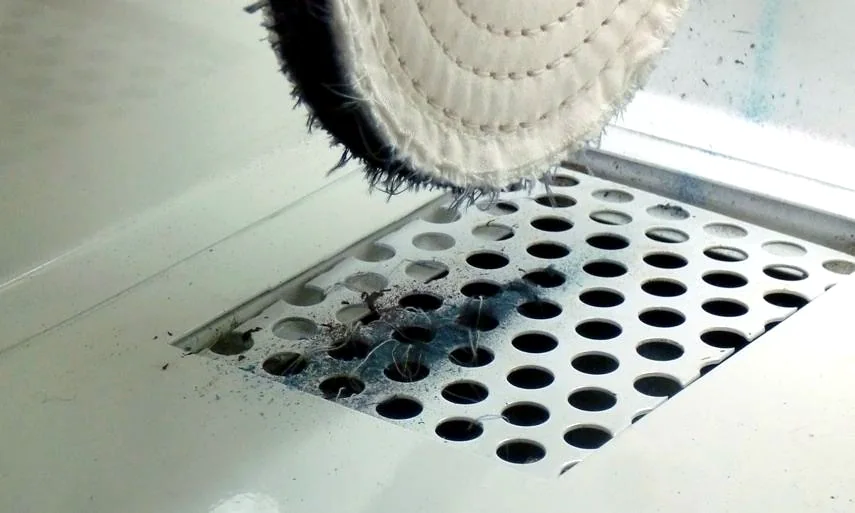
Apply LUXI Gray minimally to a clean wheel. A thick layer of compound and removed metal must not form between the working face of the wheel and the item. Work in short passes; after each pass, move the item away from the wheel, inspect the surface, and allow it to cool when required. Pressure must provide stable working contact without noticeable overheating, loss of shape, or rpm drop under load. If the wheel darkens, becomes greasy, or clogs, clean it before continuing.
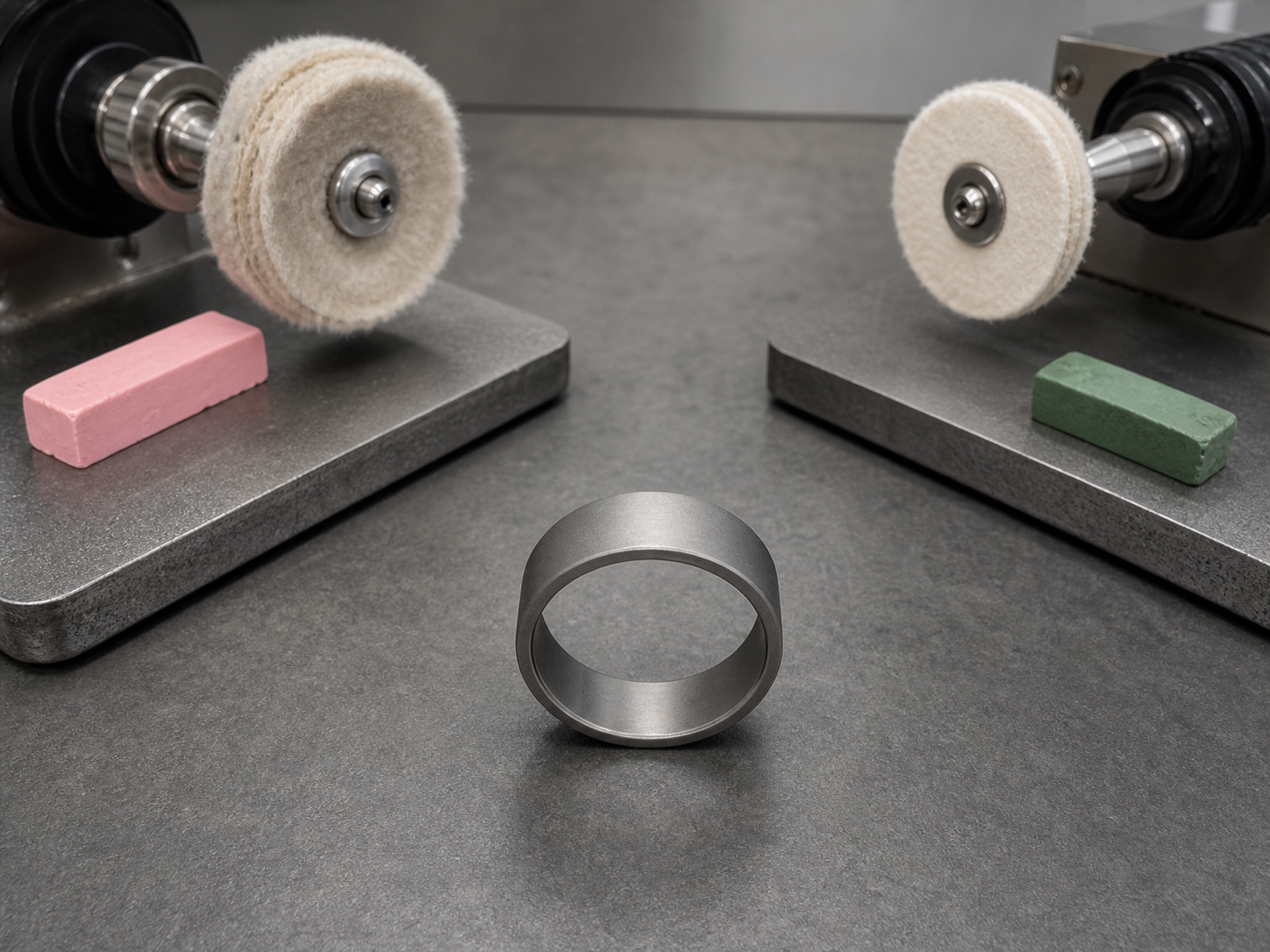
On platinum, use LUXI Gray after fine, even abrasive preparation. For a direct transition from LUXI Gray to LUXI Pink, the confirmed option uses surface preparation approximately to P2000–P3000. After all visible marks from the last abrasive have been fully removed, use LUXI Pink as the finishing compound on a separate clean white unstitched Calico wheel.
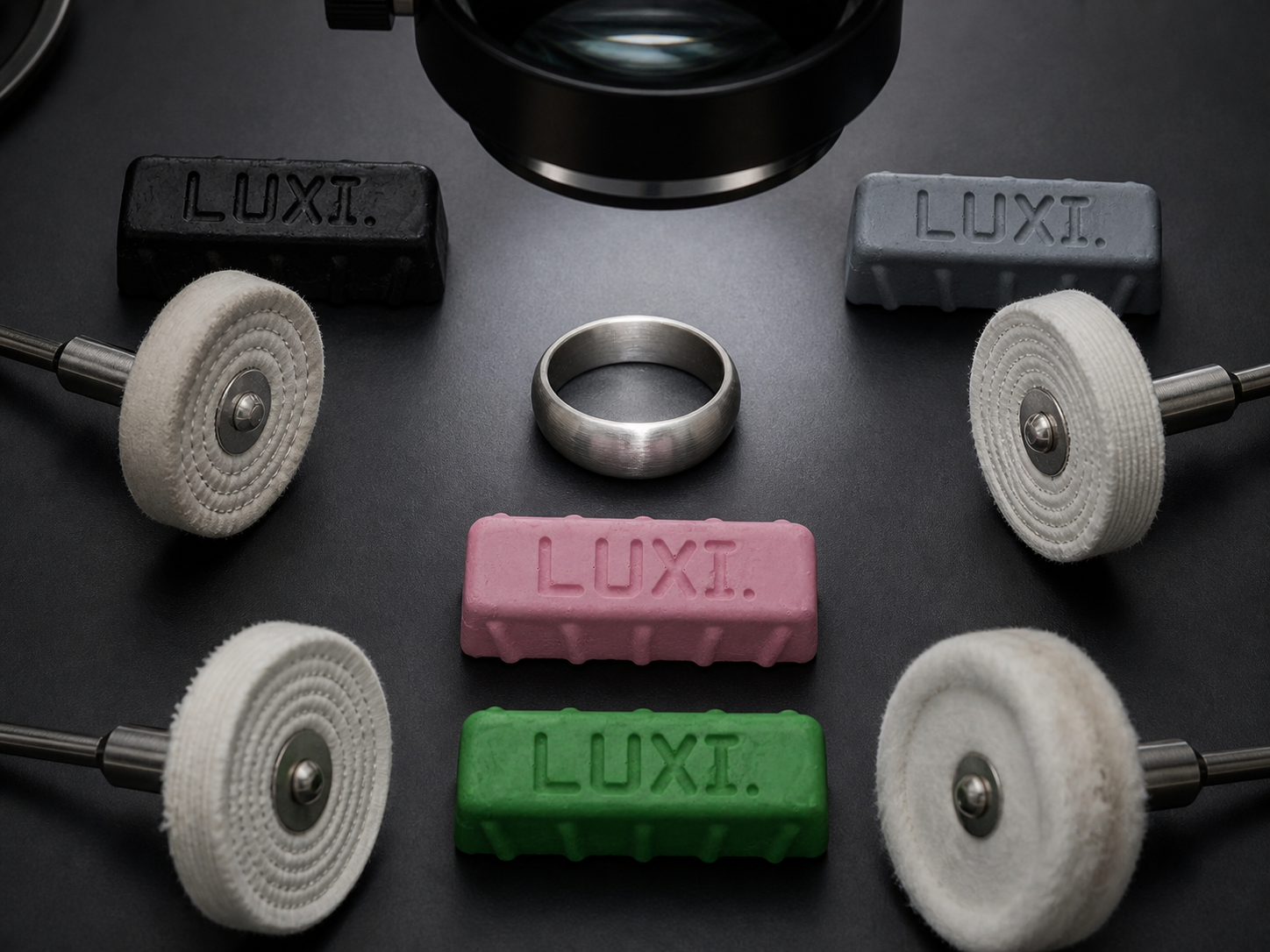
On titanium, the next choice after a completed LUXI Gray first stage depends on the behaviour of the particular alloy grade. If the surface remains stable under standard conditions, finishing may be performed with LUXI Pink on a separate clean white unstitched Calico wheel. If increased temperature produces waves or orange peel, use LUXI Green instead with a softer tool and lower contact-zone temperature. LUXI Pink and LUXI Green are alternatives in this branch, not mandatory consecutive stages.
On stainless steel, LUXI Gray performs an active first stage. If the surface is even afterwards, all visible marks from the last abrasive have been fully removed, and the trace left by LUXI Gray is suitable for finishing, the next product may be LUXI Pink. When a softer transition is required before finishing, the confirmed option is LUXI Gray → LUXI Yellow → LUXI Pink. LUXI Yellow is not mandatory after every use of LUXI Gray; decide from the actual surface condition.
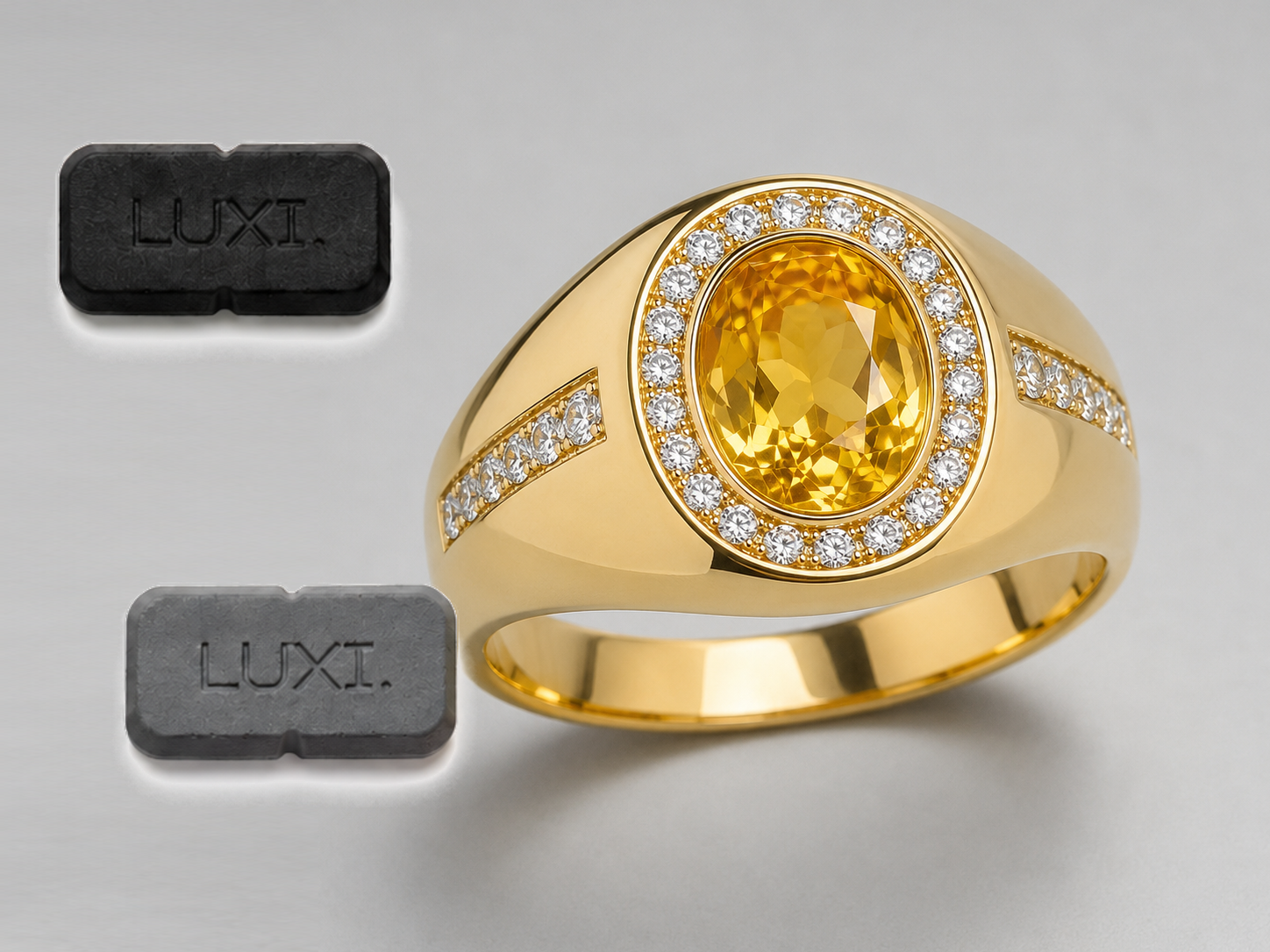
On hard white-gold alloys and large flat or open gold surfaces, choose LUXI Gray as a more active alternative to LUXI Yellow when LUXI Yellow cannot fully complete the first stage and LUXI Black is stronger than required. After the completed first stage, use LUXI Super Fine White for the standard high lustre. Use LUXI Orange when an especially clean and bright surface is required before electroplating or PVD. Palladium white gold may be finished with LUXI Pink after a first stage appropriate to the hardness of the particular alloy.
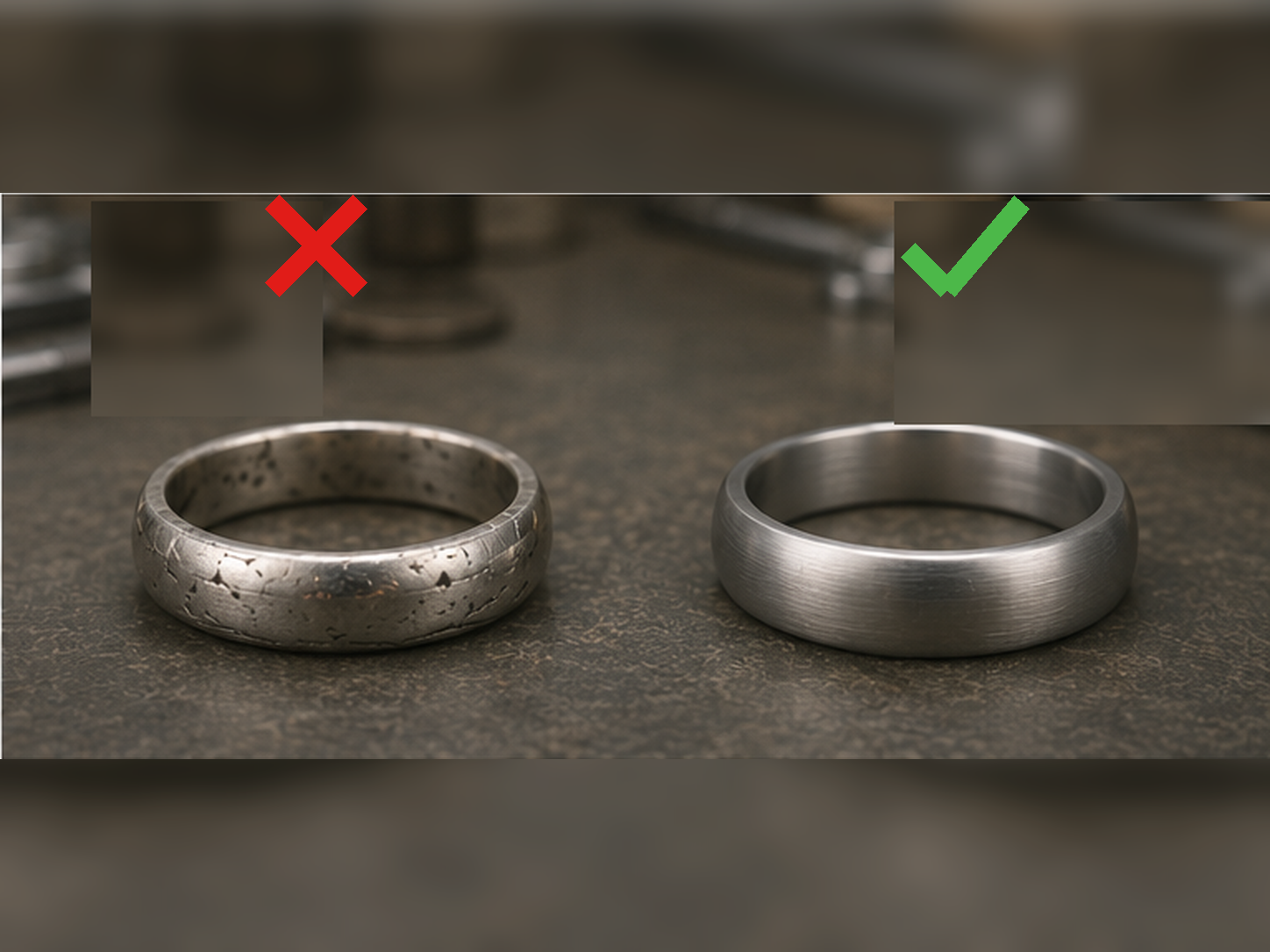
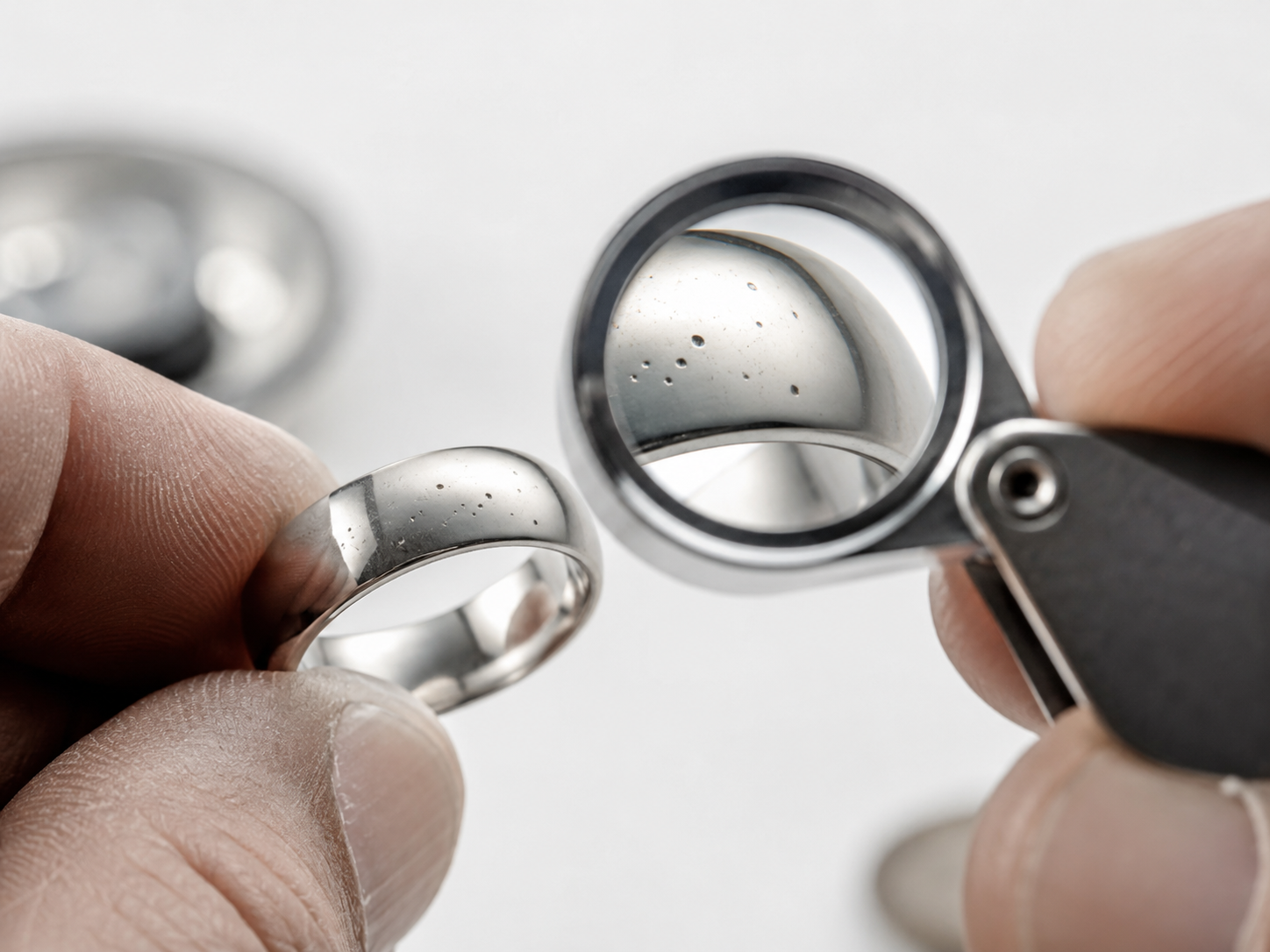
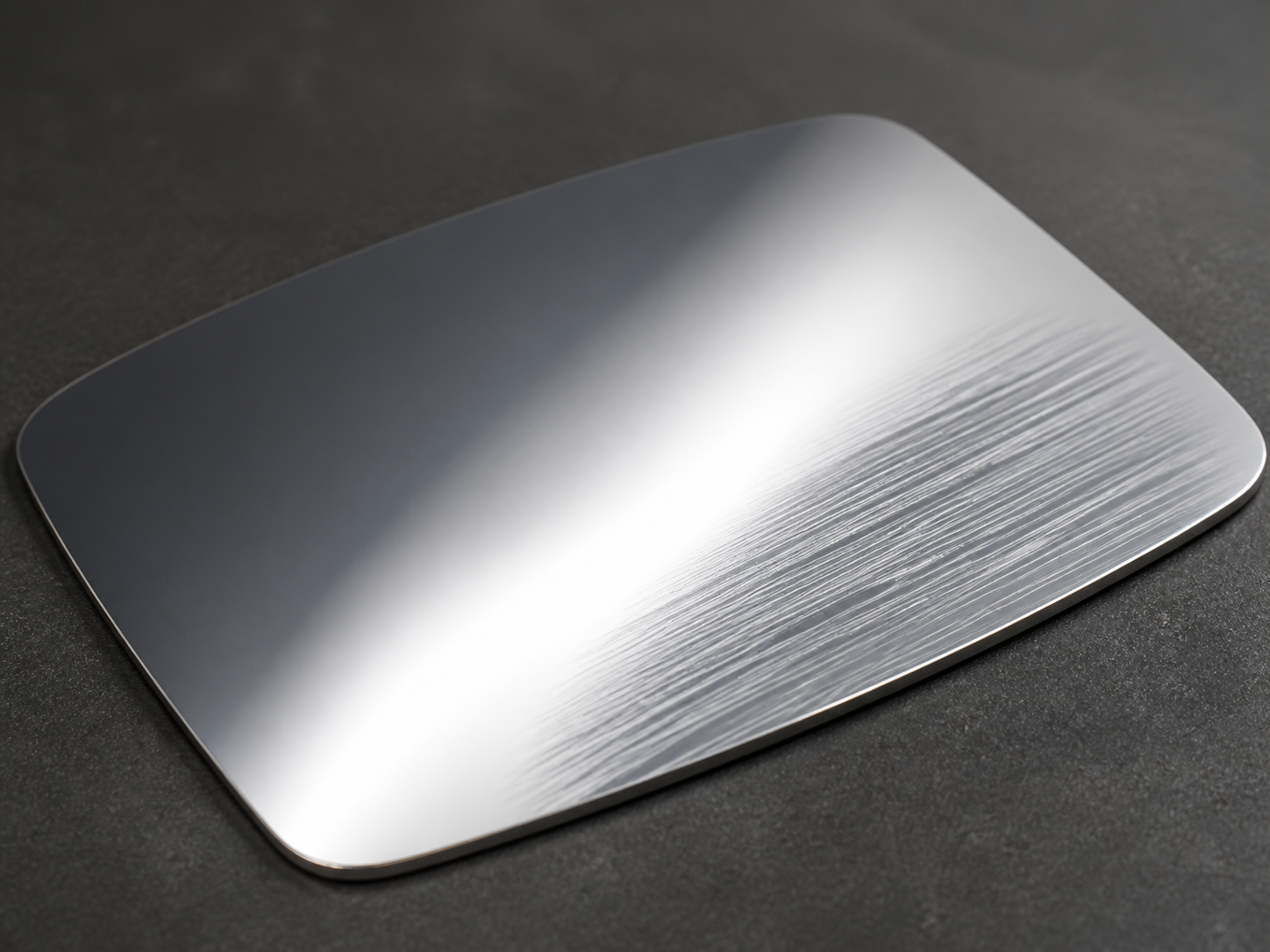
The LUXI Gray first stage is complete when all visible marks from the last abrasive have been fully removed, the surface is even, and the intended shape, edges, relief, and flat areas retain their geometry. Assess the result on a clean surface under directed light. Noticeable lustre alone is not a completion criterion while scratches or lines from the last abrasive remain visible.
If abrasive marks remain, first check the uniformity and grade of abrasive preparation, wheel selection and cleanliness, the amount of LUXI Gray, rpm, contact area, pressure, pass duration, and surface temperature. Do not add more compound or increase pressure to compensate for insufficient preparation or a wheel that is too soft. After checking, choose a more suitable tool, a more active first-stage alternative, or return the item to abrasive preparation.
If polishing opens pores, cracks, cavities, or deep defects that enlarge during continued work, stop polishing. Such defects are outside the capability of the compound and require a return to abrasive preparation, repair, or a production decision about whether the item is suitable to continue. Prolonged work with LUXI Gray, additional compound, and increased pressure will not correct the cause.
LUXI Blue, LUXI Yellow, LUXI Gray, LUXI Black, and LUXI Asian Blue represent first-stage options with different activity levels. They do not need to be used sequentially on every item. Select a more active product only after checking preparation, wheel, and contact area. Particular material processes may include a transition from LUXI Black to LUXI Gray or from LUXI Gray to LUXI Yellow, but these are special options rather than a universal order of work.
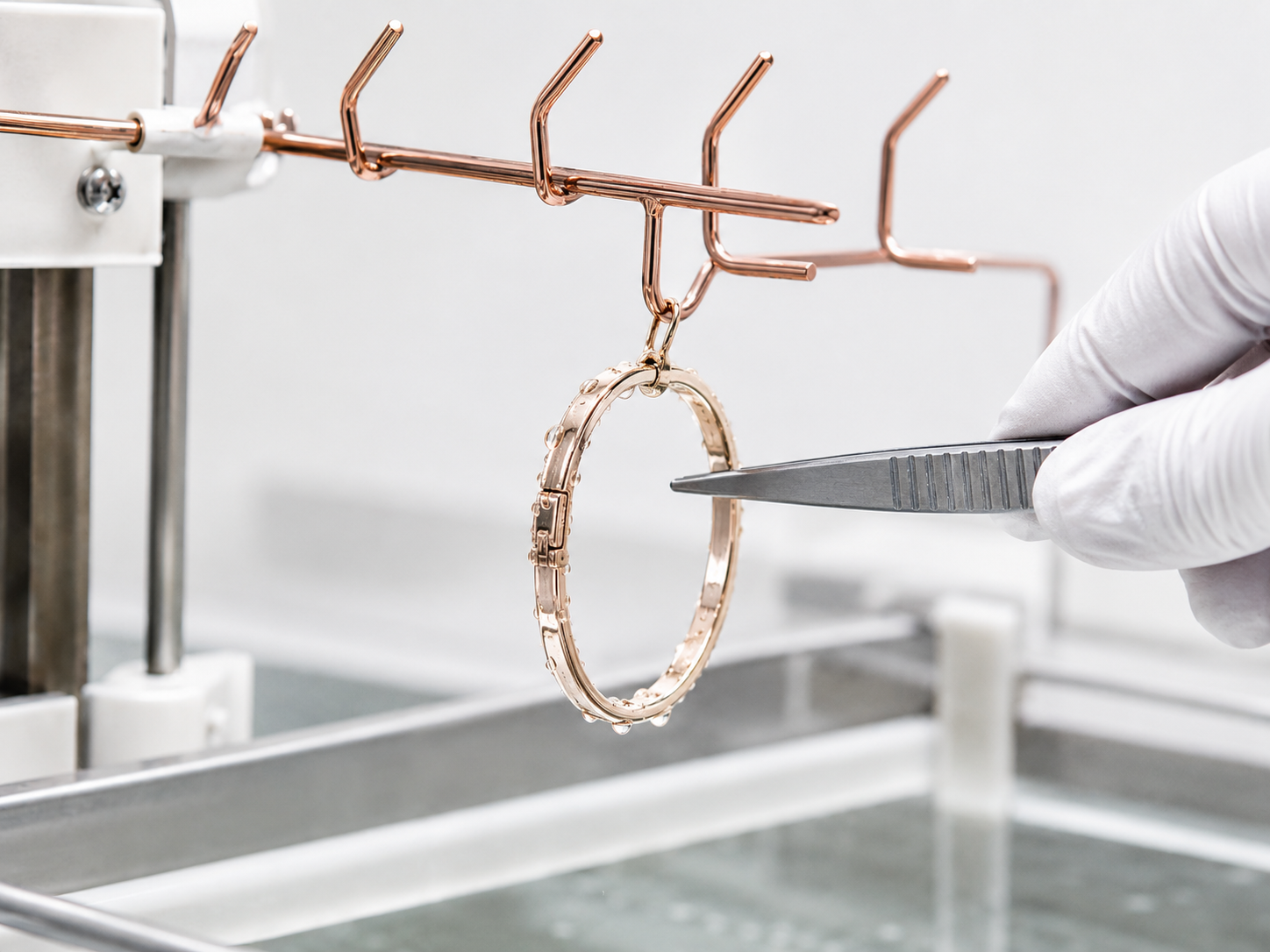
Before assessment and transition to the next compound, remove all LUXI Gray residue and removed metal, especially from relief, recesses, inside corners, and joints. Inspect the surface under directed light after cleaning. Use a separate clean wheel or tool for every following product so that LUXI Gray residue is not transferred to the finer stage.