
 Integrated Polishing System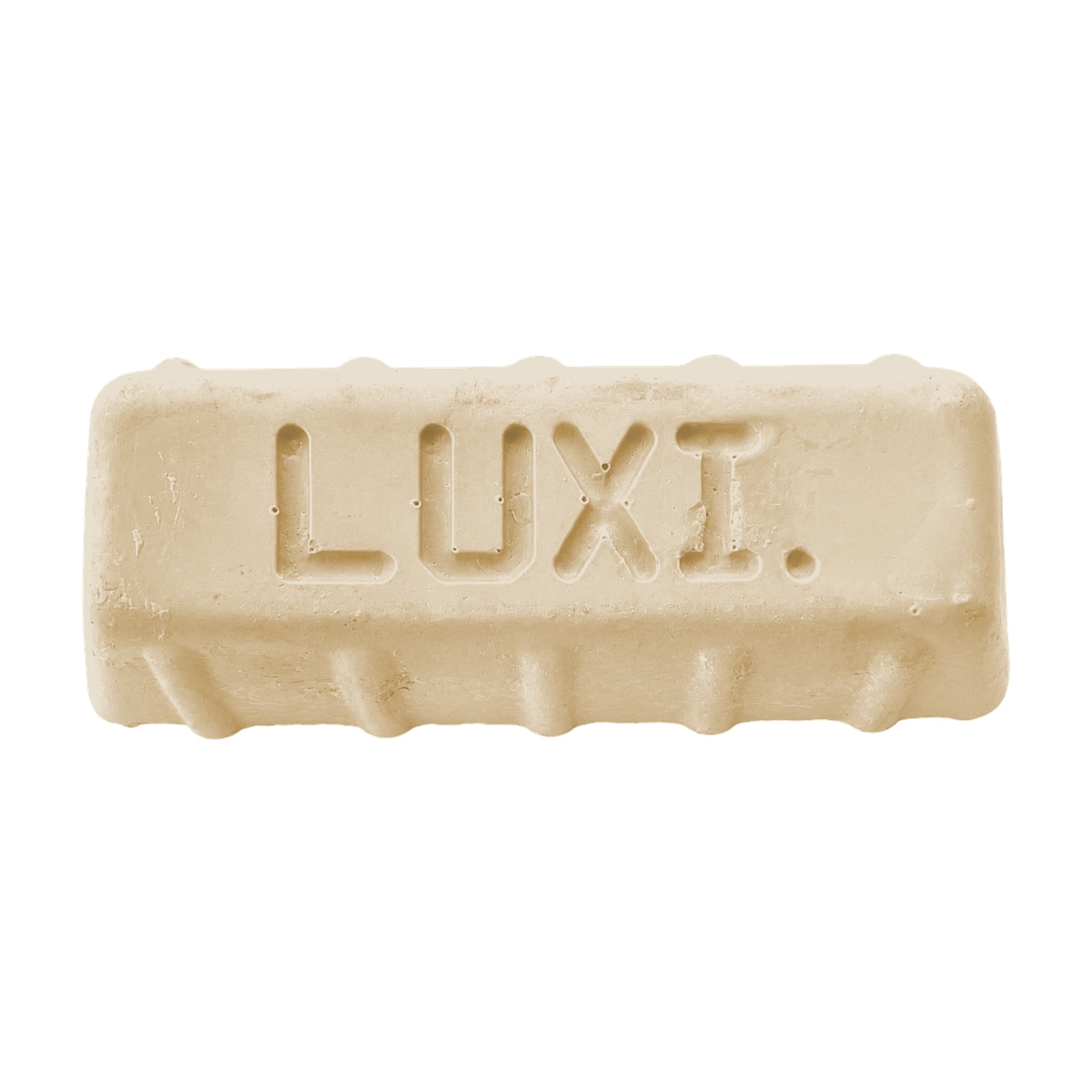
Application context
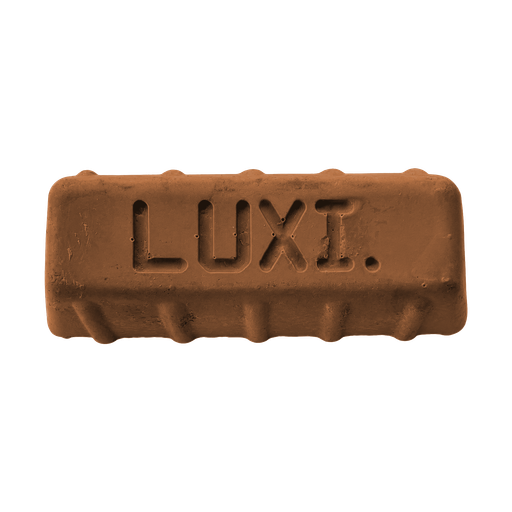
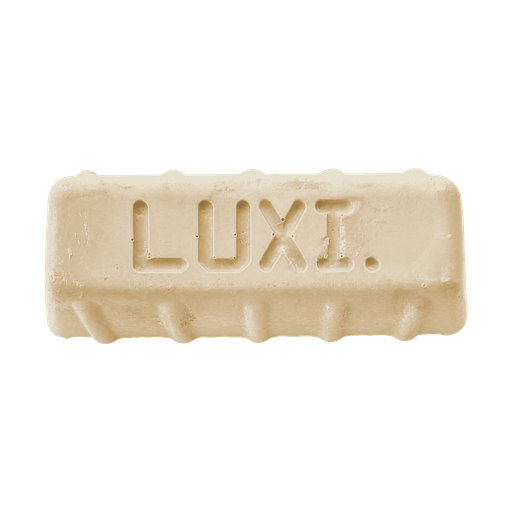
Use LUXI Beige on solid polymers only after the item’s geometry, any necessary repair, and wet sanding have been completed. The surface must be evenly prepared without deep scratches, isolated marks from a coarser abrasive, waves, or unfinished shape. LUXI Beige is a finishing compound; it must not correct deep preparation defects or compensate for an incomplete LUXI Brown first stage.
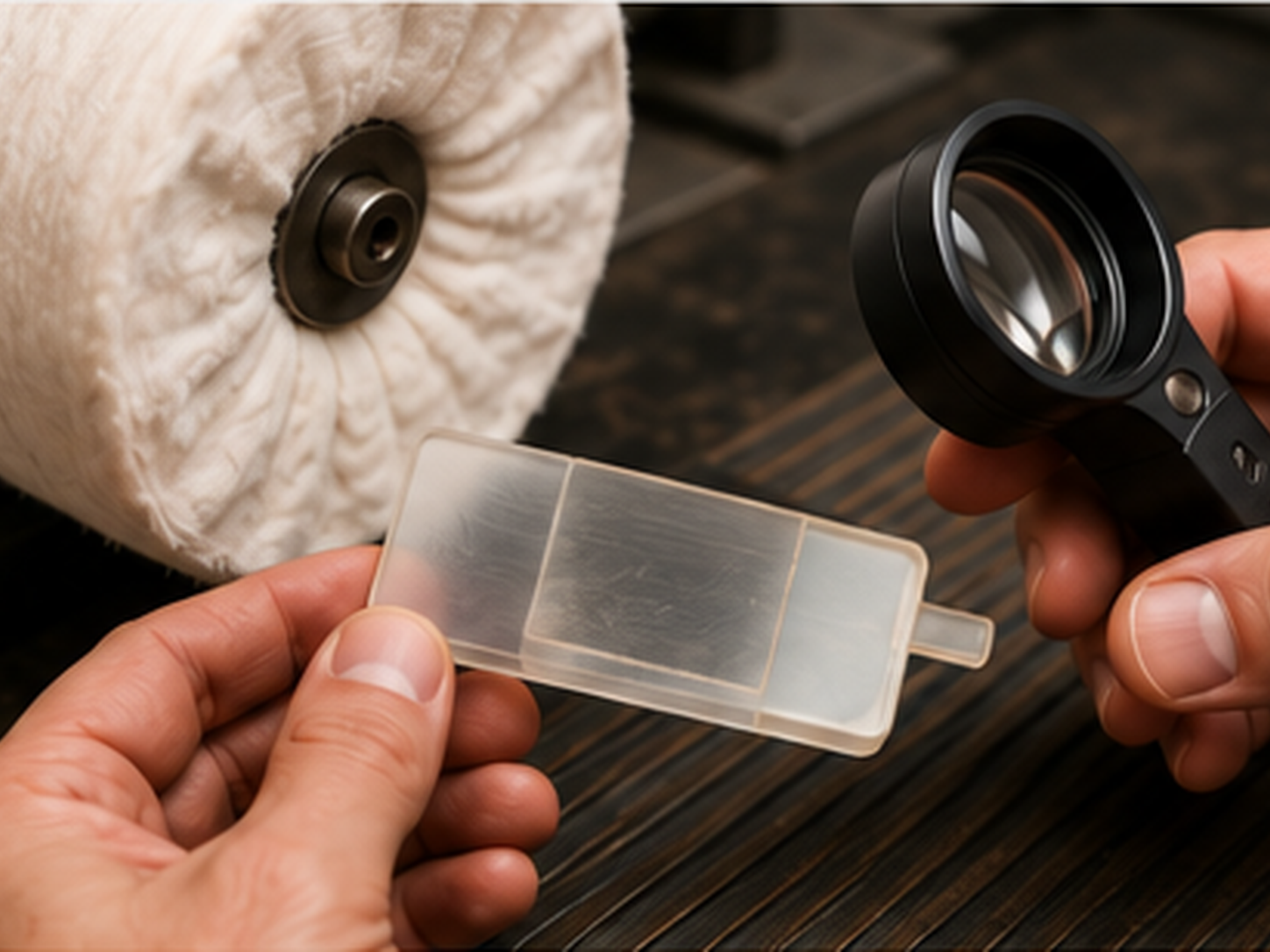
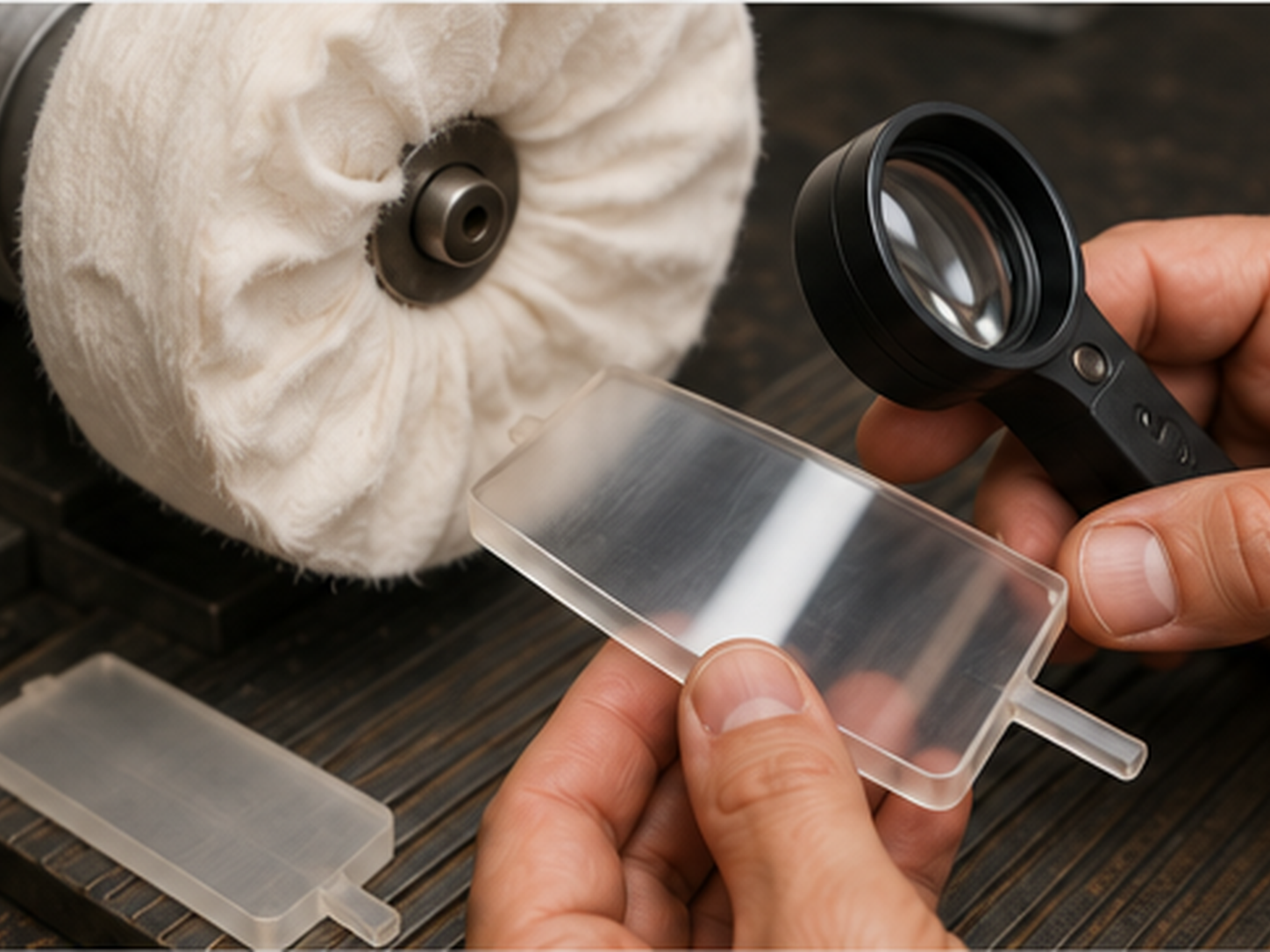
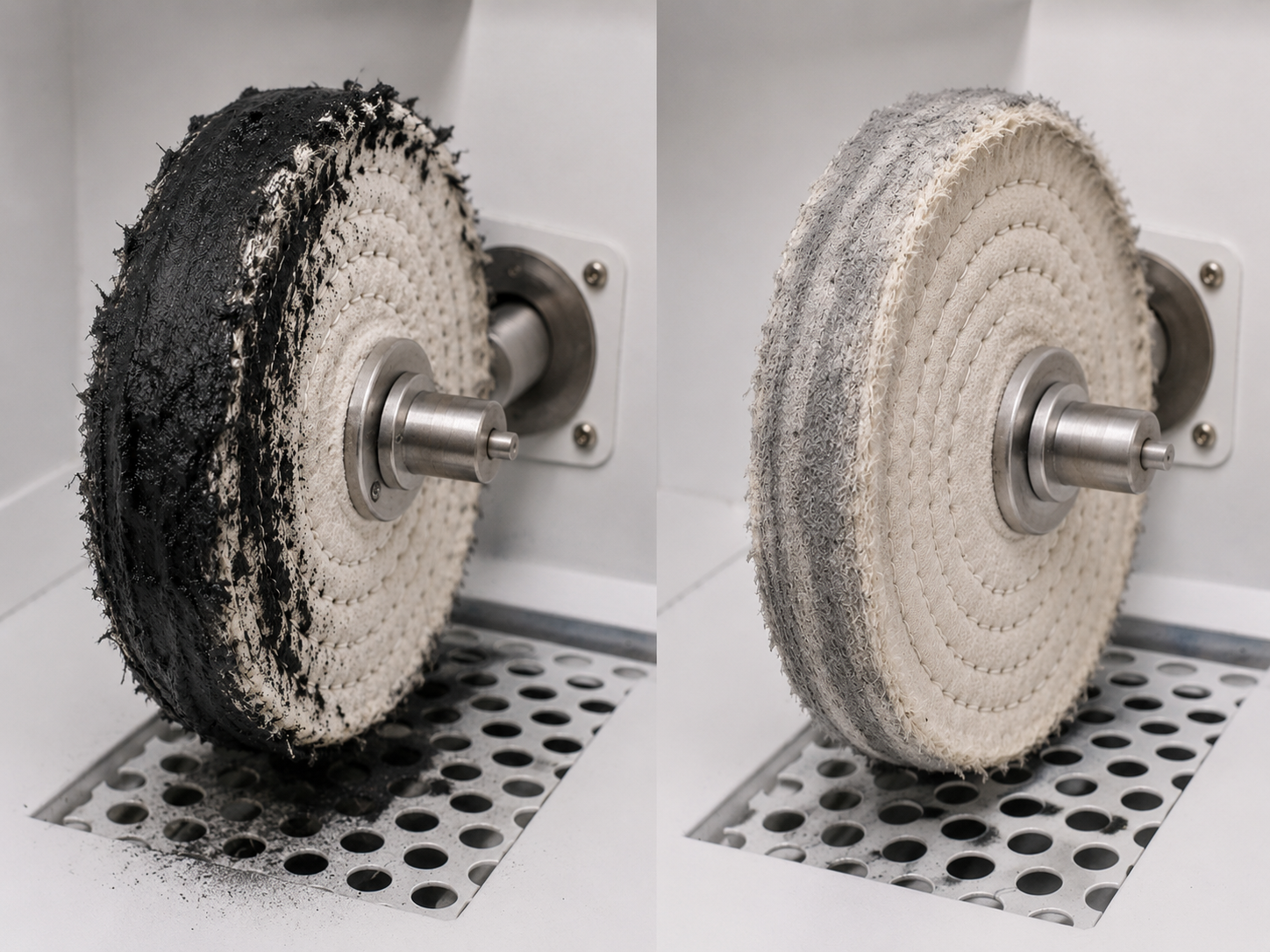
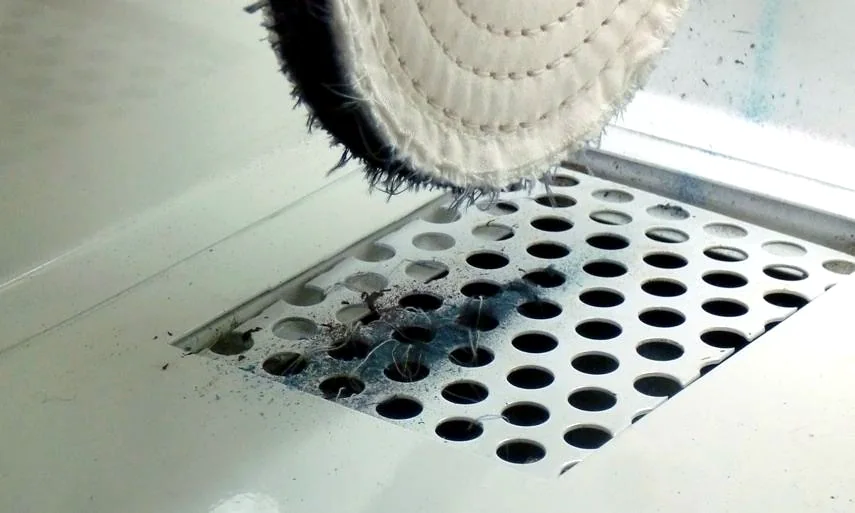
The main working tools are a clean white unstitched muslin wheel and a clean white unstitched flannel wheel. Muslin provides a slightly more active contact. Choose the softer flannel wheel when lower contact intensity or a higher final lustre is required. Do not silently replace these confirmed fabric families with a generic cotton wheel or an unclear Luxol designation.
For solid polymers, the working starting range is 500–1000 rpm. Start at the lower end of the range with light pressure, a minimal amount of LUXI Beige, and a short touch. Move the item away from the wheel after every touch, allow the surface to cool, and inspect the result. Do not transfer the LUXI Brown operating conditions automatically to LUXI Beige: the different compound and unstitched wheel change the contact and heat behaviour.
Apply LUXI Beige minimally. Work with several short touches rather than one prolonged pass. Slow development of lustre must not be compensated for with excess compound, strong pressure, or longer continuous contact.
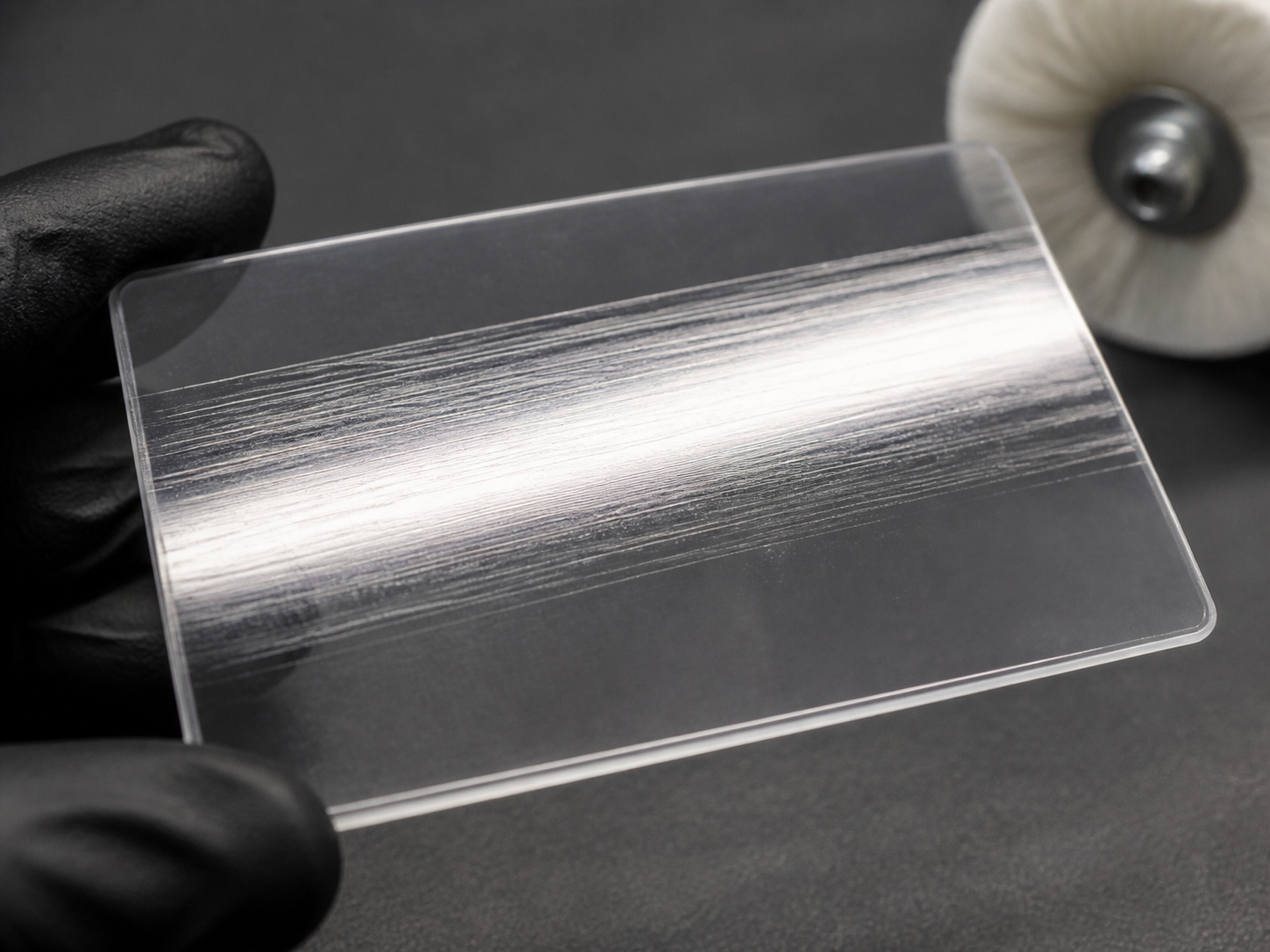
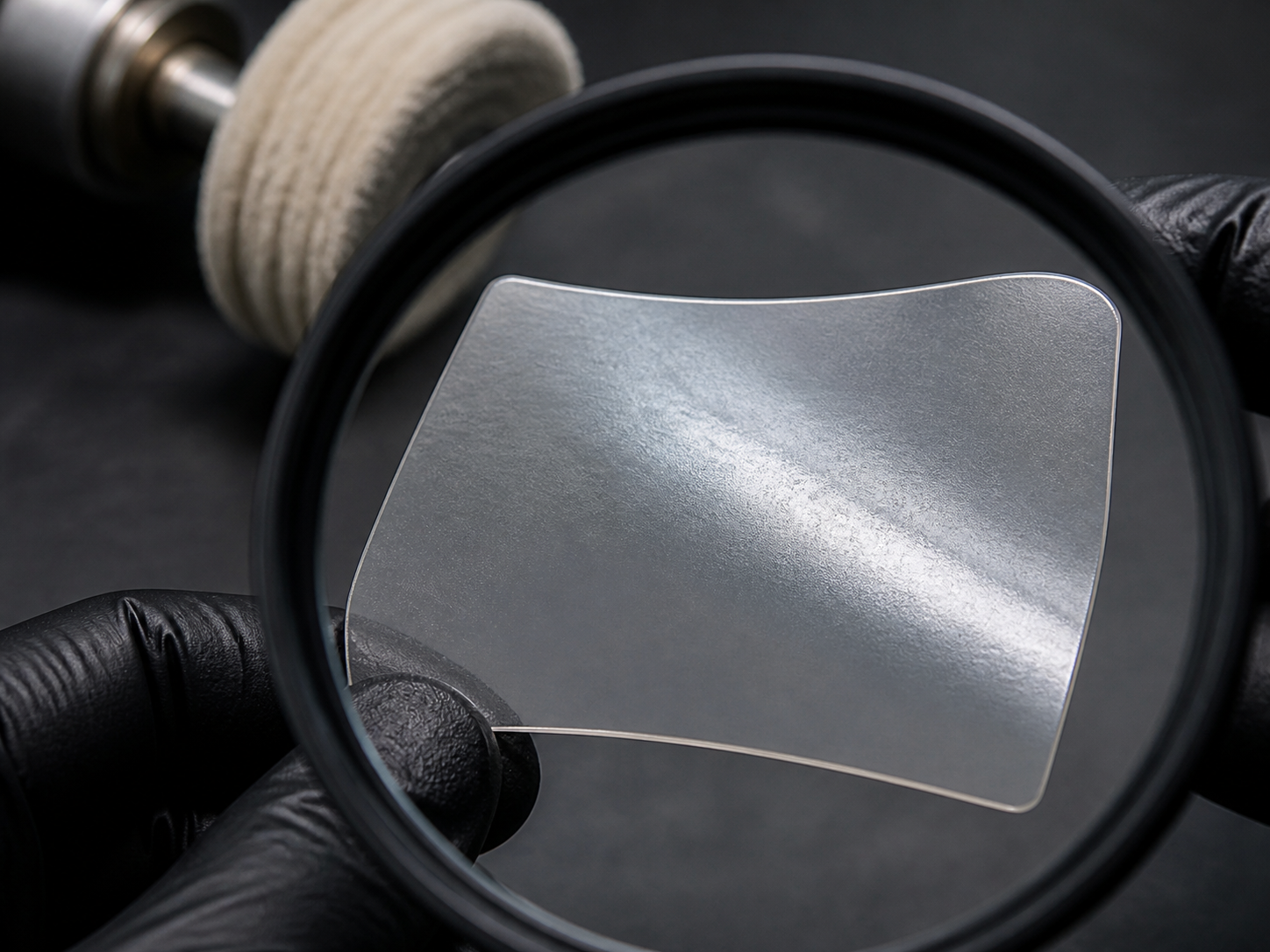
Solid polymers in this scope include acrylic and PMMA, polycarbonate, epoxy and polyester resins, and UV resin. Acrylic, PMMA, or polycarbonate watch crystals are included. Polyurethanes require a separate test because their hardness, fillers, and response to heat vary widely.
Cold enamels—including epoxy, acrylic UV-cured, and other polymer systems—may also be polished with LUXI Beige. The layer must be fully cured, sufficiently thick, and firmly bonded to the substrate. Determine the working conditions by test polishing a sample of the same material. Use LUXI Brown before LUXI Beige only when the surface genuinely requires a separate first stage.
LUXI Beige may also be used on thick fully cured lacquer or polymer coatings when the layer itself has enough thickness reserve for polishing. For example, a thick lacquer layer on a wooden automotive interior panel can be polished because the working surface is the lacquer, not the wood. Select the operating conditions for such a coating separately; do not copy the settings automatically from a solid plastic or resin.
Do not polish thin cathodic lacquers, e-coat, flash coatings, or thin protective and decorative films if the layer must be preserved. Even minimal removal may cause local thinning, colour change, or breakthrough to the substrate.
Polishing is complete when the surface reaches a clean, even lustre without smearing, waviness, or loss of shape. On transparent materials, also check optical uniformity and the absence of local haze.
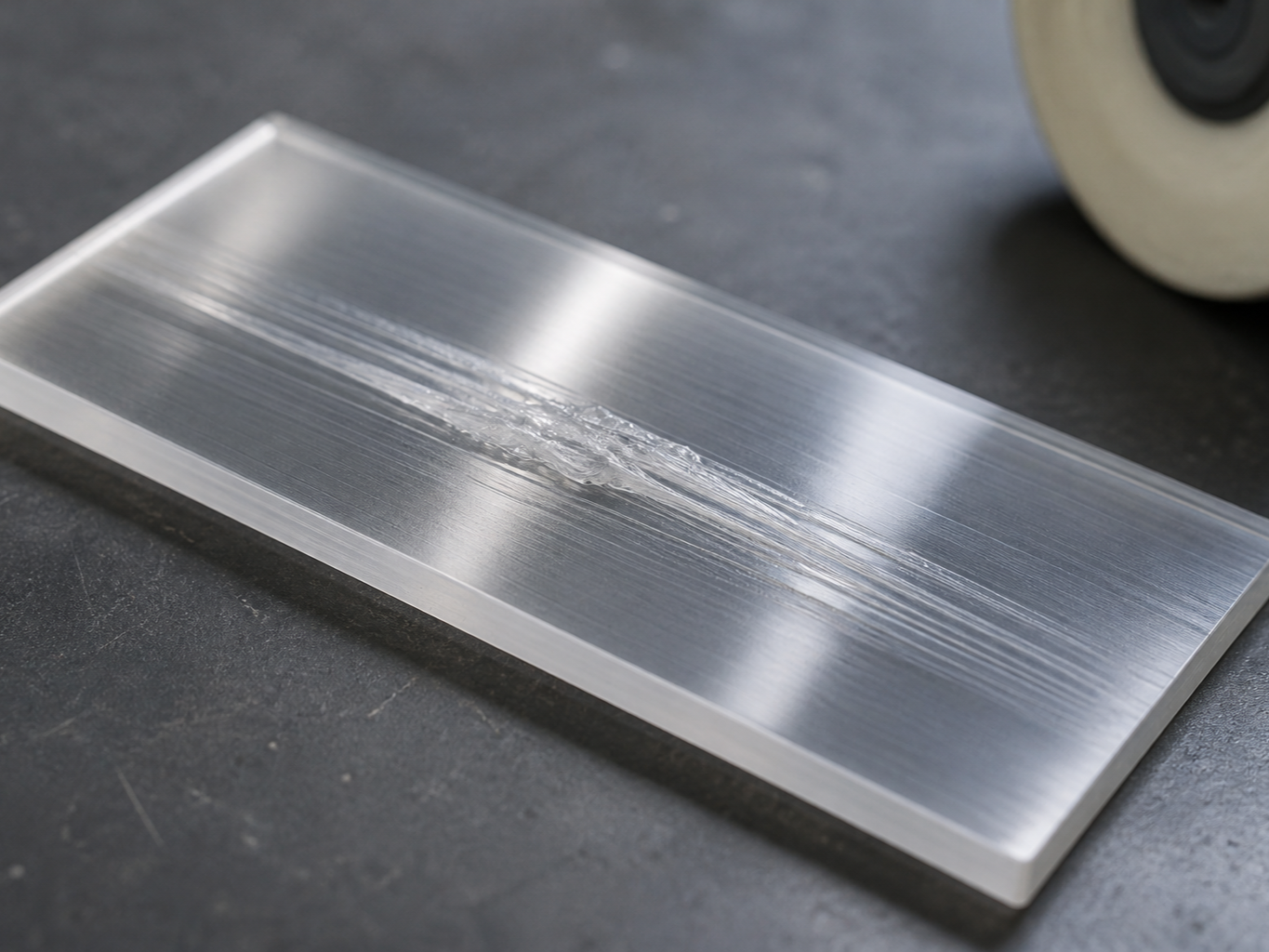
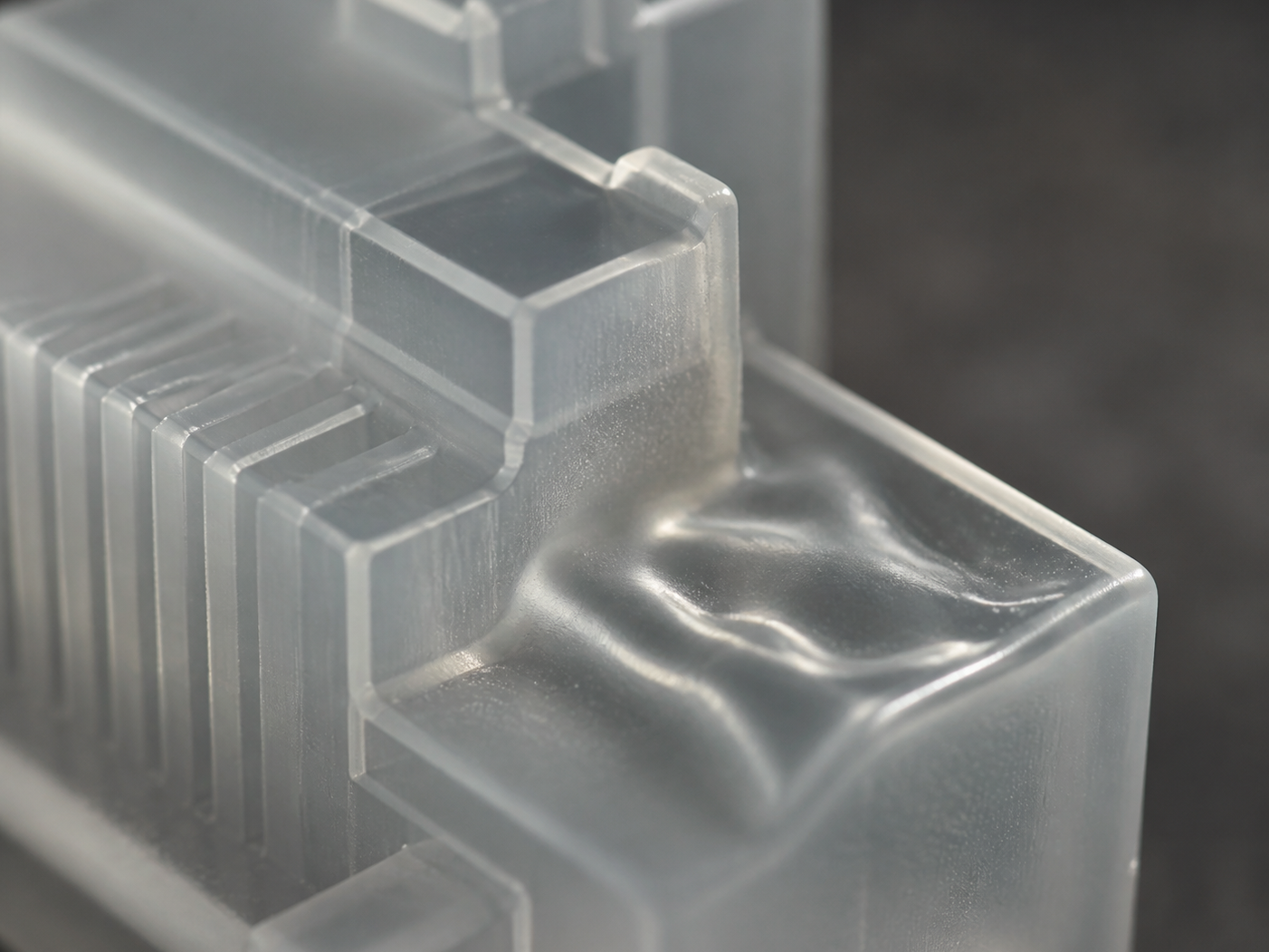
Stop contact immediately if the surface becomes sticky, softens, or starts to smear; if haze increases; if waves appear; if colour changes; if a coating peels; or if an edge loses shape. Allow the surface to cool, check the wheel, and return to gentler conditions. If the result cannot be improved without the same symptoms returning, stop polishing.
For most solid plastics and resins, basic cleaning consists of water with a non-aggressive soap, gentle rinsing, and complete drying. For cold enamels and lacquer coatings, select the cleaning method for the particular layer and item construction. Do not prescribe iClean, ultrasonic cleaning, solvents, hot water, or heated solutions automatically.