
 Integrated Polishing System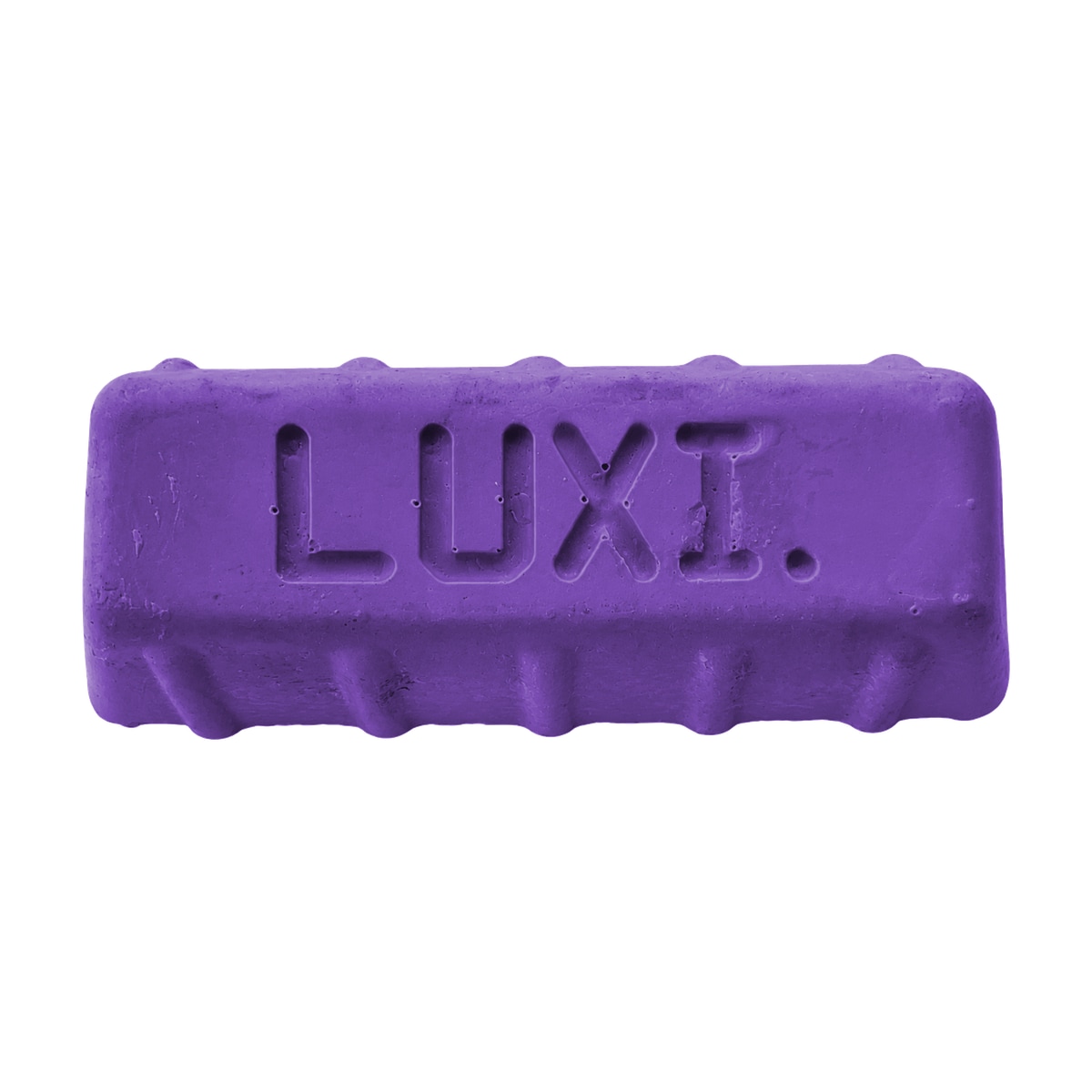
Application context
Before using LUXI Purple, complete the item’s geometry, necessary repair, and abrasive preparation. Remove deep scratches, cracks, cavities, major casting defects, and unfinished shape corrections before polishing. On open areas accessible to a correctly selected wheel, complete the main first polishing stage before local work with LUXI Purple. LUXI Purple does not replace sanding, repair, or polishing of the entire open surface. No universal abrasive grade is specified for LUXI Purple.
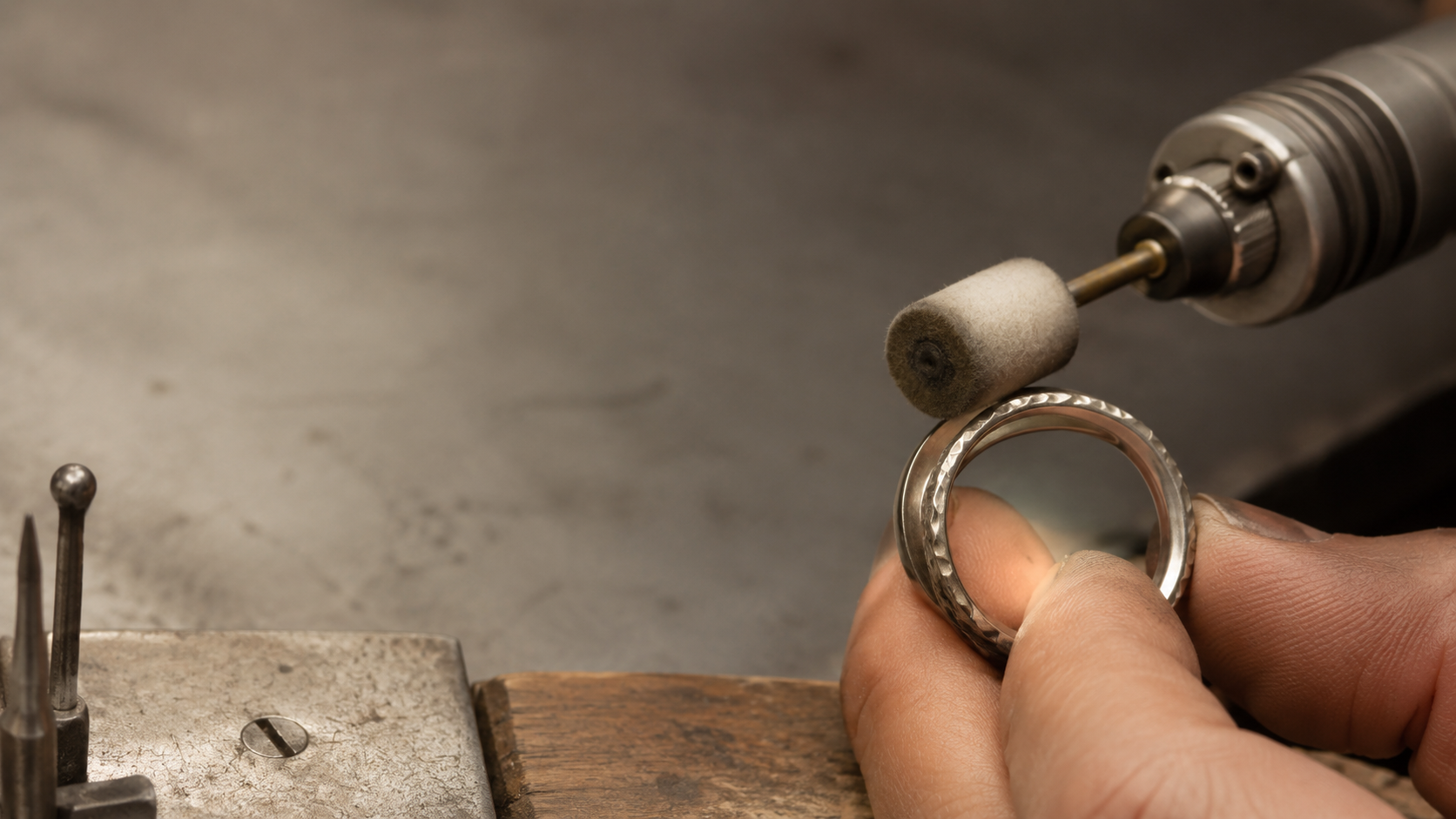
With small-diameter tools, linear surface speed is often much lower than with a standard polishing wheel. The contact zone remains colder and an ordinary compound may not reach normal working conditions. Bristles, cotton thread, and cotton cord also transmit less pressure to the surface than a cotton or felt wheel. An ordinary compound can also be difficult to load onto these carriers and retain until it reaches the working zone.
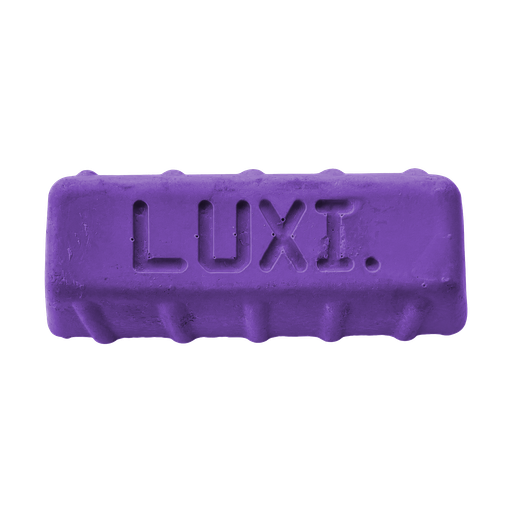
LUXI Purple is designed for this combination of conditions. It retains working action in a colder contact zone, provides active local polishing despite limited pressure from a flexible carrier, remains on bristles and fibres, and travels with the carrier directly into the difficult-access area. The relationship between diameter, rpm, linear speed, and temperature is explained in “Wheel diameter, rpm, and linear surface speed in the contact zone.”
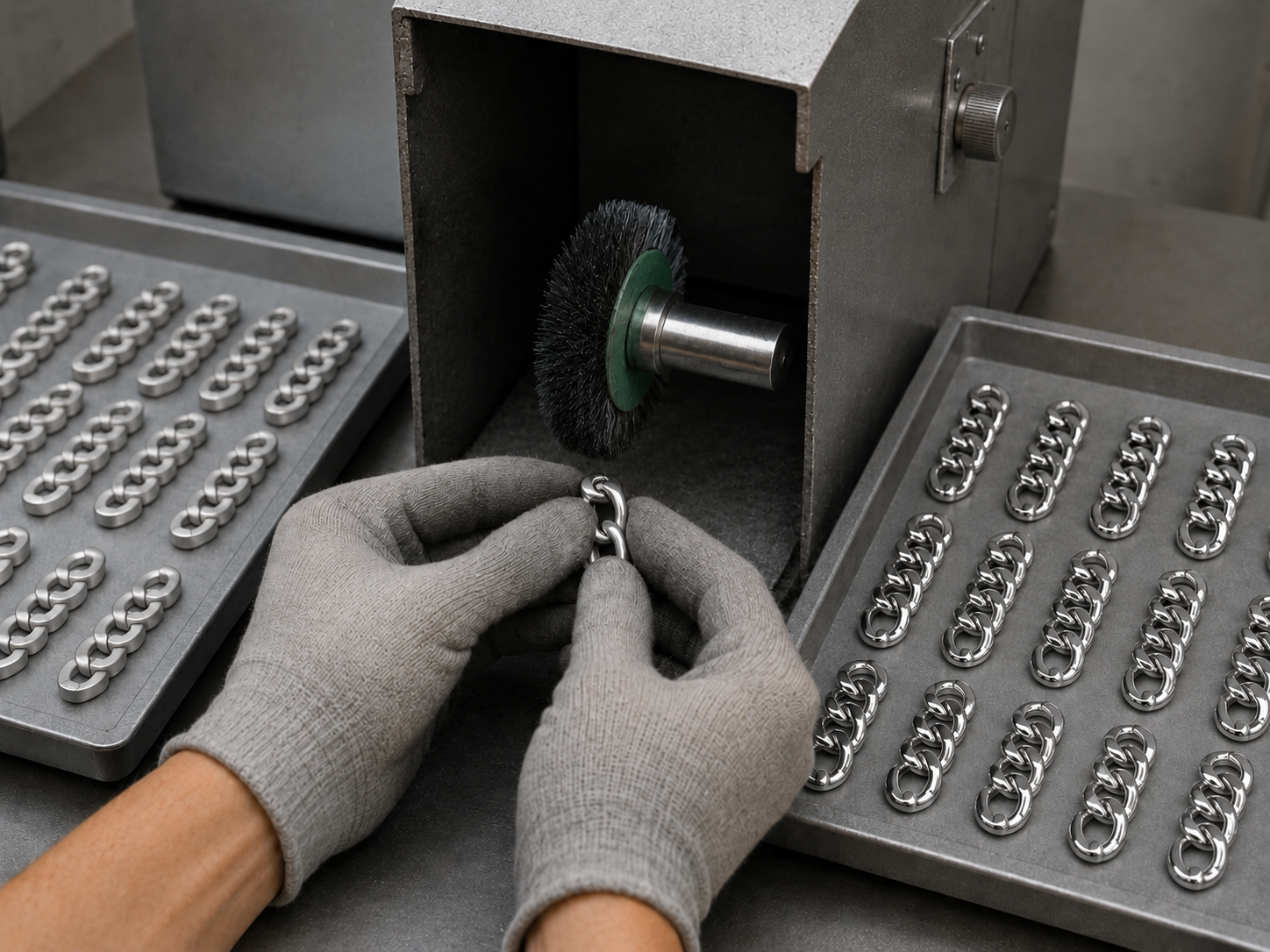
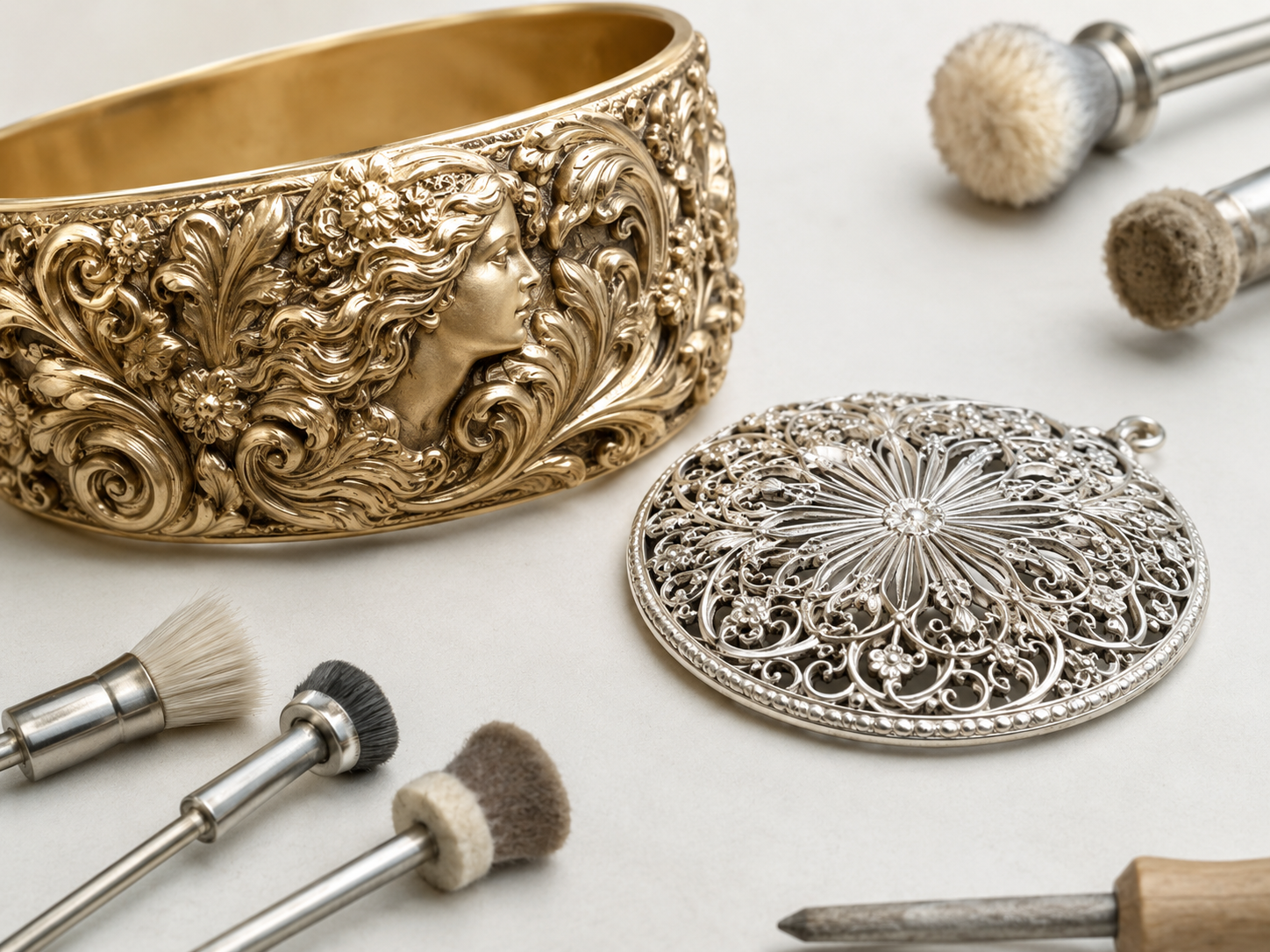
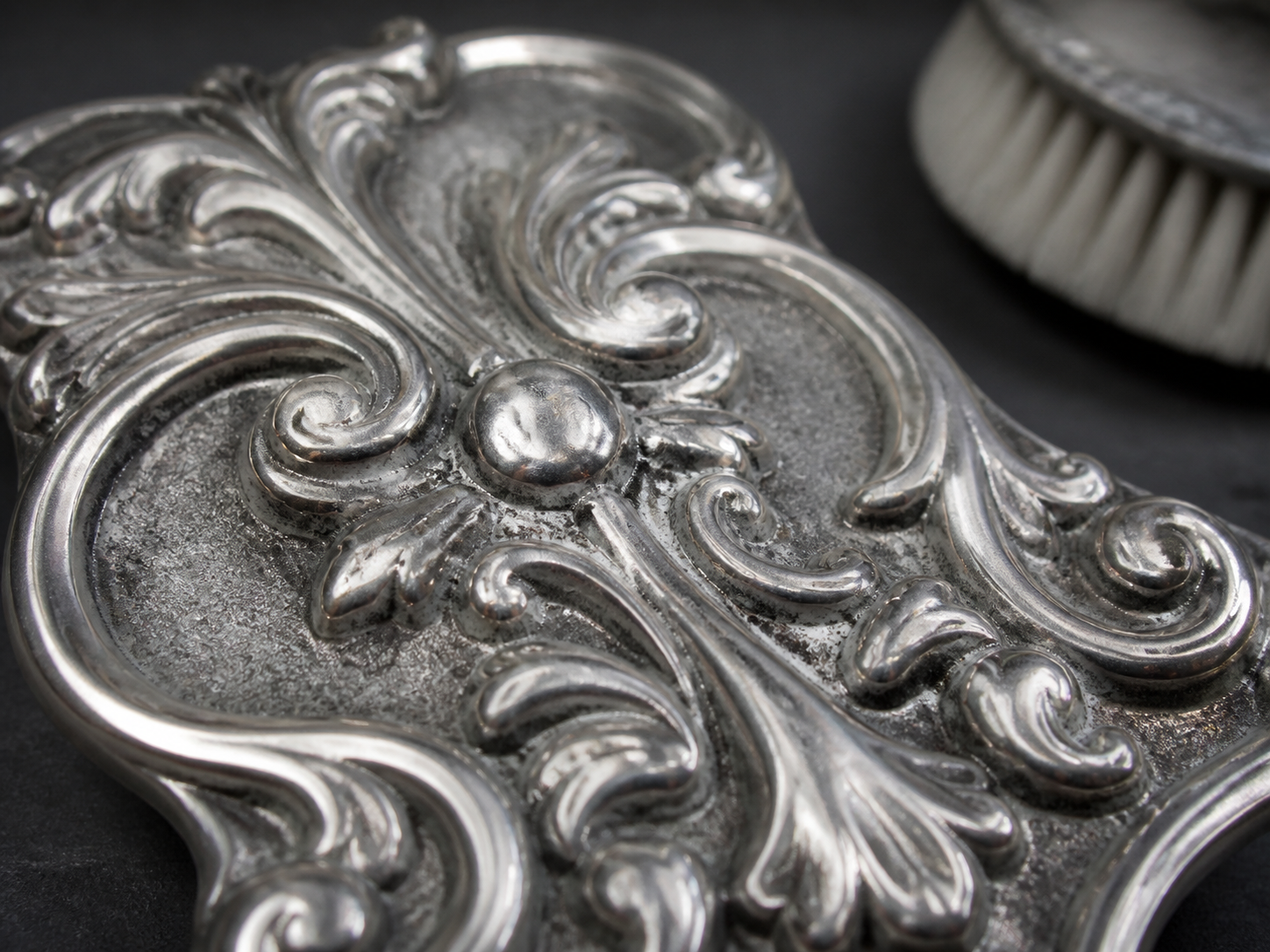
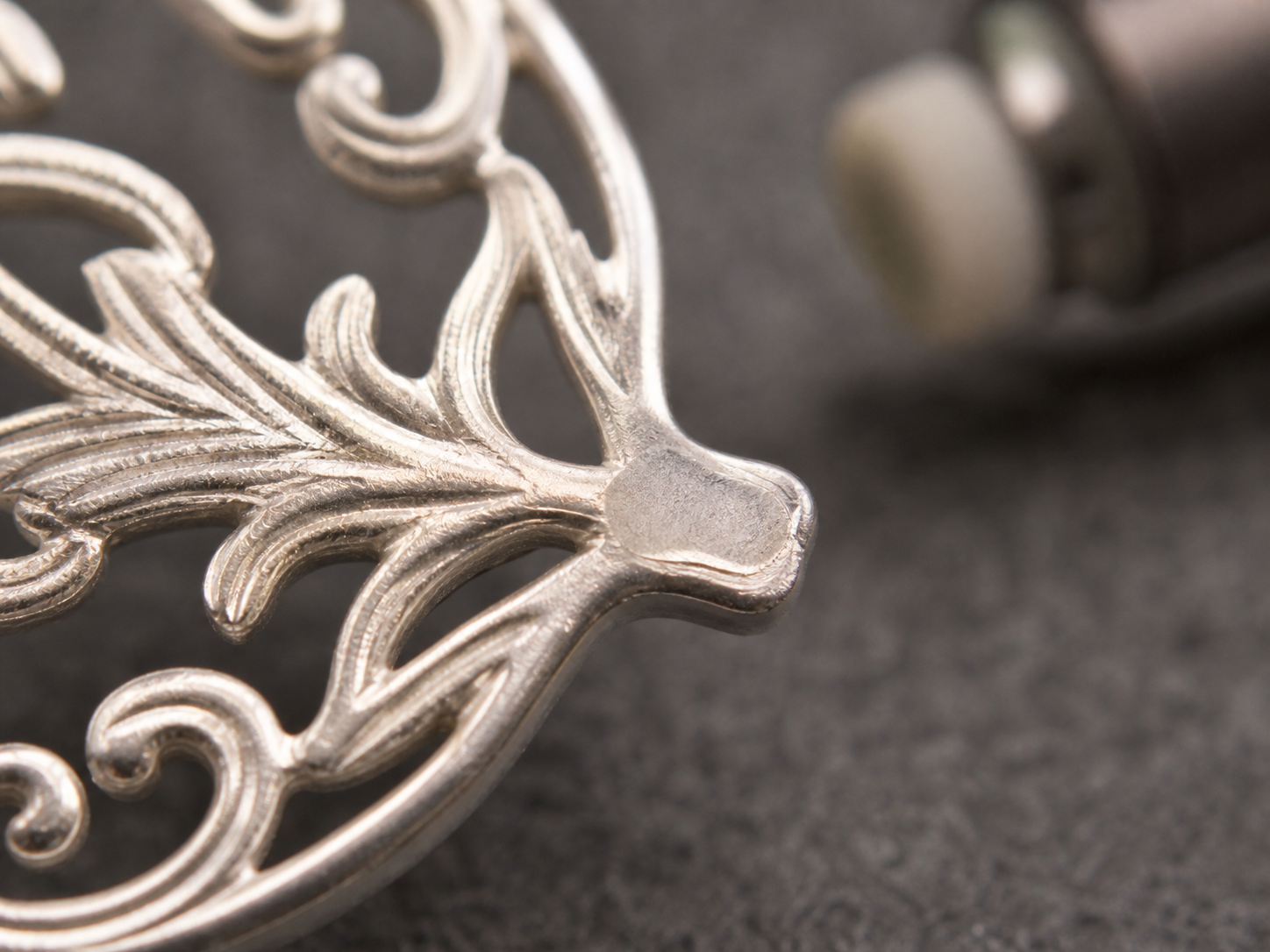
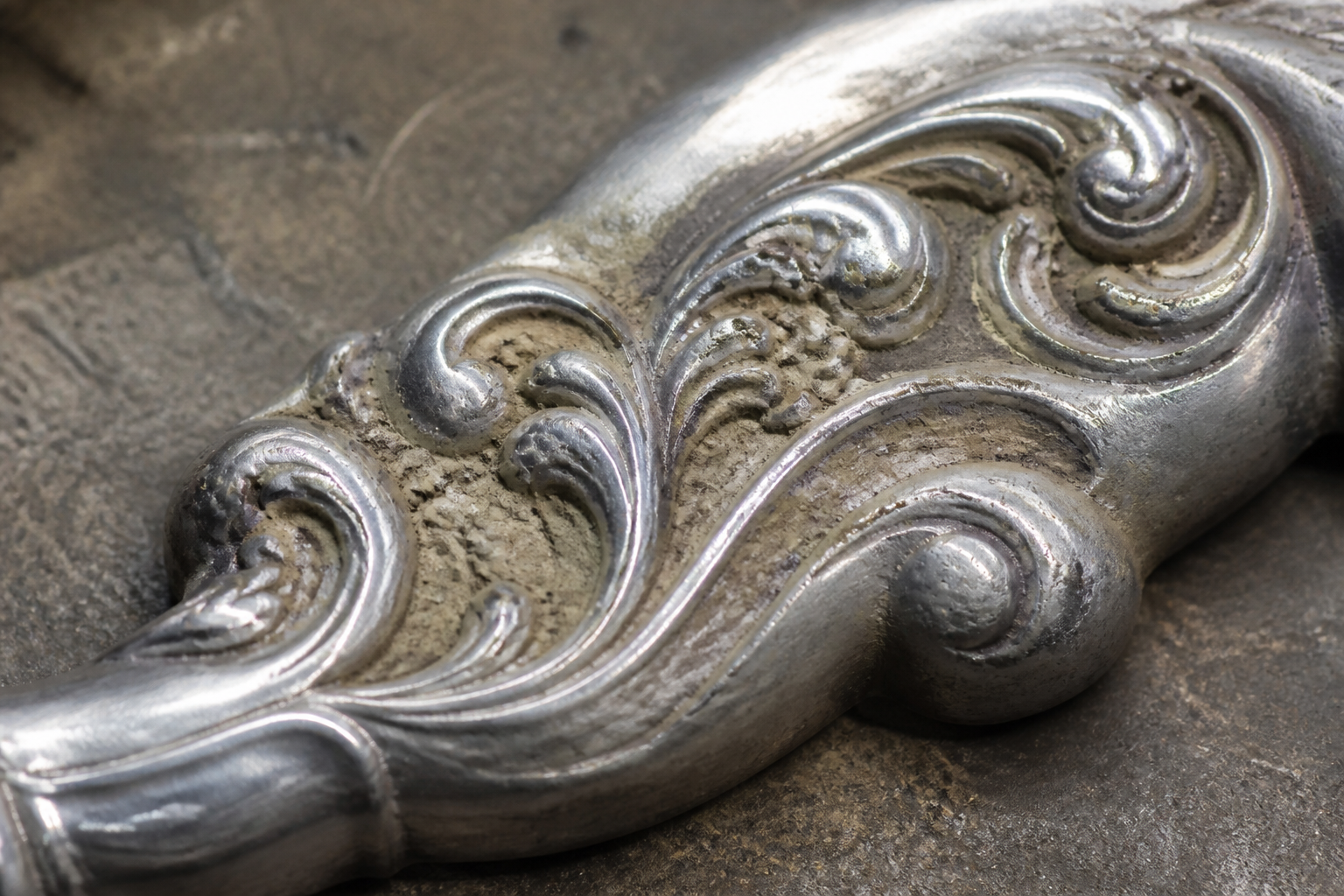
Use LUXI Purple with bristle and small bristle brushes, cotton thread, cotton cord, and other verified fibrous carriers with a comparable working character. The confirmed scope includes relief, recesses, undercuts, inside corners, narrow channels, areas beneath settings, filigree, spaces between elements, chain links, and other areas that an ordinary polishing wheel cannot reach. Select LUXI Purple primarily according to geometry, access, and working carrier rather than material name alone. The material, item construction, inserts, and surface condition must permit mechanical polishing with the selected carrier.
Do not use LUXI Purple with felt points, muslin wheels, stitched or unstitched cotton wheels, cotton wrap, or other dense or continuous polishing tools. Retention on fibres is useful with a brush, cotton thread, or cotton cord, but on a dense working body LUXI Purple may accumulate between the tool and the item. A greasy overloaded layer forms, the working body loses direct contact with the surface, compound smears, removal becomes harder to control, the surface may become cloudy, and relief and recesses become more difficult to clean. Use LUXI Green for small cotton and felt tools.
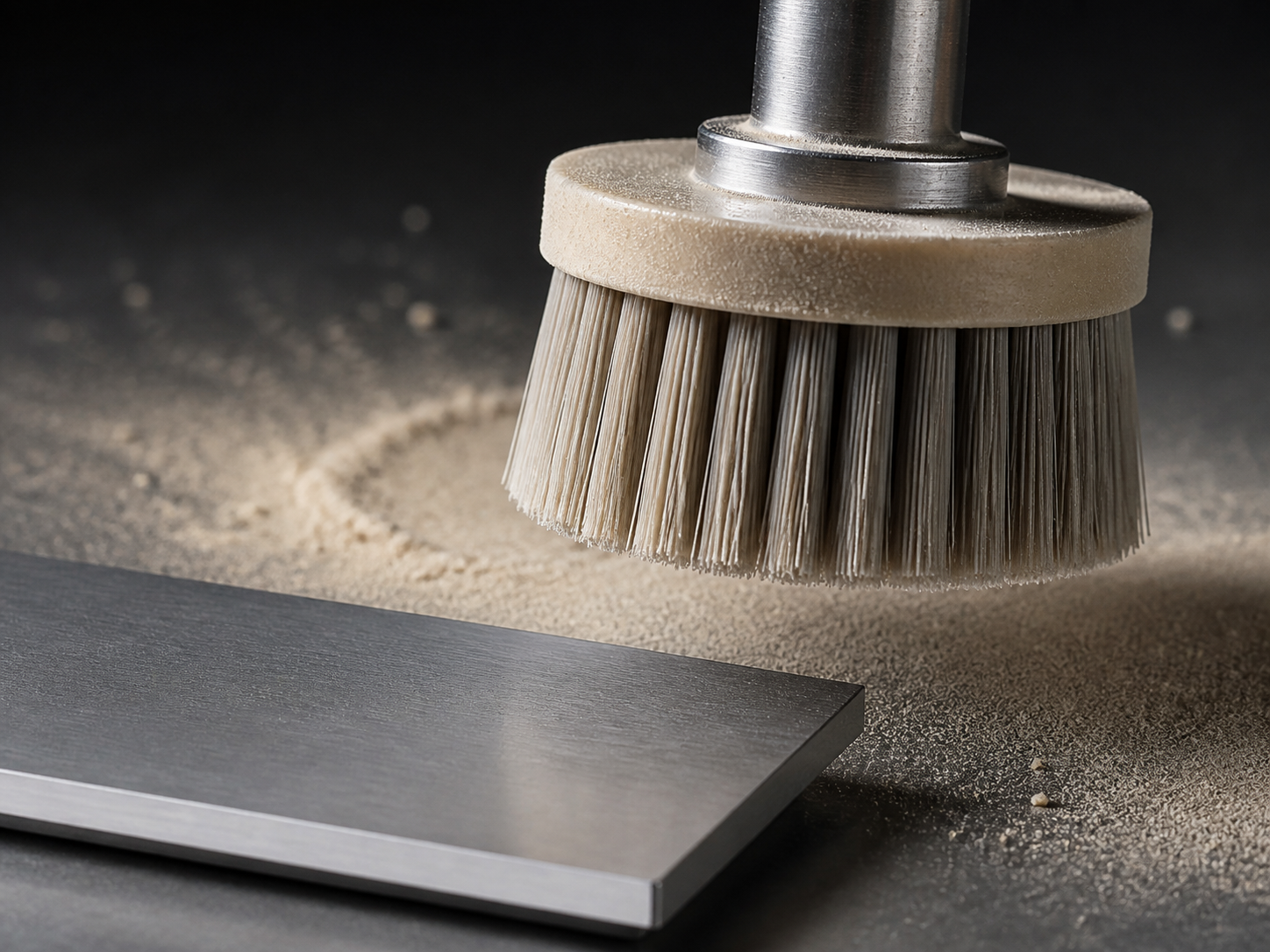
Choose a clean bristle brush whose size, shape, and stiffness reach the required area without smoothing high points, edges, or fine relief. No universal bristle type, bristle length, or rpm range is specified for LUXI Purple. For a powered brush, consider actual working diameter, linear speed, contact area, rotational stability, and rpm drop under load. Work in short repeatable passes, do not increase pressure automatically, control contact duration and surface temperature, and inspect the area between passes.
Apply enough LUXI Purple to remain on the bristles or fibres and travel into the working zone, but do not overload the carrier. Excess LUXI Purple packs relief, smears, separates the bristles from direct surface contact, leaves the area cloudy, and makes later cleaning more difficult. With too little LUXI Purple, the compound falls away, does not remain on the carrier, or fails to reach the working zone. If the carrier is contaminated with old compound, removed material, or other contamination, stop and restore a clean working condition.
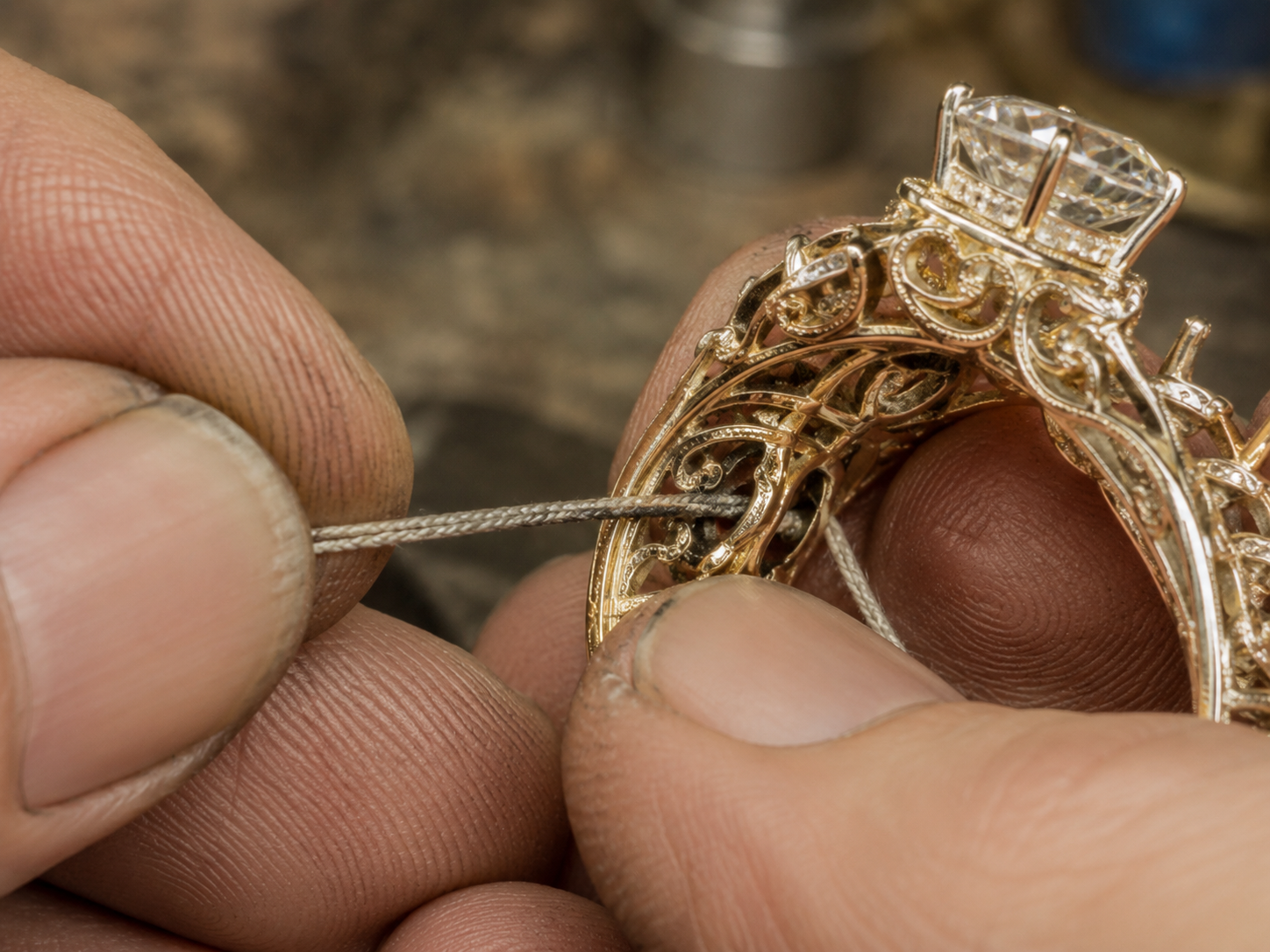
Use cotton thread or cotton cord beneath settings, between links, through narrow holes, inside channels, and between decorative elements. Select carrier thickness so it passes through the working area without damaging the item. Use a clean section of cotton thread or cord, apply LUXI Purple without forming a thick layer, work with short repeated movements, and inspect frequently. Replace a contaminated section. Stop and replace the carrier if it begins to fray, becomes damaged, catches on the item, or requires excessive tension. Stop also if heating becomes noticeable or settings, stones, inserts, or joints are at risk. Cotton thread and cord deliver LUXI Purple to a difficult-access zone and create local contact; they are not coarse abrasive tools.
If visible marks from the last abrasive remain in a difficult-access area after preparation and an ordinary wheel cannot reach it, LUXI Purple may perform a local first stage. That local first stage is complete only when all visible marks from the last abrasive in the area have been fully removed and edges and fine relief have been preserved.
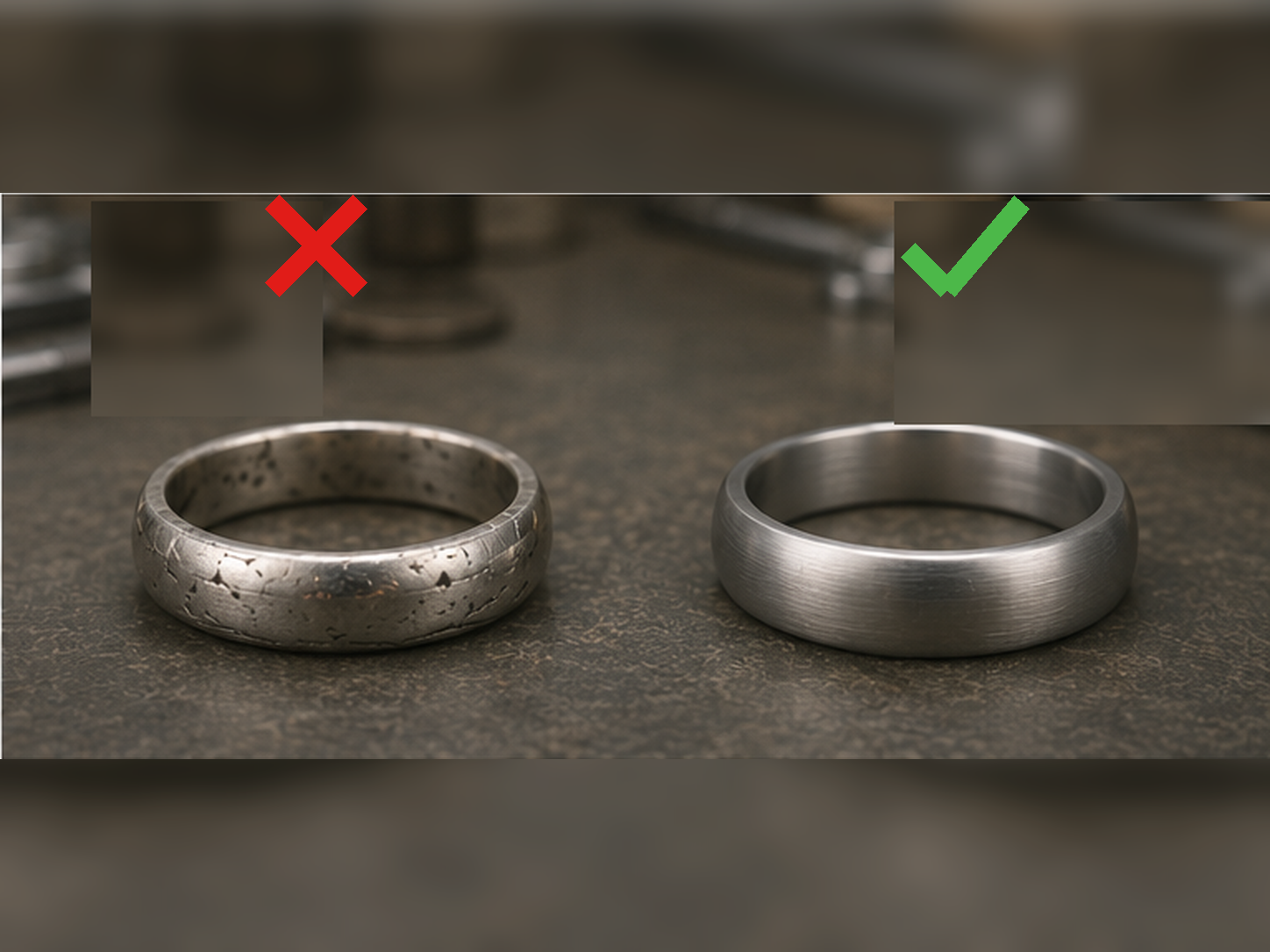
If the first stage in the difficult-access area has already been fully completed, LUXI Purple may perform local finishing. After cleaning, the surface must be even, have the required lustre, contain no dull areas, and retain edges and fine relief.
Both roles are conditional and are determined by the actual state of the area. Neither is a universal LUXI Purple role for every task.
If the result develops slowly or remains uneven, clean the area first and check whether preparation is complete. Then check tool access, carrier suitability, brush size, shape and stiffness, the condition of bristles, cotton thread or cord, actual linear speed and rpm under load for a powered tool, local pressure, the amount of LUXI Purple, retention of compound on the carrier, contact duration, temperature, contamination in the working zone, and completeness of cleaning. Do not automatically add more LUXI Purple, increase pressure, or prolong continuous contact.
Stop if the brush starts smoothing fine relief or edges; the carrier packs the working zone with compound; LUXI Purple no longer remains on the carrier; the tool cannot reach the required area; the surface heats noticeably or remains cloudy after cleaning; or cotton thread or cord frays, becomes damaged, catches, or creates risk to settings, stones, inserts, or joints. When heating is noticeable, cool and inspect the surface before continuing. Do not resume polishing until the cause has been removed.
If cleaning reveals deep scratches, cracks, cavities, pores, or other defects outside the capability of LUXI polishing, return the item to preparation, repair, or assessment of suitability for further production. Weak results must not be compensated for with stronger pressure, prolonged continuous contact, or excess LUXI Purple.
Choose LUXI Green and LUXI Purple according to working carrier and contact character. Use LUXI Green with small cotton and felt tools, cotton wrap, and inside-ring tools. Use LUXI Purple with brushes, bristles, cotton thread, and cotton cord where retention on a fibrous carrier and transport into a difficult-access area are decisive. LUXI Purple is not the next stage after LUXI Green, a stronger version of LUXI Green, or a mandatory companion product.
LUXI Asian Blue belongs to a separate, more active local process using a short stiff brush in recesses, inside corners, wedge-shaped cavities, areas of local porosity, and complex relief. LUXI Asian Blue is not the ordinary next stage when LUXI Purple works slowly.
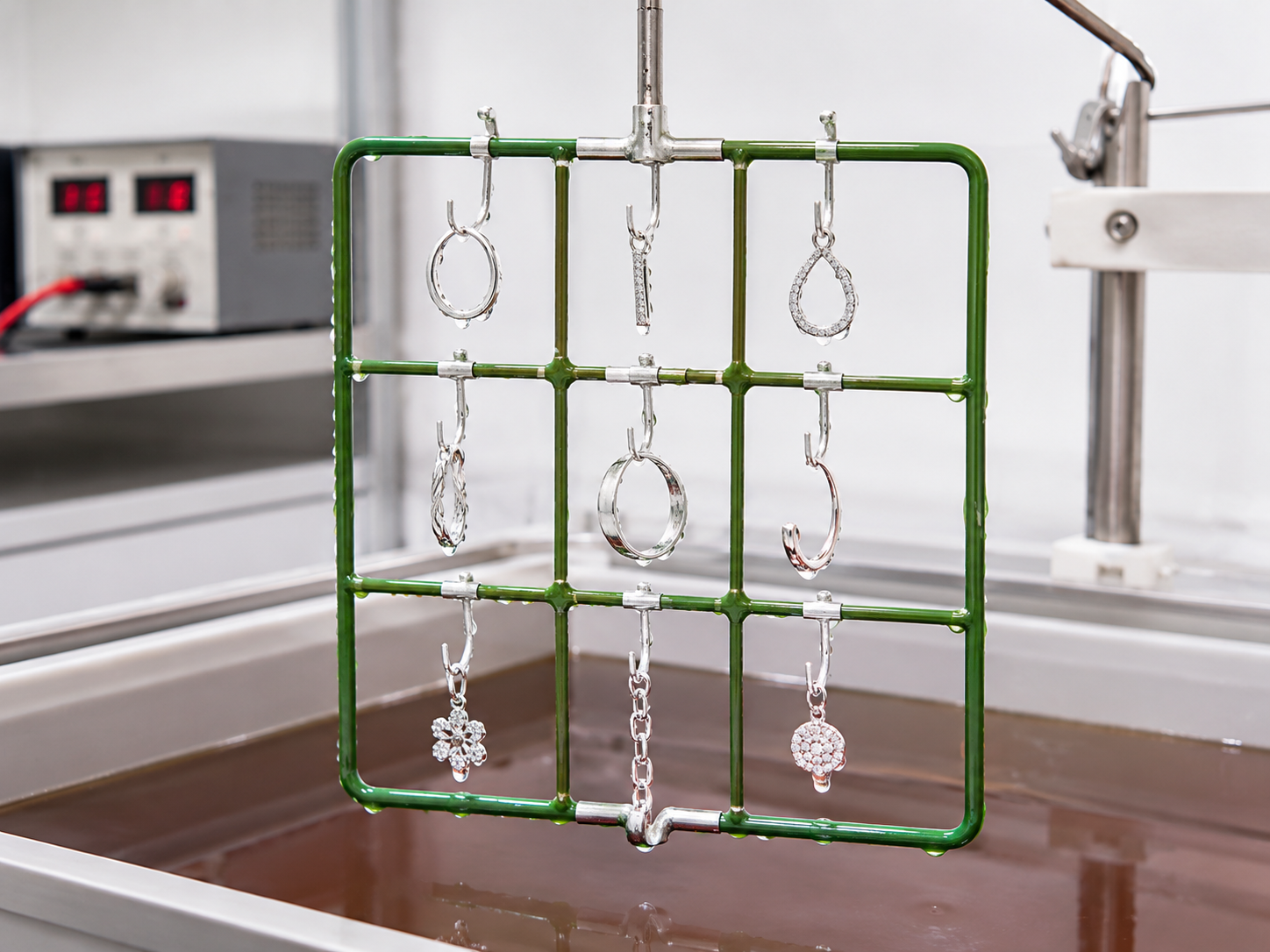
If electroplating, PVD, or another coating will follow polishing, inspect and, when required, polish recesses and enclosed areas before coating is applied. LUXI Purple may be used in those areas only when the selected carrier, material, geometry, and surface condition permit it. It is not a universal mandatory pre-coating step.
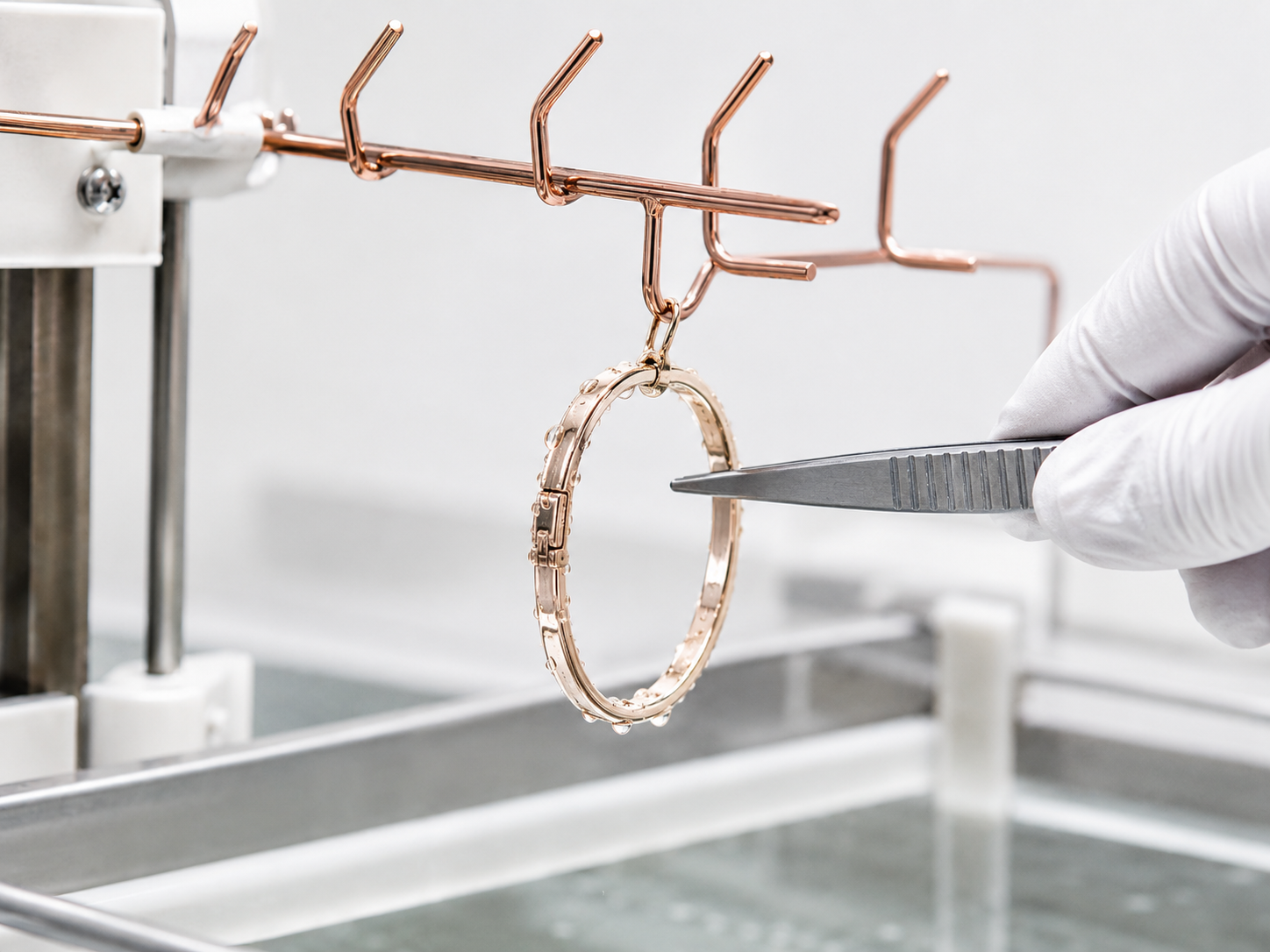
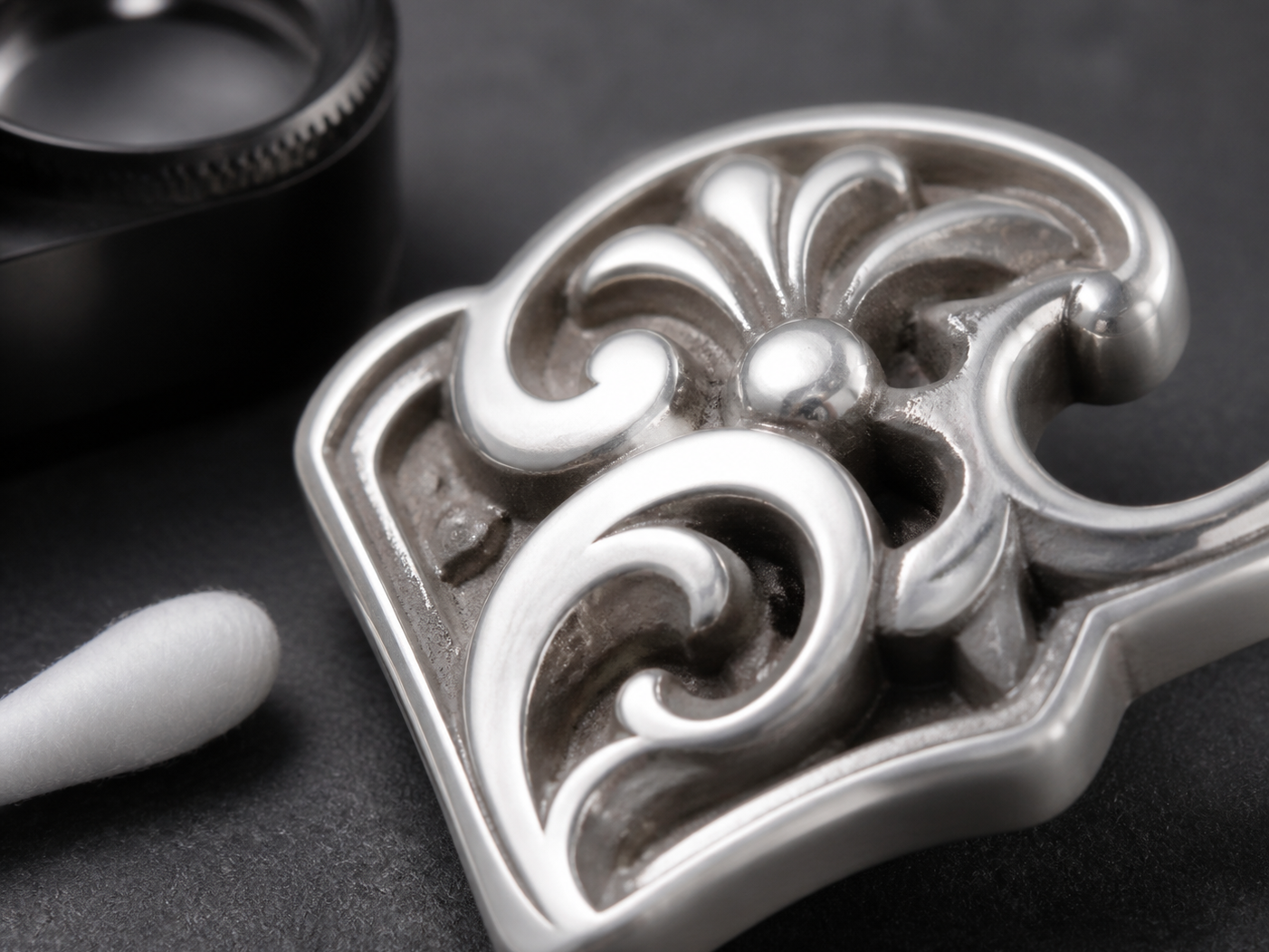
After local polishing, remove LUXI Purple, removed material, and contamination completely from relief, recesses, undercuts, inside corners, areas beneath settings, narrow channels, and spaces between elements. Select the cleaning method for the material, item construction, stones, inserts, joints, and the next operation. LUXI iClean, ultrasonic washing, heated solution, solvent, and steam are not automatically prescribed.
Assess the clean, dry, and cool area under directed light. The local surface must satisfy the completion criterion for the role assigned to LUXI Purple and may then move to the selected next operation or final inspection. The next compound, if any, depends on the material, surface condition, the role completed by LUXI Purple, and the next production operation; there is no universal required product after LUXI Purple.