 Integrated Polishing System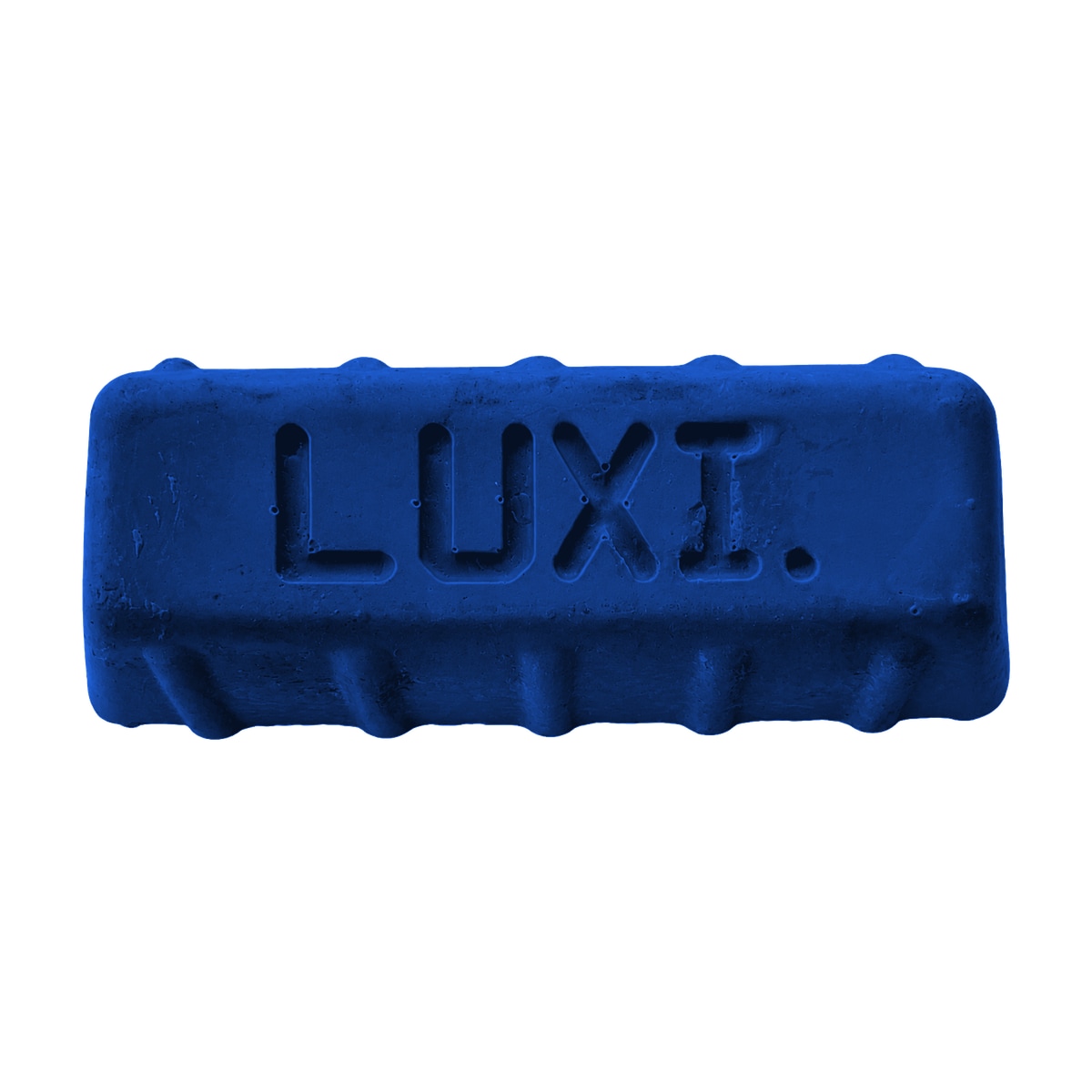
Application context
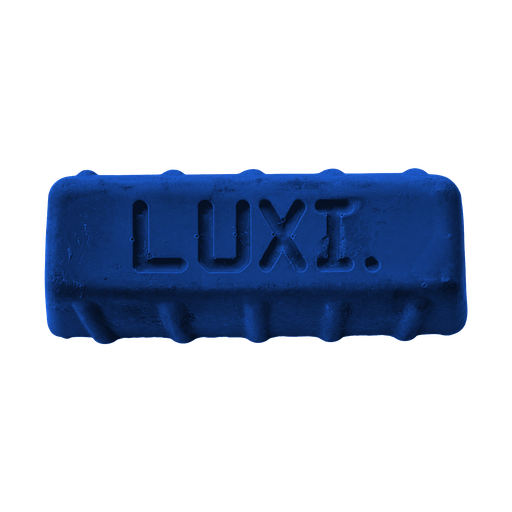
Do not use LUXI Asian Blue directly after casting. Before polishing begins, complete the item’s geometry, repair major defects, and prepare the surface with abrasives to at least P400. Preparation to P600 or finer is preferred according to the material, item shape, and required surface quality. Correct deep scratches, protruding defects, and geometry errors before using LUXI Asian Blue.
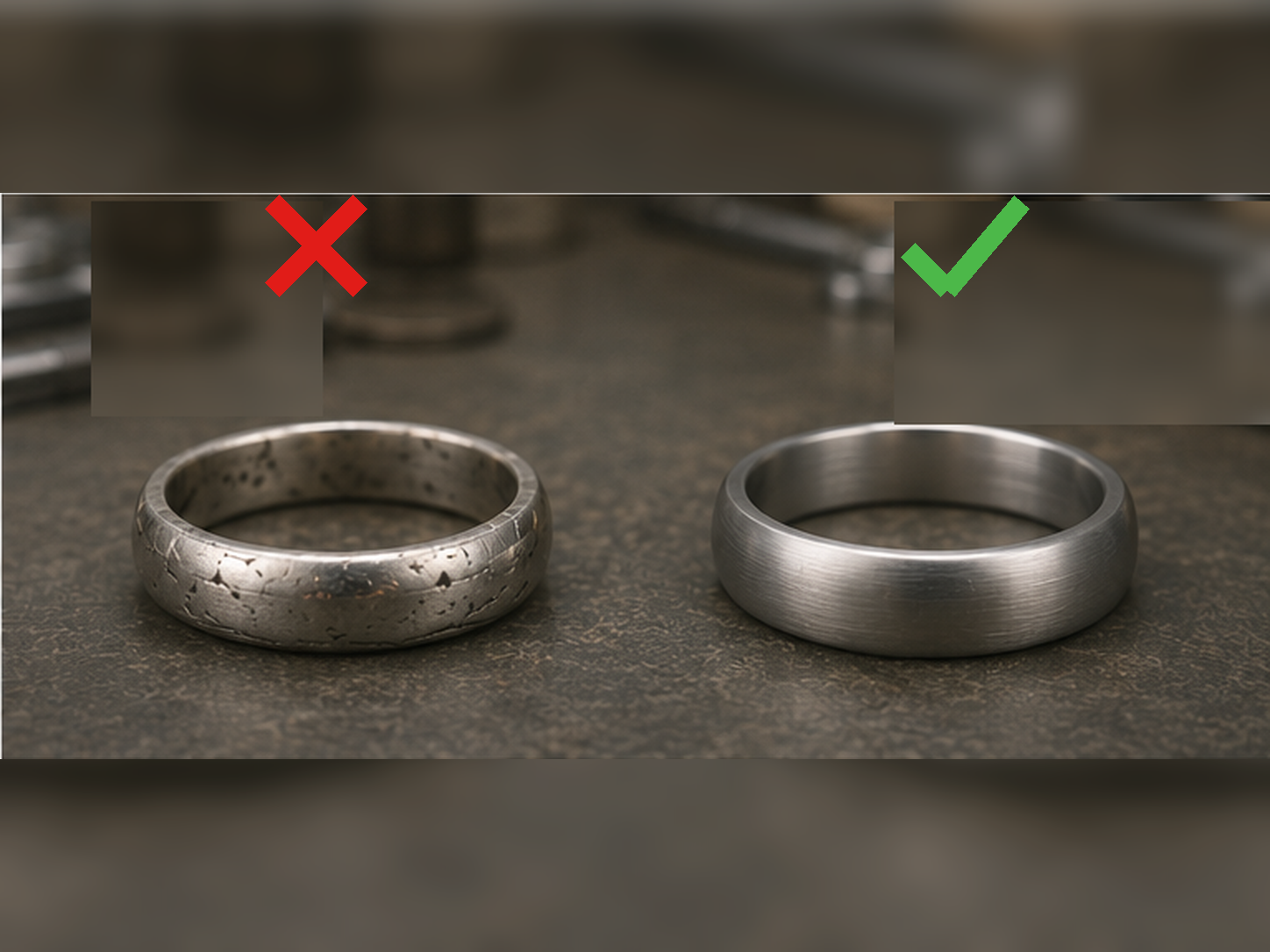
During the first stage, LUXI Asian Blue must fully remove all visible marks from the last abrasive within the working capability of LUXI polishing. Do not move to a finer compound while those marks remain visible.
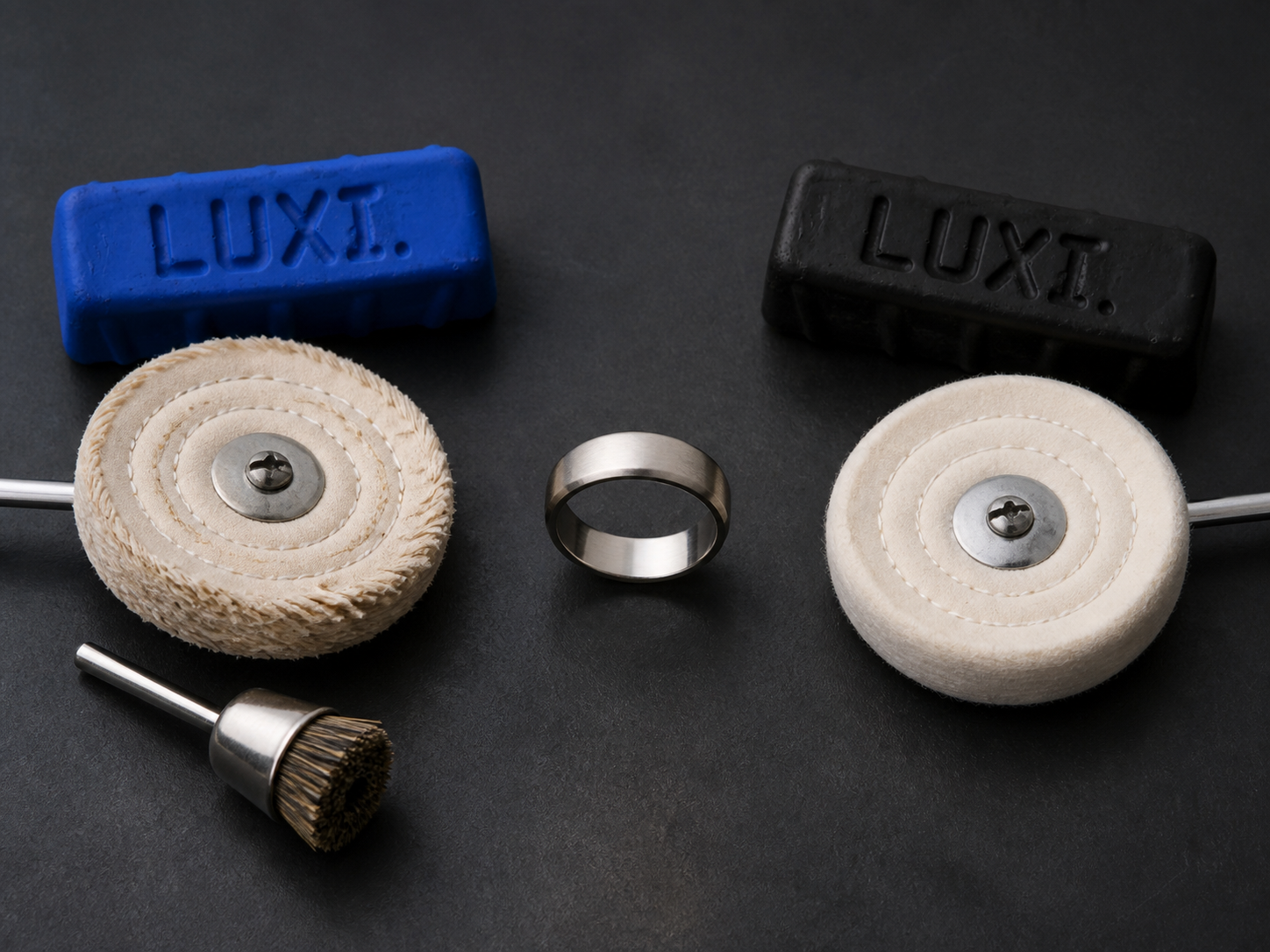
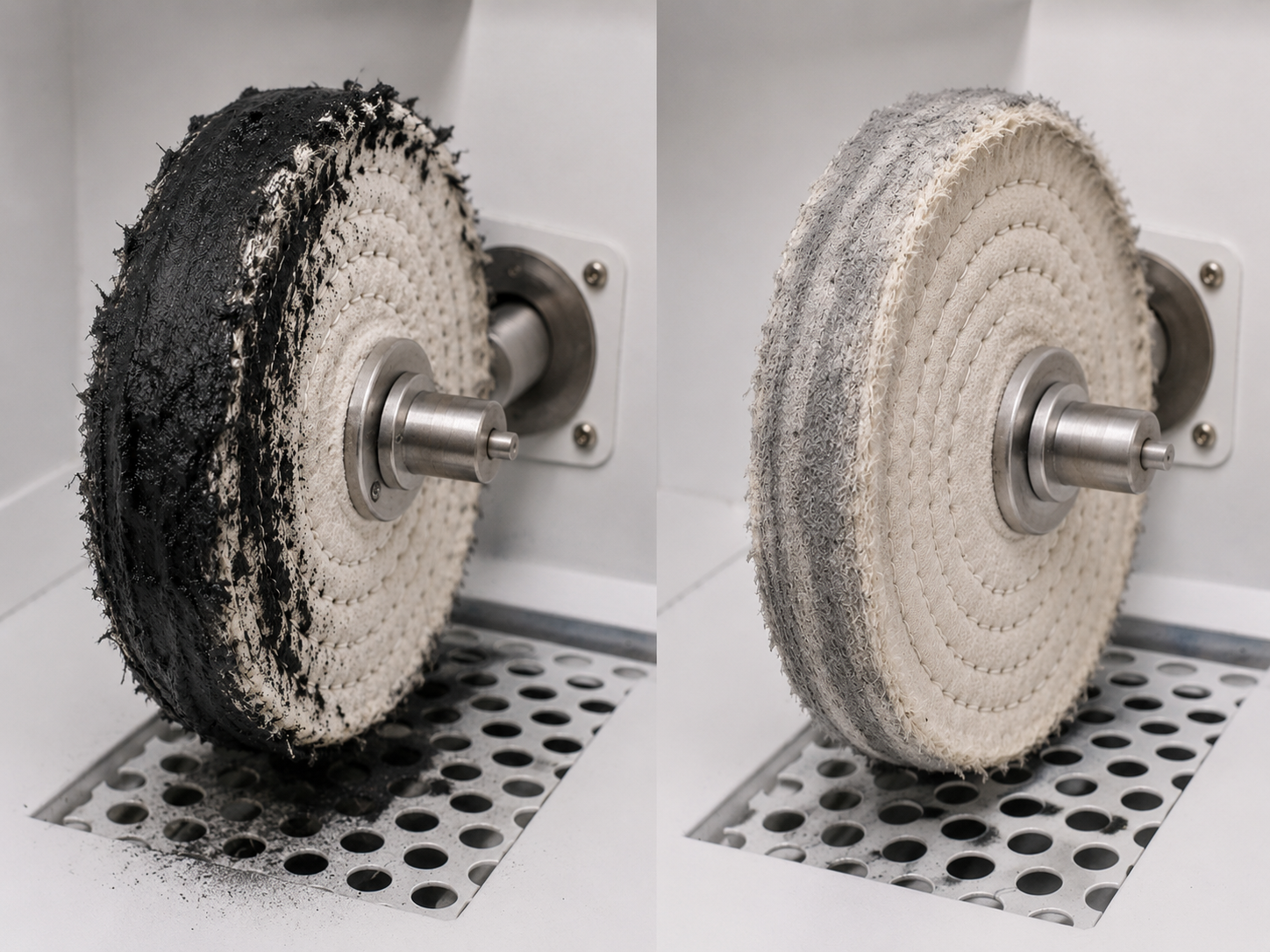
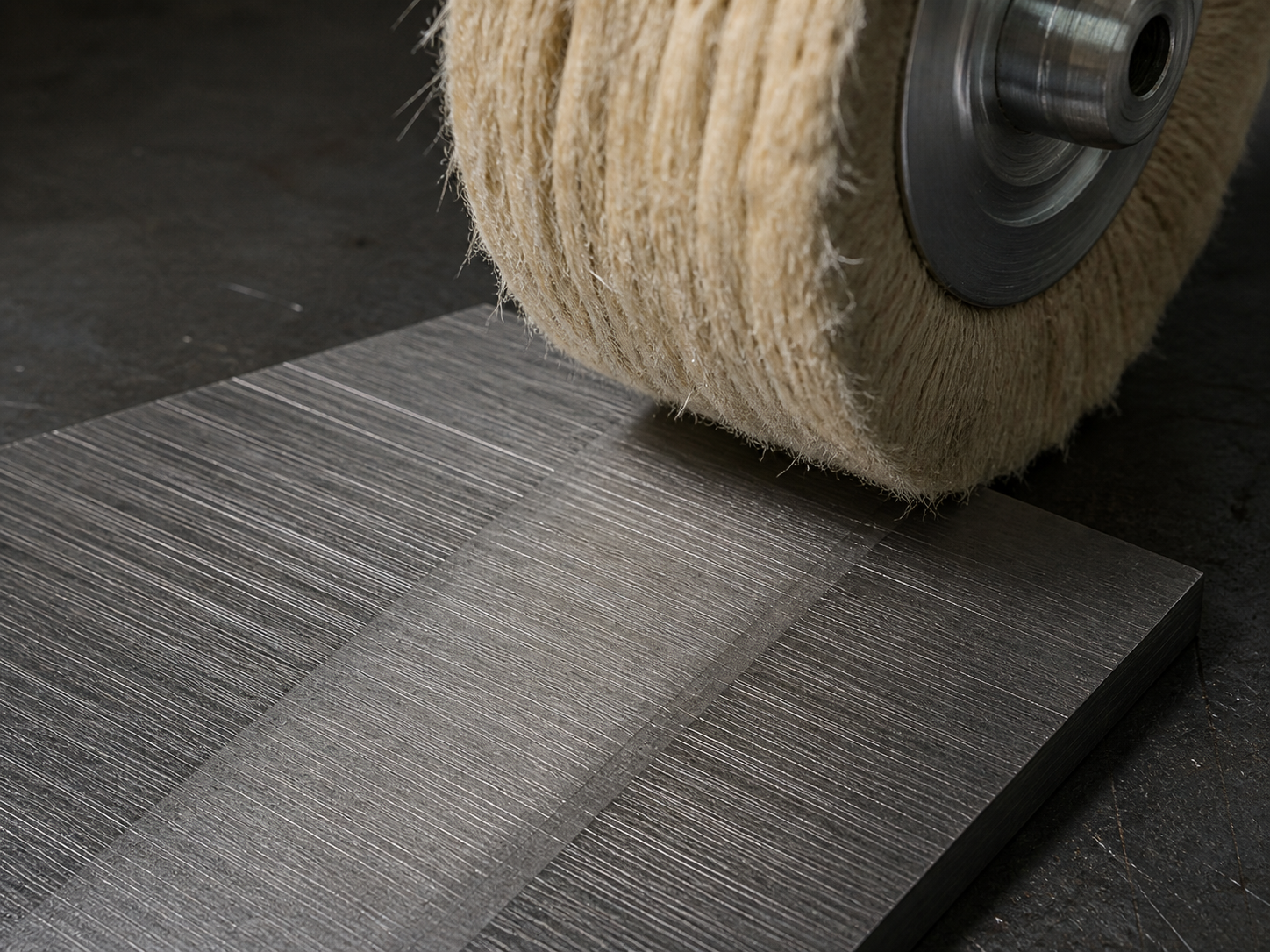
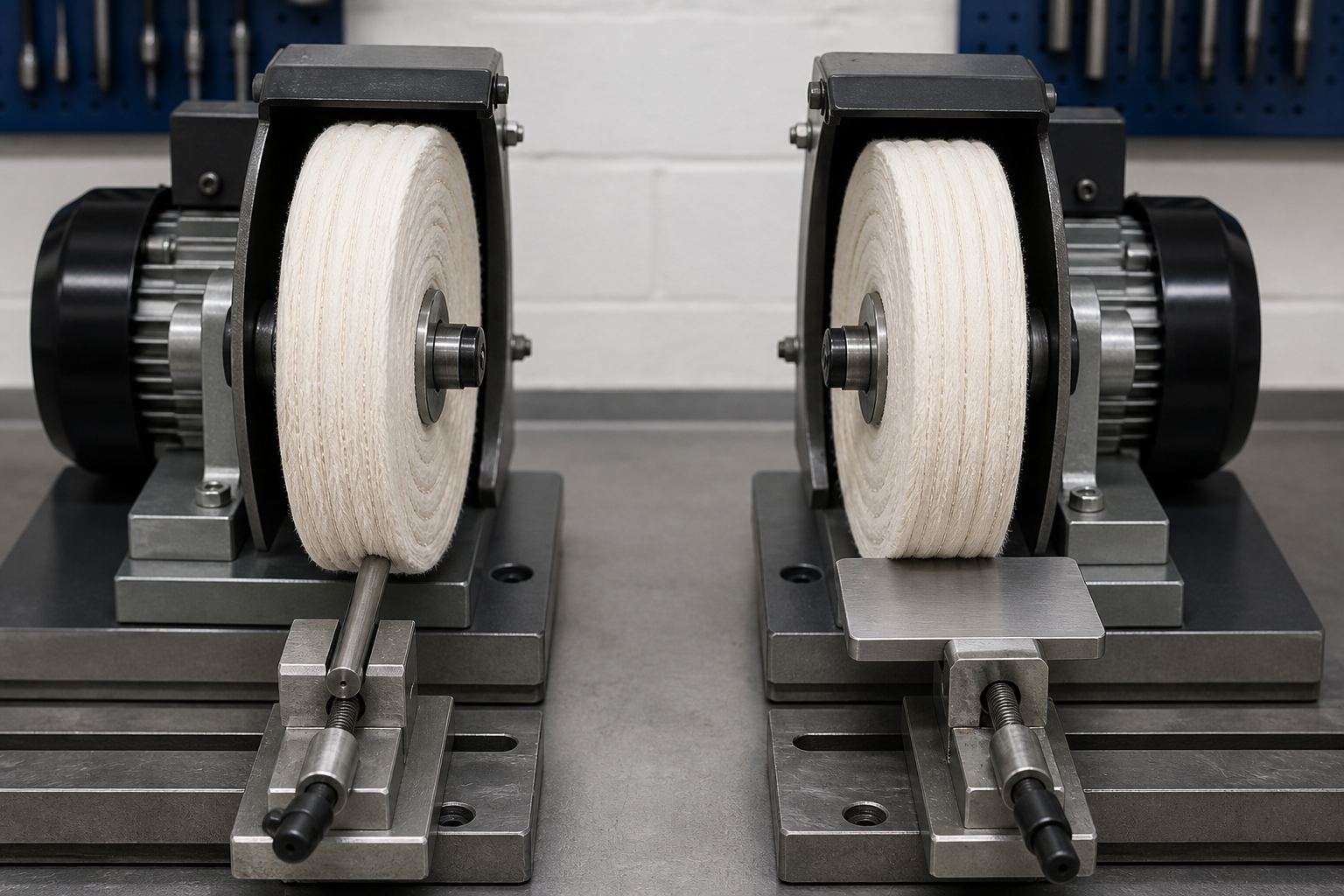
Use a Split-lap wheel on large flat surfaces. Choose sisal when the most intensive removal is required. A hard stitched cotton wheel provides strong action with a softer contact character and is selected according to item size, surface area, and the need to preserve geometry. Use small stitched and treated stitched cotton wheels on smaller items and in areas where a large wheel cannot create suitable contact.
For a standard wheel approximately 150 mm in diameter, the working starting range is 2500–3000 rpm. For tools of smaller diameter, select the operating conditions according to their linear surface speed and actual contact with the surface. Insufficient action from a small tool must not be compensated for with excessive pressure, excess LUXI Asian Blue, or prolonged continuous contact.
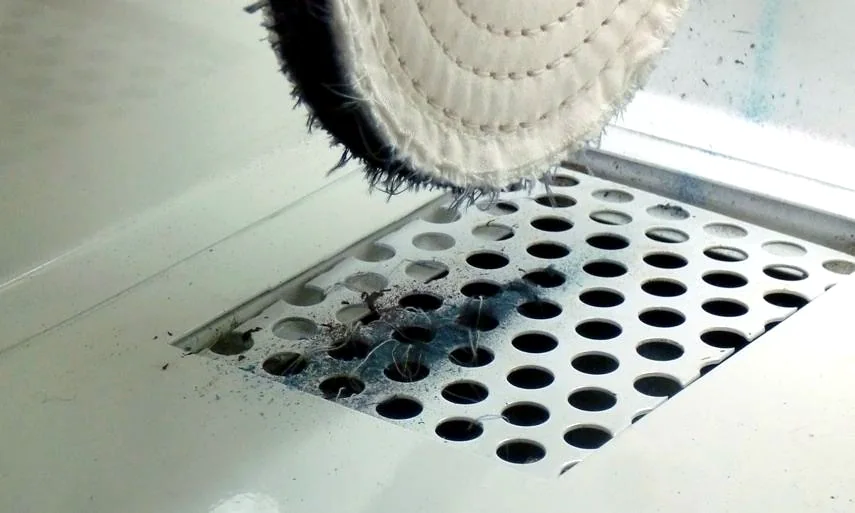
Apply LUXI Asian Blue minimally to a clean working tool. Work in short passes and inspect the surface regularly. Clean the wheel if it becomes loaded with removed metal, darkens, or starts leaving a contaminated trace. Excess compound weakens direct contact between the wheel and the surface, makes the result harder to assess, and increases contamination in relief.
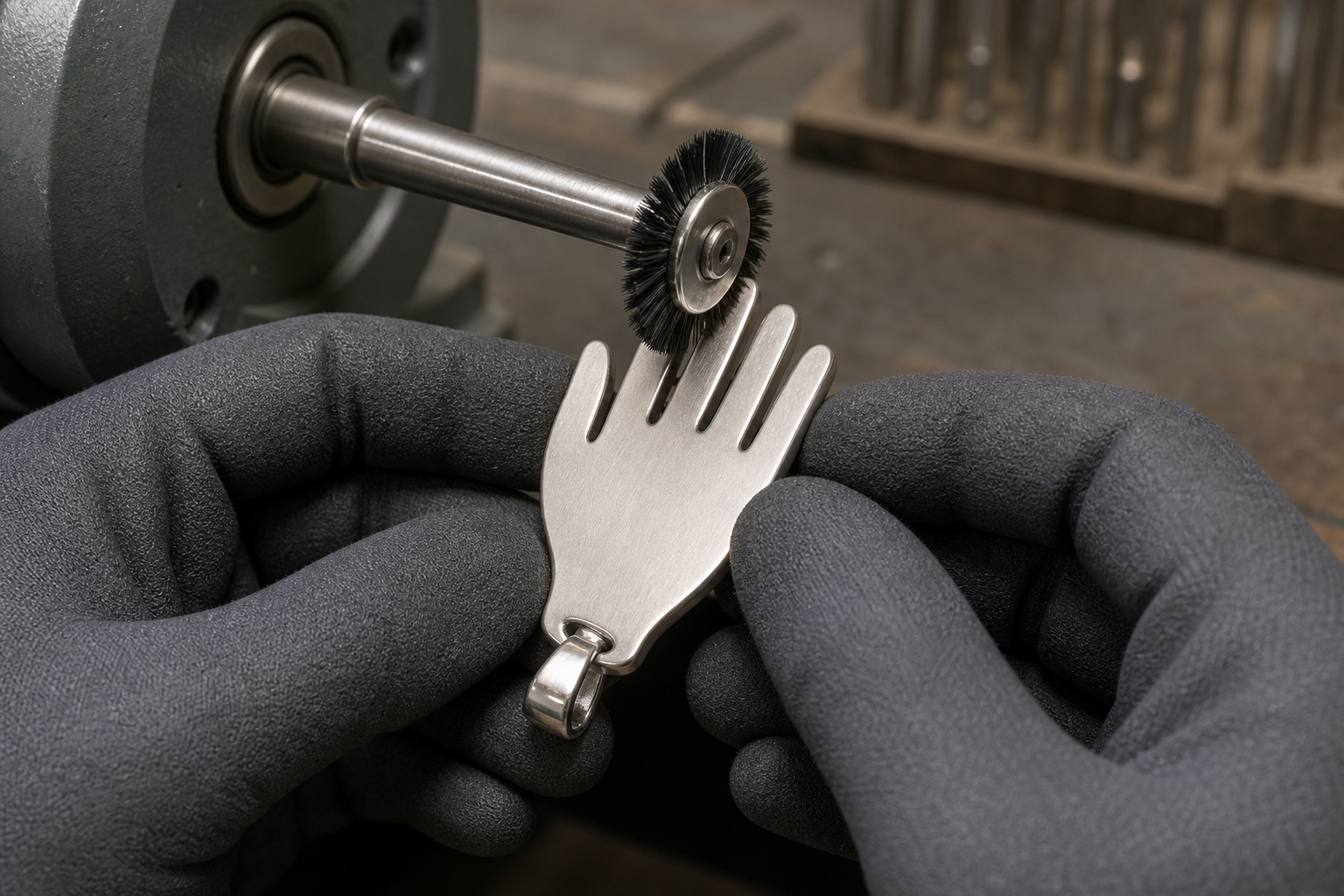
For recesses, inside corners, wedge-shaped cavities, local porosity, and complex relief, use LUXI Asian Blue with a small bristle brush with short stiff bristles. Select the brush size so that the bristles enter the working area and maintain stable contact. Apply the compound minimally and work in short passes without over-polishing the surrounding relief.
The primary scope of LUXI Asian Blue is platinum, titanium, stainless steel, Co–Cr, hard bronzes, hard white-gold alloys, spring silver, and silver–platinum Ag–Pt alloys. On gold, silver, and brass, use LUXI Asian Blue mainly on large flat and open surfaces when the contact area prevents less aggressive compounds from fully completing the first stage.
The first stage is complete when all visible marks from the last abrasive have been fully removed, the surface is even, and the intended geometry has been preserved. If marks remain, first check abrasive preparation, tool selection, wheel cleanliness, the amount of LUXI Asian Blue, rpm, pressure, and contact duration.
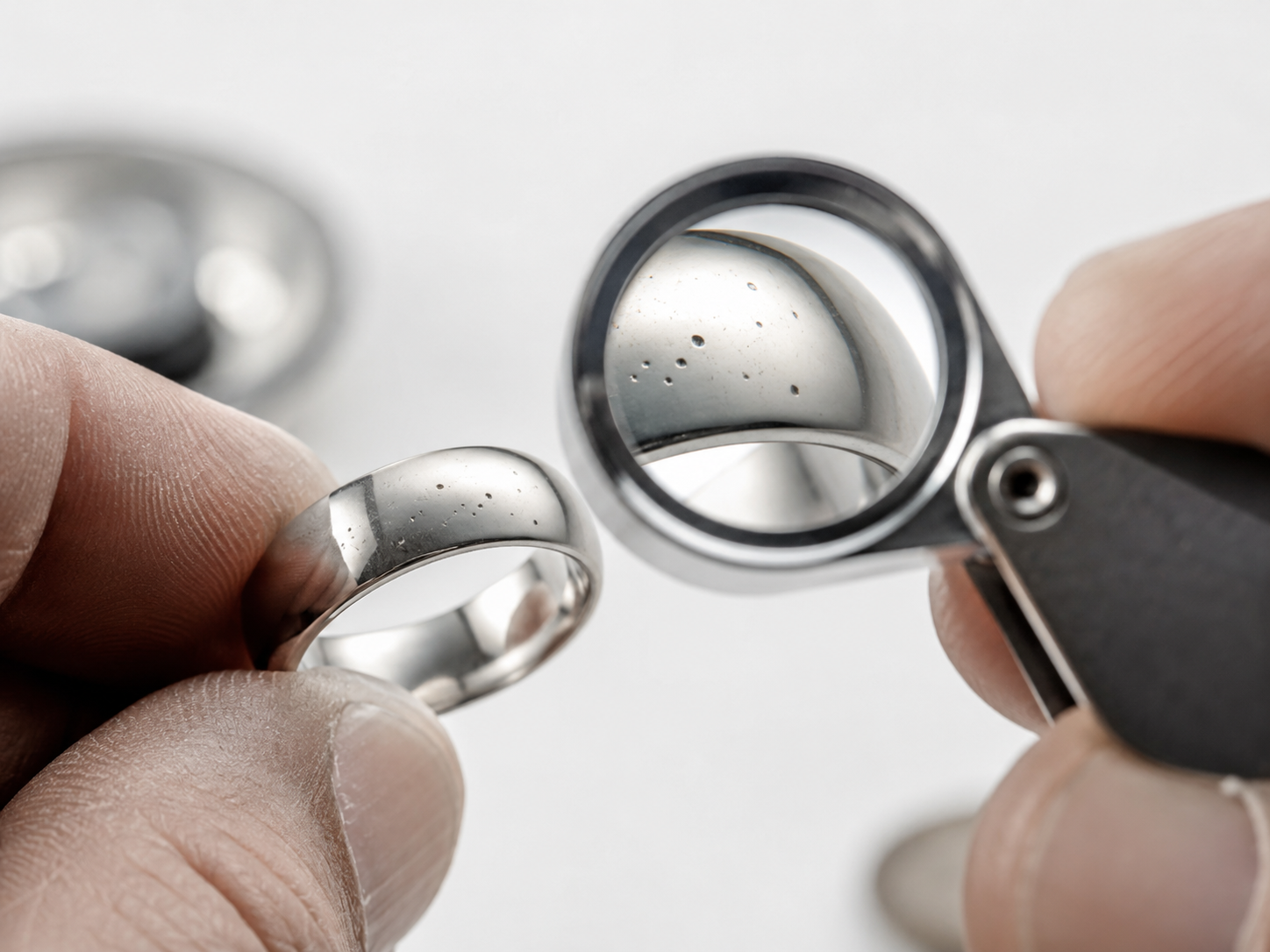
If polishing opens pores, cracks, or defects that continue to enlarge, stop work. Such defects are outside the capability of polishing and require a return to preparation, repair, rejection, or remelting.
After LUXI Asian Blue, select finer LUXI compounds according to the material and required result. On stainless steel, LUXI Yellow may follow LUXI Asian Blue when an industrial surface quality is required. For a mirror result on stainless steel and comparable hard materials, the sequence LUXI Asian Blue → LUXI Gray → LUXI Blue → LUXI Orange may be used. This is a material- and process-dependent option, not a mandatory sequence for every item.
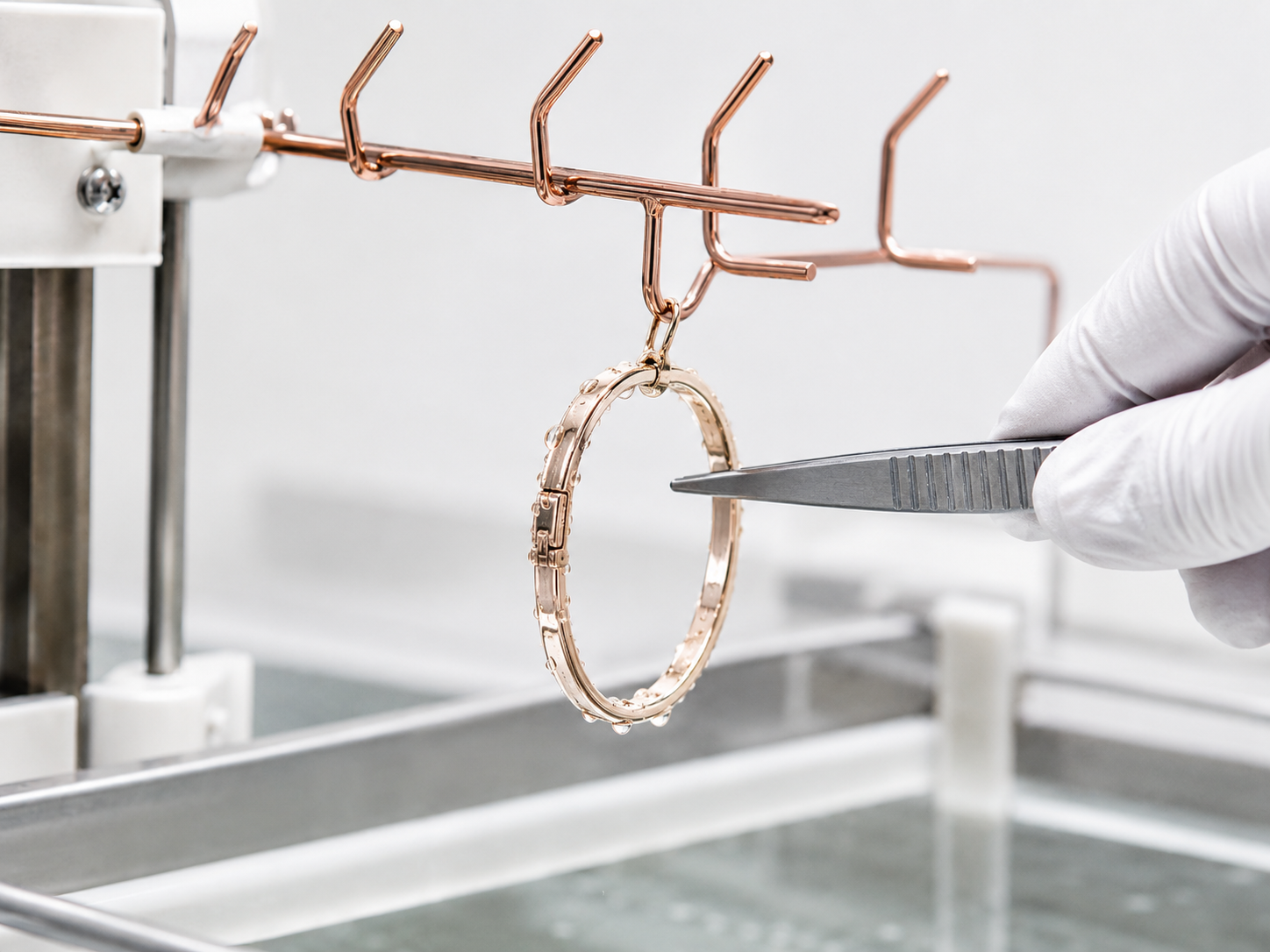
Before assessing the result or changing to the next compound, remove LUXI Asian Blue residue and removed metal from the surface. Pay particular attention to recesses, inside corners, and relief. Use a separate clean wheel or tool for the next compound so that coarser residue is not transferred to the following stage.