
 Integrated Polishing System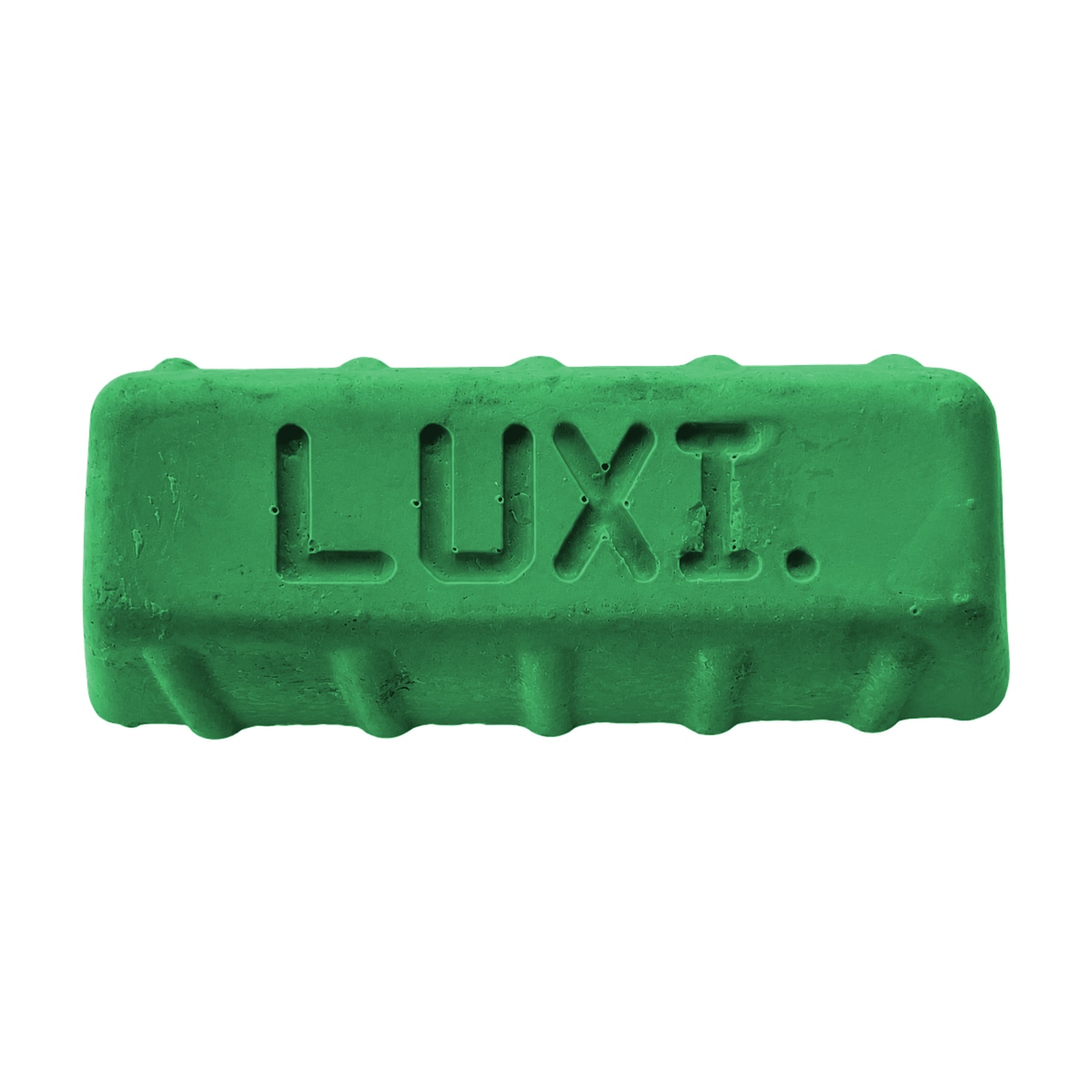
Application context
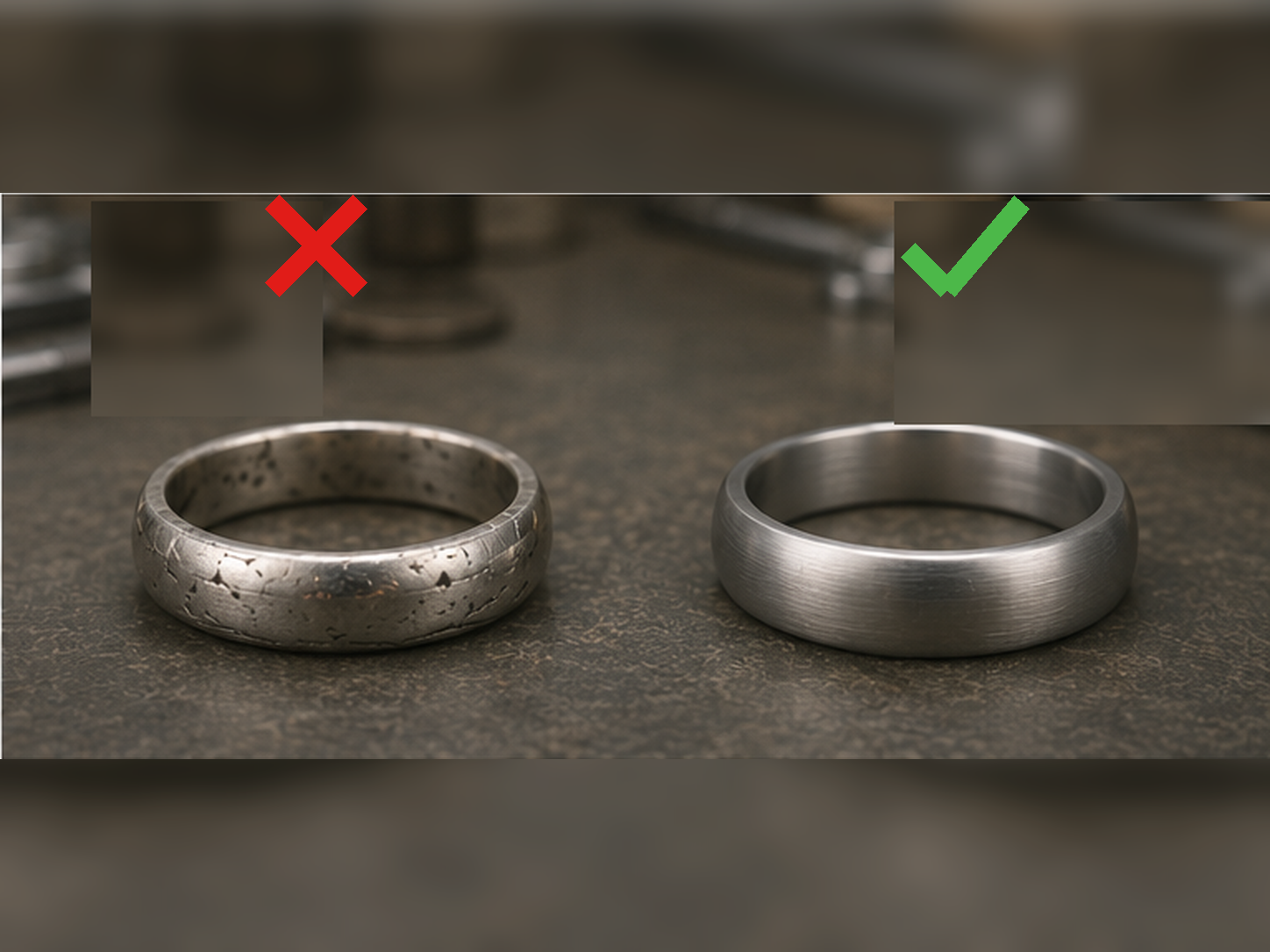
Before using LUXI Green, complete the item’s geometry, necessary repair, and abrasive preparation. Do not leave deep scratches, cracks, open cavities, protruding defects, or unfinished shape corrections for LUXI Green. No universal abrasive grade is specified: the required preparation depends on the material, tool, geometry, and the role assigned to LUXI Green in the particular process. When LUXI Green is used for finishing, the preceding first stage must be fully completed and all visible marks from the last abrasive must have been fully removed.
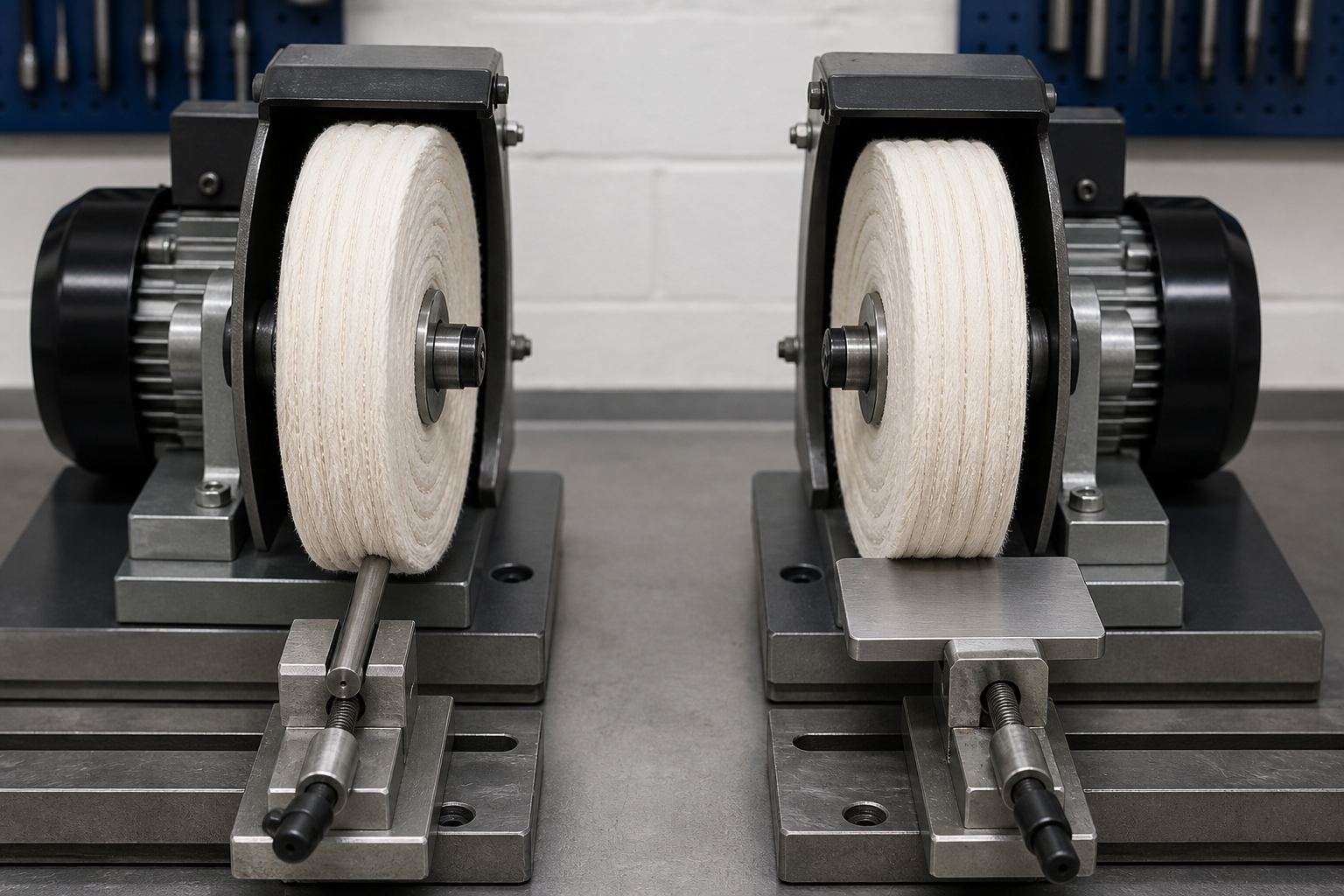
Polishing-tool action is not determined by rpm alone. At the same rpm, a smaller-diameter tool has a lower linear surface speed. The contact zone normally produces less heat, remains colder, and a standard compound may not reach its usual working conditions. LUXI Green retains working polishing action in this colder zone. High rpm on a small tool therefore does not by itself prove sufficient linear speed or temperature. The relationship between wheel diameter, rpm, linear speed, and contact-zone temperature is explained in “Wheel diameter, rpm, and linear surface speed in the contact zone.”
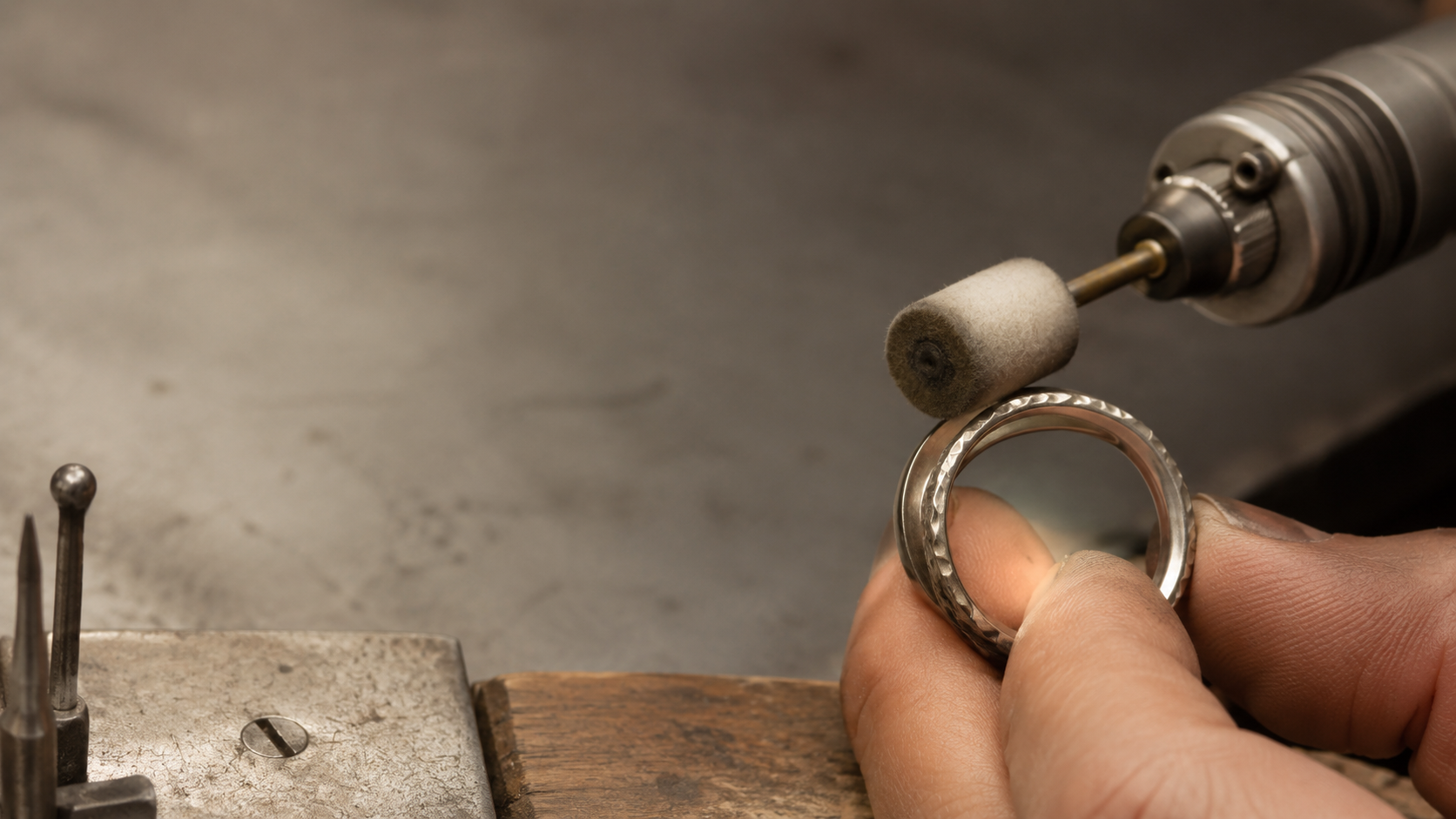
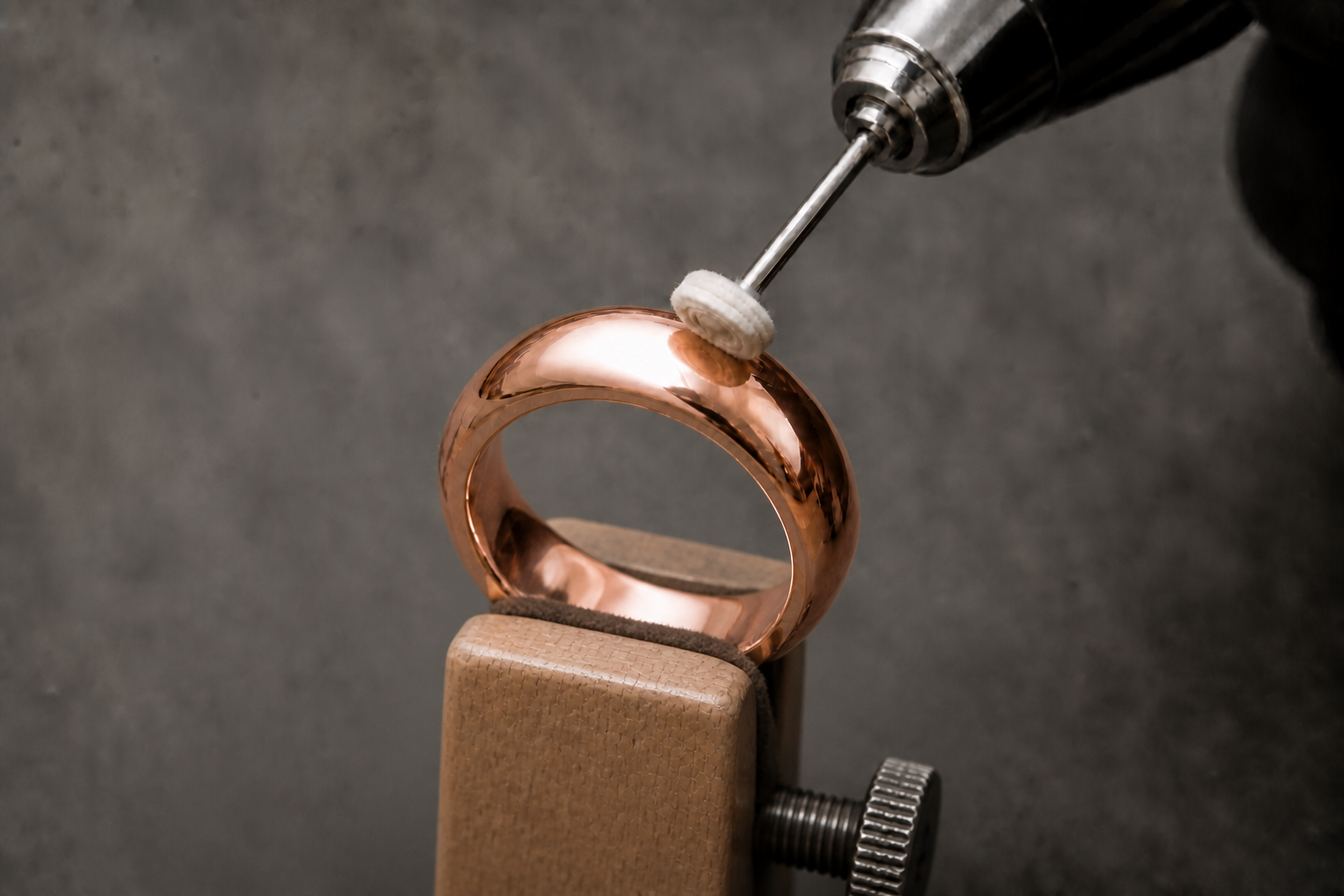
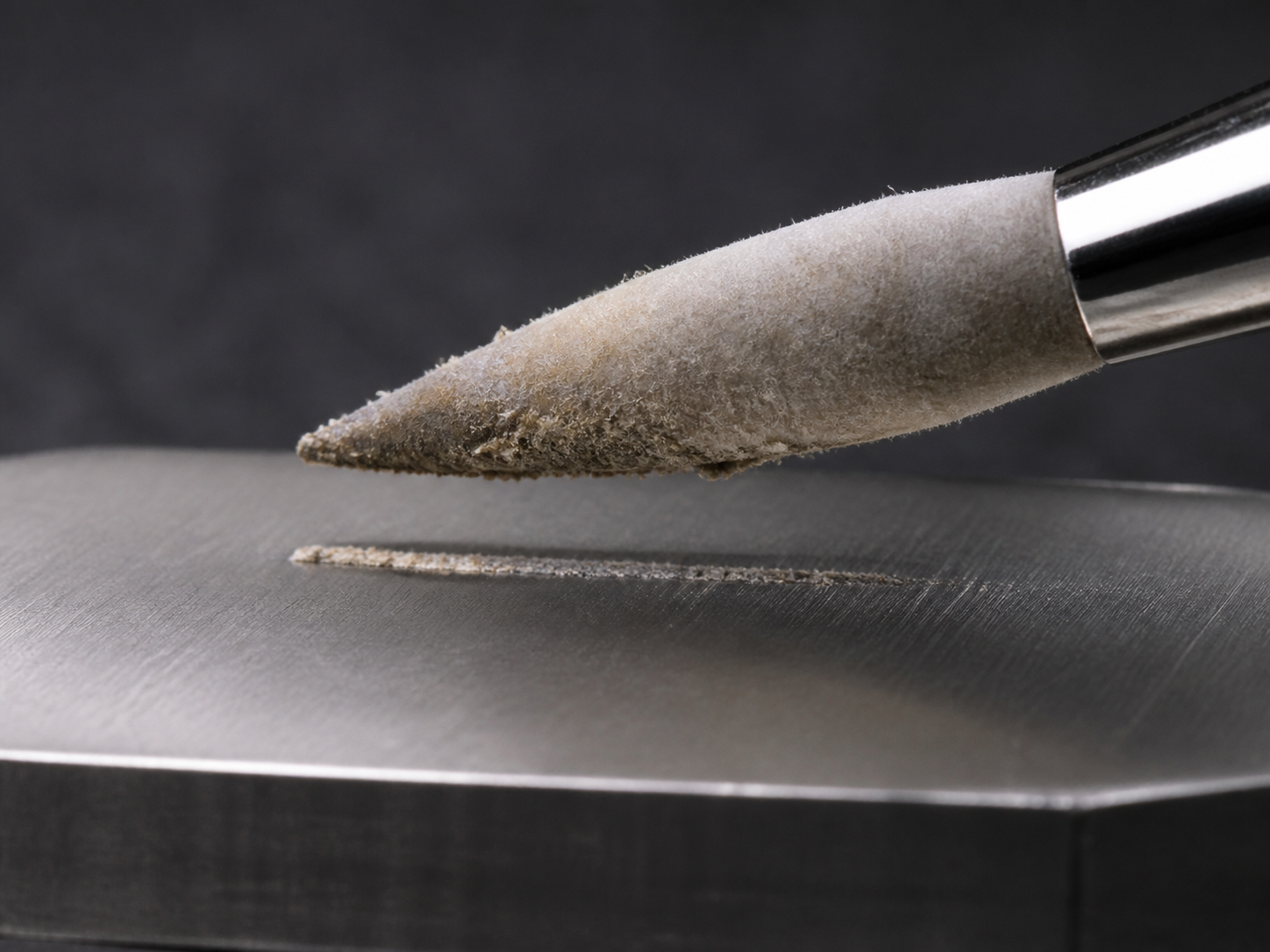
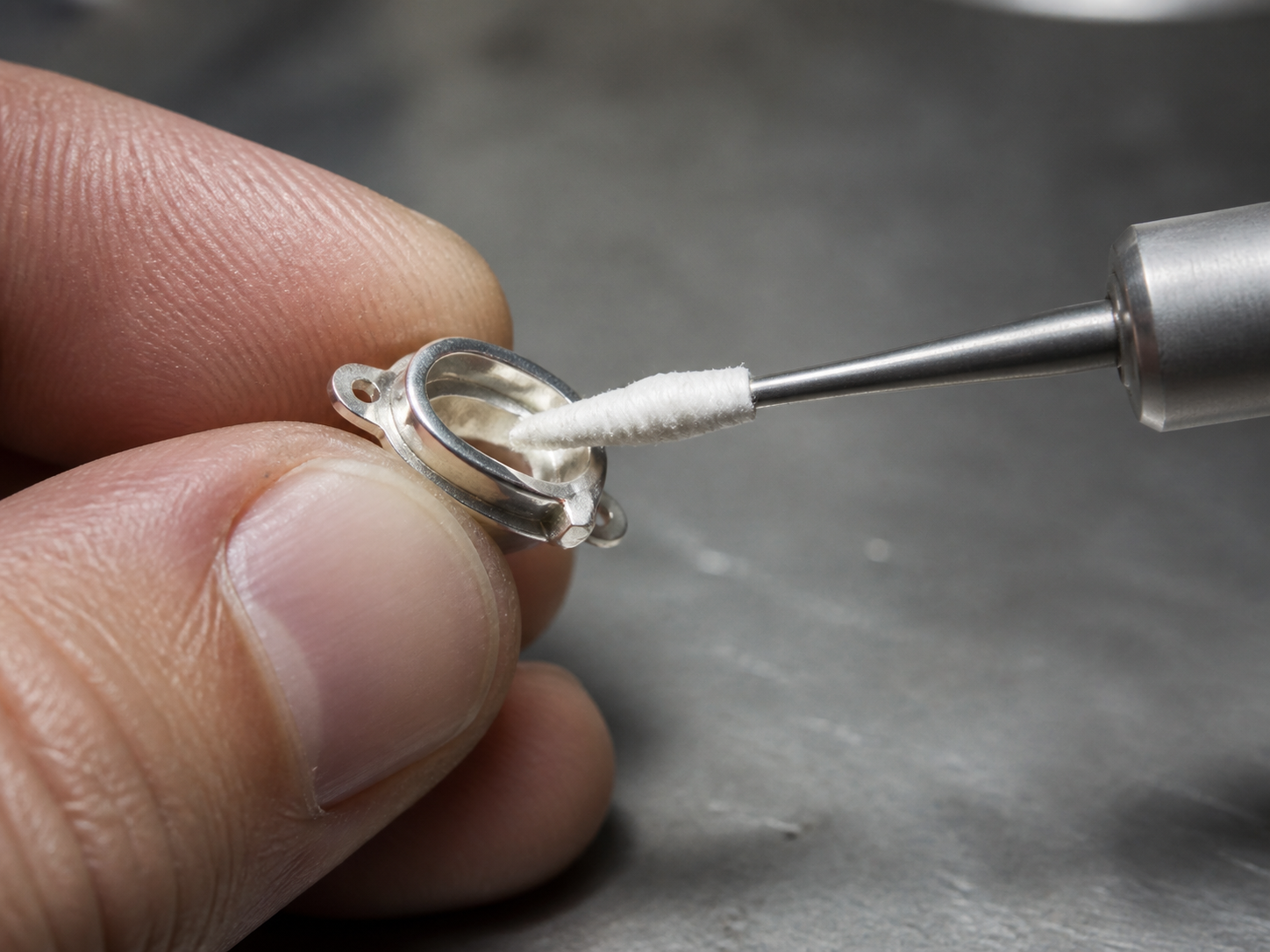
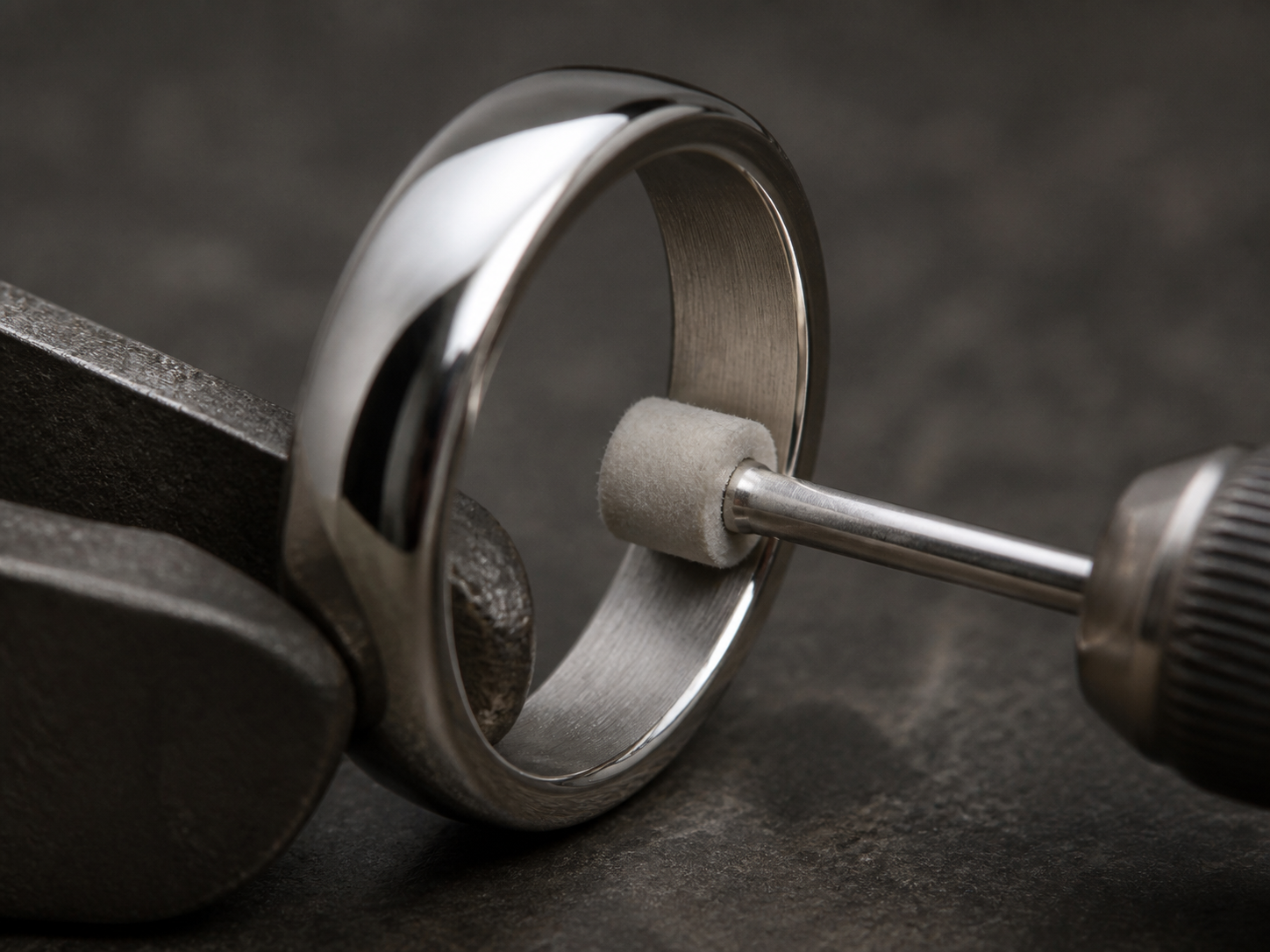
Small cotton tools include small cotton wheels and points and cotton wrapped around a spindle or cone. They provide access to local and enclosed areas; contact character depends on shape, cotton-wrap density, tool diameter, and actual contact area. Felt points and felt tools provide a more local working surface and are selected for the geometry of the particular area. For an inside-ring surface, use cotton wrap, a suitable cotton point, or a felt tool whose shape and diameter match the inside-ring geometry. Cotton and felt must not be grouped with brushes, bristles, thread, or cord: those carriers follow a different working logic.
For a standard wheel approximately 150 mm in diameter under ordinary conditions, the working starting range is 2500–3000 rpm. Do not transfer this range automatically to a small cotton point, felt tool, or cotton wrap. No universal rpm range is set for a small tool: consider actual working diameter, linear speed, tool stability, contact area and character, rpm drop under load, and surface temperature. An intentionally reduced standard-wheel setting of approximately 1000 rpm applies only to confirmed low-temperature branches for titanium and a sufficiently thick electroplated layer that has been shown suitable for polishing. It is not the general speed for LUXI Green.
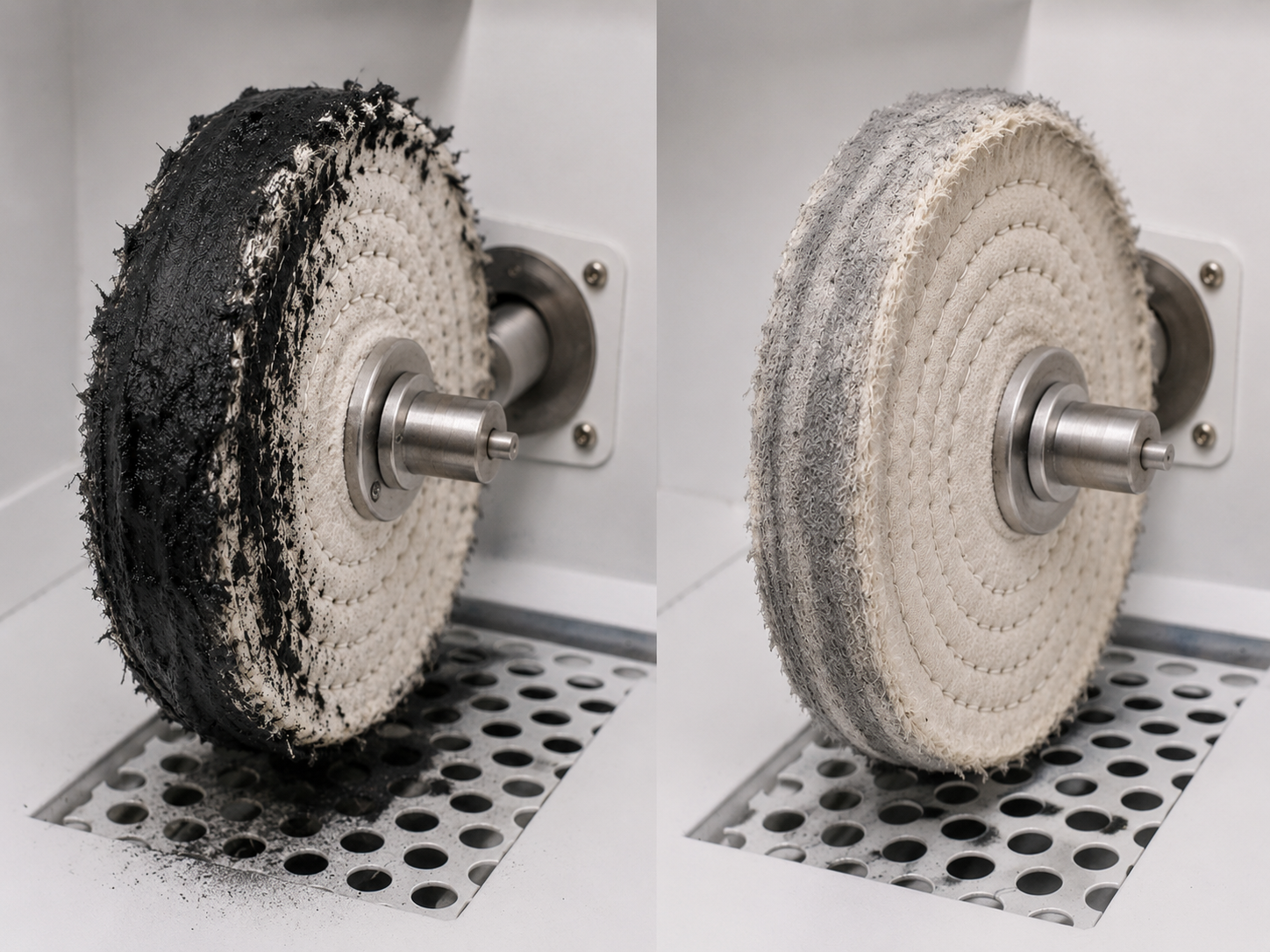
Apply LUXI Green minimally to a clean tool. Work in short passes, keep the item moving relative to the working body, and control pressure, contact duration, and temperature. In sensitive low-temperature branches, pause between passes for cooling. If the tool becomes contaminated with old compound and removed material, darkens, becomes greasy, or starts smearing compound, stop and restore a clean working condition before continuing.
If the required result develops slowly, check tool diameter, linear speed, rpm under load, tool cleanliness, abrasive preparation, shape of the working surface, amount of LUXI Green, contact area, pressure, pass duration, and temperature in sequence. Slow action must not be compensated for with excess LUXI Green, stronger pressure, or prolonged continuous contact.
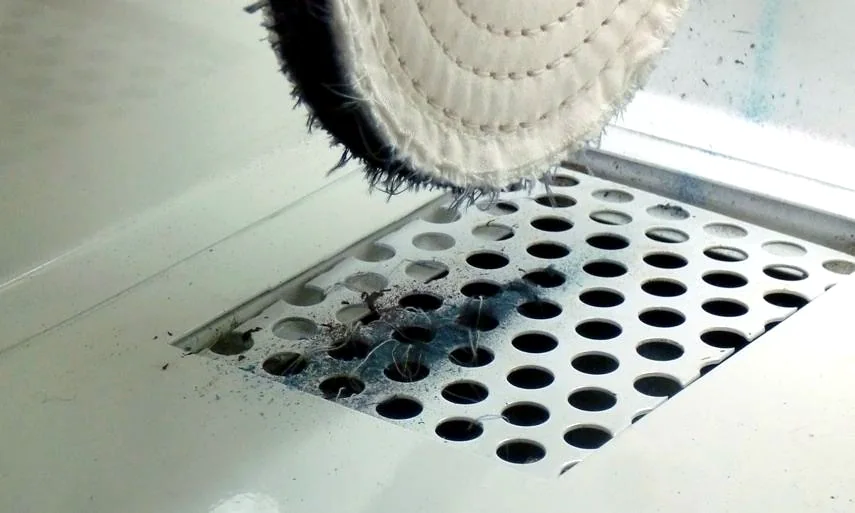
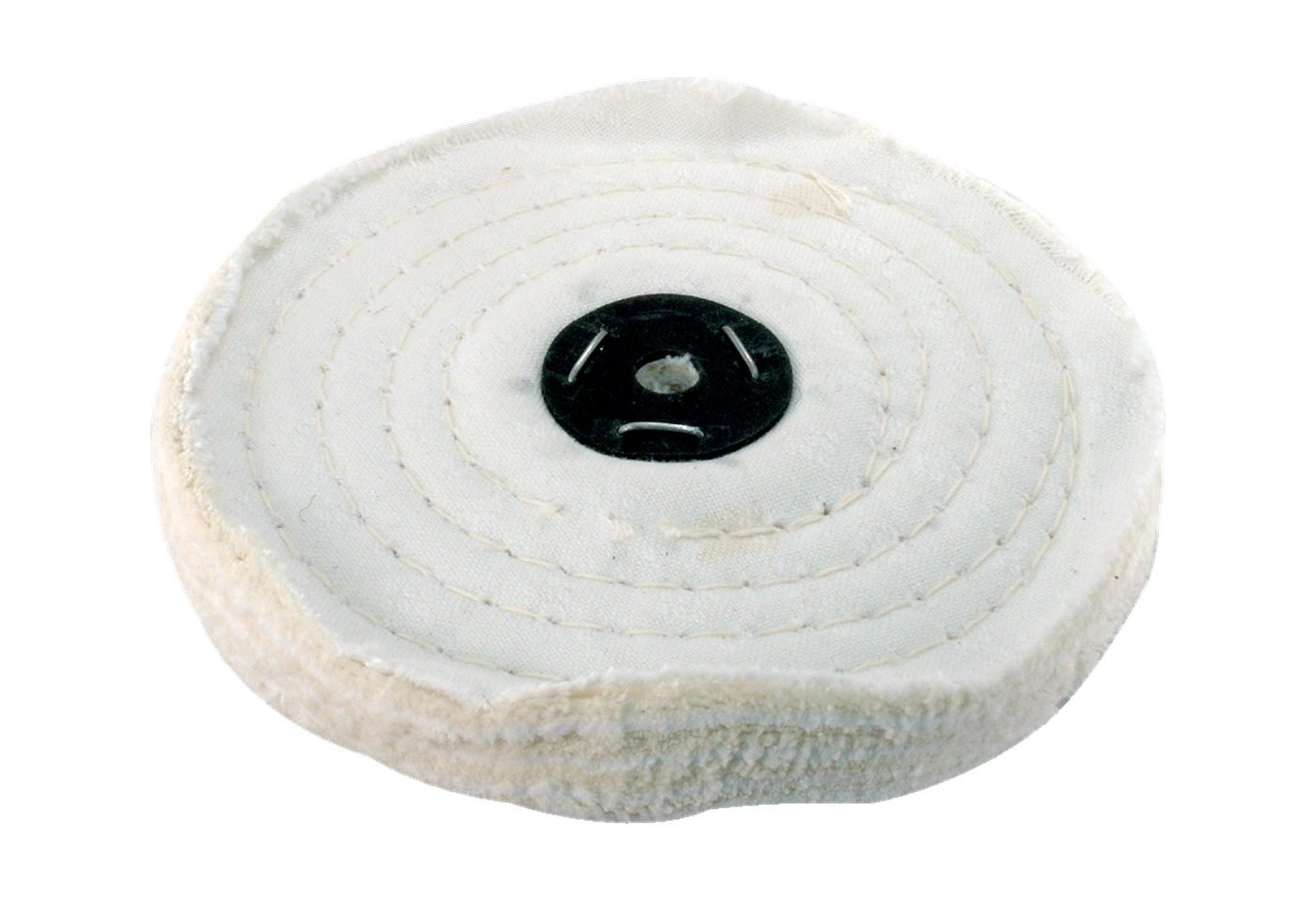
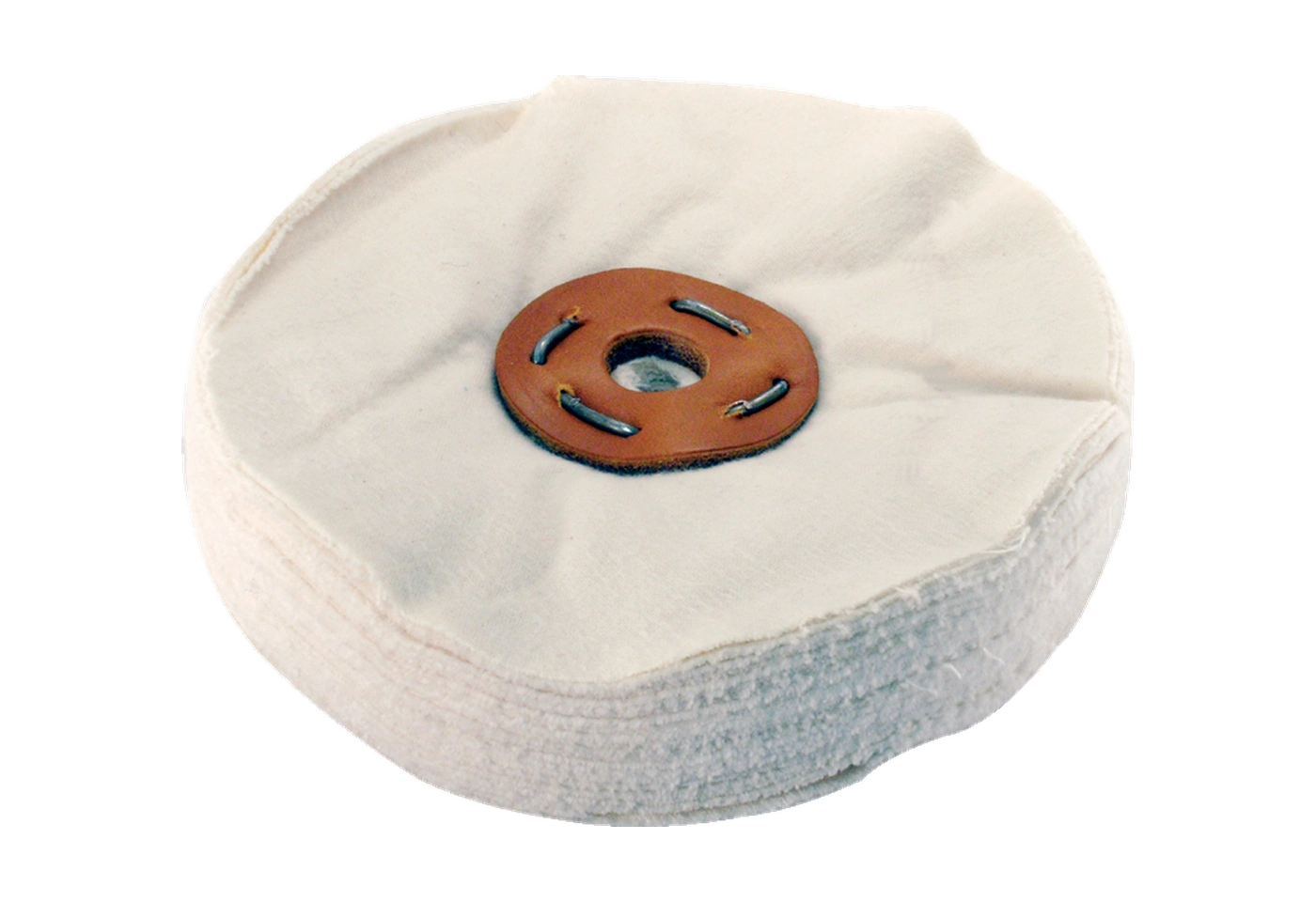
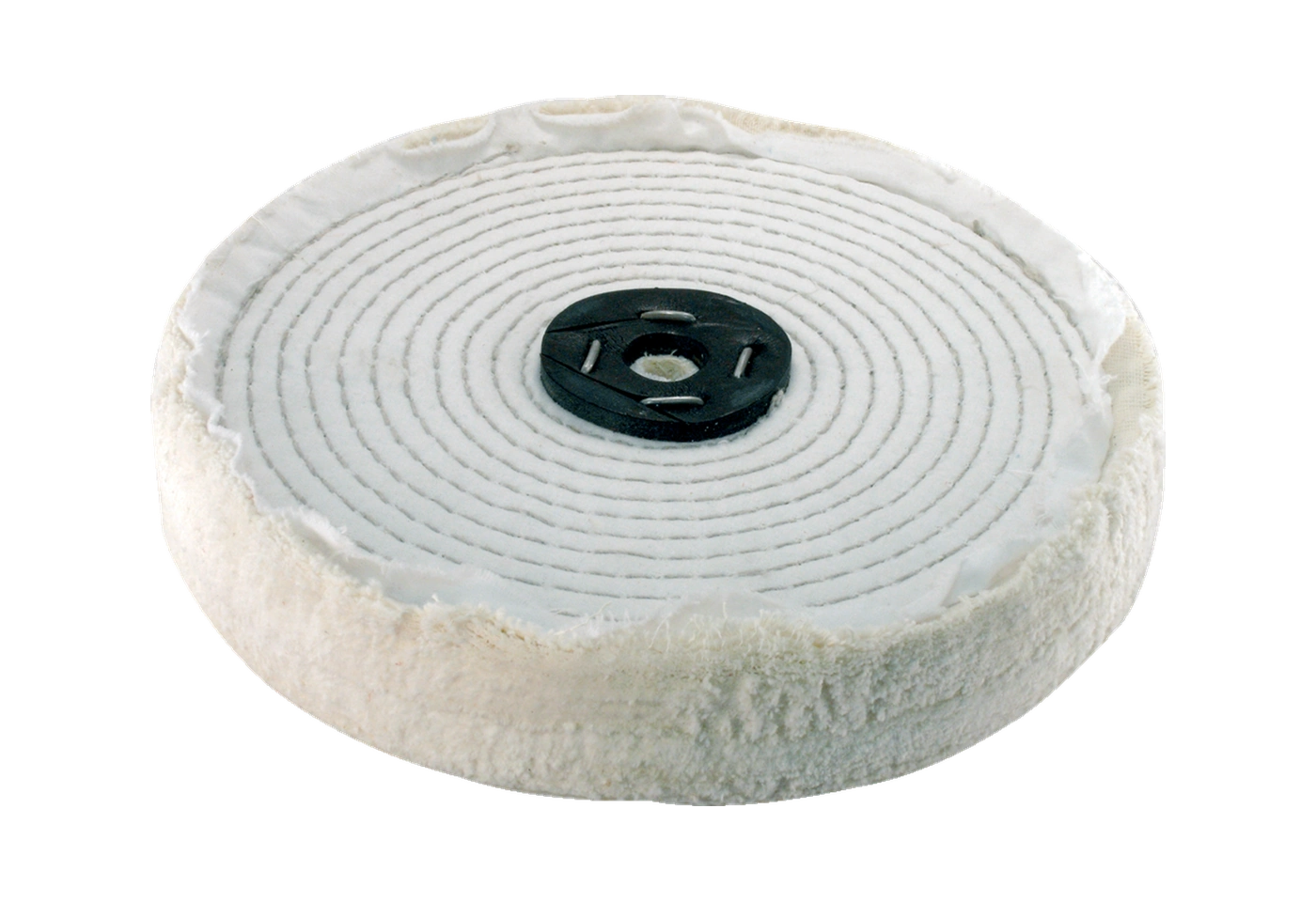
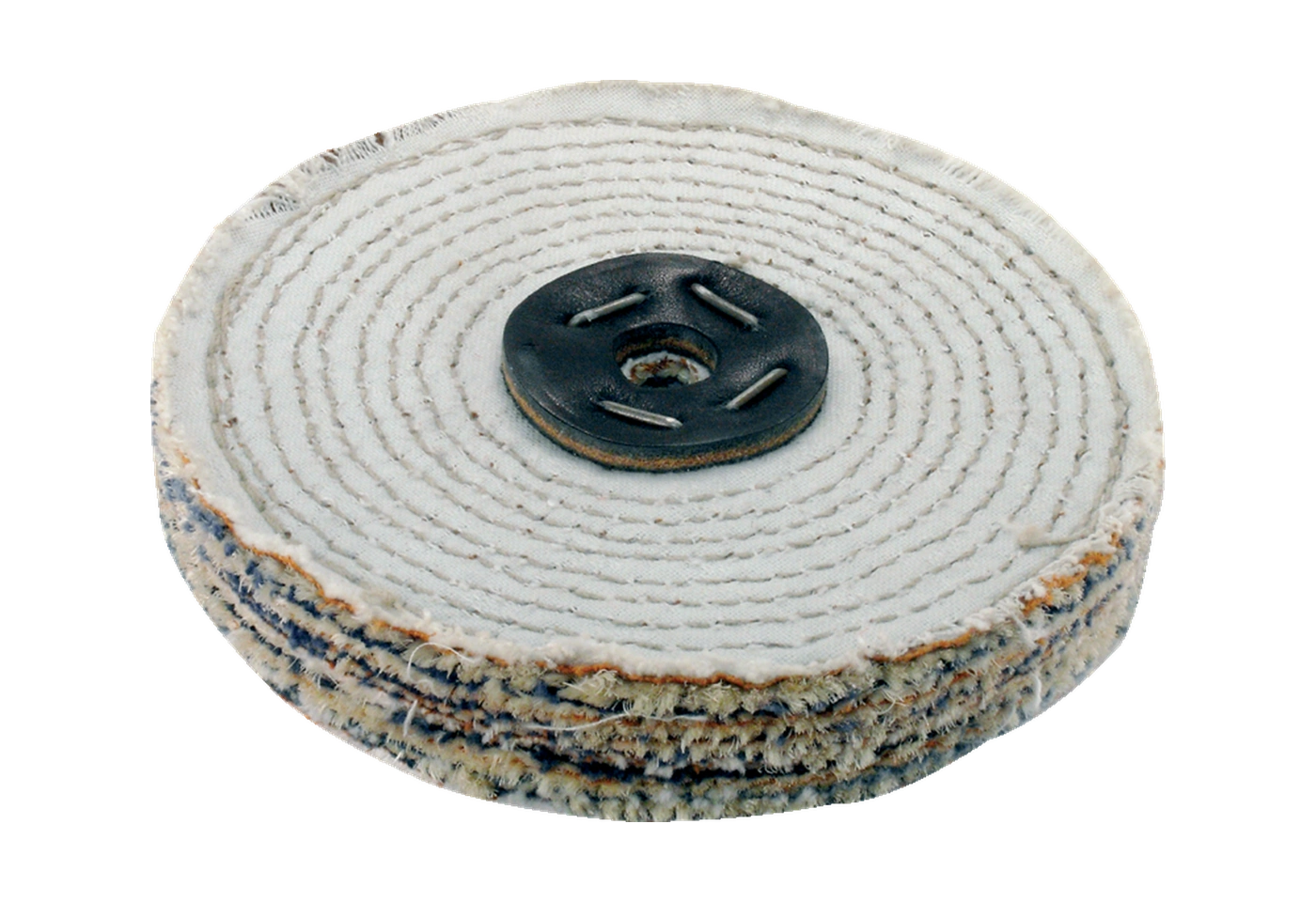
LUXI Green is not limited to small tools or reduced temperature. Under standard conditions, a firmer stitched wheel provides stronger action and allows LUXI Green to perform a first stage. The first stage is complete only when all visible marks from the last abrasive have been fully removed, the surface is even, and geometry, edges, and relief have been preserved. Use a softer unstitched wheel to bring the surface to a higher lustre and a uniform reflection. These are different LUXI Green roles; every process does not require both wheels.
Platinum has a separate two-wheel LUXI Green process. First use LUXI Green on a firmer stitched wheel to remove all visible marks from the last abrasive and form an even surface. Then remove residue from LUXI Green and removed metal, allow the item to cool, and inspect it. Continue with LUXI Green on a separate clean softer unstitched wheel until the required lustre and uniform reflection are achieved. No universal abrasive grade is introduced for this branch. The two-wheel LUXI Green process is an independent alternative to platinum processes finishing with LUXI Pink, not a mandatory stage before LUXI Pink.
For different titanium grades, select one of two finishing approaches after correct preparation and a completed first stage. If the surface remains stable at standard intensity, LUXI Pink may be used. If standard intensity causes overheating, waves, or orange peel, choose LUXI Green in an intentionally low-temperature process. For the confirmed branch with a standard wheel, use approximately 1000 rpm, very light pressure, short contacts, frequent inspection, and cooling pauses. LUXI Green and LUXI Pink are alternatives in this task, not consecutive stages. Stop polishing if waves, orange peel, or another unstable surface change appears. Accept the result only after cooling and cleaning when the surface remains even and stable.
Do not mechanically polish a thin decorative, protective, flash, PVD, CVD, e-coat, or other layer with LUXI Green if it must be preserved. Consider a sufficiently thick electroplated coating for polishing only after confirming layer type, thickness, continuity, adhesion, and condition. Establish the working conditions first on a corresponding sample or, when the risk is acceptable and no sample exists, on a non-critical area. The confirmed low-temperature branch uses a separate clean standard wheel whose fabric type is not yet established, approximately 1000 rpm, very light pressure, short contact, temperature control, and cooling pauses. After cooling and cleaning, the coating must retain even lustre, colour, thickness, and adhesion. Stop immediately if colour changes, local thinning or substrate breakthrough appears, the layer becomes cloudy or smeared, waves or cracks develop, or adhesion is lost. Do not polish an unknown coating with LUXI Green until the layer system has been identified and suitability confirmed.
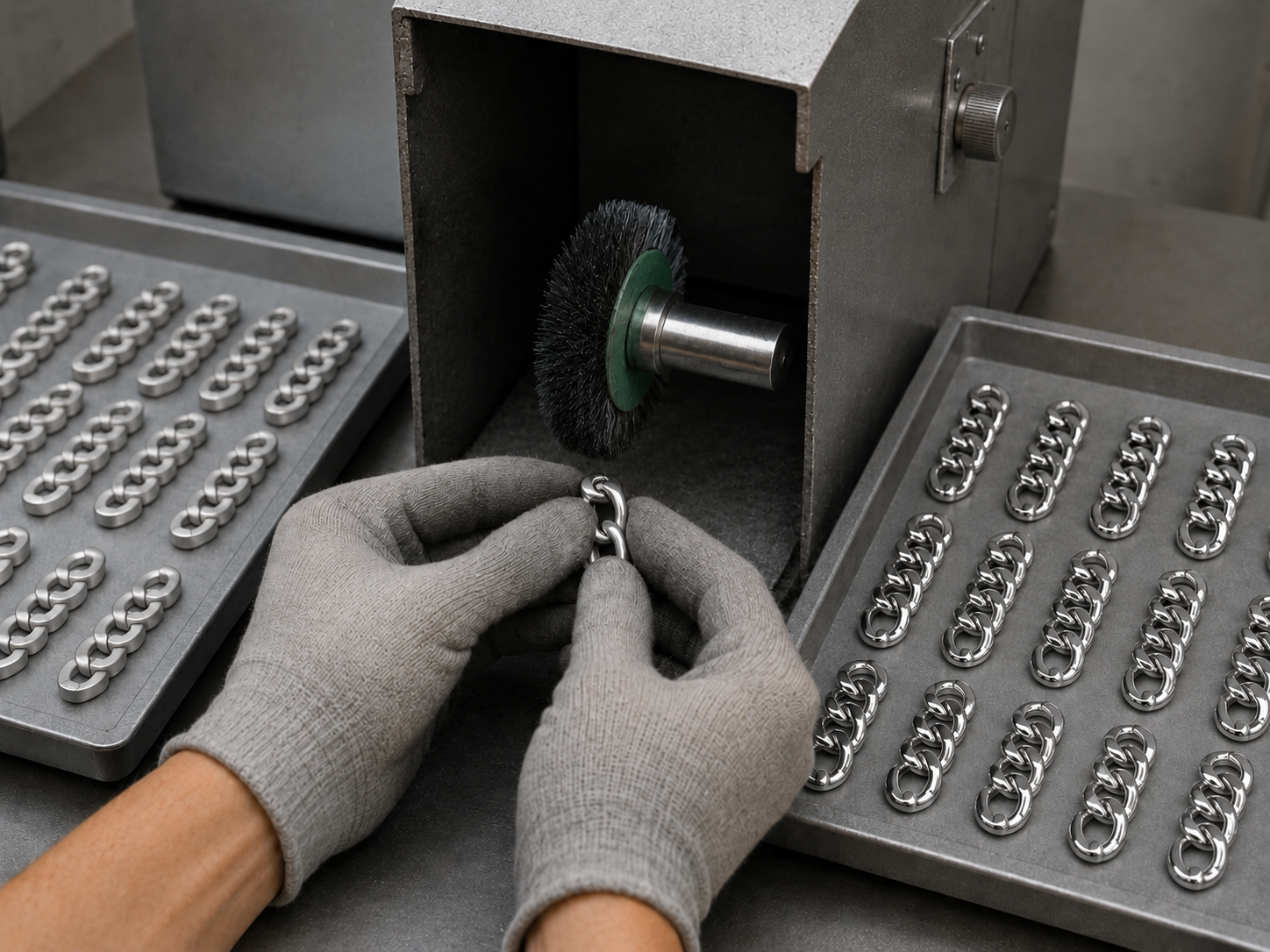
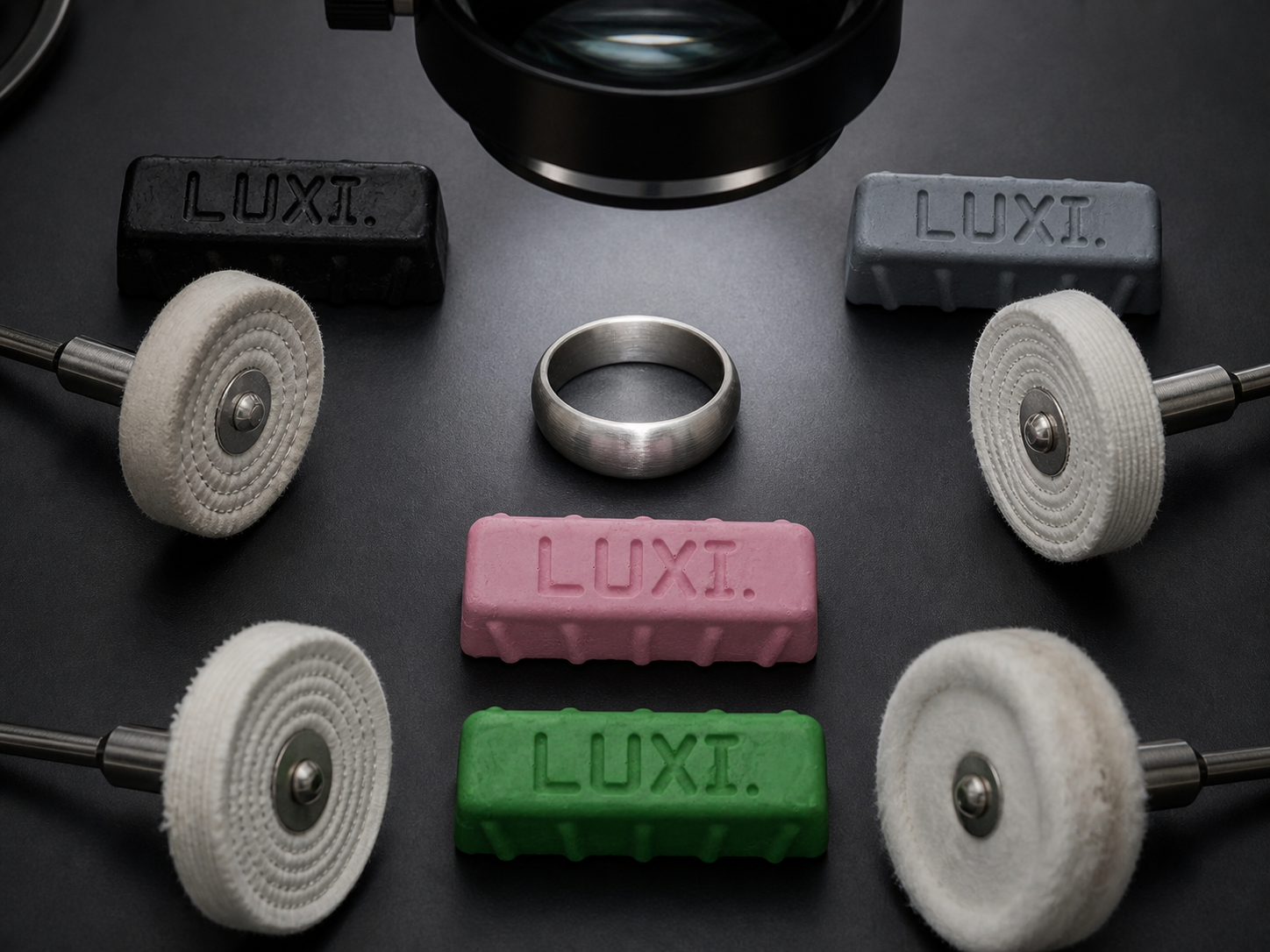
Choose LUXI Green and LUXI Purple according to the working carrier and contact character. Use LUXI Green with small cotton and felt tools, cotton wrap, inside-ring tools, and selected standard-wheel tasks. Use LUXI Purple with brushes, bristles, cotton thread, and cotton cord in relief, recesses, undercuts, and other areas where retention of compound on a fibrous carrier is decisive. LUXI Purple is not the next stage after LUXI Green, a stronger version of LUXI Green, or a mandatory companion product.
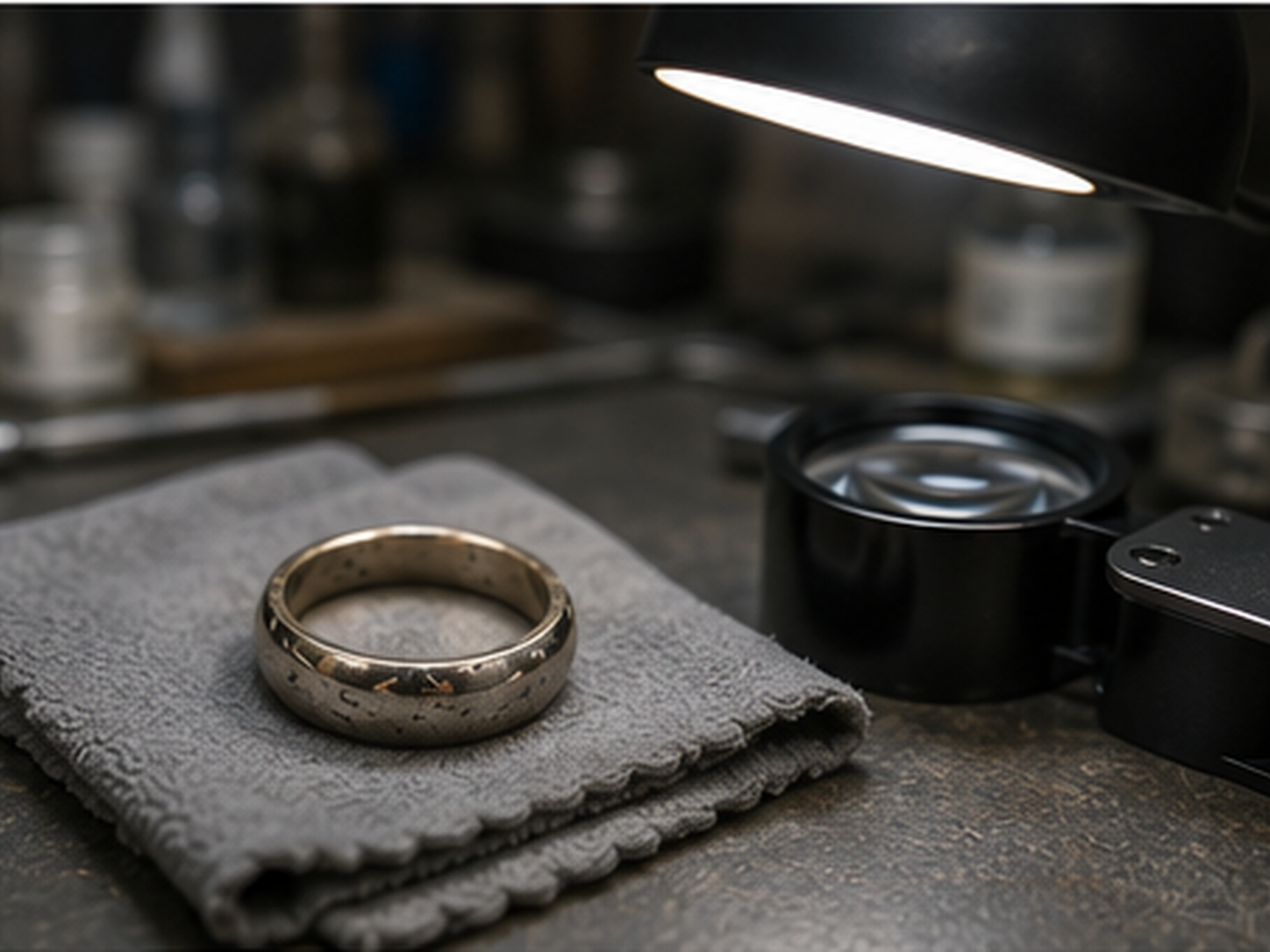
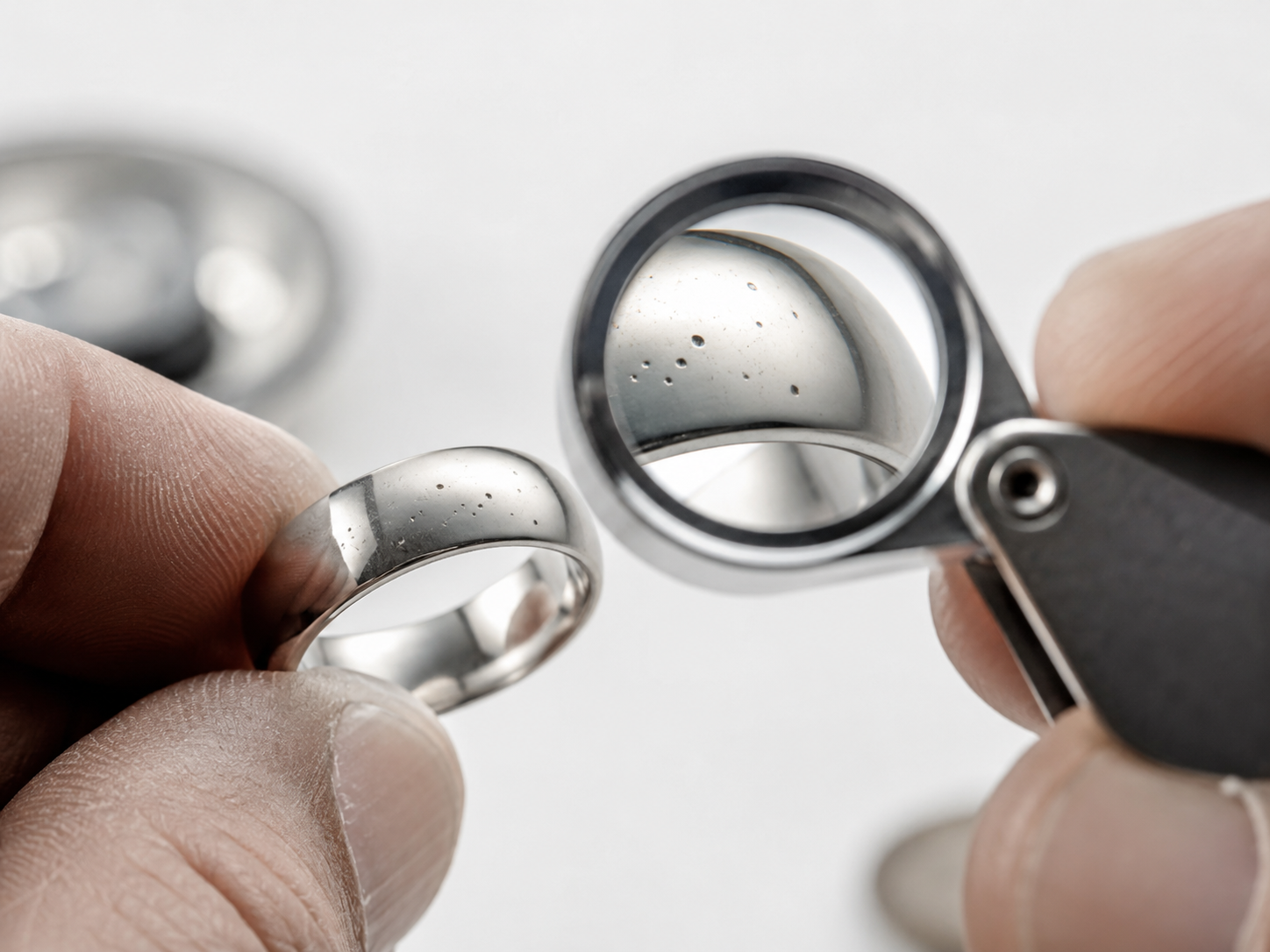
Assess polishing only after cooling and complete removal of residue from LUXI Green and removed material. Pay particular attention to inside-ring surfaces, enclosed areas, recesses, and regions near joints and inserts. Inspect the surface under directed light. Use a separate clean tool for another stage or a wheel of different stiffness. For compatible items, use LUXI iClean as the recommended washing solution; select the washing method according to the material, coating, item construction, and inserts. If cleaning reveals cracks, cavities, pores, or other defects outside the capability of LUXI polishing, stop and return the item to preparation, repair, or assessment of suitability for further production.