 Integrated Polishing System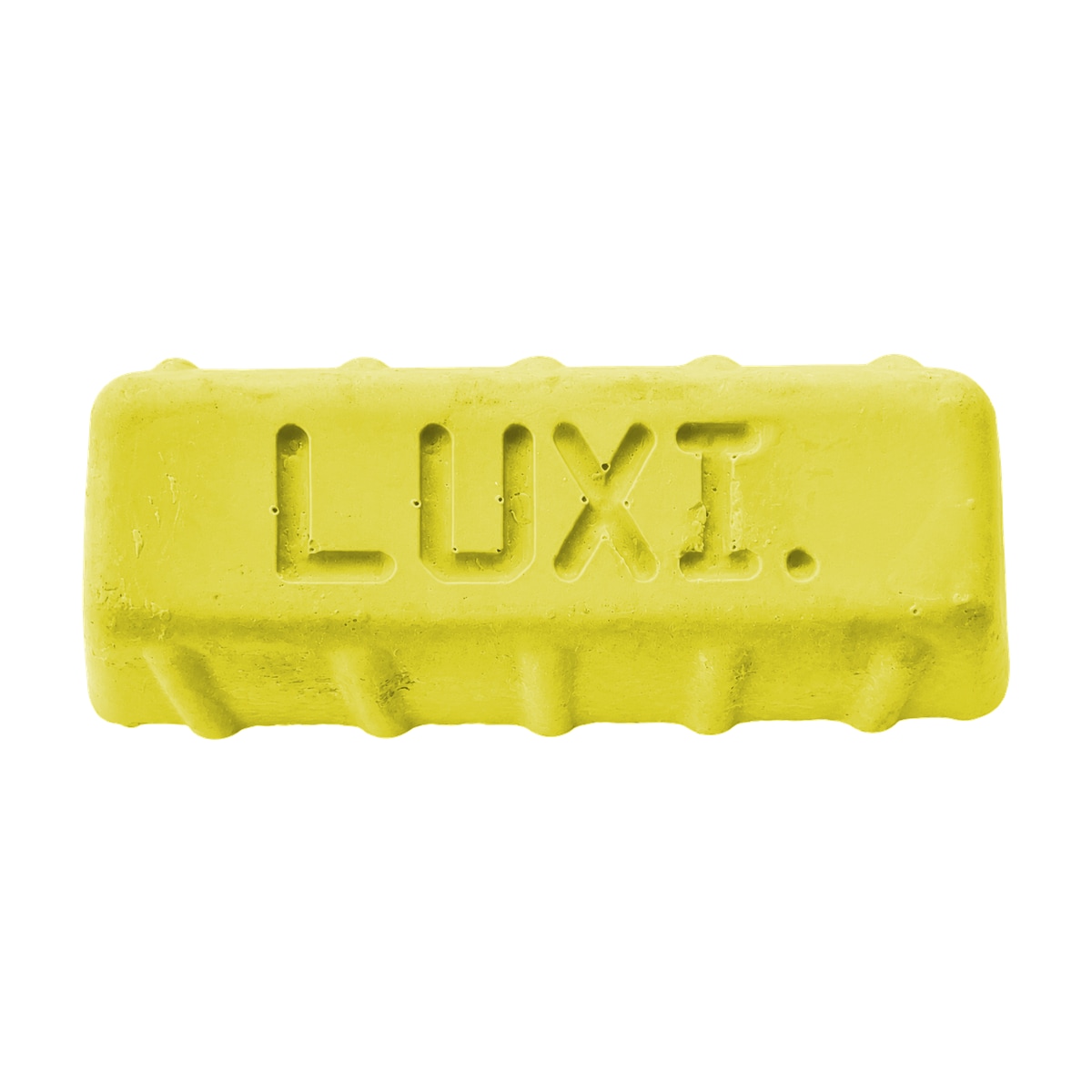
Application context
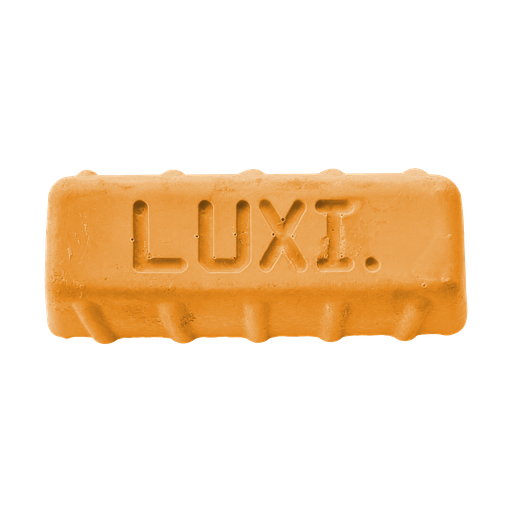
Before using LUXI Yellow, complete the item’s geometry, necessary repair, and abrasive preparation. Deep scratches, protruding defects, shape errors, open cavities, and other damage that polishing must not correct should be resolved before the first polishing stage begins. LUXI Yellow does not replace incomplete preparation.
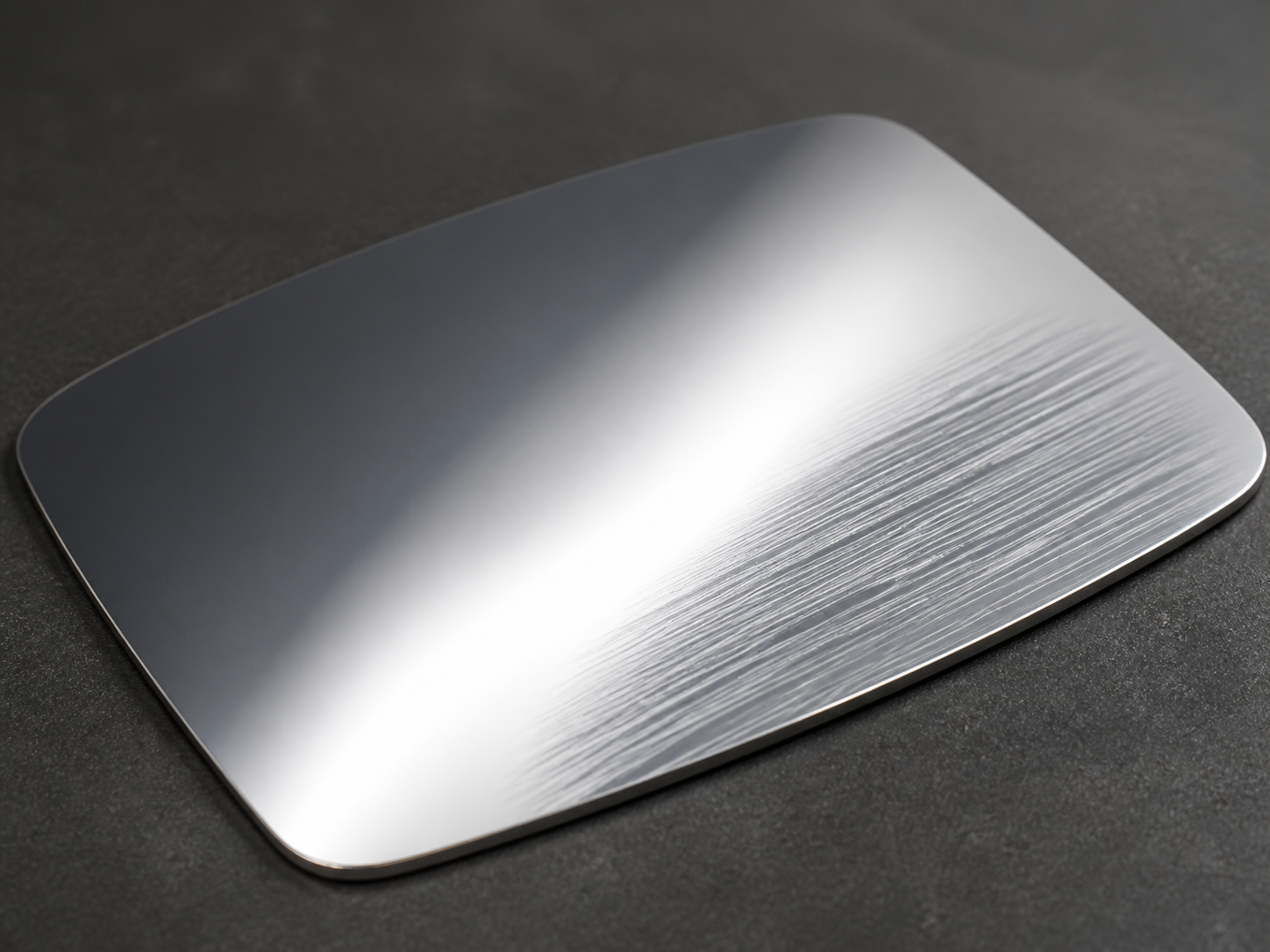
A general minimum starting point is an even abrasive preparation to P400. Preparation to P600 or finer is preferred according to the metal, surface area, geometry, and required result. Bronze and brass are often prepared to P600–P800 or by a suitable wet-tumbling process. Silver and standard jewellery work may start around P800–P1000. The larger the flat or open surface, the finer and more uniform the abrasive preparation should be.
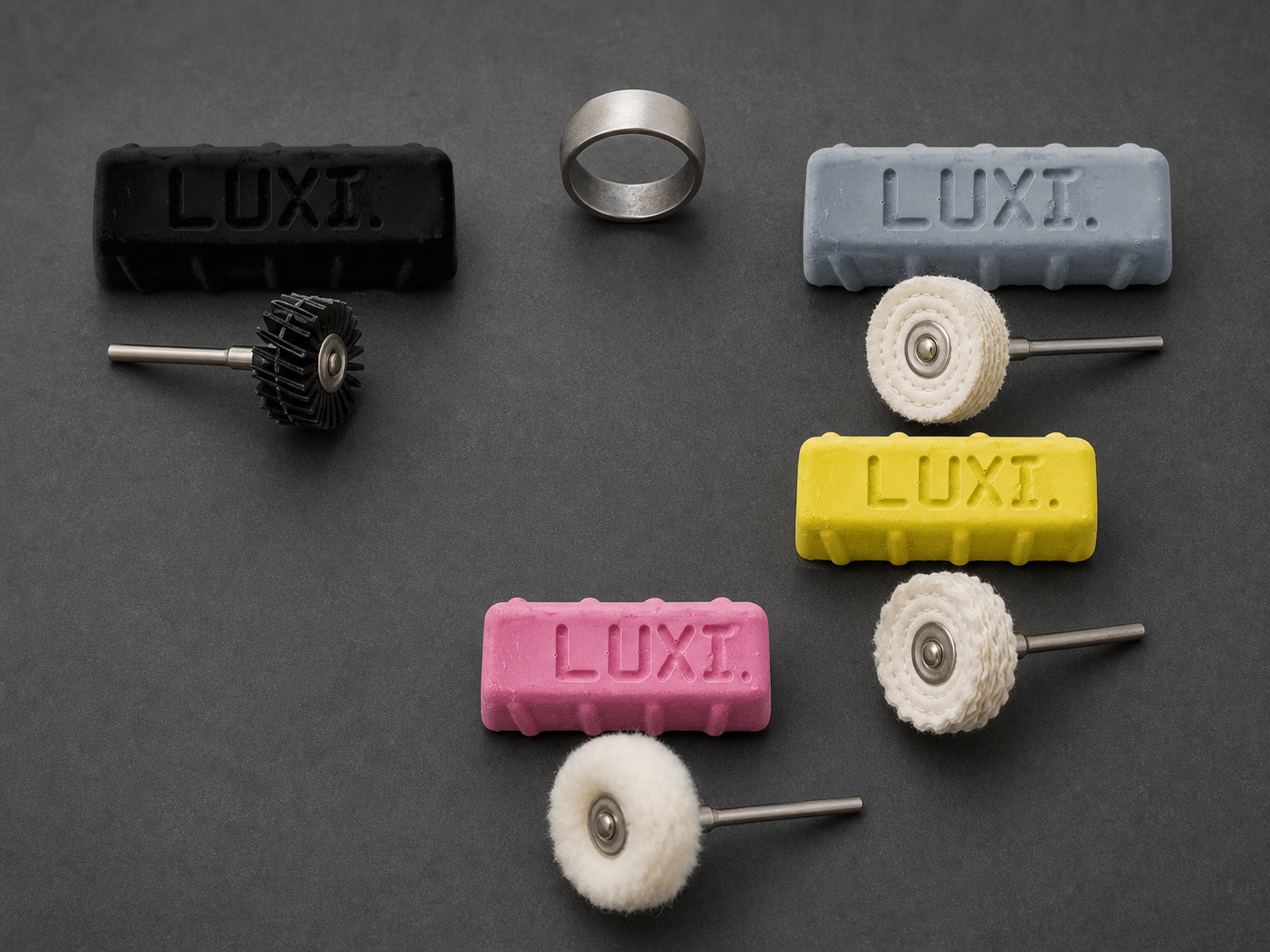
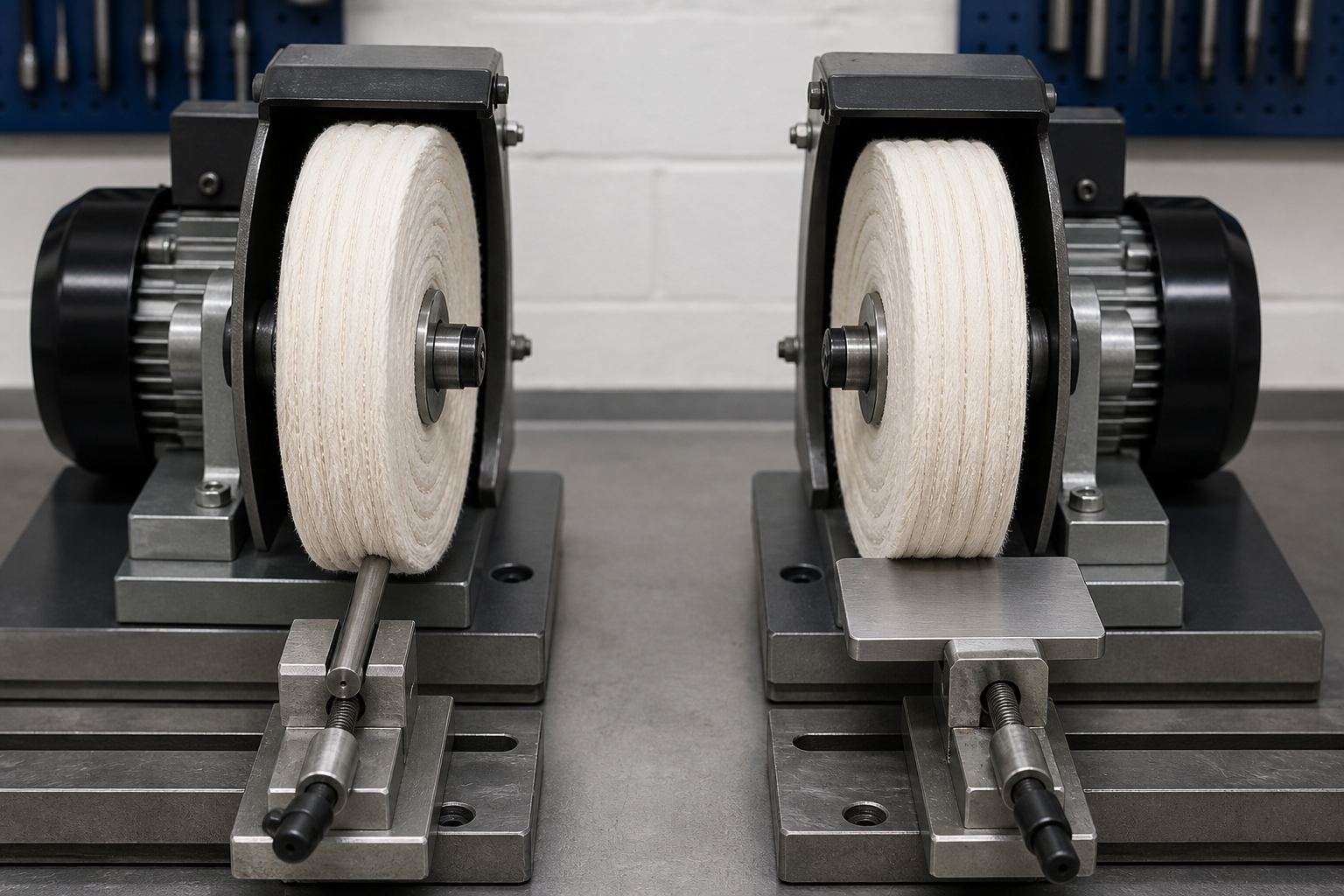
The main working tools are a clean white or yellow stitched cotton wheel and a clean stitched muslin wheel. A normal stitched cotton wheel is the standard first-stage tool. A treated stitched cotton wheel provides a firmer contact and stronger action. Sisal, felt, white unstitched Calico, and flannel are not main working tools for the principal LUXI Yellow branch. A white stitched Calico wheel is used only in the separate confirmed stainless-steel / Co–Cr transition branch. Use a Split-lap on large flat surfaces.
For a standard wheel approximately 150 mm in diameter, the working starting range is 2500–3000 rpm. Do not transfer this range directly to another diameter; select the operating conditions according to actual linear surface speed, contact area, and contact stability. No universal rpm range is established for small LUXI Yellow tools. Insufficient action must not be compensated for by excessive pressure, excess LUXI Yellow, or prolonged continuous contact.
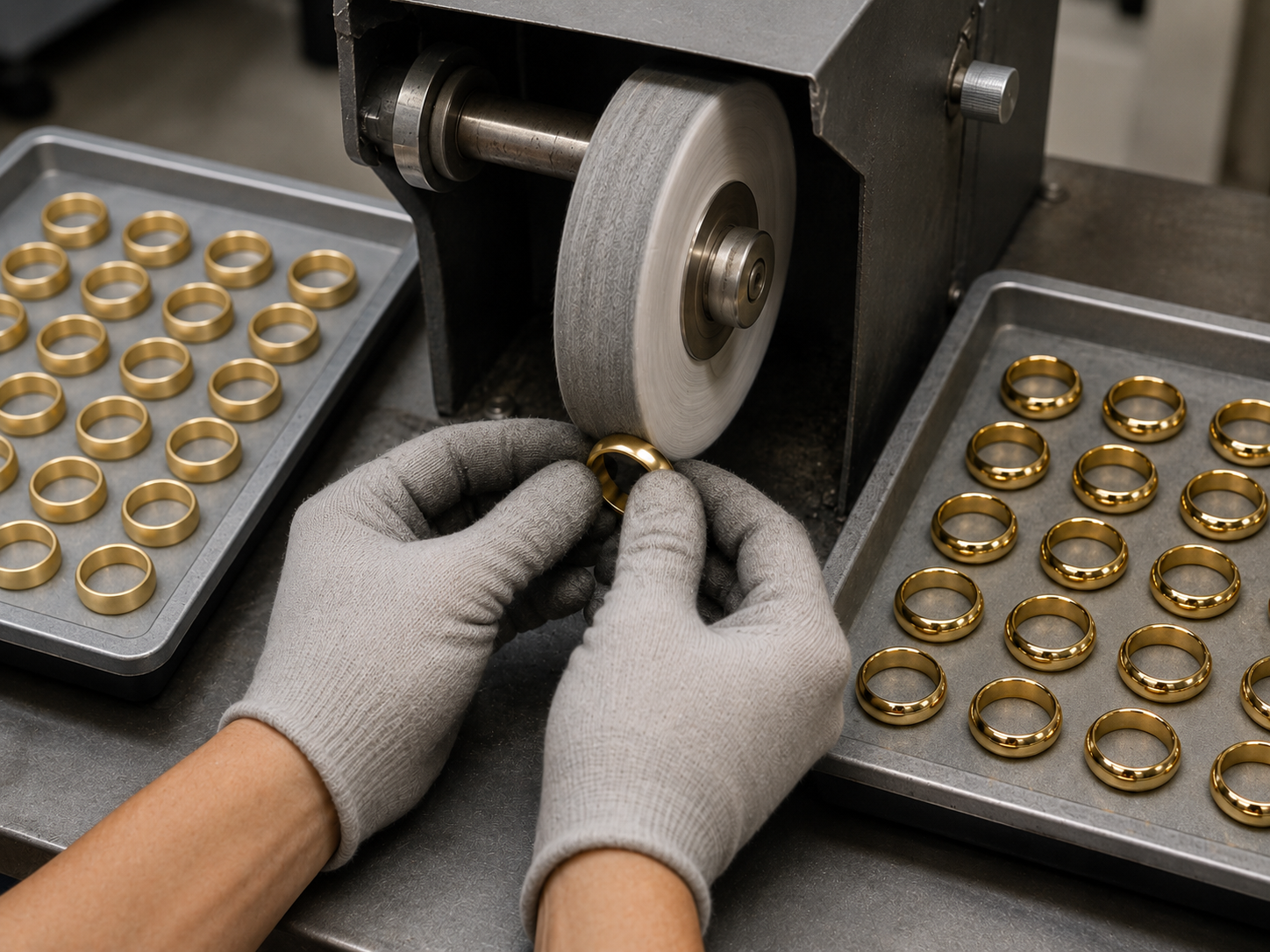
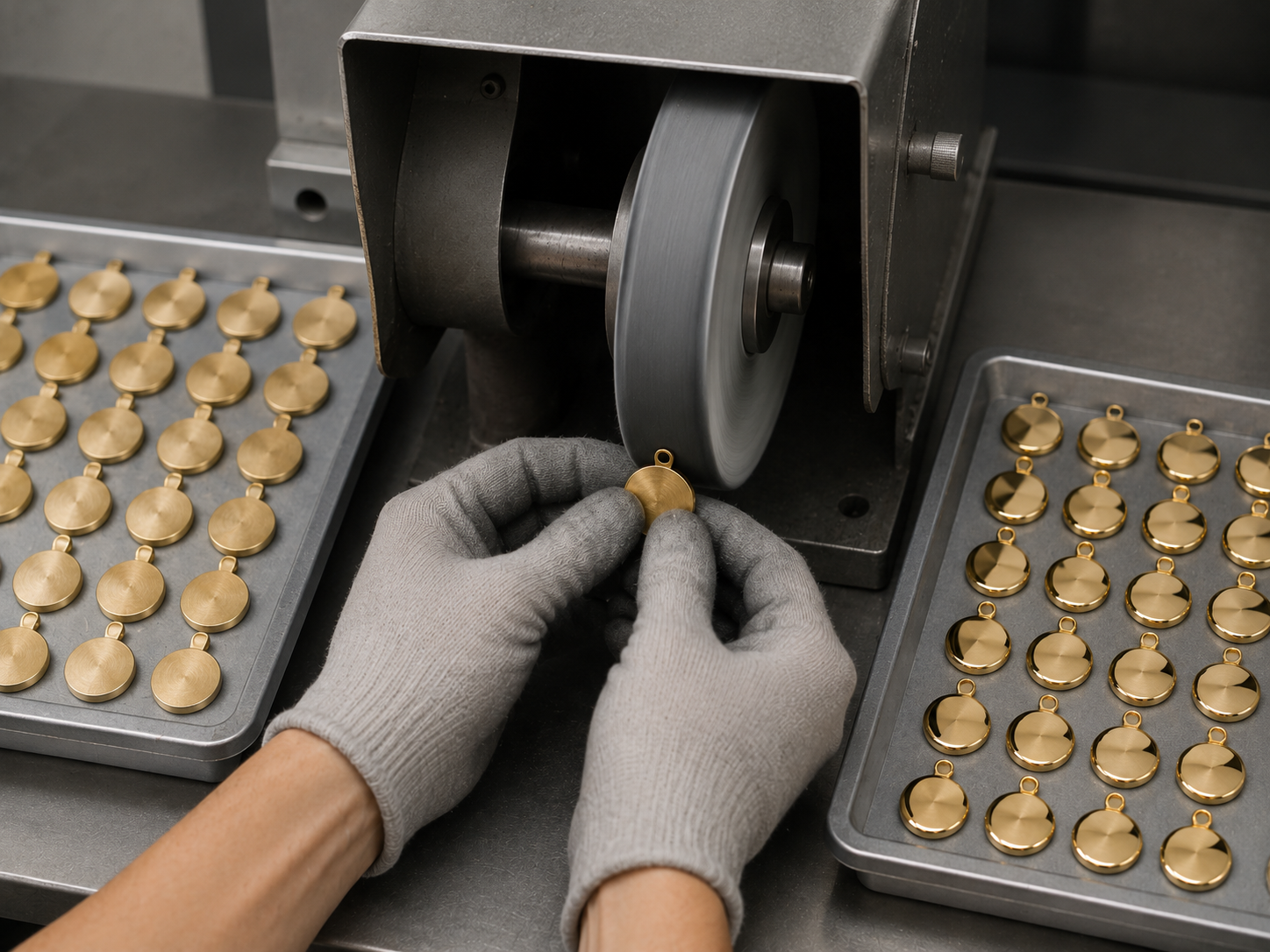
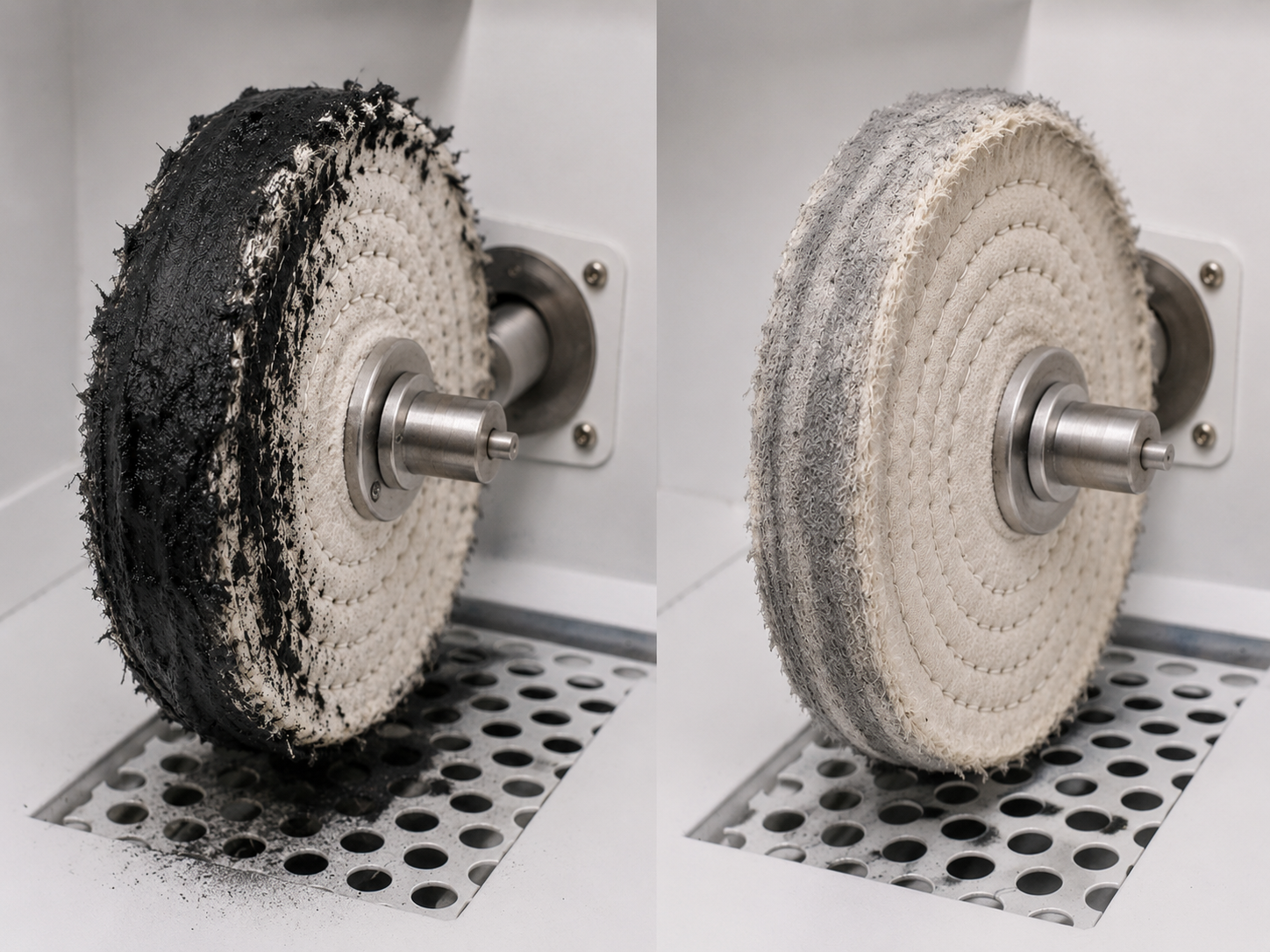
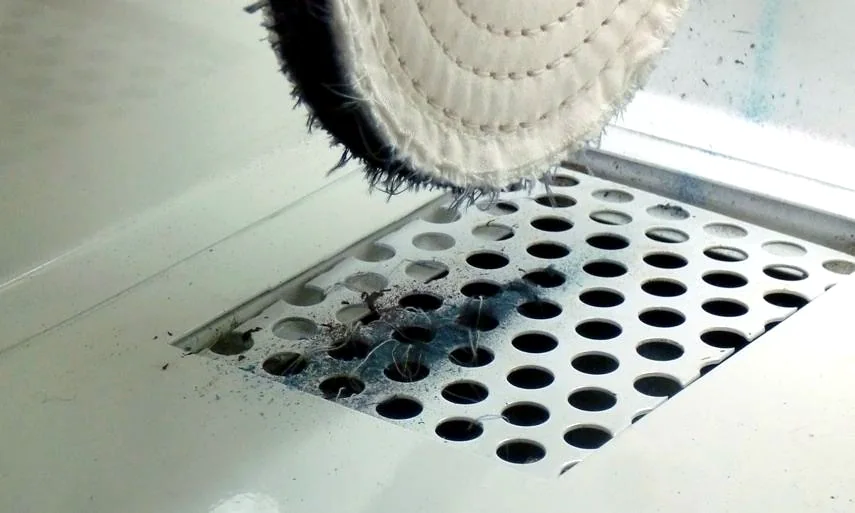
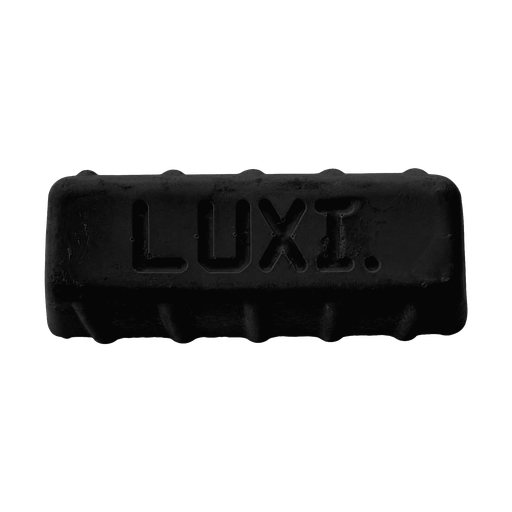
Apply LUXI Yellow minimally to a clean wheel. Work in short passes, keep the item moving relative to the wheel, and pause regularly to inspect the surface and temperature. Pressure must maintain stable working contact without overheating, edge loss, or distortion of geometry. If the wheel becomes dark, clogged with removed metal, or overloaded with accumulated compound, clean it before continuing. Add fresh LUXI Yellow only when it is genuinely required.
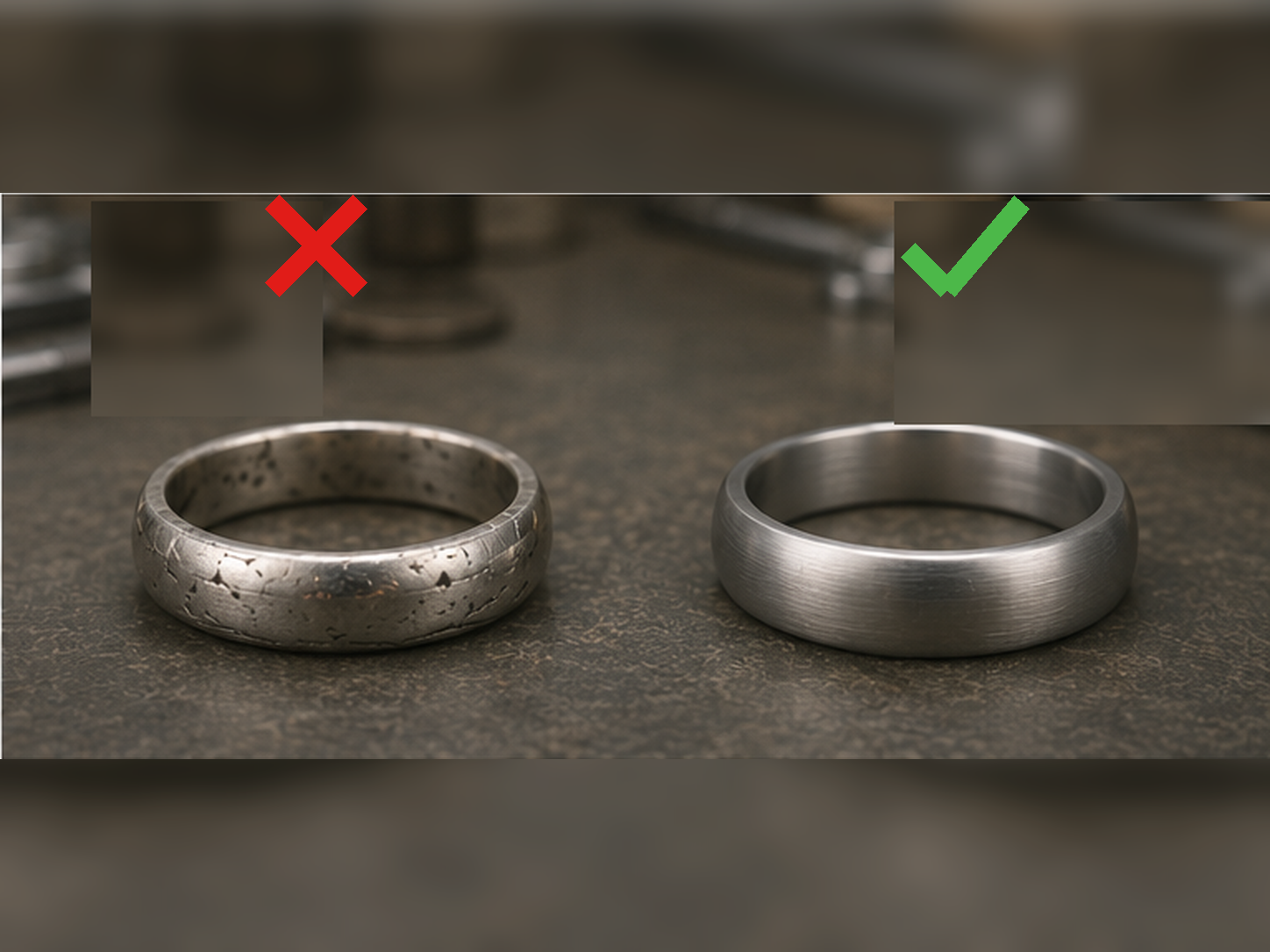
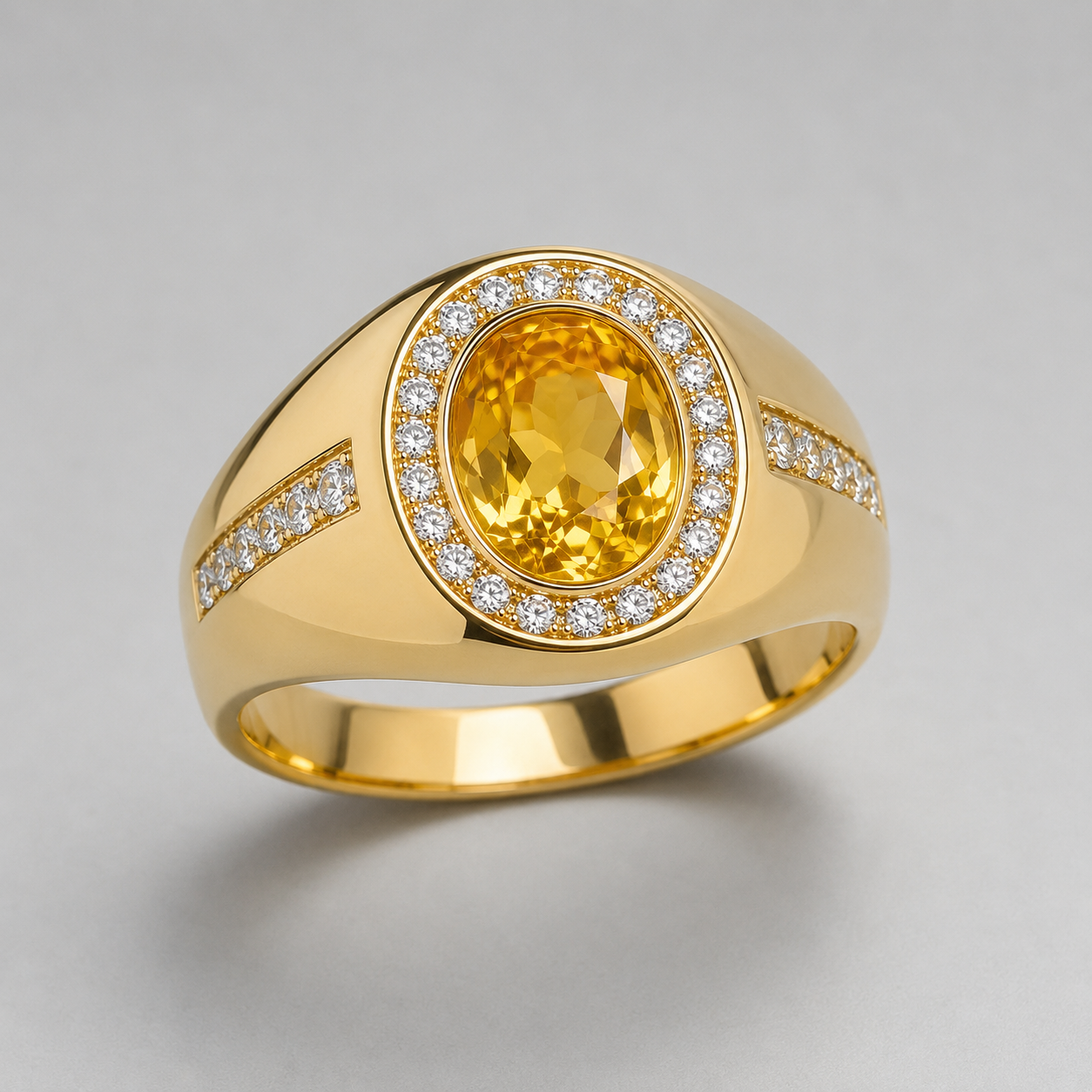
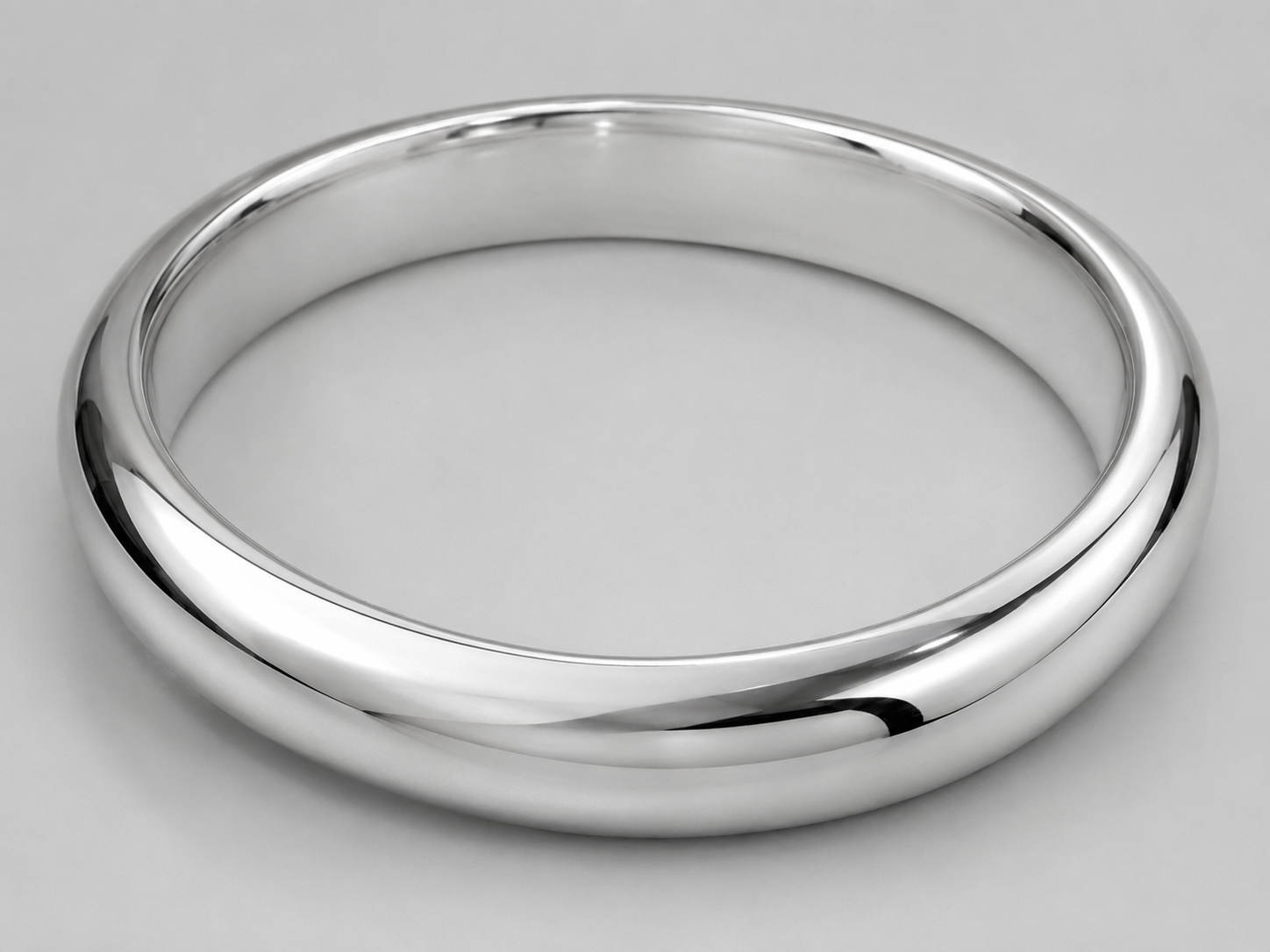
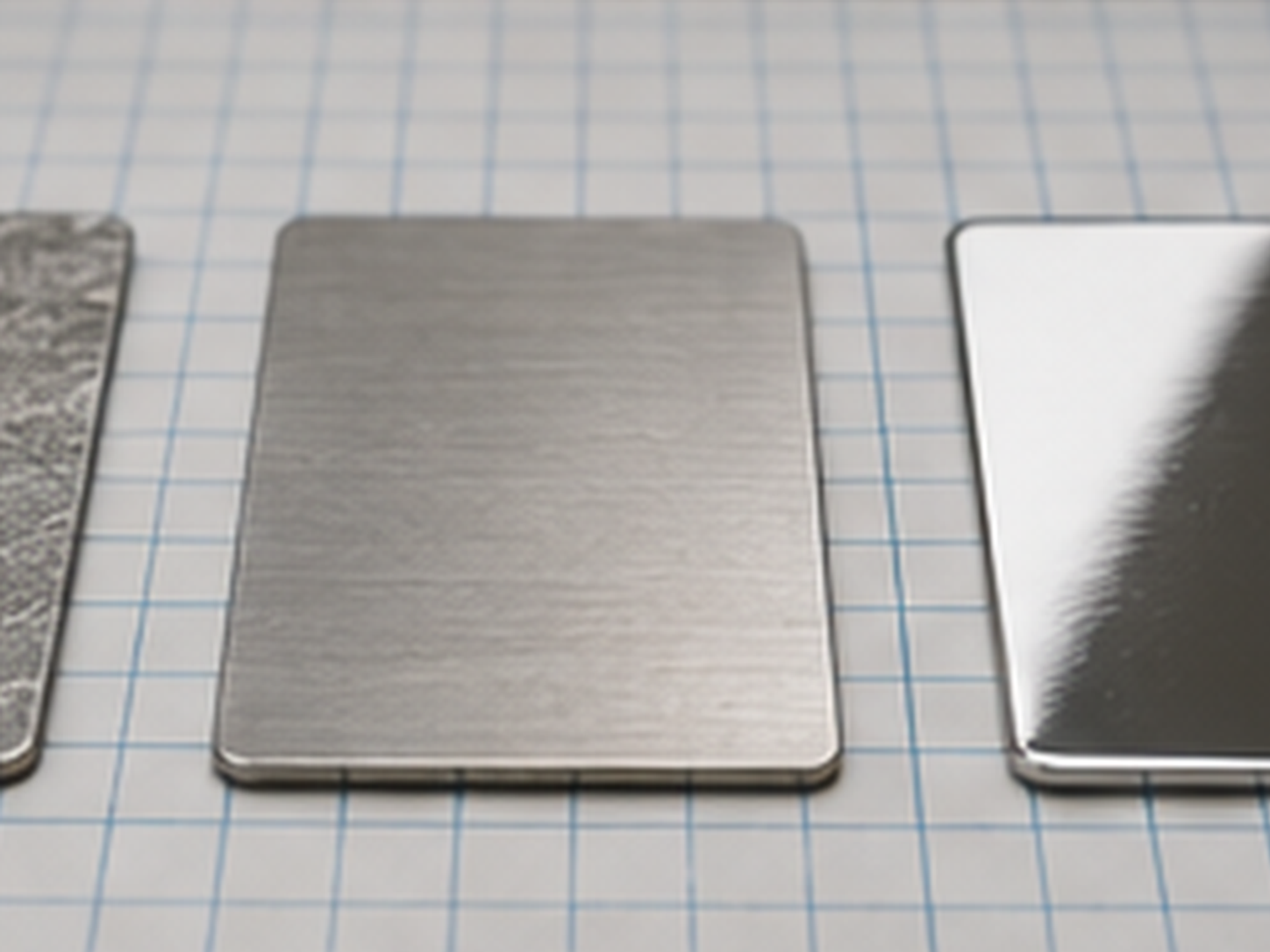
On gold, silver, bronze, and brass, LUXI Yellow performs the first polishing stage. The stage is complete only when all visible marks from the last abrasive have been fully removed, the surface is even and smooth with a noticeable lustre, and the edges, relief, and intended geometry have been preserved. Assess the result after removing LUXI Yellow and removed metal.
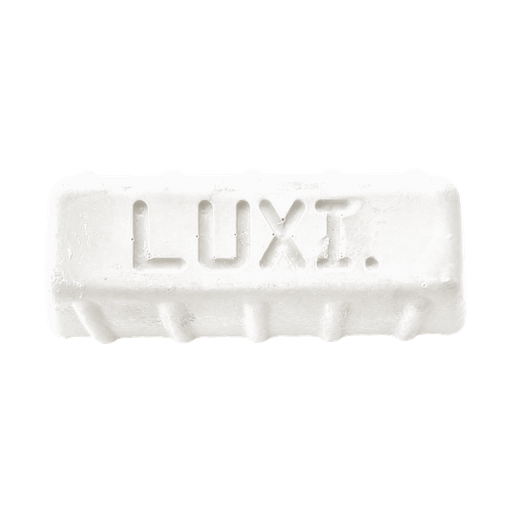
For some bronze items or ordinary production quality, the LUXI Yellow result may be sufficient without a separate finishing compound. For a high, even lustre on gold, silver, bronze, and brass, use LUXI Super Fine White after LUXI Yellow on a separate clean unstitched muslin or flannel wheel. Select the unstitched flannel wheel when a higher final lustre is required.
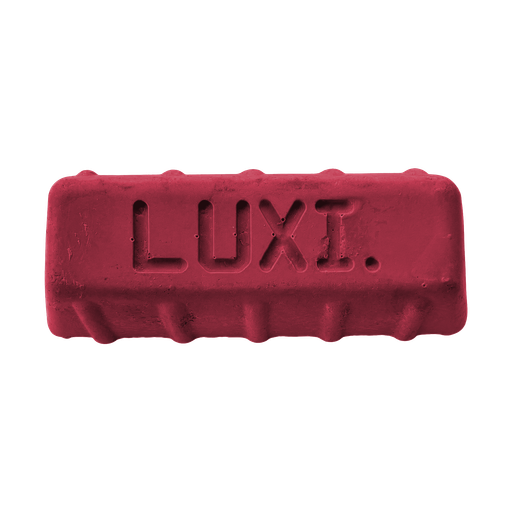
When an exceptionally high lustre, stricter final inspection, or preparation before electroplating, PVD, or another operation sensitive to compound residue is required, choose LUXI Orange after LUXI Yellow. Use LUXI Orange on a separate clean unstitched muslin or flannel wheel. LUXI Super Fine White and LUXI Orange are different finishing choices, not mandatory consecutive stages.
On selected hard bronzes, LUXI Pink may be used after LUXI Yellow when a more pronounced mirror finish is required. Use LUXI Pink on a separate clean white unstitched Calico wheel. This branch is conditional and is not a universal recommendation for every bronze.
On stainless steel and Co–Cr, LUXI Yellow is not a universal starting compound. In the confirmed material-specific process, it may be used on a white stitched Calico wheel as an optional transition after a stronger first stage with LUXI Black or LUXI Gray and before finishing with LUXI Pink. If the required surface condition has already been achieved after LUXI Gray, the additional LUXI Yellow stage is not mandatory. Use LUXI Pink on a separate clean white unstitched Calico wheel.
LUXI Blue, LUXI Yellow, LUXI Gray, LUXI Black, and LUXI Asian Blue are alternative first-stage strengths, not a mandatory sequence for every item. LUXI Blue is the softer choice within the main LUXI Yellow scope. If correctly applied LUXI Yellow cannot fully complete the first stage, select the more active LUXI Gray or LUXI Black. LUXI Asian Blue remains a separate maximum-activity choice for tasks within its own approved scope and is not the automatic next stage after LUXI Yellow.
If visible marks from the last abrasive remain, first check abrasive preparation, the result of the previous operation, wheel type and cleanliness, the amount of LUXI Yellow, rpm, contact area, pressure, item movement, temperature, and cleaning quality. On large flat surfaces, also check whether the selected compound and working tool are active enough for the contact area. Additional compound or more pressure must not replace correction of preparation or selection of the proper first-stage process.
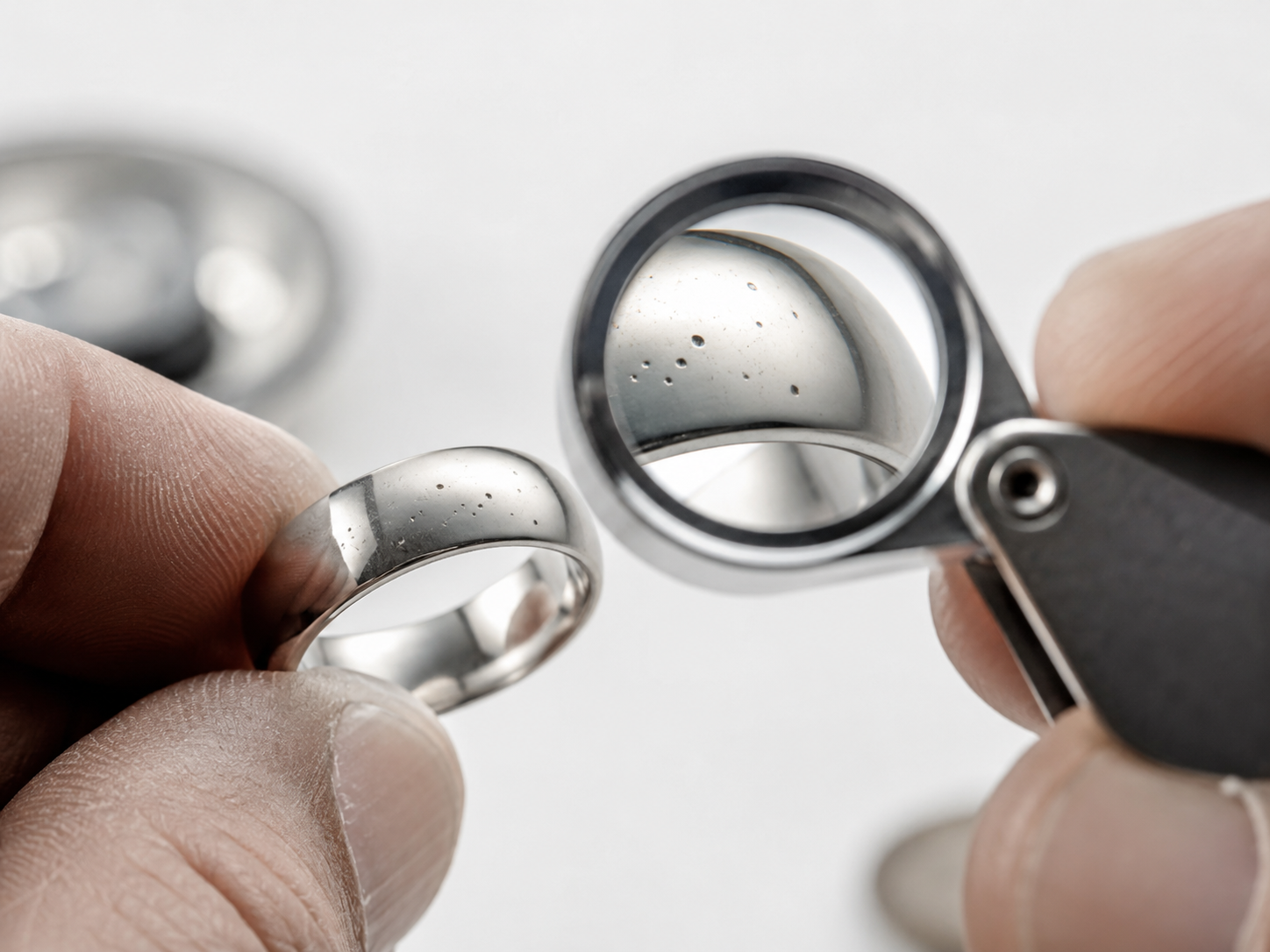
If polishing opens or enlarges pores, cracks, cavities, or other defects outside the working range of LUXI polishing, stop. Return the decision to abrasive preparation, repair, or an assessment of whether the item is suitable to continue in production.
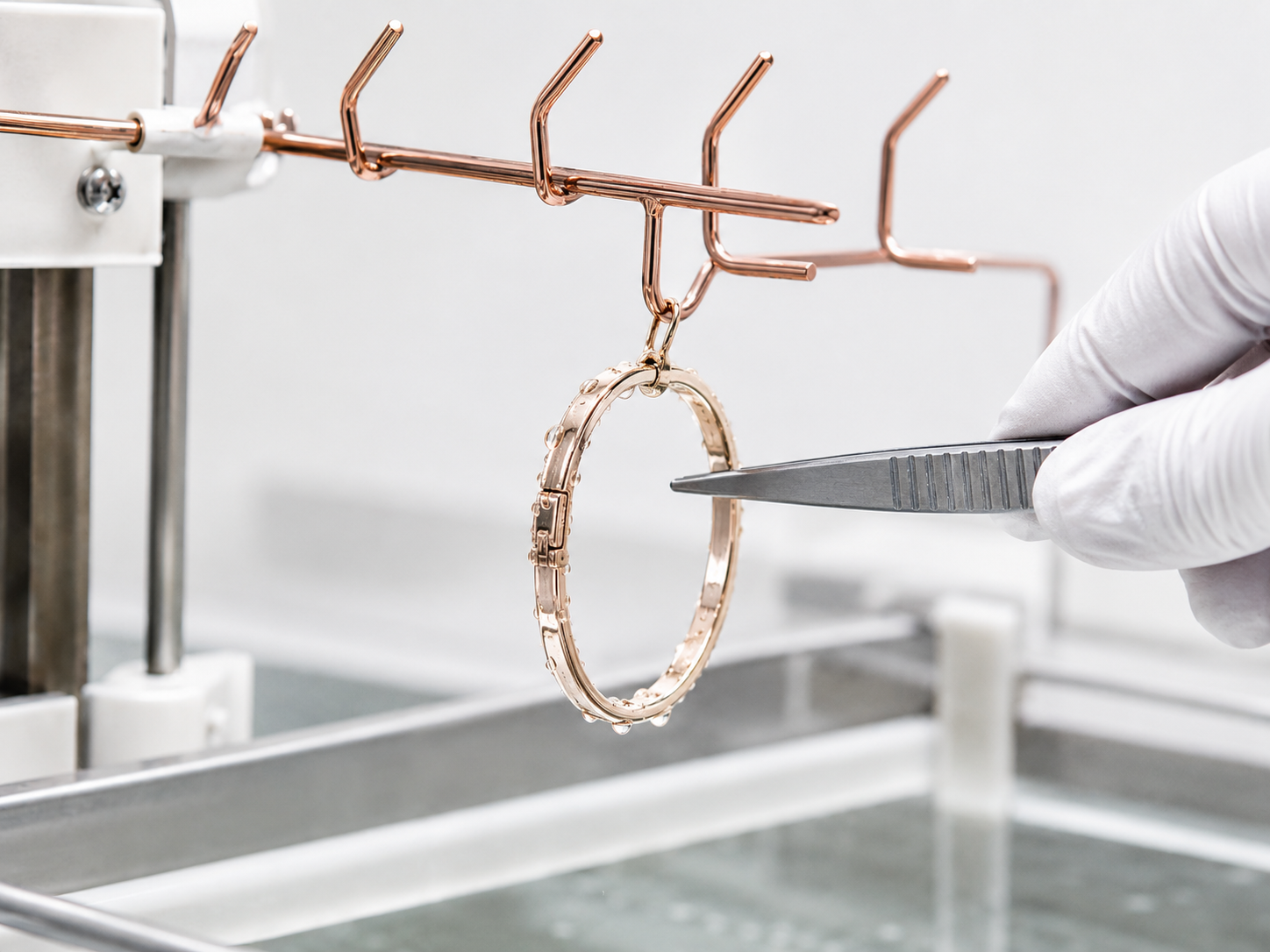
Before assessing the result or changing to the next compound, remove all LUXI Yellow and removed metal. Inspect the surface under directed light, paying attention to large flat areas, edges, relief, recesses, inside corners, and joints. Use a separate clean tool of the appropriate type for the next compound. For compatible items, use LUXI iClean as the recommended washing solution; select the washing method according to the material, item construction, and next operation.