
 Integrated Polishing System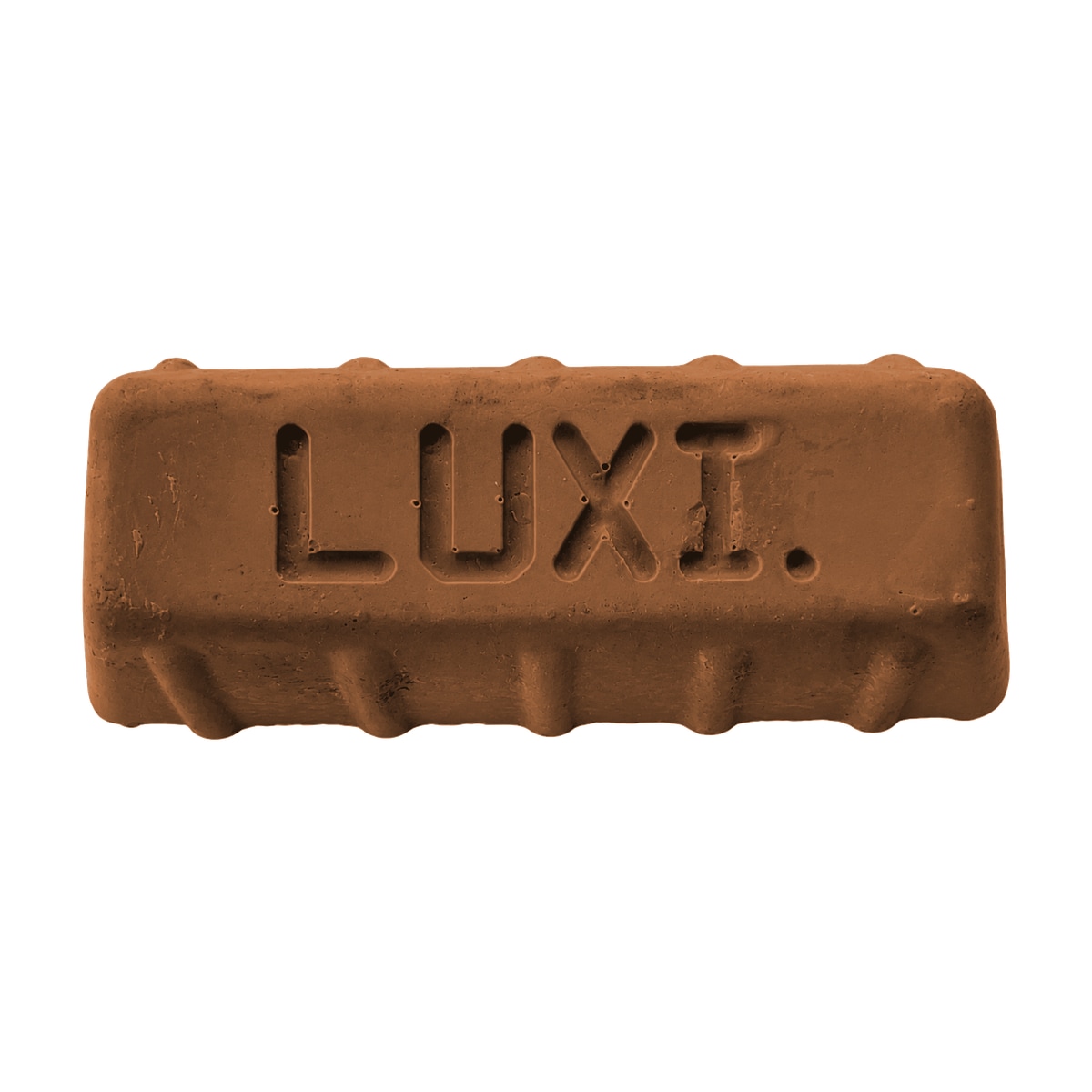
Application context
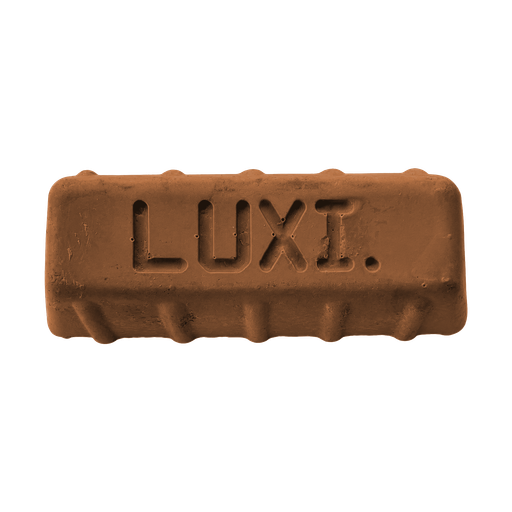
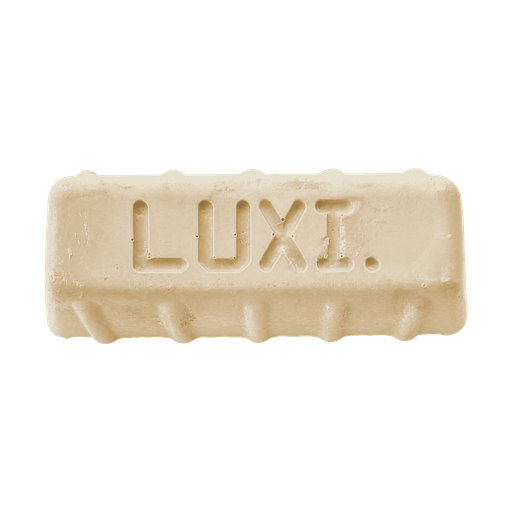
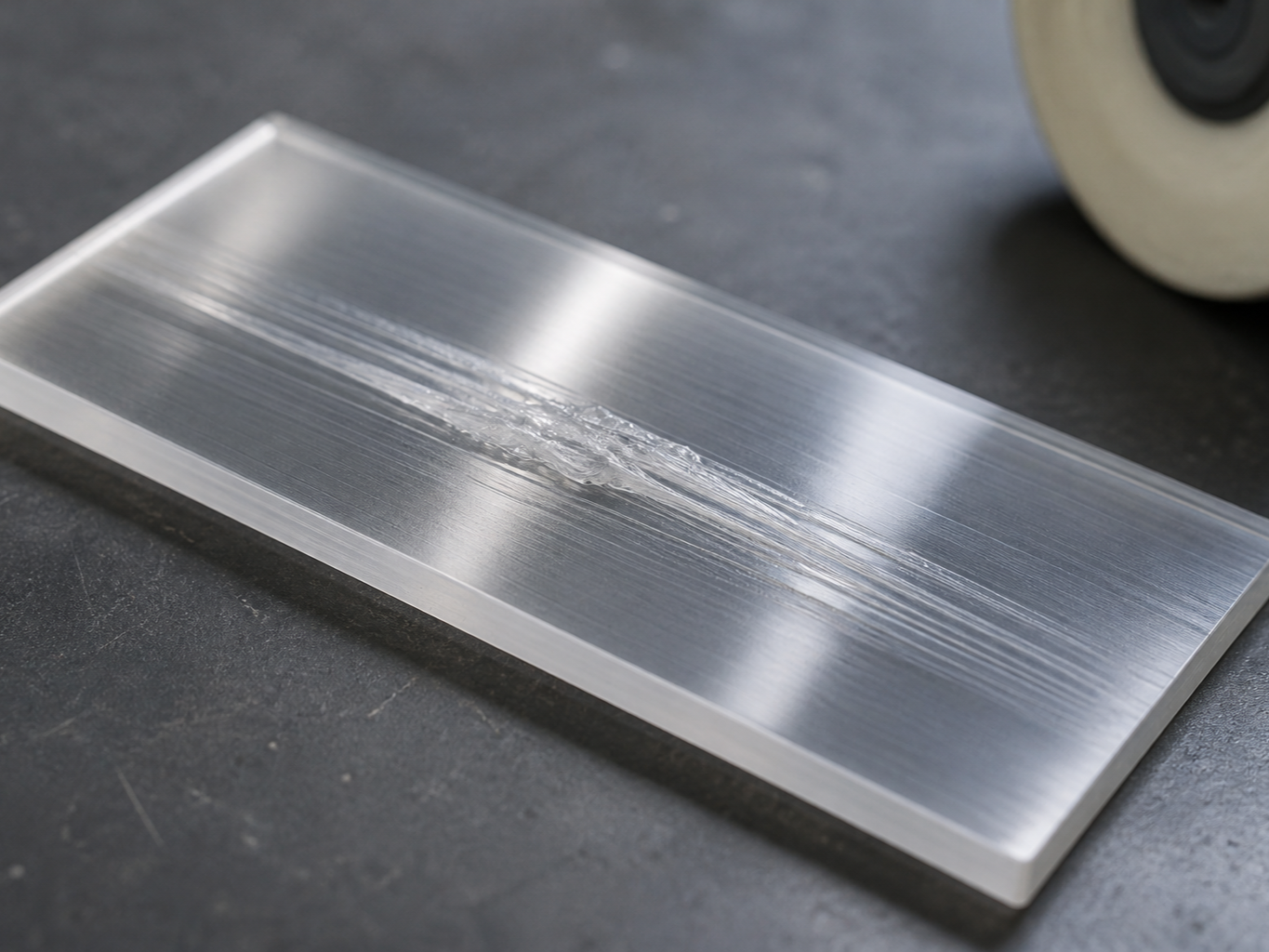
LUXI Brown performs two separate first-stage tasks: polishing soft non-ferrous metals and alloys, and low-temperature polishing of polymers after wet sanding. Before work begins, complete the item’s geometry, necessary repair, and abrasive preparation. LUXI Brown is not intended to correct deep scratches, cracks, open cavities, unfinished shape, or coating damage.
On zamak, pewter, zinc and tin alloys, aluminium, magnesium, and lead, P400 may be a minimum starting point for some tasks, but preparation to P600 or finer is preferred. Zinc and tin alloys are often prepared to P600–P800 or by a correctly completed tumbling process. The surface must be prepared evenly without isolated marks from a coarser abrasive.
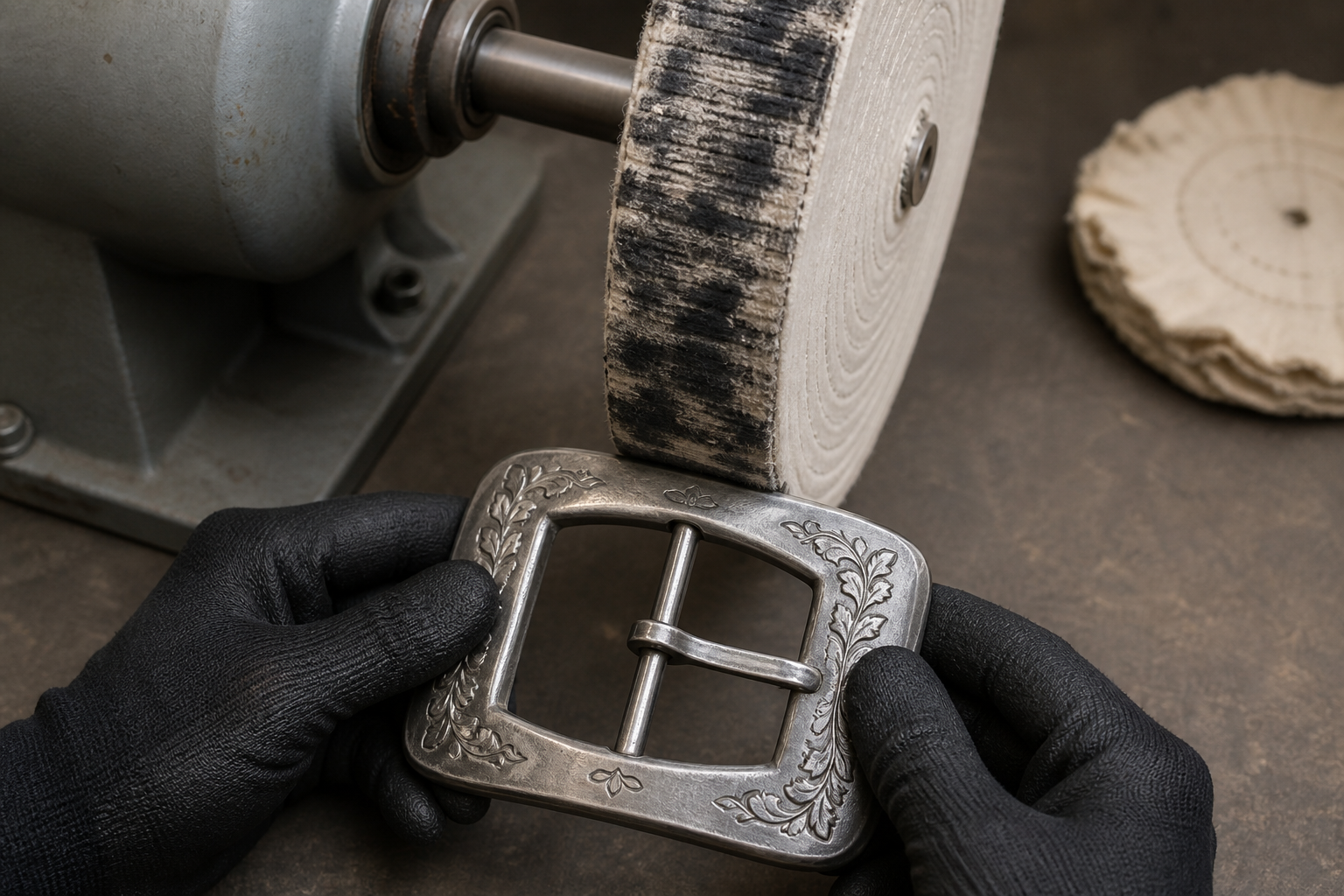
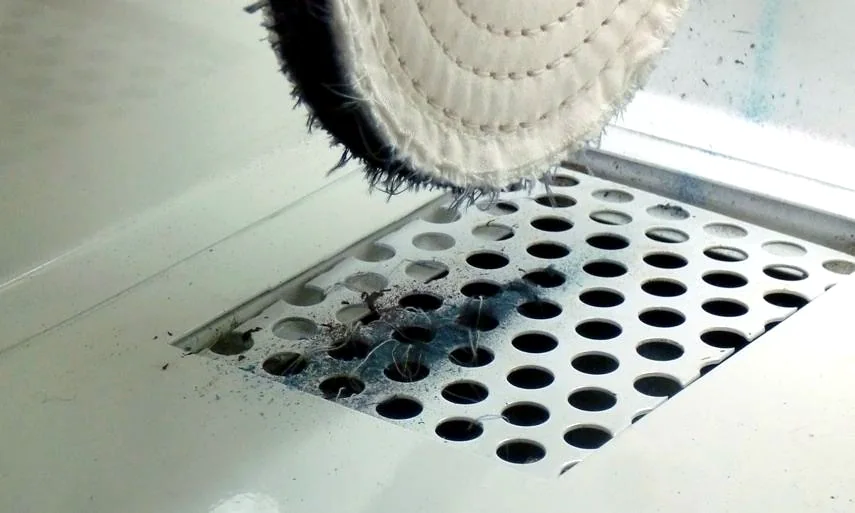
For metals, use a clean white stitched cotton wheel or a clean white stitched muslin wheel. For a wheel approximately 150 mm in diameter, the confirmed working starting range is 2800–3000 rpm. This range belongs to the metal branch of LUXI Brown and must not be transferred to polymers.
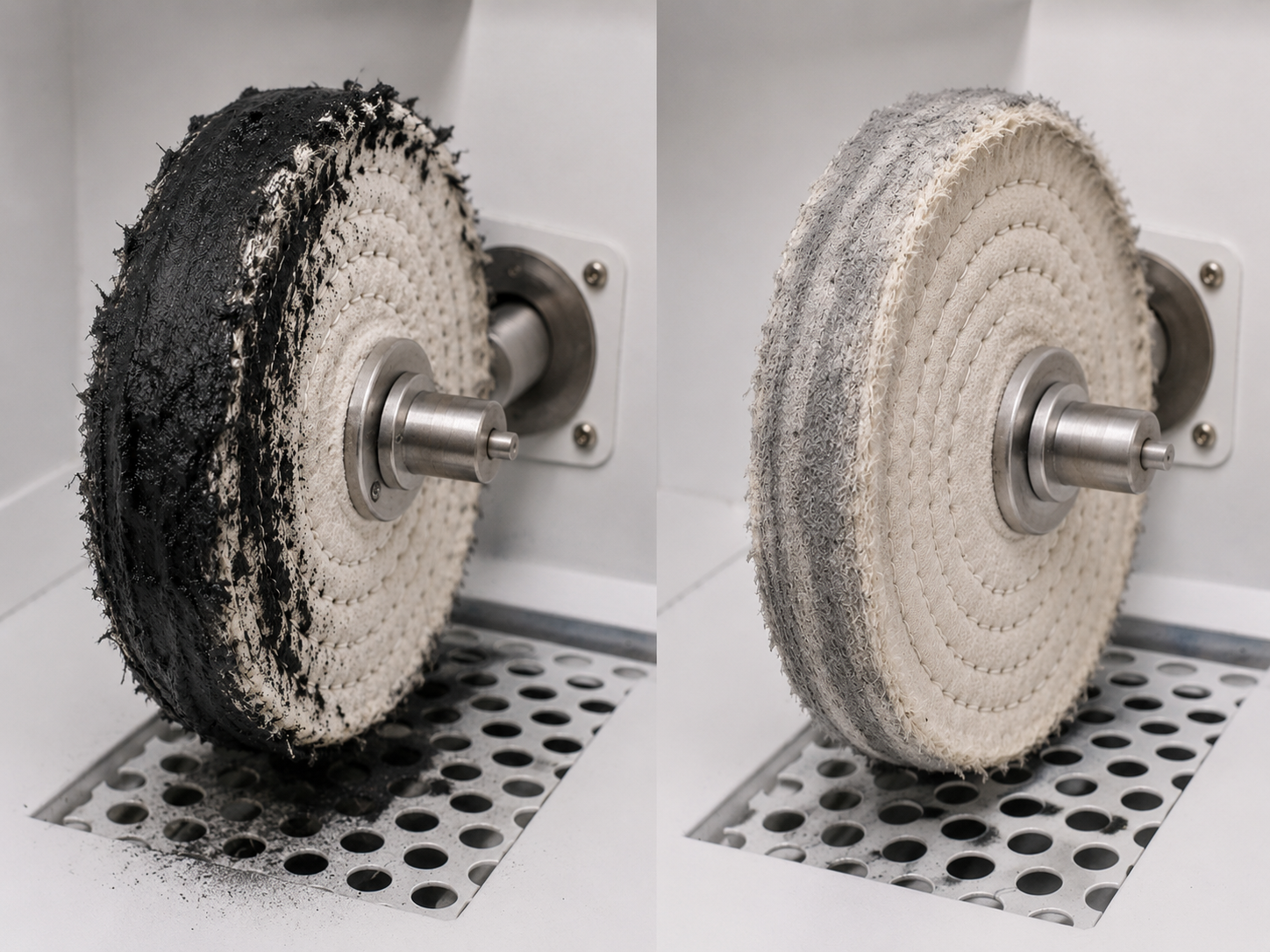
Apply LUXI Brown minimally to the wheel. The wheel must maintain direct contact with the metal and must not be covered with a thick layer of compound and removed material. Work in short passes and inspect the surface regularly. If the wheel becomes dark, greasy, or clogged with removed metal, clean it before continuing. Insufficient action must not be compensated for with excess LUXI Brown, excessive pressure, or prolonged continuous contact.
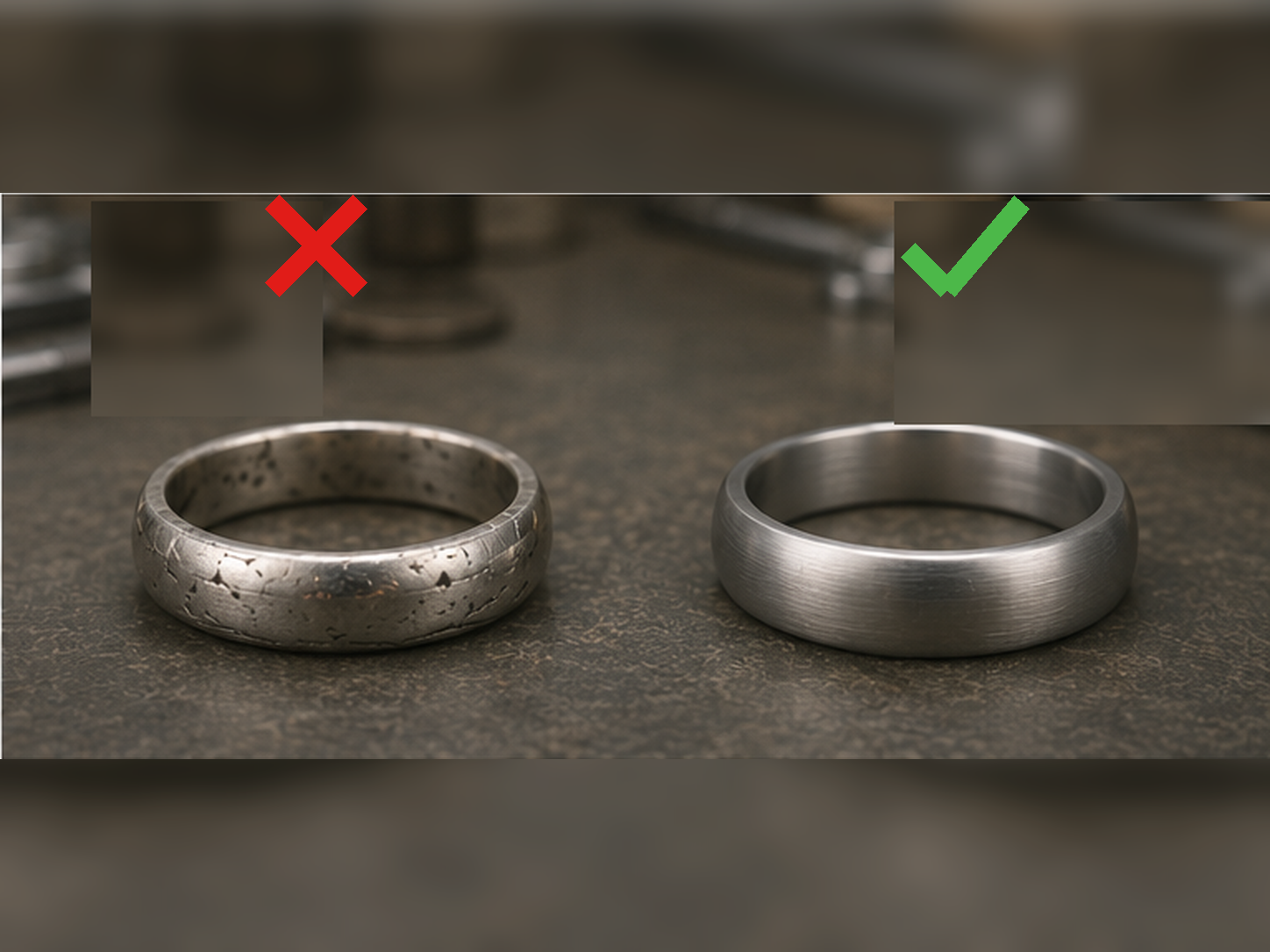
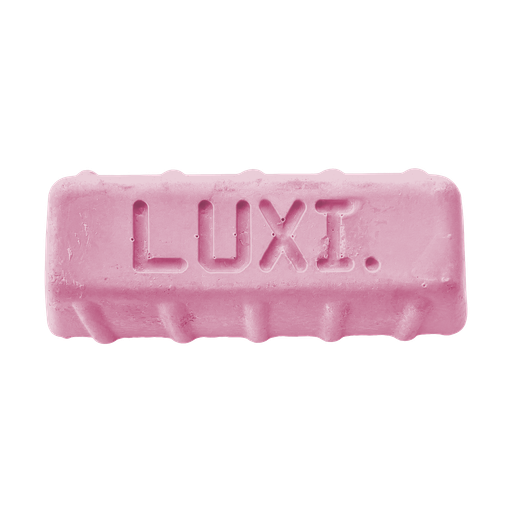
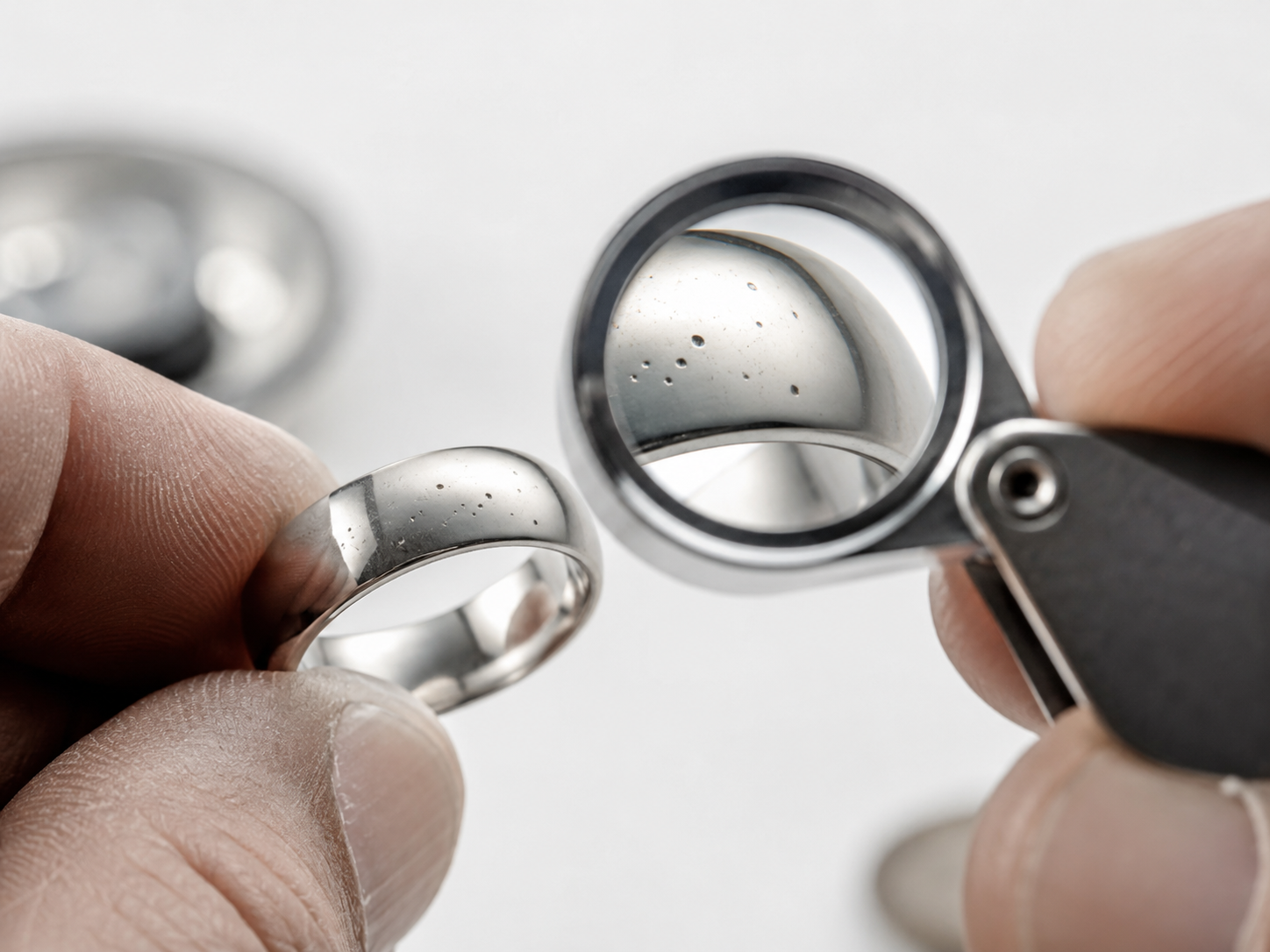
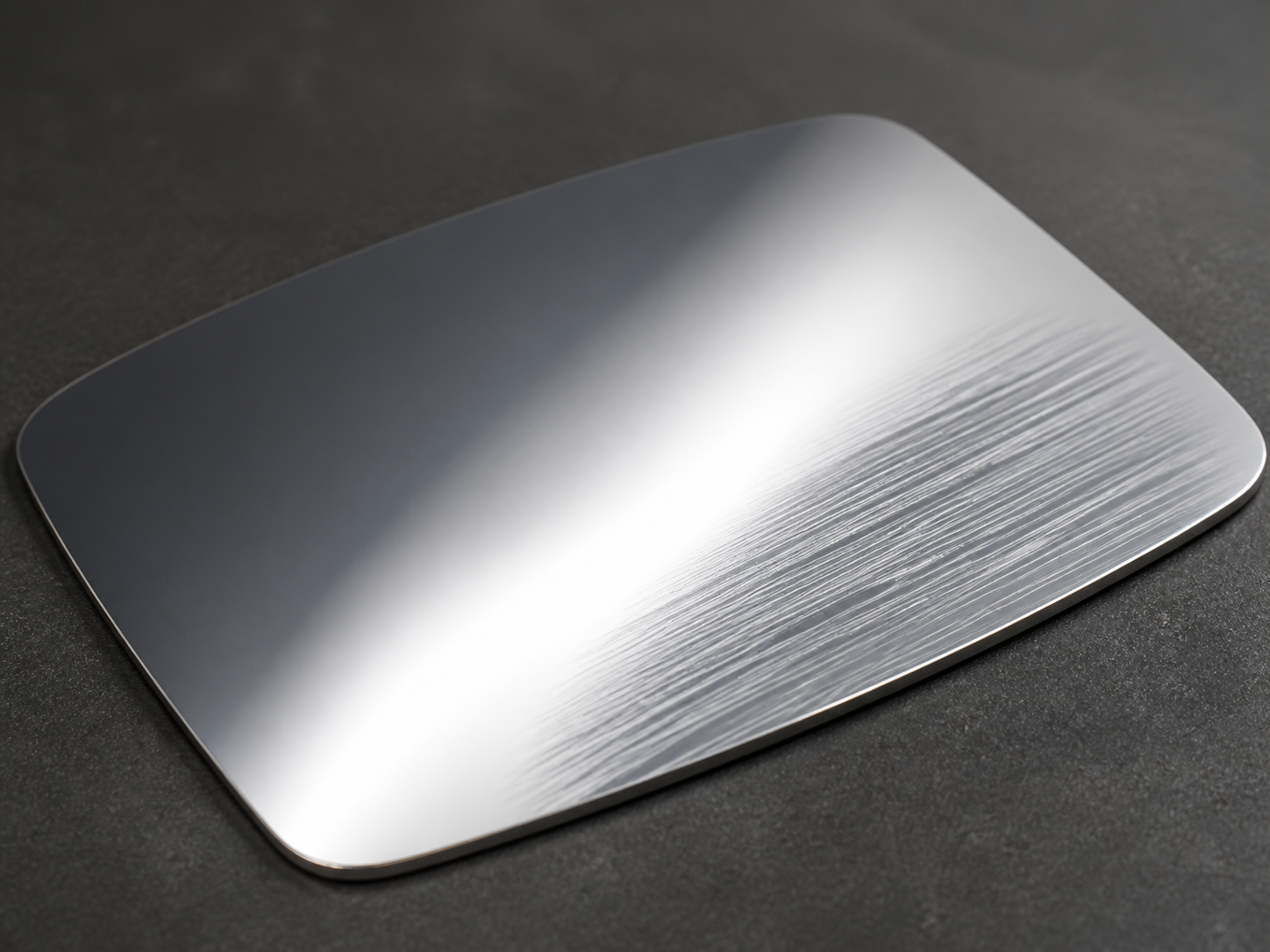
The LUXI Brown first stage on metal is complete when all visible marks from the last abrasive have been fully removed, the surface is even with a slight lustre, and the intended geometry, edges, and relief have been preserved. After cleaning, no isolated scratches or lines from the previous abrasive may reappear. Use LUXI Pink next on a separate clean white unstitched Calico wheel.
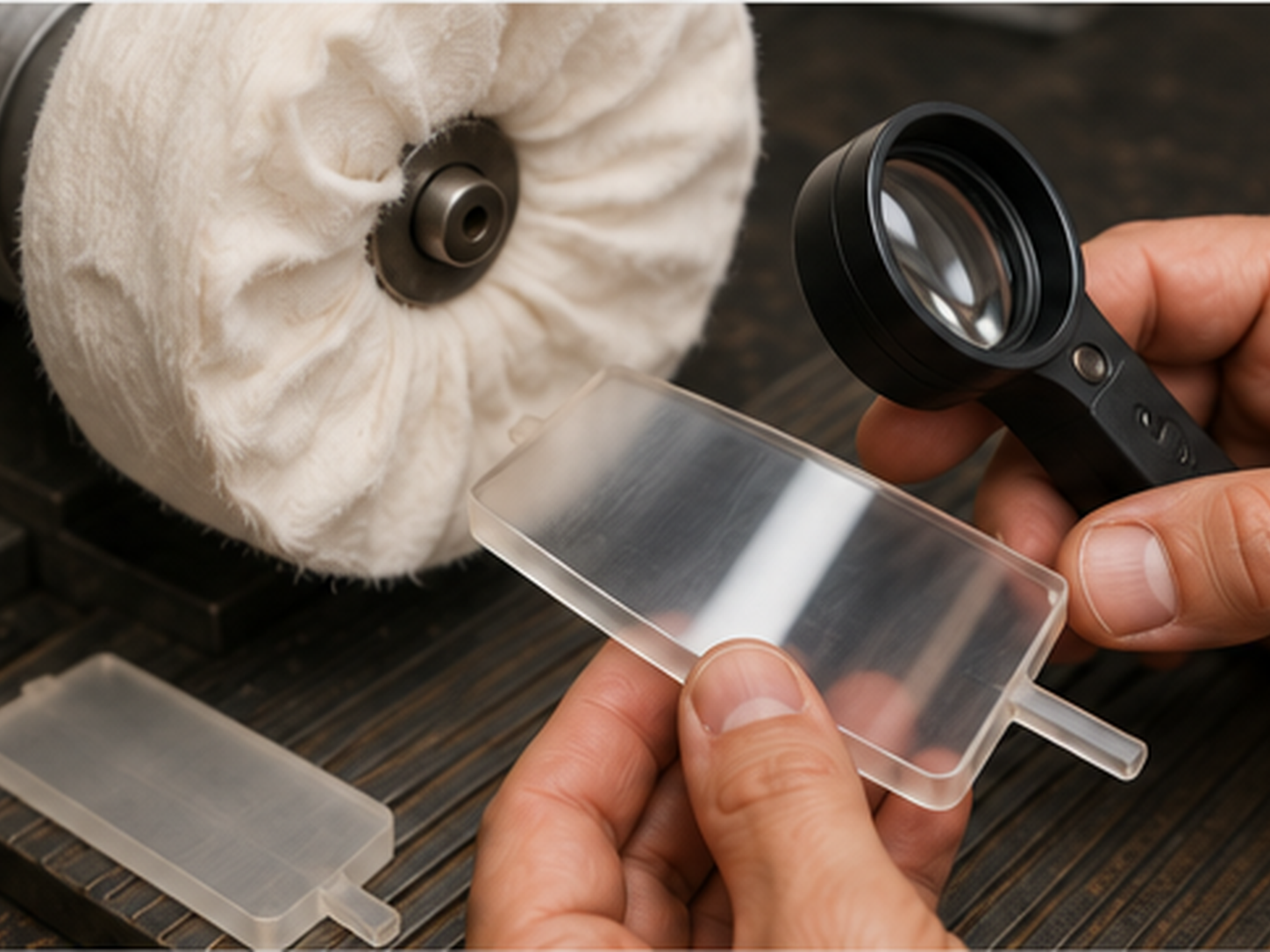
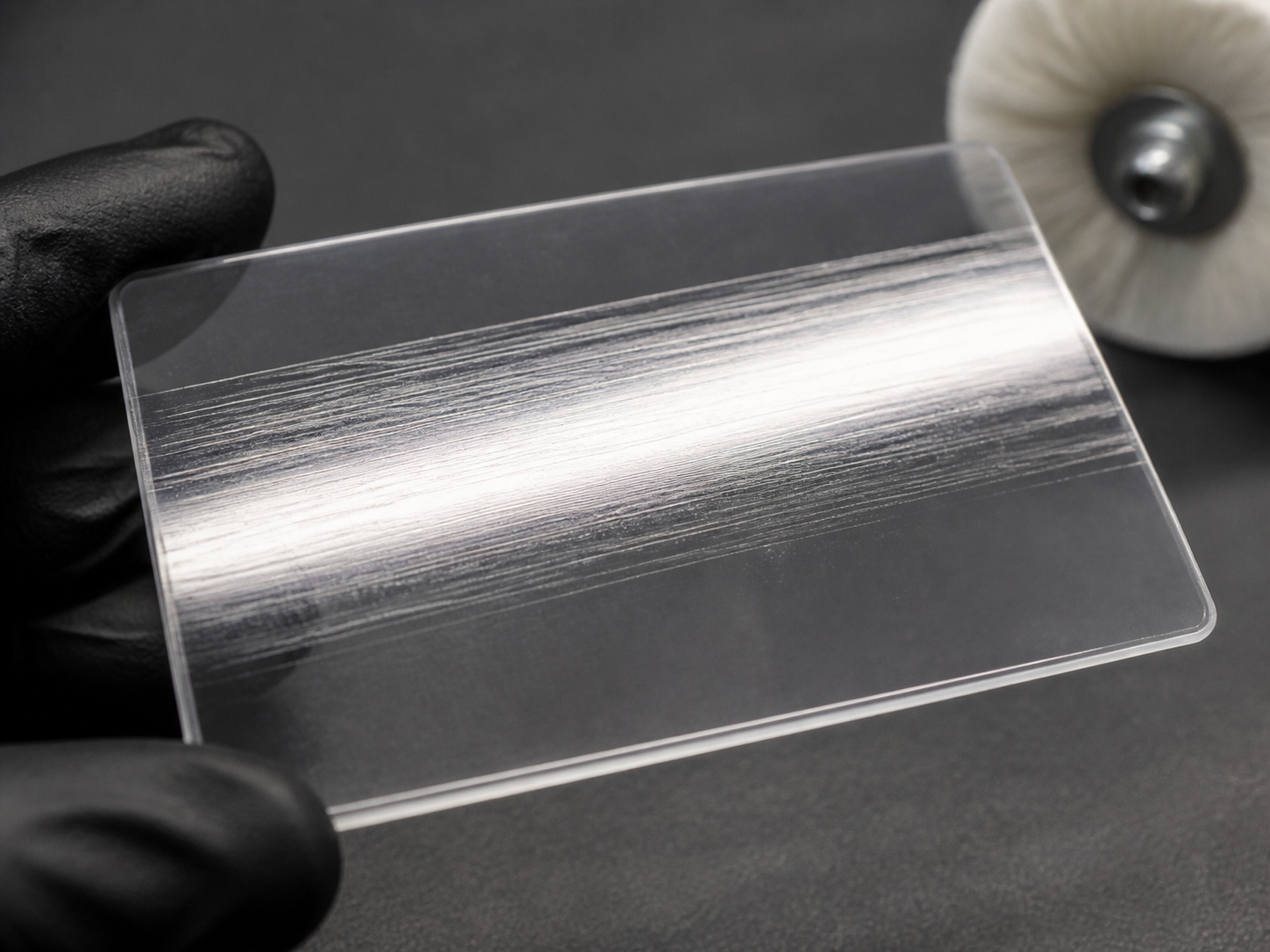
On solid polymers, use LUXI Brown after even wet sanding. The approved scope includes acrylic and PMMA, polycarbonate, epoxy and polyester resins, and UV resin. Polyurethanes and other materials with widely varying hardness, fillers, or heat response require a separate test.
For many solid polymers, P800–P1000 is a useful starting point, but it is not a universal mandatory grade. A surface is ready for LUXI Brown when it has an even matte appearance without deep scratches, isolated marks from a coarser abrasive, waves, or unfinished geometry.
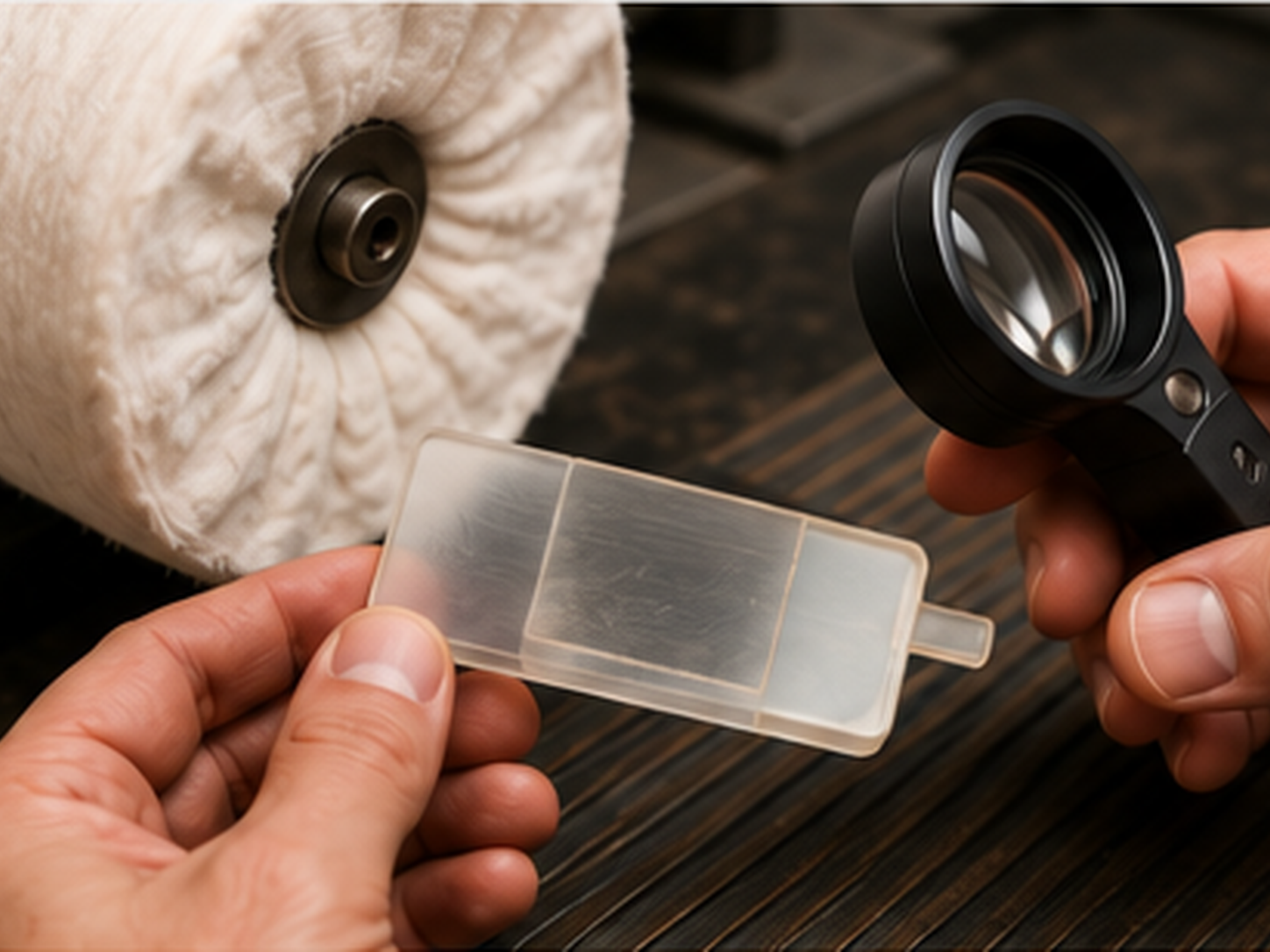
The primary working tool for polymers is a clean white stitched muslin wheel. A working starting point is approximately 1000 rpm with a minimal amount of LUXI Brown, light pressure, and short touches. Move the item away from the wheel after each touch, allow the surface to cool, and inspect the result. Do not increase heat to accelerate the appearance of lustre.
The LUXI Brown first stage on a solid polymer is complete when the even sanding matte and all visible marks from the last abrasive have been fully removed and the surface is smooth with a slight lustre, without smearing, softening, waves, or loss of shape. Then use LUXI Beige on a separate clean white unstitched muslin or unstitched flannel wheel. Begin selecting the LUXI Beige operating conditions within 500–1000 rpm, starting at the lower end; do not transfer the LUXI Brown settings automatically to LUXI Beige.
Cold enamels and thick fully cured lacquer or polymer coatings form a separate application area. Before using LUXI Brown, check layer thickness, cure, adhesion to the substrate, and material behaviour on a sample or inconspicuous area. Use LUXI Brown only when the surface genuinely requires a separate first stage before LUXI Beige.
Do not polish thin cathodic lacquers, e-coat, flash coatings, or thin protective and decorative films with LUXI Brown if the layer must be preserved. A first-stage compound may locally thin the layer, change its colour, or expose the substrate.
If marks from the last abrasive remain on metal, check the evenness of preparation, wheel activity and cleanliness, the amount of LUXI Brown, rpm, contact area, pressure, and pass duration. On polymers, also check temperature, the duration of each touch, and whether cooling is sufficient. A finishing compound must not correct an incomplete first stage.
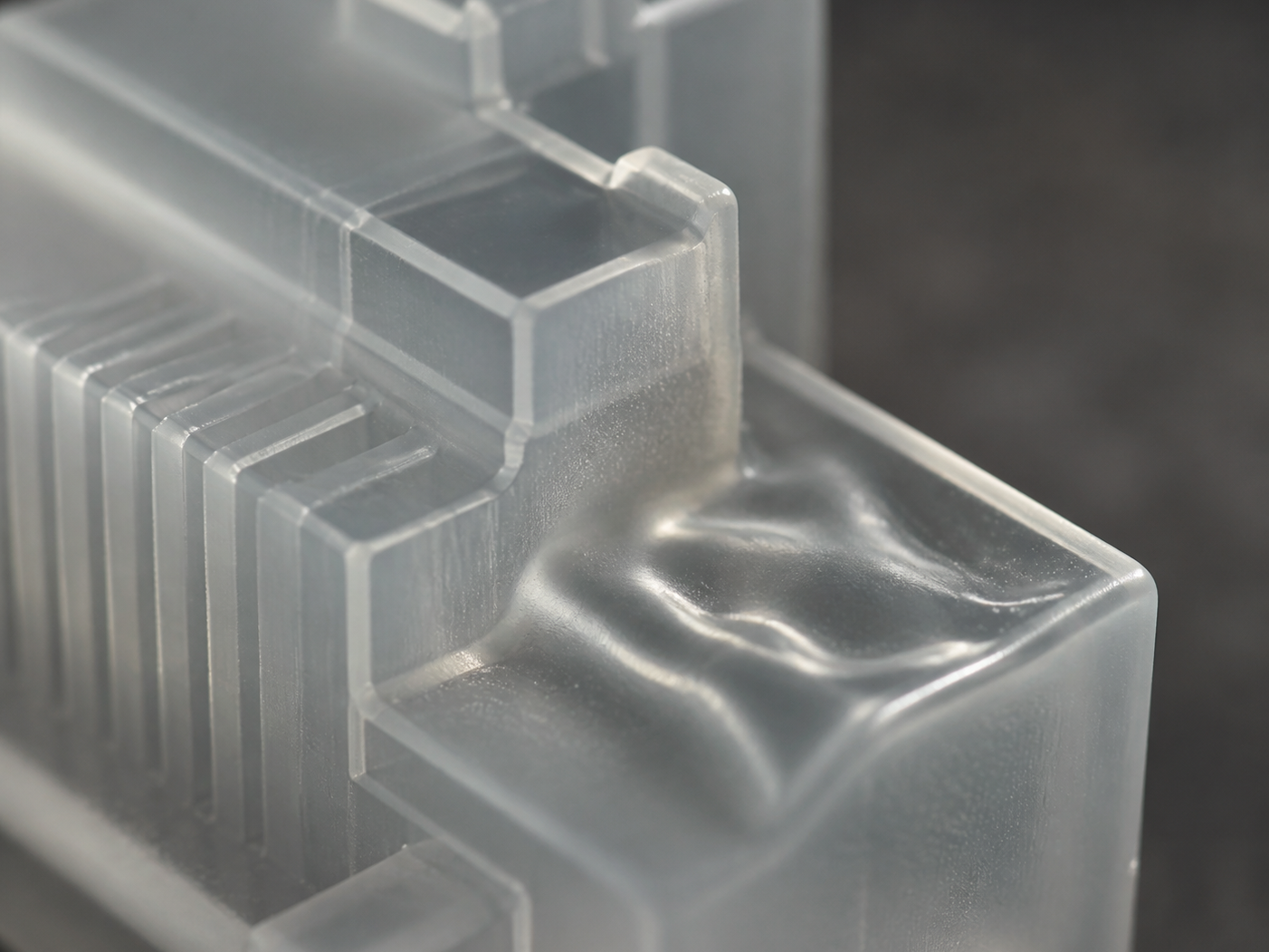
Stop contact with a polymer or coating immediately if the surface becomes sticky, softens, or smears; if haze increases; if waves appear; if colour changes; if the layer peels; or if an edge loses shape. Allow the surface to cool and check preparation, wheel, rpm, the amount of LUXI Brown, and pressure. If the result cannot be improved without the same symptoms returning, stop polishing.
If deep pores, cracks, cavities, or other defects are opened in metal or polymer and continue to enlarge, return the item to abrasive preparation, repair, or a production decision about suitability. Additional LUXI Brown and more pressure will not correct such defects.
The LUXI Brown → LUXI Pink sequence applies to the confirmed metal scope. The LUXI Brown → LUXI Beige sequence is the basic process for solid polymers. On cold enamels and thick coatings, LUXI Brown is not a mandatory stage before LUXI Beige; determine the need for a first stage by test polishing.
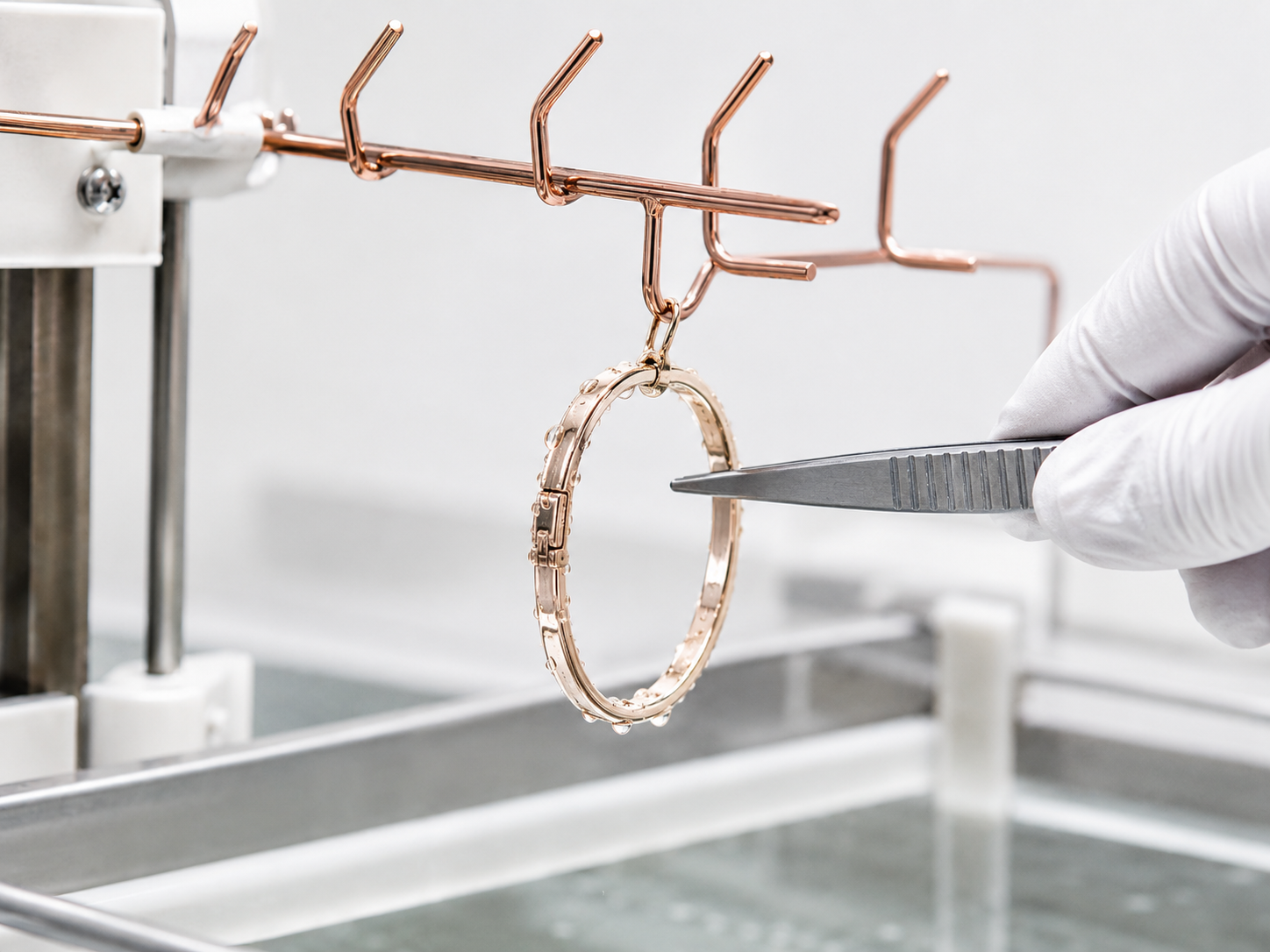
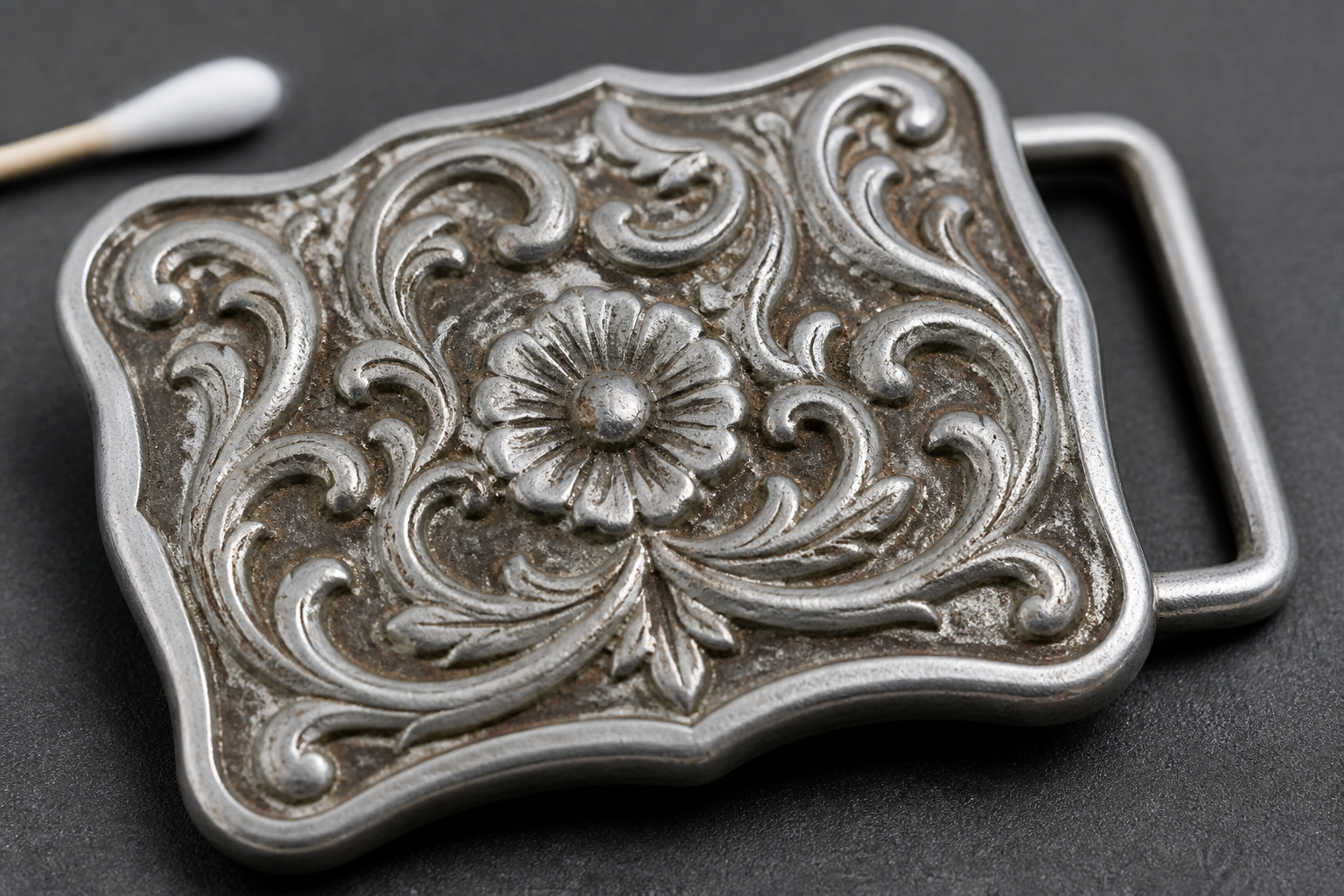
Before assessing the result or changing to the next compound, remove all LUXI Brown and removed material. Inspect relief, recesses, inside corners, and joints particularly carefully. For many solid plastics and resins, water with a non-aggressive soap, gentle rinsing, and complete drying may be used. Do not prescribe iClean, ultrasonic cleaning, solvents, hot water, or heated solutions automatically for polymers or coatings.
Use a separate clean wheel for LUXI Pink or LUXI Beige. Transfer of LUXI Brown residue to the finishing tool is not permitted.